Story: Prof. Dr. Trinh Sinh
Photos: Nguyen Hai
Home to more kings and ruling houses than any other locality in Vietnam, Thanh Hoa preserves a remarkable legacy of dynasties, former capitals, royal tombs, and historic monuments.
Thanh Hoa is the homeland of more kings and lords than any other locality in Vietnam. It produced 44 kings from four dynasties, the Early Le, Ho, Later Le, and Nguyen, as well as the two ruling houses of the Trinh Lords and Nguyen Lords. It is therefore also home to several former capitals, including Tay Do, Lam Kinh, and Van Lai-Yen Truong.
Over the centuries, many structures have fallen into ruin, but local communities have largely preserved the boundaries of these former capitals. They regard them as sacred spaces and enduring symbols of once-glorious dynasties.
The Ho Dynasty Citadel
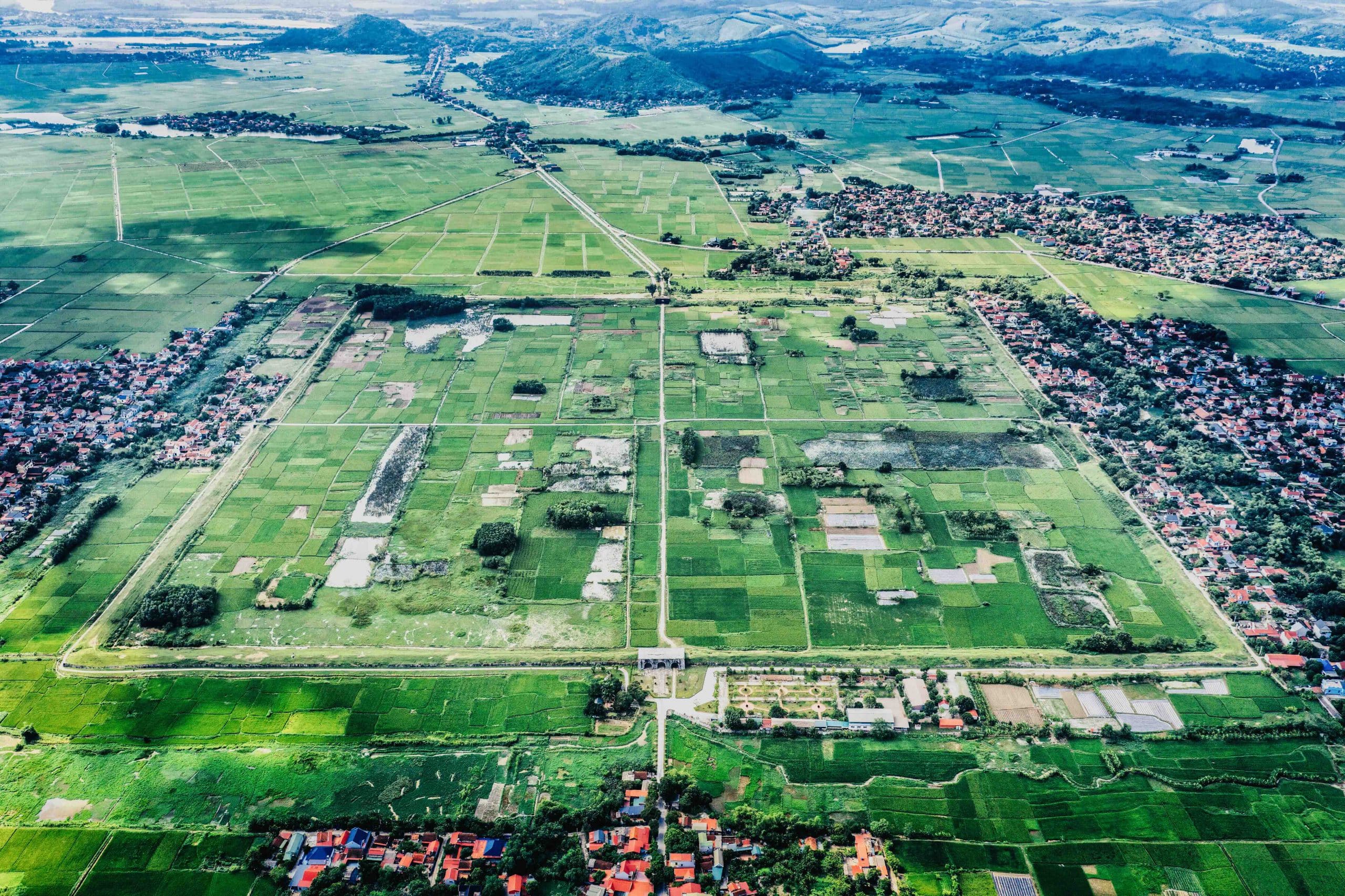
King Ho Quy Ly ordered the construction of a stone citadel, commonly known as the Ho Dynasty Citadel, which UNESCO inscribed as a World Cultural Heritage Site in 2011. The citadel is unique in Southeast Asia and is also one of the few surviving stone citadels in the world.
Its rectangular layout measures 870.5 meters from north to south and 883.5 meters from east to west. Some of the stone blocks used in its construction are up to 7 meters long and 1.5 meters high, and weigh around 15 tons. Remarkably, the citadel was built in just three months, from January to March 1397.
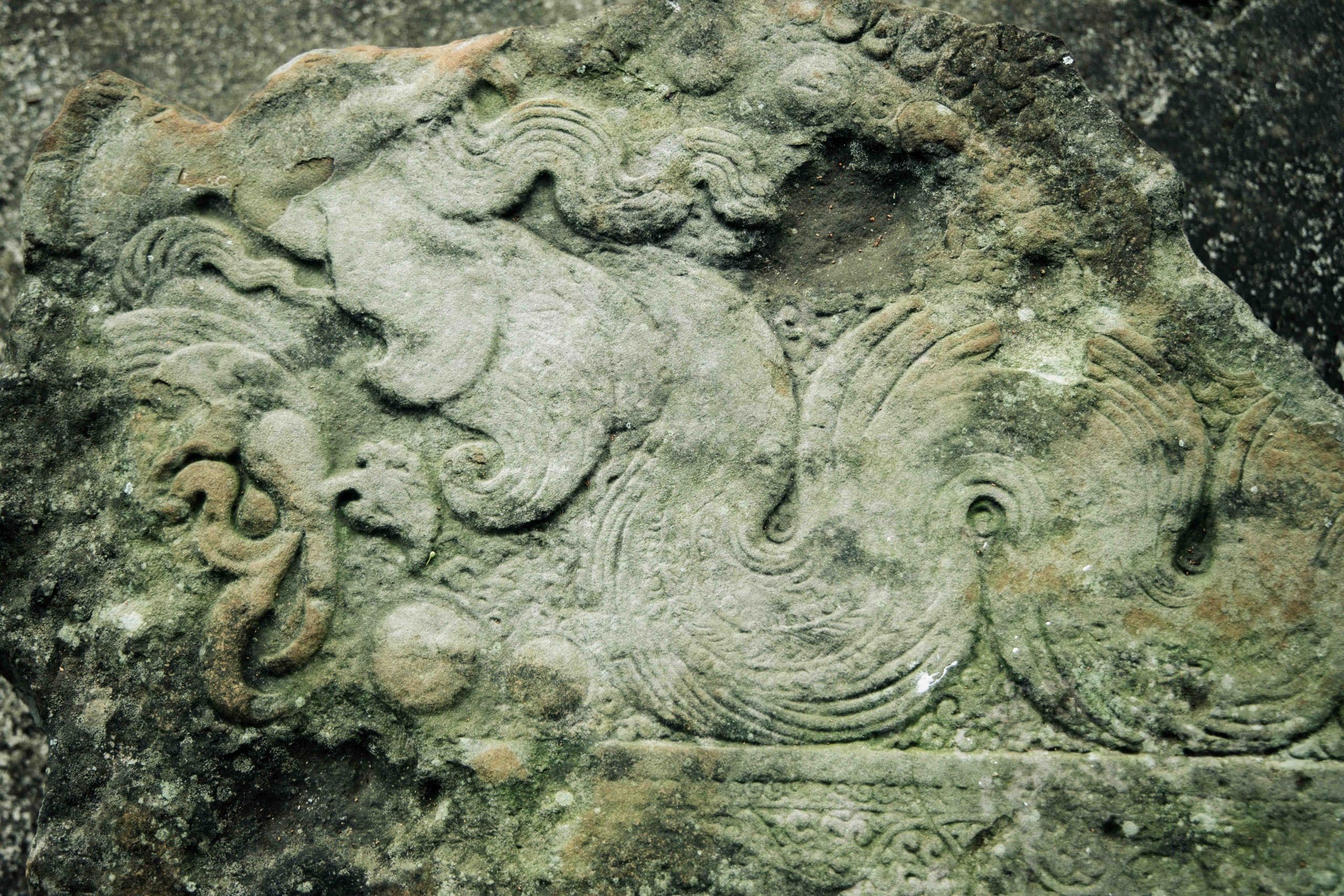
South of the stone citadel lies the Nam Giao Esplanade, where ceremonial rites were once held to pray for the nation’s prosperity and longevity.
Visitors to the Ho Dynasty Citadel can also learn about Ho Quy Ly, who played a major role in building the fortress, and Nguyen Trai, who admired him but lamented the errors that left a lasting mark on history.
When the Ming army invaded, the Ho Dynasty Citadel offered no effective resistance. The outcome echoed a warning attributed to Ho Quy Ly’s son: the problem was not the strength of the stone citadel, but the lack of popular support. As he put it, “I do not fear battle; I fear only that the people will not support us.”
Nguyen Trai passed the Thai hoc sinh examination, equivalent to the doctoral level, within the Ho Dynasty Citadel in 1400, during Ho Quy Ly’s reign. Although he greatly admired Ho Quy Ly, Nguyen Trai also recognized what he saw as the king’s failure to understand that the strength of the people was as powerful as water. This left him with what he described as “a hero’s regret lasting a thousand years.”
Lam Kinh’s former glory
The former capital of Lam Kinh is located in Lam Son Commune, Thanh Hoa Province, the birthplace of Le Thai To, or Le Loi. He named his homeland Lam Kinh, also known as Tay Kinh, or Western Capital, to distinguish it from Dong Kinh, or Thang Long.
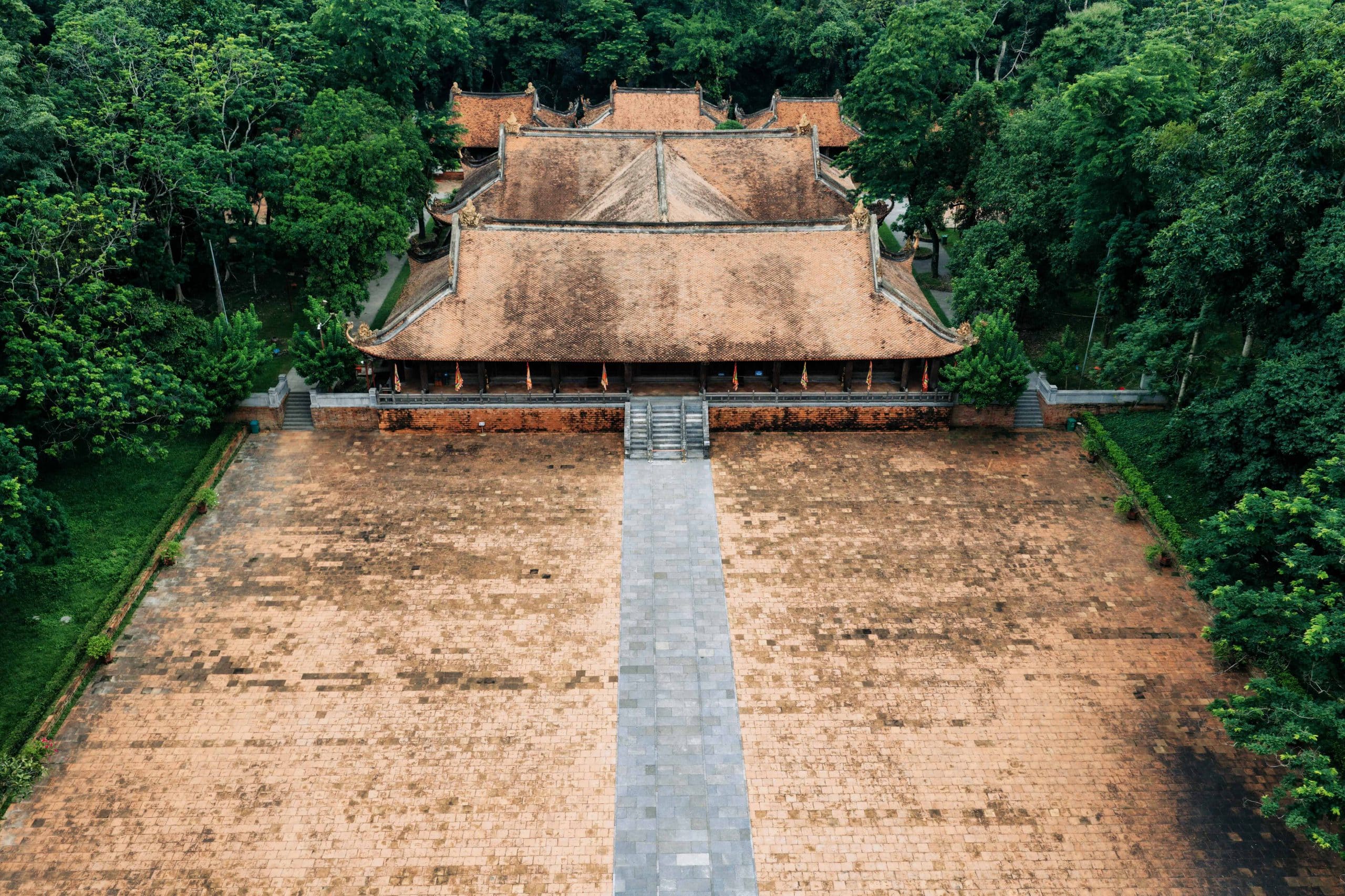
Lam Kinh was laid out like an imperial citadel, with palaces, ancestral temples, and walls enclosing the site on all four sides. It measured 314 meters long and 254 meters wide. Archaeologists have uncovered traces of the Ngo Mon Gate, the dragon courtyard, the main hall, and numerous stone and ceramic artifacts. As the Le kings occasionally returned here to pay homage to their ancestors, Lam Kinh also served as a royal retreat.
Le Loi chose Lam Kinh as the site of his tomb. The area was considered highly auspicious according to feng shui, backed by mountains and facing the Chu River, which joins the Ma River before flowing into the East Sea, with Phu Lam Forest to the left and Huong Mountain to the right.
Lam Kinh is home not only to the tomb of Le Thai To but also to the tombs of five other Le kings and two Queen Mothers.
The site was recognized as a Special National Monument in 2012 and preserves five national treasures, all valuable stone steles: the Vinh Lang Stele, Khon Nguyen Chi Duc Stele, Chieu Lang Stele, Du Lang Stele, and Dai Viet Lam Son Kinh Lang Stele.
Van Lai-Yen Truong: royal remnants
The former capital of Van Lai-Yen Truong is located in Yen Truong Commune, Thanh Hoa Province. It served as a capital during the power struggle between the Le and Mac ruling houses, a period known as the Southern and Northern Dynasties conflict.
While the Mac Dynasty established its capital in Thang Long, Trinh Kiem built a temporary capital for the Le court at Van Lai in 1546 and brought King Le Trang Tong there. The court later moved to Yen Truong, which offered more space. In 1593, when the Le-Trinh forces recaptured Thang Long, the former capital’s role ended.
Today, only limited traces remain, including palace foundations, two pairs of stone elephants and stone horses, stone guardian figures, bricks, roof tiles, and Le-period stone column bases.
The legacy of these three former capitals in Thanh Hoa represents a valuable cultural heritage and an important resource for tourism development as part of the broader cultural industries.