
Story: Mai Kim Chi
Photos: Ba Ngoc
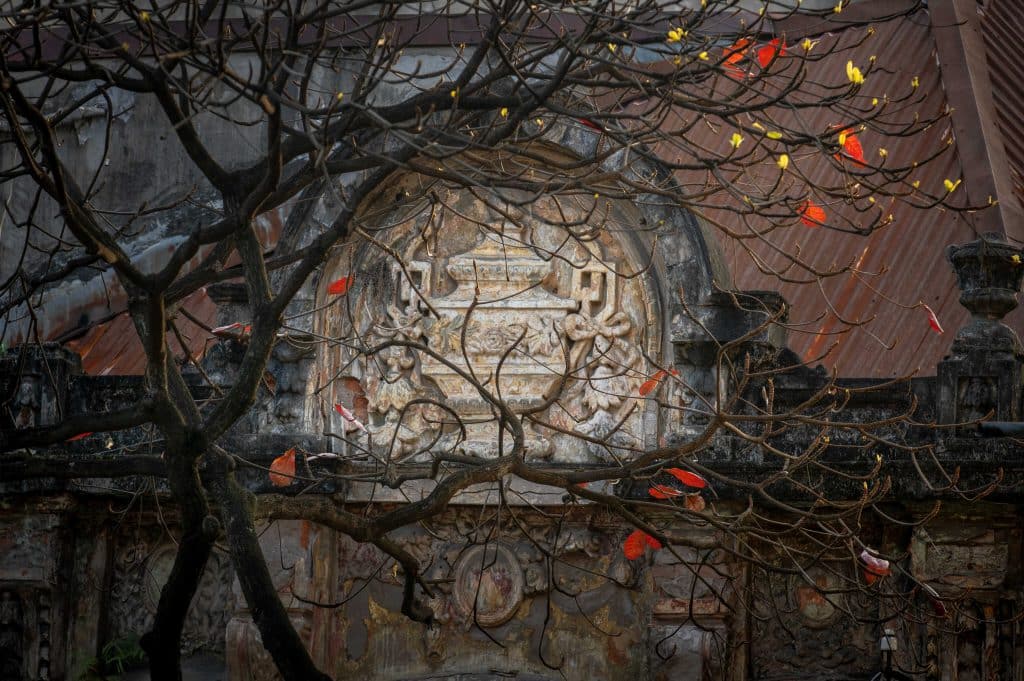
While Hanoi is changing fast, countless traces of its past remain if you know where to look.
Modern architecture and a faster pace of life have transformed Hanoi. Yet amid these rapid changes, walking down narrow alleys and climbing worn wooden staircases tucked deep inside heritage homes reveals a very different Hanoi, quiet, unassuming, and steeped in nostalgia.
Where the sacred and secular stand side by side
Surviving relics that remain in the Old Quarter include places of worship tucked away on the upper floors of shophouses. Few people walking along bustling Hang Dao Street realize that an ancient communal house stands at No. 90A, directly above a lively retail shop. The Hoa Loc Thi Communal House is dedicated to worshiping the village tutelary deity and the patron ancestors of the fabric-dyeing trade. Artisans from Dan Loan Village in former Hai Duong brought these traditions to the capital when they moved here to earn a living.
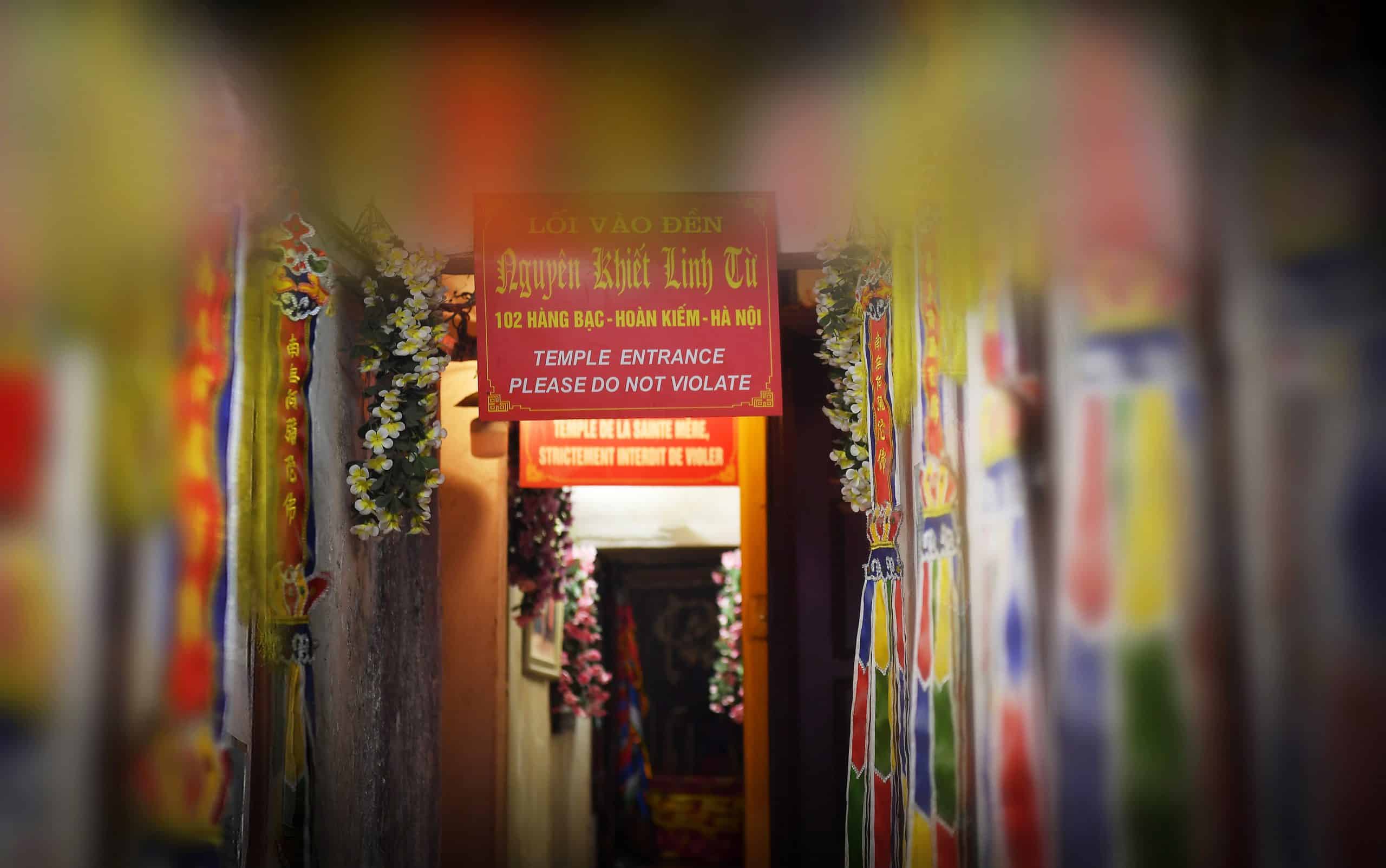
Not far away, on Hang Bac Street, Nguyen Khiet Linh Tu, commonly known as Hang Bac Temple, also occupies the second floor of a traditional shophouse. This temple honors Mother Goddess Princess Bach Hoa and the Mother Goddesses of the Four Palaces. Over time, the ground floor became a living space, while the sanctuary upstairs has been lovingly preserved.
This close coexistence of domestic and religious spaces is a defining characteristic of life in Hanoi’s Old Quarter. Under a single roof, everyday household routines and sacred rituals exist in quiet harmony, keeping cultural traditions alive across generations.
Paneled wooden doors that hold memories
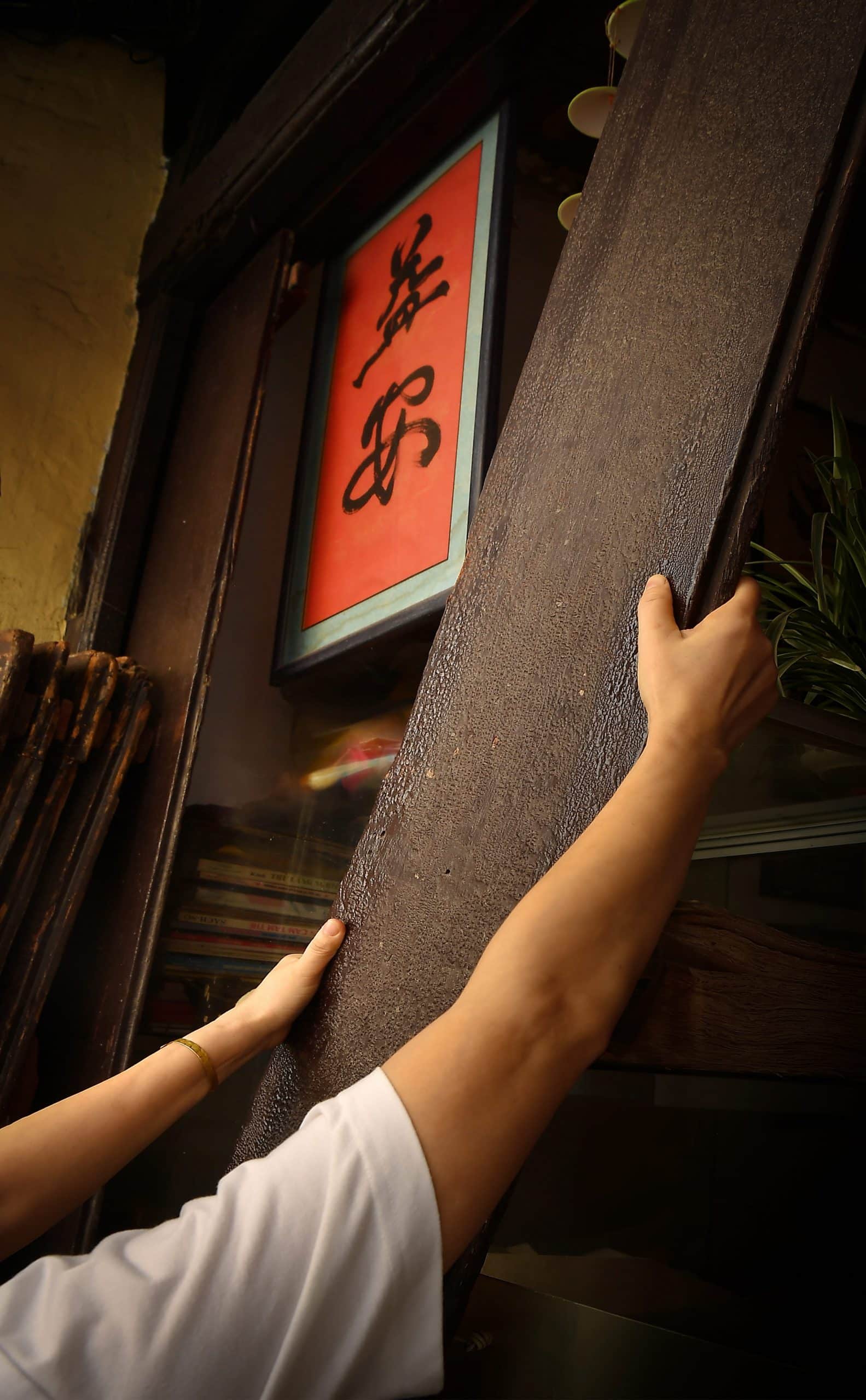
In old Hanoi, a new day typically began with the rhythmic clatter of wooden door panels being removed. Every morning, the shopkeeper lifted out each timber plank and stacked it neatly aside. Come evening, they slid the planks back into place and secured them with a timber latch. This familiar ritual became an enduring part of the city’s living memory.
Common in the 19th and 20th centuries, this door design featured individual ironwood planks fitted into upper and lower guiding tracks. These doors suited the narrow, deep “tube houses” typical of the Old Quarter.
Through different eras of urban growth, these slotted wooden doors gradually gave way to modern designs. Yet this distinctive architectural feature has been carefully preserved and restored in a traditional home on Hang Be Street. Over the decades, these wooden doors have become a valuable record of old Hanoi, evoking a once-familiar way of life.
Ancient wells in historic streets
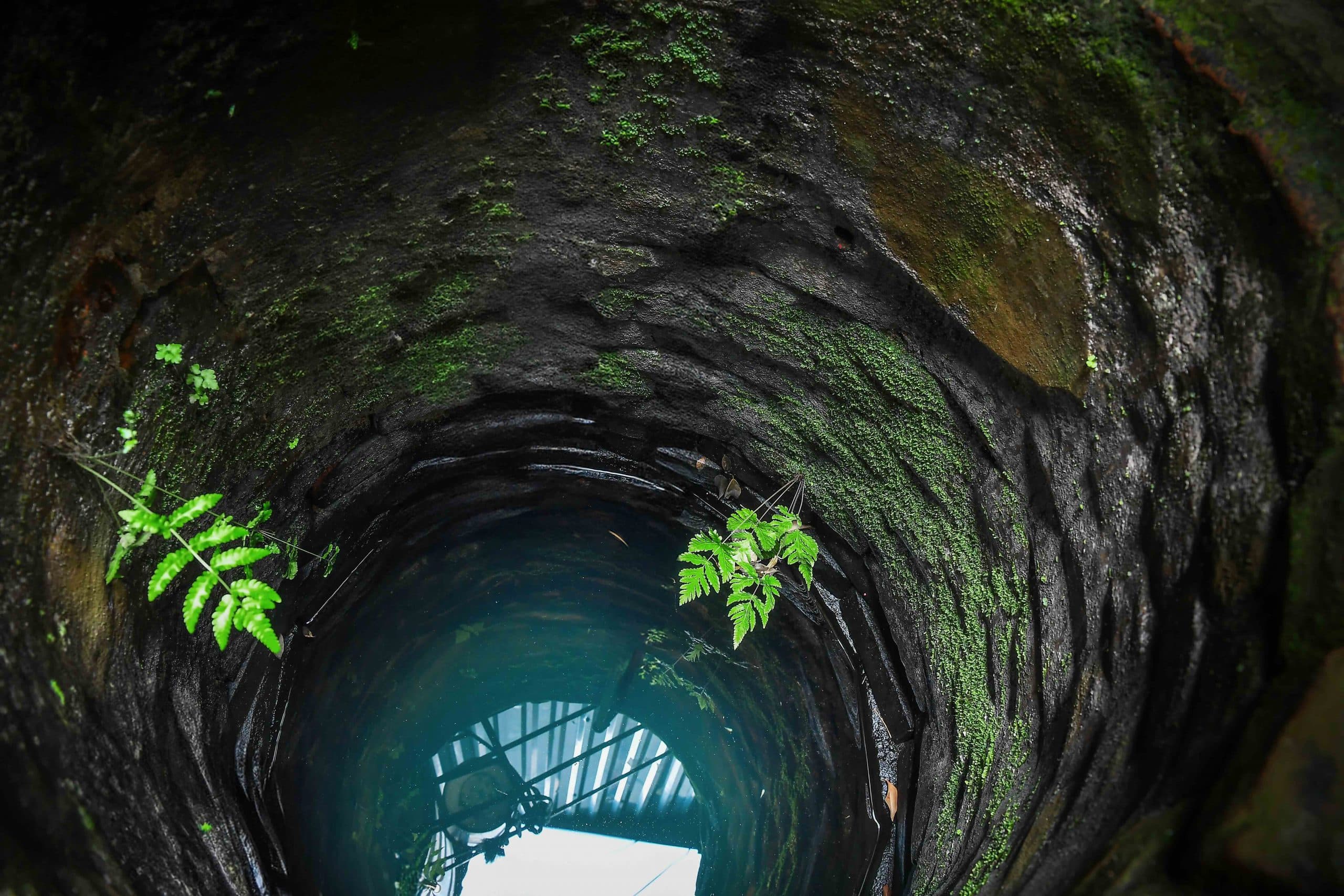
Tucked into the narrow alleys of Hanoi’s Old Quarter, several centuries-old stone wells once served as the primary water source for residents, before piped water was installed during the French colonial era.
Today, only a handful of these historic wells remain, notably in Tam Thuong Alley and Phu Doan Alley. Although they no longer serve their original purpose, nearby residents continue to cherish and care for them as rare, tangible links to their neighborhood’s past.
Center stage in the Old Quarter
Beyond its sacred shrines and domestic history, the Old Quarter was also home to many celebrated performance venues from the late 19th to the mid-20th century. The most prominent were the three traditional theaters that formed the “golden triangle”: Quang Lac, San Nhien Dai, and Chuong Vang, all located within 150 meters of one another.
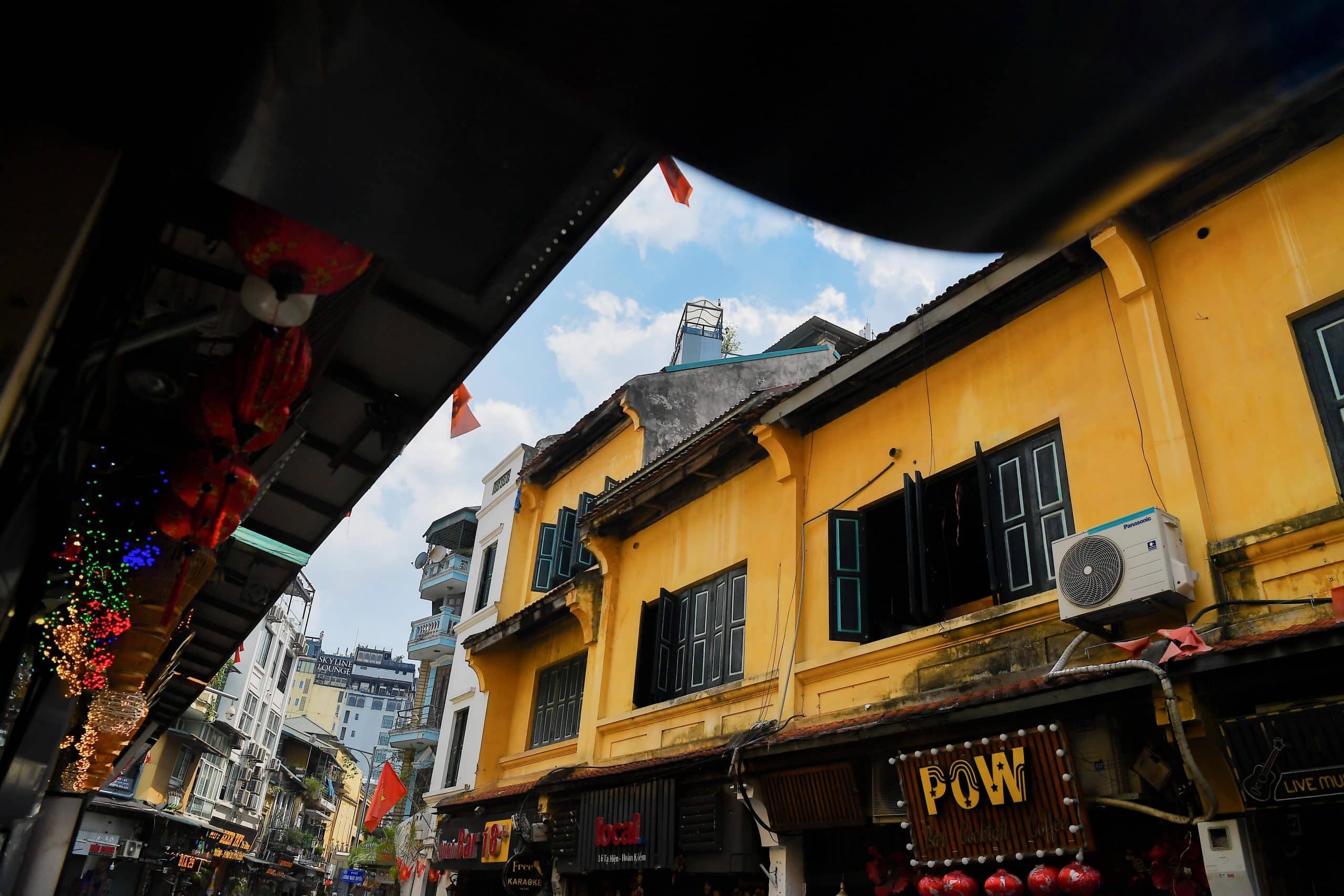
Opened in 1916 at No. 8 Ta Hien, Quang Lac Theater originally specialized in traditional classical opera, tuong and hat boi, before becoming a premier venue for southern cai luong troupes touring the North. Today, the Hanoi Drama Theater manages this venue, which continues to contribute to the capital’s performing arts scene.
On Dao Duy Tu Street, San Nhien Dai Theater once hosted vibrant cheo (popular folk opera) performances before being renamed Lac Viet in the 1950s. The building now houses the Hanoi Old Quarter Cultural Exchange Center. Meanwhile, Chuong Vang Theater on Hang Bac Street, formerly known as Thang Long Theater, was another celebrated venue for northern cai luong opera.
Today, traces of old Hanoi still linger in little-known corners of the city. You may find them in wooden doors, ancient wells, communal houses tucked away on upper floors, or theaters from another era. More than remnants of the past, these details are fragments that link long-ago eras to today, allowing old Hanoi to persist in a city that continues to change.