Story: Prof. Dr. Trinh Sinh
Photos: Dung BHD, Dao Canh
Hanoi’s historic villages bring together centuries-old architecture, distinctive local traditions, and crafts still practiced today.
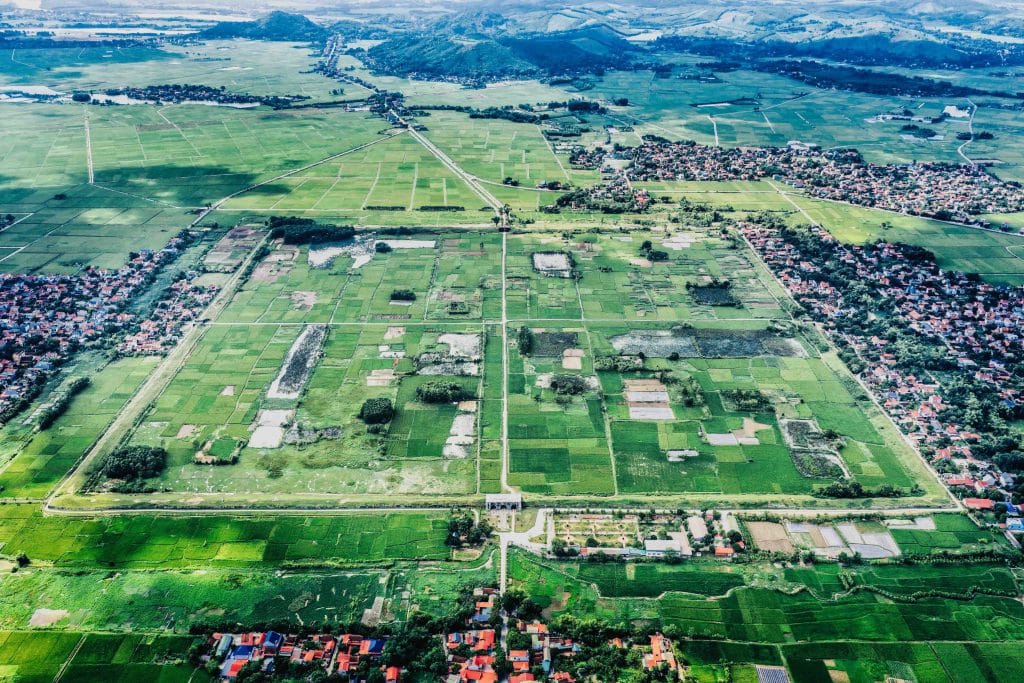
Some of the earliest systematic studies of northern Vietnamese villages were conducted by French scholars who were new to the country. Comparing them with villages in their homeland, these scholars found Vietnam’s rural villages unfamiliar. As a result, they documented their physical features in meticulous detail, leaving behind an invaluable historical record of rural life more than a century ago.
One of the most prominent among these scholars was the geographer Pierre Gourou. In his influential work, The Peasants of the Tonkin Delta, first published in French in 1936, he conducted an extensive study of villages across the northern delta. According to Gourou, a typical village was defined by essential landmarks such as perimeter fences, dense bamboo hedges, and dedicated entryways, often flanked by ponds. Villages commonly had two or three gates, sometimes topped with a watchtower for night sentries. Inside, main roads and alleys followed a distinctive herringbone pattern. Beyond these physical features, Gourou explored the political, economic, and social fabric of rural communities. Beneath the tranquil exterior, village society was highly structured, with social distinctions and numerous local rules reflected in the saying, “the king’s edict yields to village custom.” Local notables, family clans, civic associations, and lively village festivals all played important roles in village life.
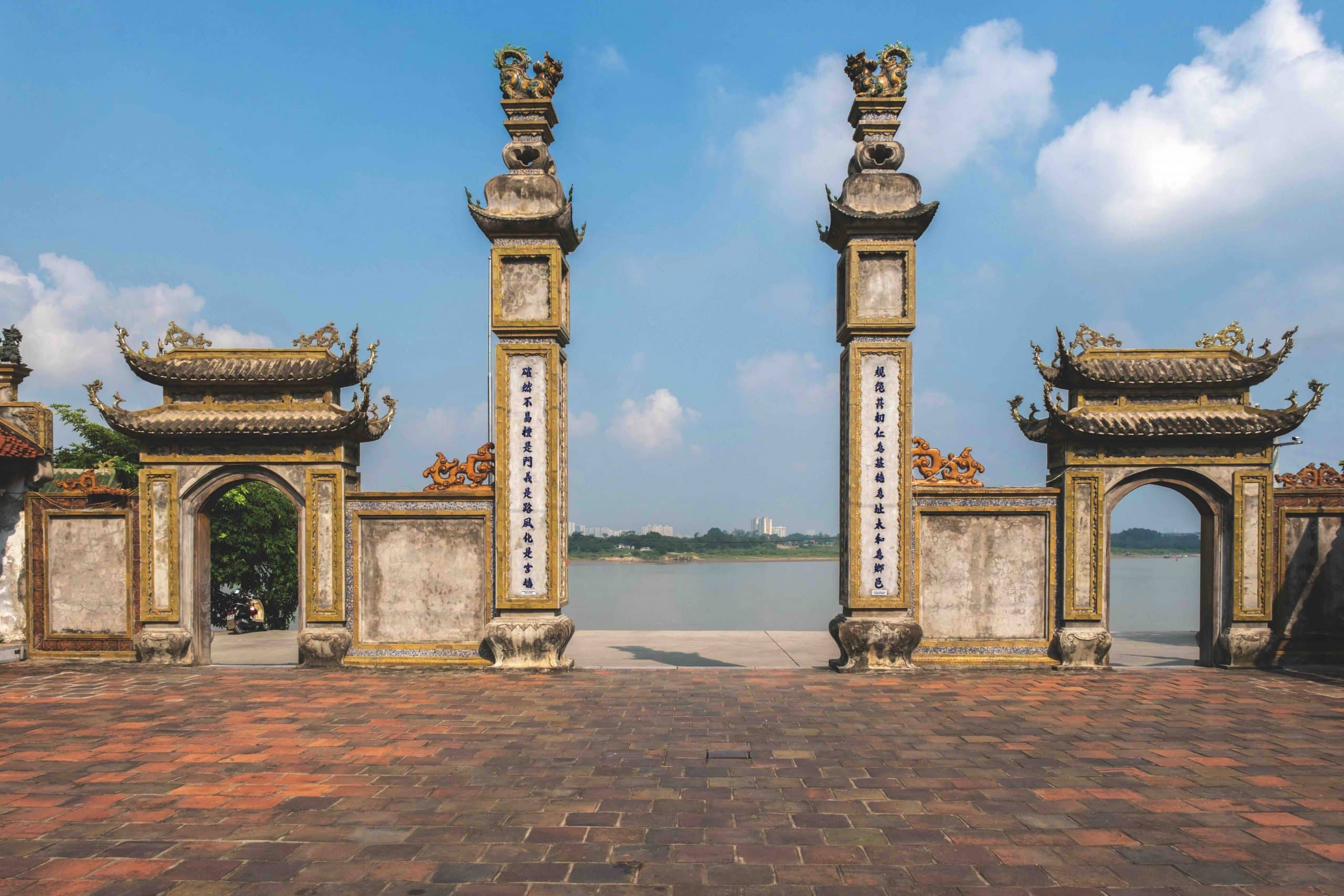
The traditional village in northern Vietnam, particularly around the fringes of Hanoi, has served as a resilient cornerstone of Vietnamese culture for thousands of years. Early French observers accurately captured both village organization and the spirit of the people who shaped it. For instance, in his 1889 French work, The Empire of Annam and the Annamese People: An Overview of Geography, Products, Industry, Manners, and Customs (translated into Vietnamese in 2020), Jules Silvestre described the vibrant commercial energy of Thang Long, then known as Ke Cho. He observed that on the first and fifteenth days of each lunar month, the local market drew astonishing crowds. Each type of merchandise had its own dedicated street, allocated to merchants from specific villages who held exclusive rights to set up shops there. On market days, the streets were so packed that walking just a hundred steps could take half an hour.
Silvestre’s account reflects how Thang Long, or Ke Cho, functioned as a collection of “villages within the city,” creating a distinctive urban landscape along the banks of the Red River. This character is captured in the classic folk saying, “Thứ nhất kinh kỳ, thứ nhì Phố Hiến” (the most bustling place is the capital city, the second is Pho Hien town).
More than a century later, we can still trace the origins of old Thang Long to its role as a vast central marketplace where artisans and merchants converged from rural provinces, bringing their customs and establishing their own communal houses. A prime example is the Kim Ngan Communal House at 42-44 Hang Bac Street, a national historical site deeply connected to Thang Long’s silversmithing and goldsmithing trades.
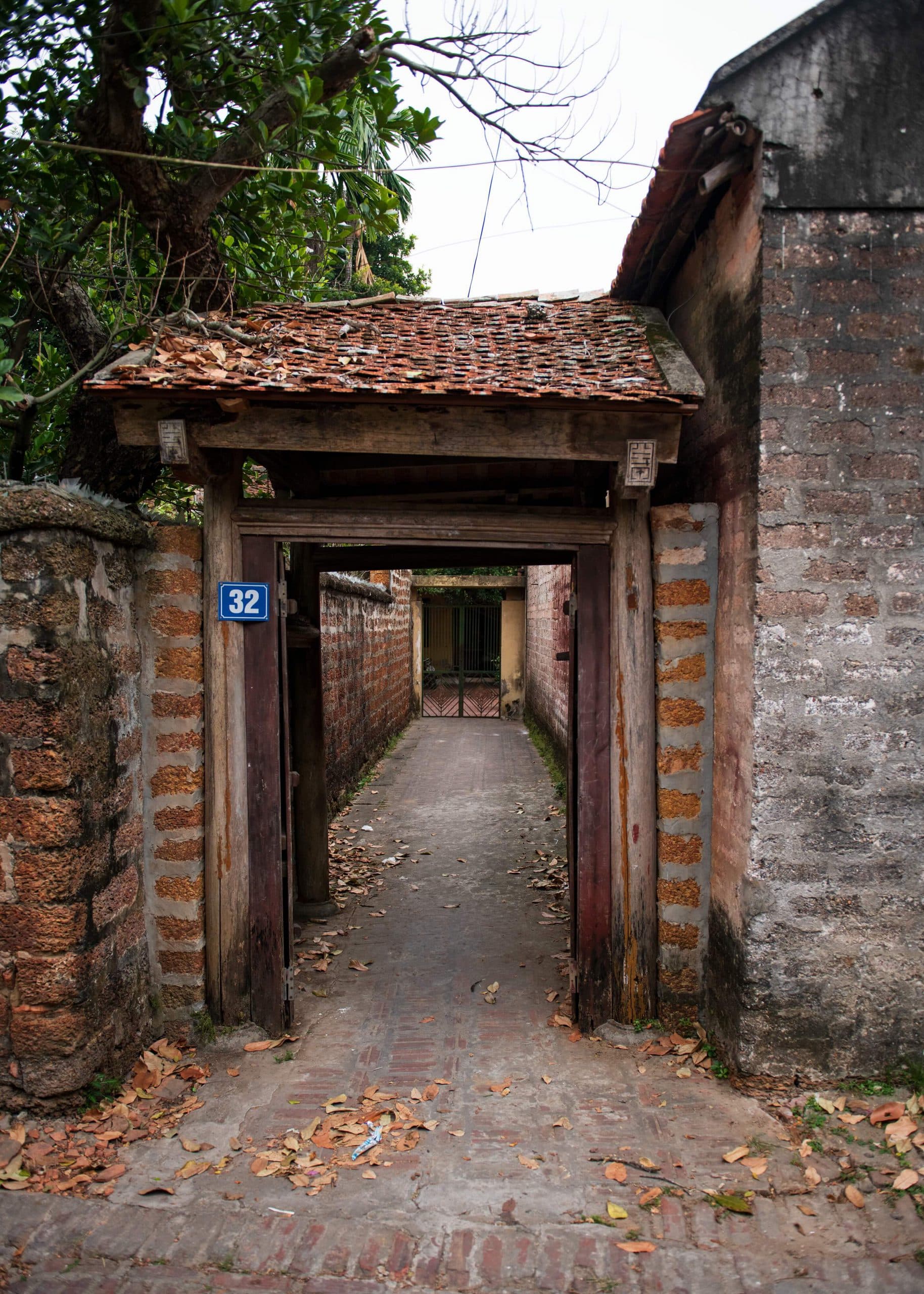
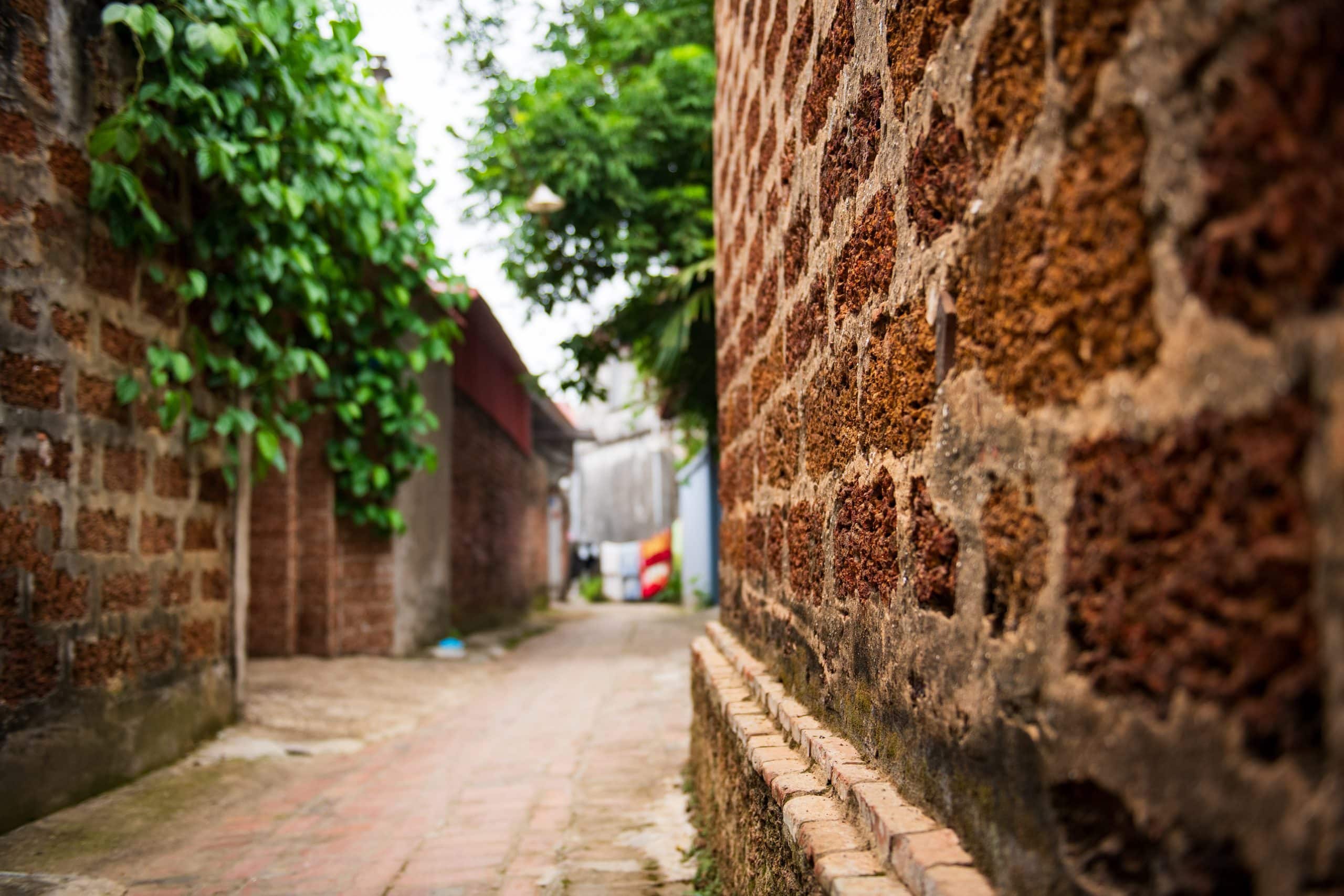
Over time, as the city has expanded, many ancient northern hamlets have become part of Hanoi’s suburban districts, known for their long history, historic architecture, prominent historical figures, and traditional artisan crafts. Duong Lam Village, now within the town of Son Tay, is famously associated with two national heroes, King Phung Hung and King Ngo Quyen, and is renowned for its vernacular architecture built from natural laterite stone.
Another celebrated suburban landmark is Phu Dong Thien Vuong Temple, commonly called Giong Temple, located in Phu Dong Commune. Classified as a Special National Relic, the temple honors Saint Giong, one of the “Four Immortals” in Vietnamese traditional belief. It forms the center of a historic complex rooted in ancient legends, known for its timeless architecture and the UNESCO-inscribed Giong Festival. As a quintessential suburban village, Phu Dong is home to numerous shrines. It celebrates its annual festival with vibrant palanquin processions, folk performances, and vivid reenactments of Saint Giong’s defeat of the mythical An invaders.
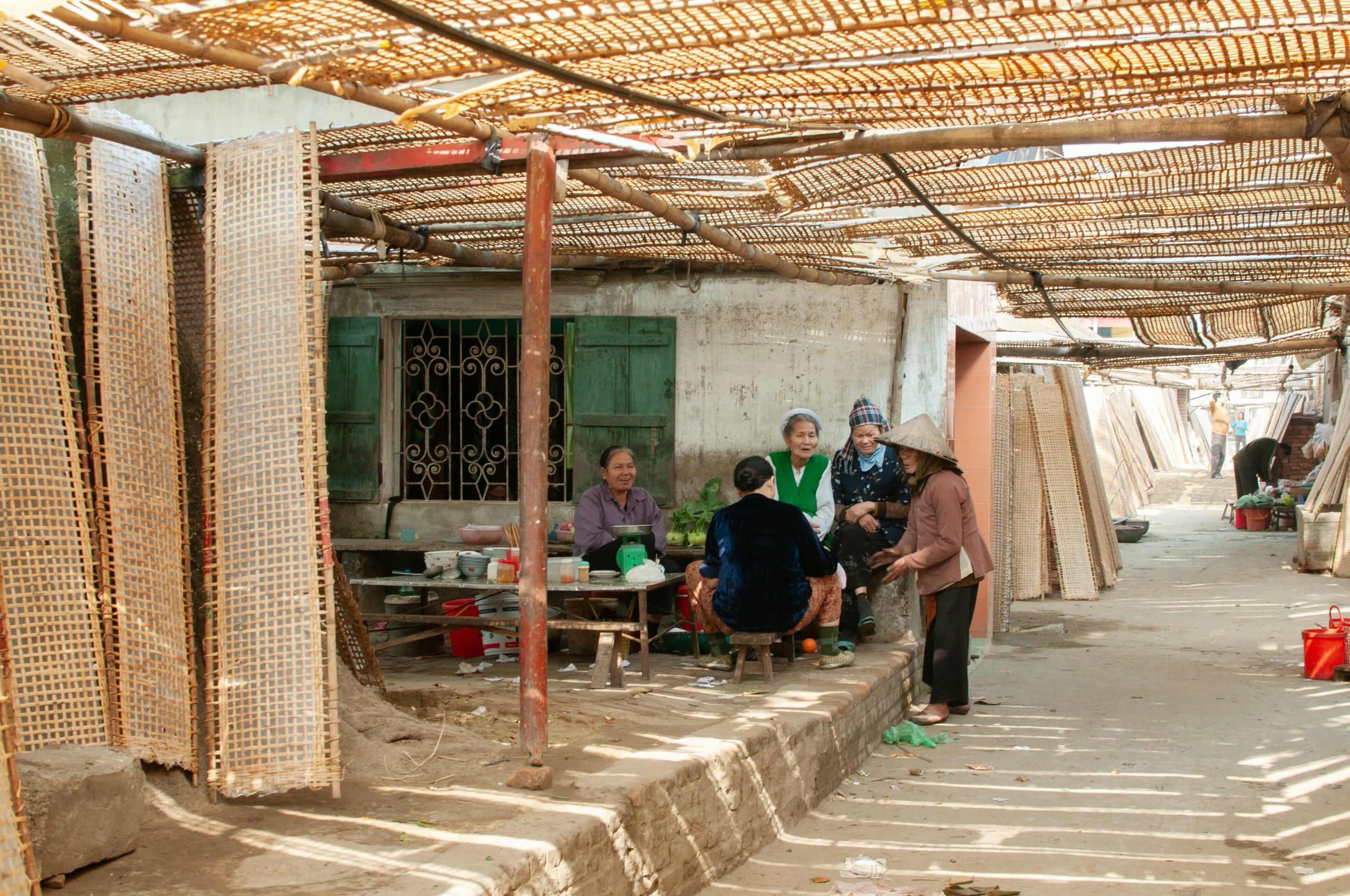
Another well-preserved settlement is Cu Da Village, situated along the Nhue River in Binh Minh Commune. The village retains its classic entry gates, traditional herringbone street network, and a striking harmony between French colonial villas and traditional Vietnamese homes. Cu Da is also known for its long-standing production of artisanal vermicelli and fermented soybean paste.
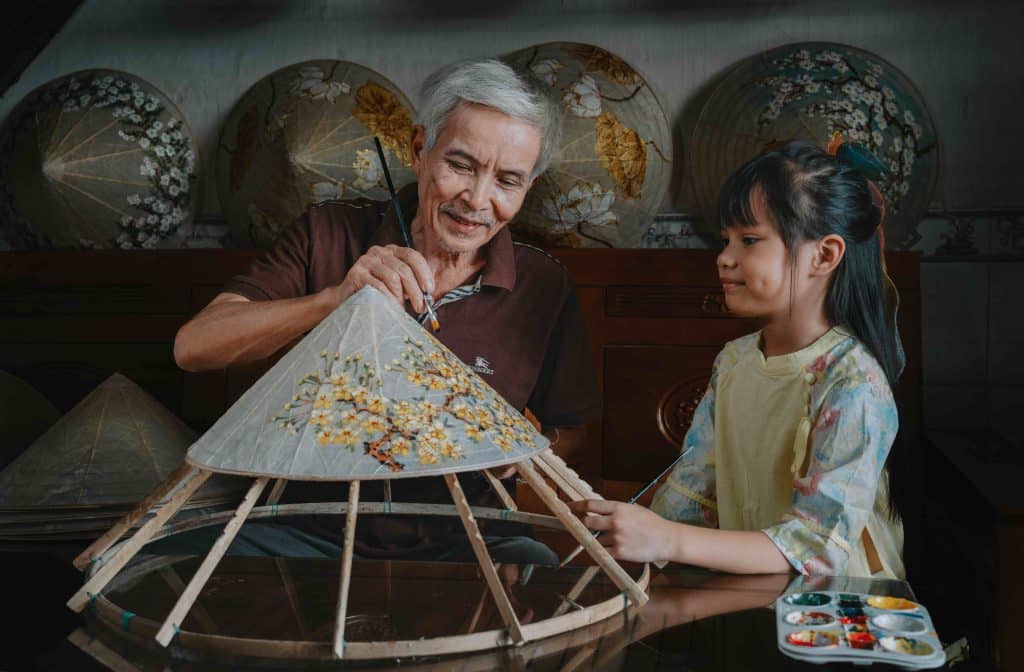
Today, most of these historic villages function as thriving craft centers. Among the most famous are Bat Trang, known for its ceramic art, and Van Phuc, where artisans weave silk year-round for domestic and overseas markets. Several villages are celebrated for their culinary traditions, including the rice noodles of Tu Ky and Phu Do, the steamed rice rolls of Thanh Tri, the seasoned pork rolls of Chem and Uoc Le, the spring rolls of Ve, and the fragrant young green sticky rice of Vong. Other time-honored craft hubs include the gold and silver jewelers of Dinh Cong, the water puppeteers of Dao Thuc, and the master bamboo and rattan weavers of Phu Vinh.
These ancient craft villages on Hanoi’s outskirts showcase the architectural character of rural northern Vietnam, making them an invaluable resource for cultural heritage tourism.