
Story: Huong Quynh
Photos provided by Tung Lam Development JSC
From ancient pilgrimage trails to tranquil cultural spaces, autumn offers a slower way to experience the enduring spirit of Yen Tu.
Autumn restores Yen Tu to its timeless serenity and quiet mystique. As bamboo forests begin to turn golden, low clouds drift across the mountainsides, and the sounds of temple bells dissolve into the morning mist, the sacred range opens onto a separate world. Travelers are invited to step away from the rhythm of everyday life and immerse themselves in nature, history, and the enduring legacy of the Truc Lam tradition.
Following in the footsteps of the ancients
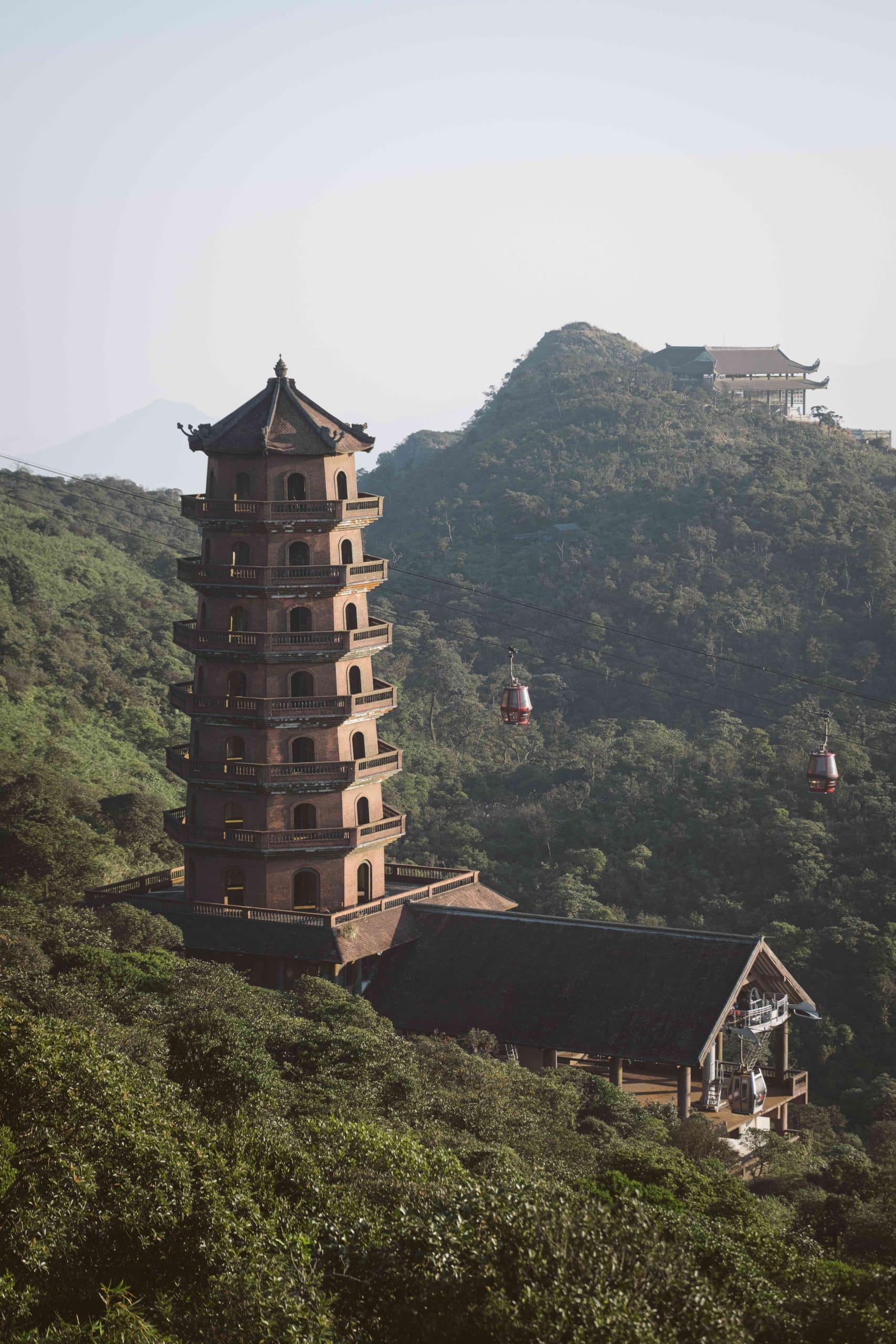
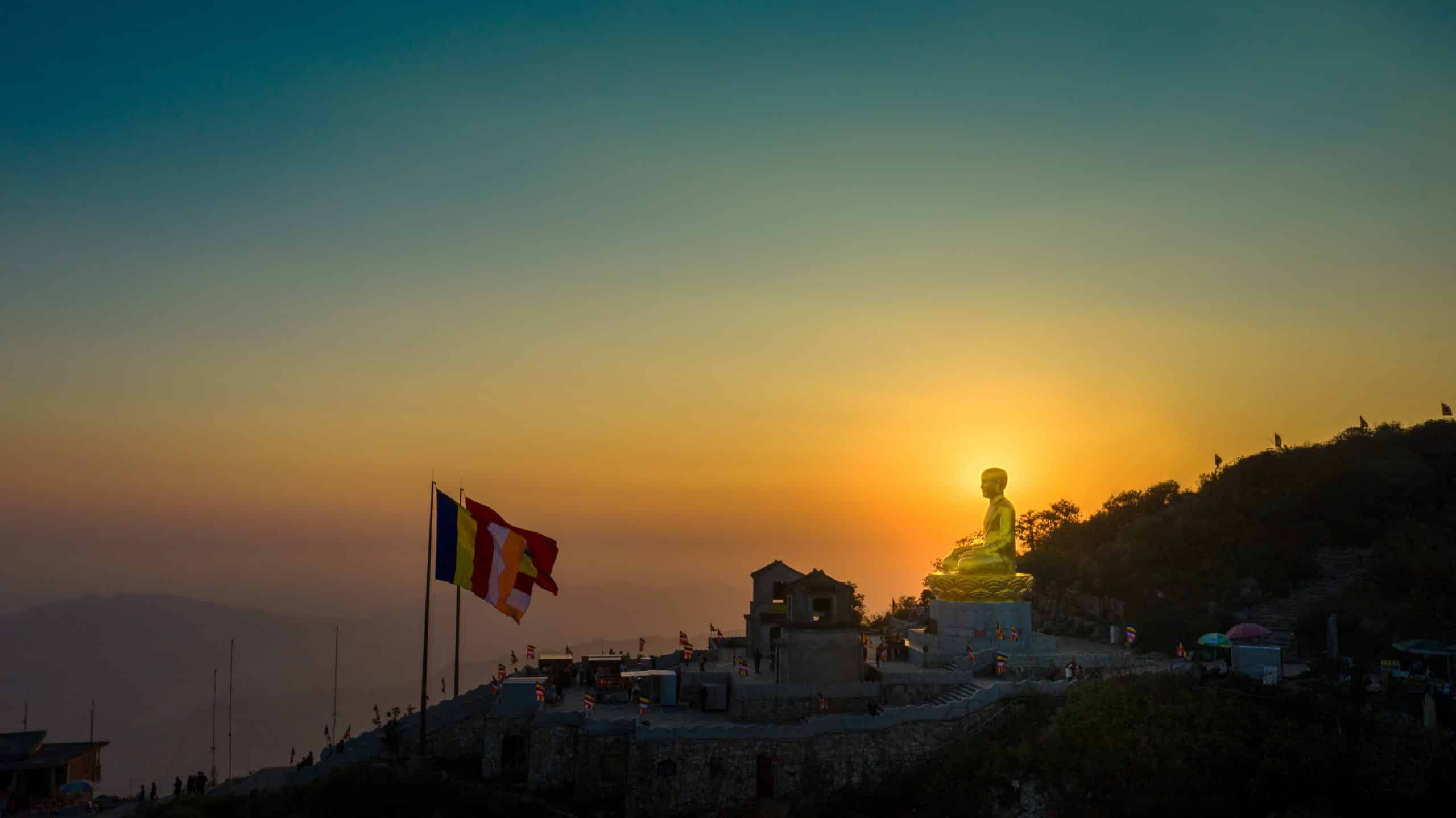
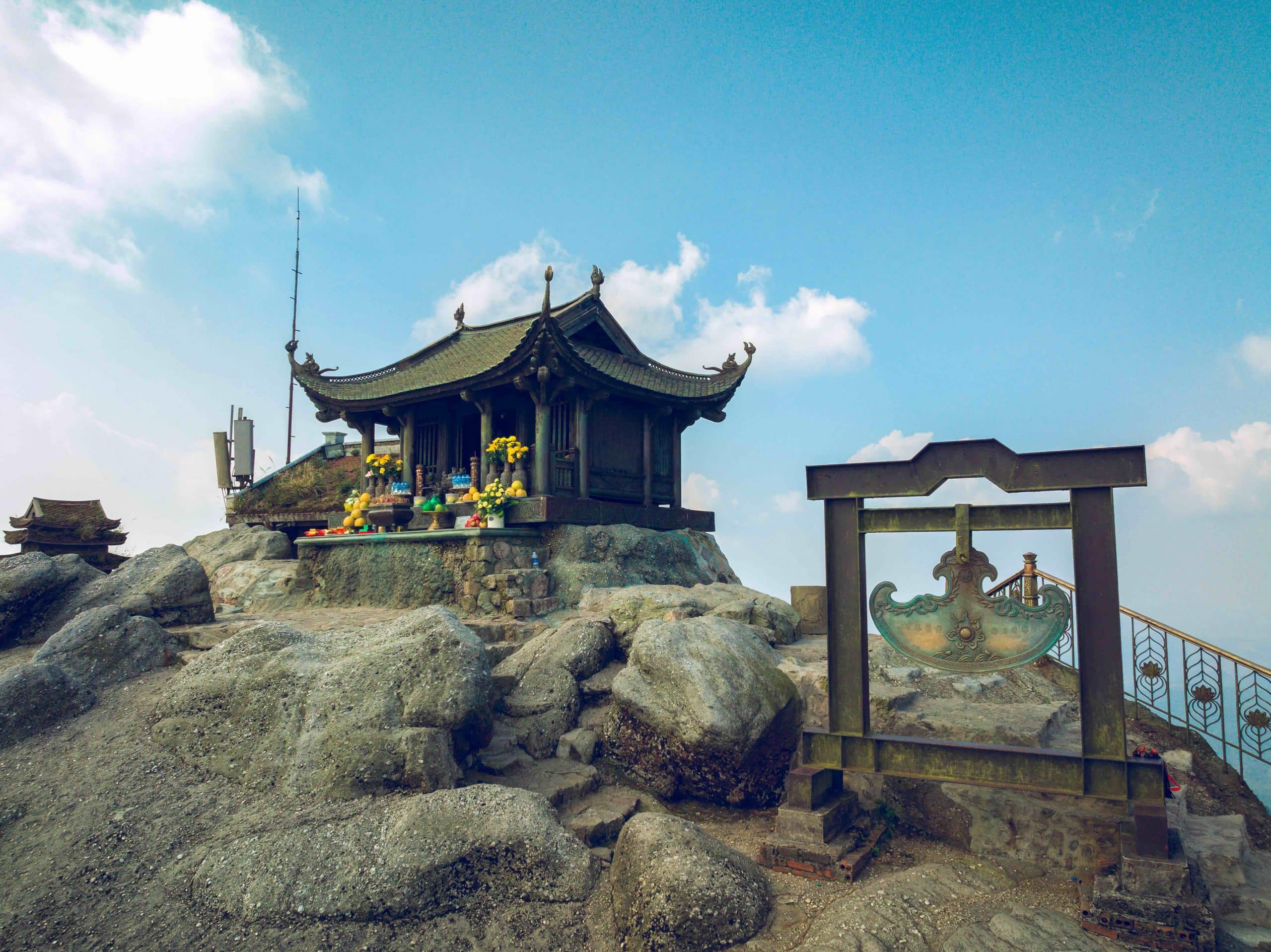
The pilgrimage route stretches for approximately six kilometers from Giai Oan Stream to Dong Pagoda. Pilgrims climb thousands of stone steps through bamboo groves, ancient pine forests, and a network of pagodas, hermitages, and centuries-old stupas. The journey unfolds at an unhurried pace, allowing visitors to admire the vast expanse of Yen Tu as spiritual landmarks appear and disappear amid the trees, mountains, and drifting clouds. For those seeking a gentler ascent, the cable car offers more time to linger at Hoa Yen Pagoda, Mot Mai Pagoda, and the An Ky Sinh Statue, or admire the mountainous landscape emerging through the mist.
To understand Yen Tu’s significance, one must return to 1299, when Emperor Tran Nhan Tong abdicated the throne and retreated to these mountains to pursue a spiritual life. Before that, he had twice led Dai Viet to victory against Mongol invasions before passing the throne to his son. At Yen Tu, he established a hermitage, preached the Dharma, gathered disciples, and laid the foundations of the Truc Lam Zen School, a distinctly Vietnamese Buddhist tradition.
From these mountains, Truc Lam’s philosophy of engaging with the world while remaining spiritually grounded gradually spread throughout the country. The teaching of Cư trần lạc đạo encourages people to find inner peace amid the demands of everyday life, while Hòa quang đồng trần advocates living in harmony with society in service of the wider community. These principles have elevated Yen Tu beyond its role as a religious center, making it an enduring symbol of Vietnam’s spiritual heritage and cultural history.
A living legacy at the foot of the mountains
Yen Tu’s enduring appeal lies in the fact that its story did not end centuries ago. The ancient stone steps, temple roofs, and gardens of stupas preserve the memory of long-ago eras. Meanwhile, at the foot of the mountain, today’s cultural spaces continue to bring the spirit of Truc Lam closer to contemporary life.
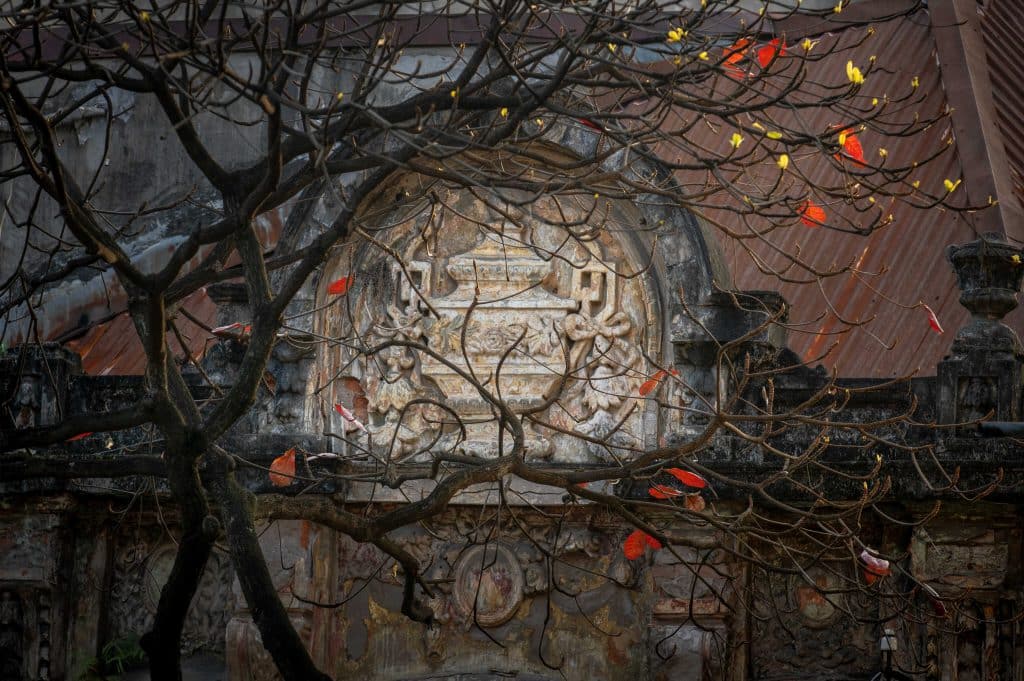
The Truc Lam Cultural Center serves as a bridge between the pilgrimage through the mountains and the cultural landscape below. Its architecture evokes the aesthetics of the Tran Dynasty through traditional tiled roofs, earthen walls, handcrafted materials, and open courtyards that frame views of the surrounding peaks. Within this setting, Legacy Yen Tu MGallery and Yen Tu Village offer thoughtful retreats for travelers wishing to spend more time exploring the heritage site. Though distinct in character, both properties are deeply rooted in the local landscape and cultural traditions, allowing the experience of staying here to become a natural extension of the journey through Yen Tu.
Slow travel in the autumn
From September to November, Yen Tu welcomes autumn with crisp skies and wisps of mist drifting across the mountains each morning. Bamboo forests gradually turn shades of gold, while gentle breezes stir the leaves lining the winding pilgrimage trail. At daybreak, clouds envelop temple rooftops and moss-covered stone steps, alternately revealing and concealing the landscape, which seems suspended between the earthly and the ethereal. In this tranquil setting, every step naturally slows, inviting visitors to immerse themselves in the quiet beauty of the sacred mountains.
Close enough for a weekend escape, Yen Tu is best experienced over two or three days. Spend one day following the pilgrimage route through the mountains, another exploring the cultural spaces at their foot, and the remaining time simply unwinding, walking beneath the forest canopy, or sitting quietly and listening to the sound of the wind.
People come to Yen Tu for many different reasons: to follow in the footsteps of Emperor Tran Nhan Tong, to discover Vietnam’s newest UNESCO World Heritage Site, or to step away from the pace of city life. Yet amid the stillness of autumn, the journey becomes something more: a return to nature, to the heart of Vietnam’s cultural heritage, and to a quiet sense of peace that lingers long after the journey ends.