Quoc Nguyen
Follow the sound of gongs into the cultural heart of the Tay Nguyen Central Highlands during the festival season.
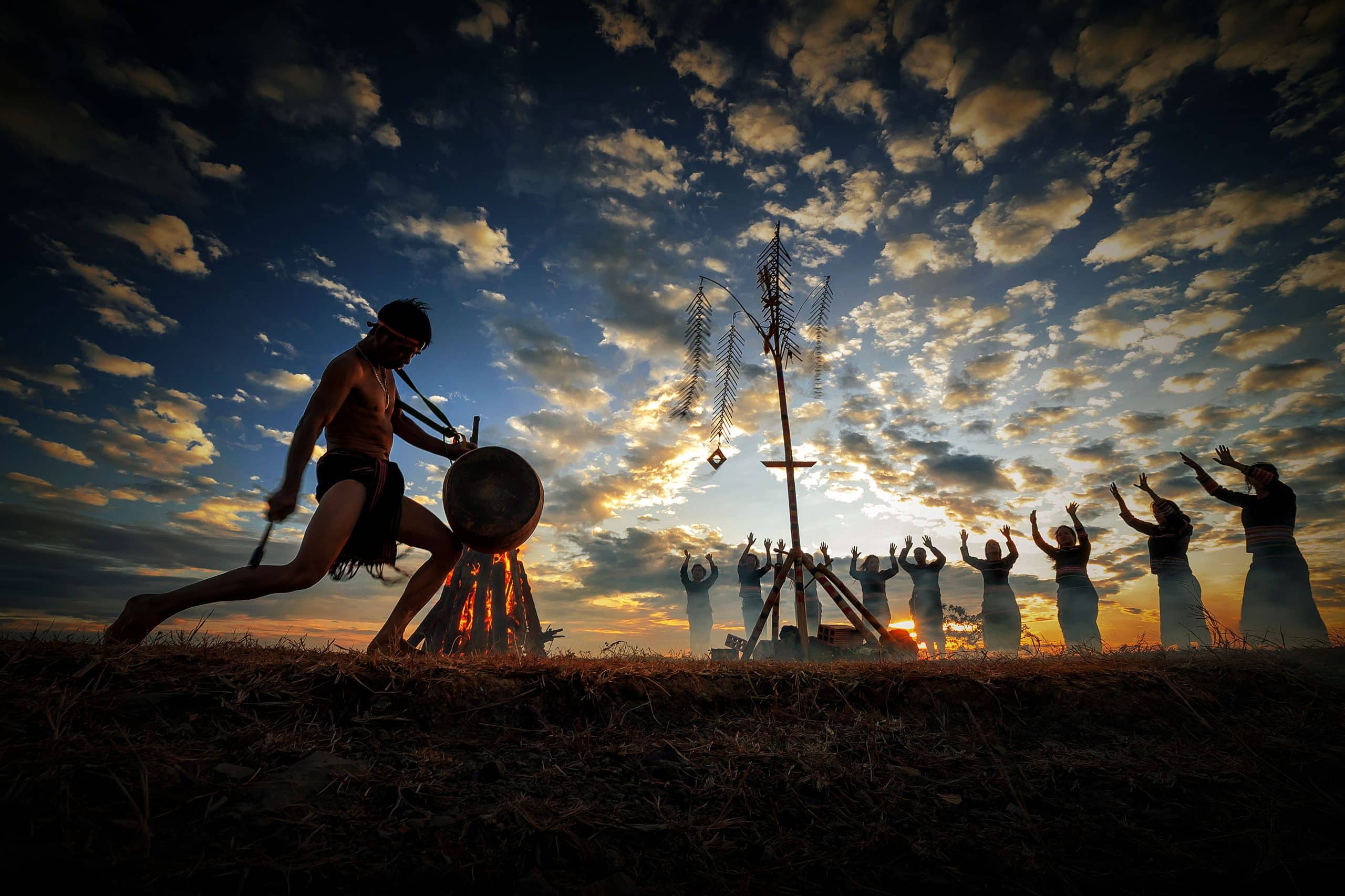
Deep in the vast forests of the Tay Nguyen Central Highlands, gong music is more than festive music. It carries the memories, spiritual beliefs, and communal life of local people. In towering communal rong houses, around warm hearths, over shared jars of ghe wine, and through traditional xoang dances, gongs have long helped connect people with deities, nature, and their ancestors, passing traditions from one generation to the next. Inscribed by UNESCO as an Intangible Cultural Heritage of Humanity, the Space of Gong Culture in the Central Highlands remains one of the region’s most important cultural symbols.
Echoes of the great wilderness
Vietnam’s Central Highlands are known for pine forests, coffee plantations, rubber groves, upland rice fields, and tumbling waterfalls among rolling hills. Yet travelers are equally captivated by gongs echoing through upland communities. The region’s cultural soul lives in traditional homes: the soaring silhouettes of rong houses and longhouses against the sky, dancing bonfires on festival nights, and shared jars of wine that bring people together. Gongs accompany highlanders from birth through adulthood and until their final return to Mother Earth. They guide people through moments of joy and sorrow, as well as sacred ceremonies and daily routines.
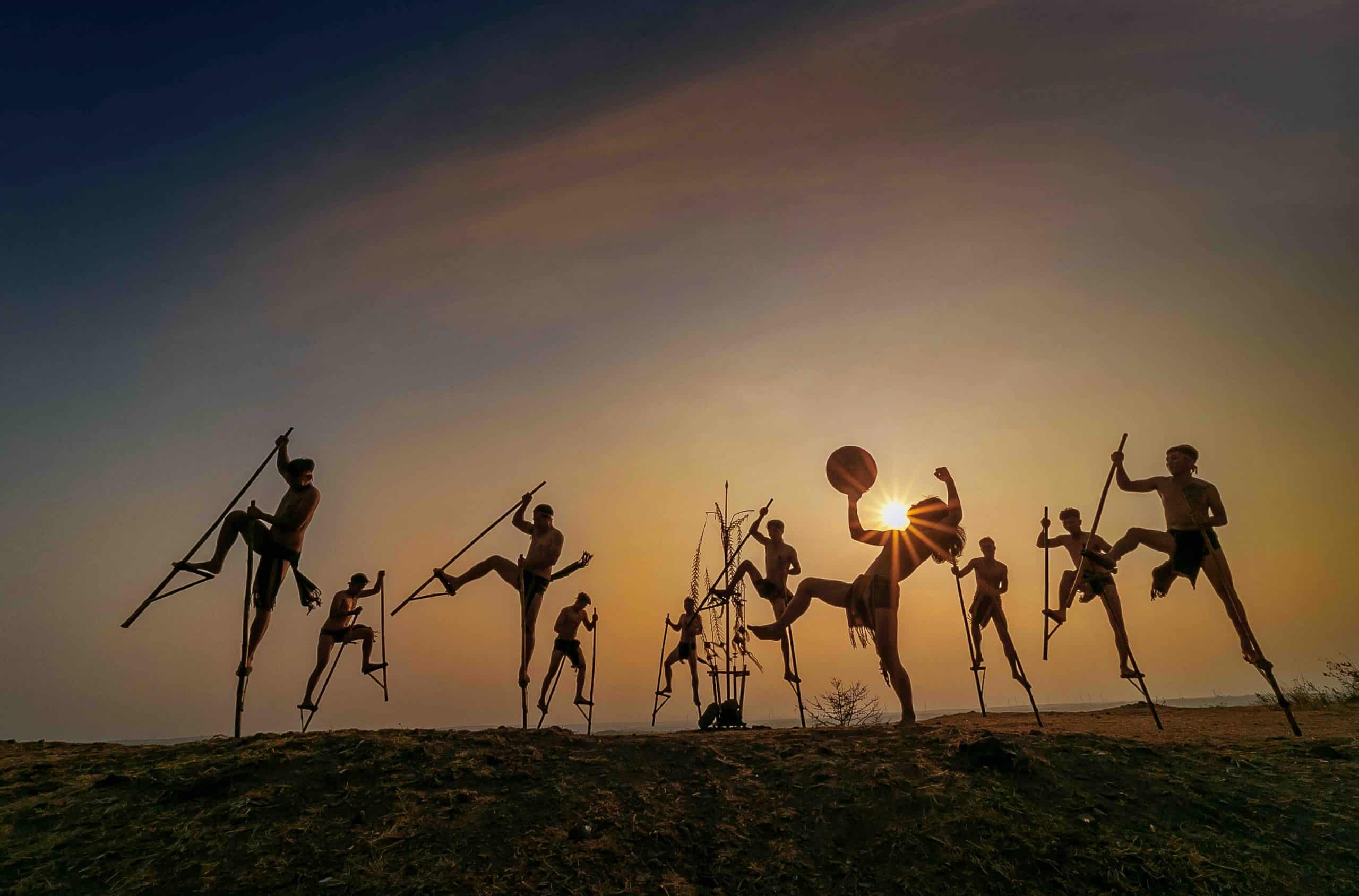
Gongs serve as a sacred bridge between humanity, the divine realm, and nature. In this sacred atmosphere, every rhythm, whether solemn and majestic or brisk and joyful, blends seamlessly with graceful xoang dances performed by young men and women. These traditions form an inseparable part of highland life.
Tracing indigenous heritage
Around Pleiku and Bien Ho Commune, several destinations offer travelers an authentic window into indigenous daily life.
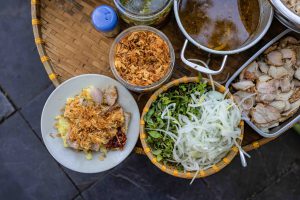
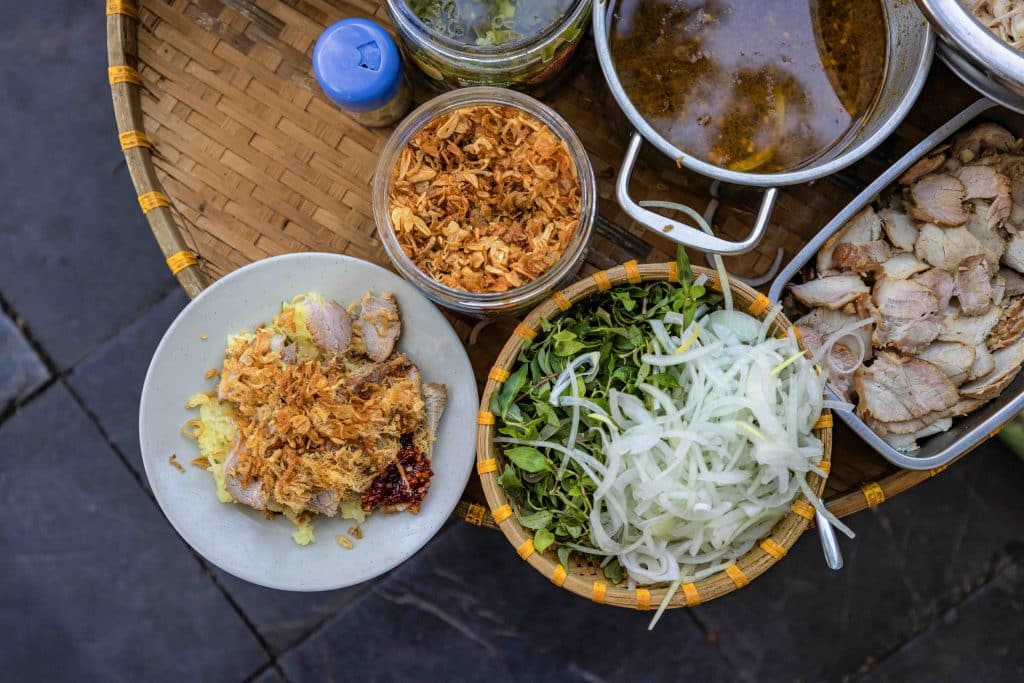
Right in town, Op Village, also known as Plei Op, is a convenient place to see a majestic rong house, explore Jrai traditions, enjoy fireside gong performances, sip local ghe wine, and taste rustic highland cuisine.
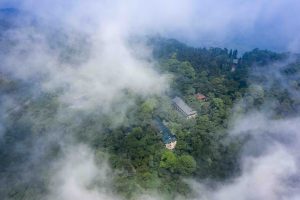
A short drive away lies Bien Ho, famous for its emerald tea hills and rows of century-old pine trees. Early morning mist drifts through the treetops, adding to the quiet charm of late autumn in Gia Lai.
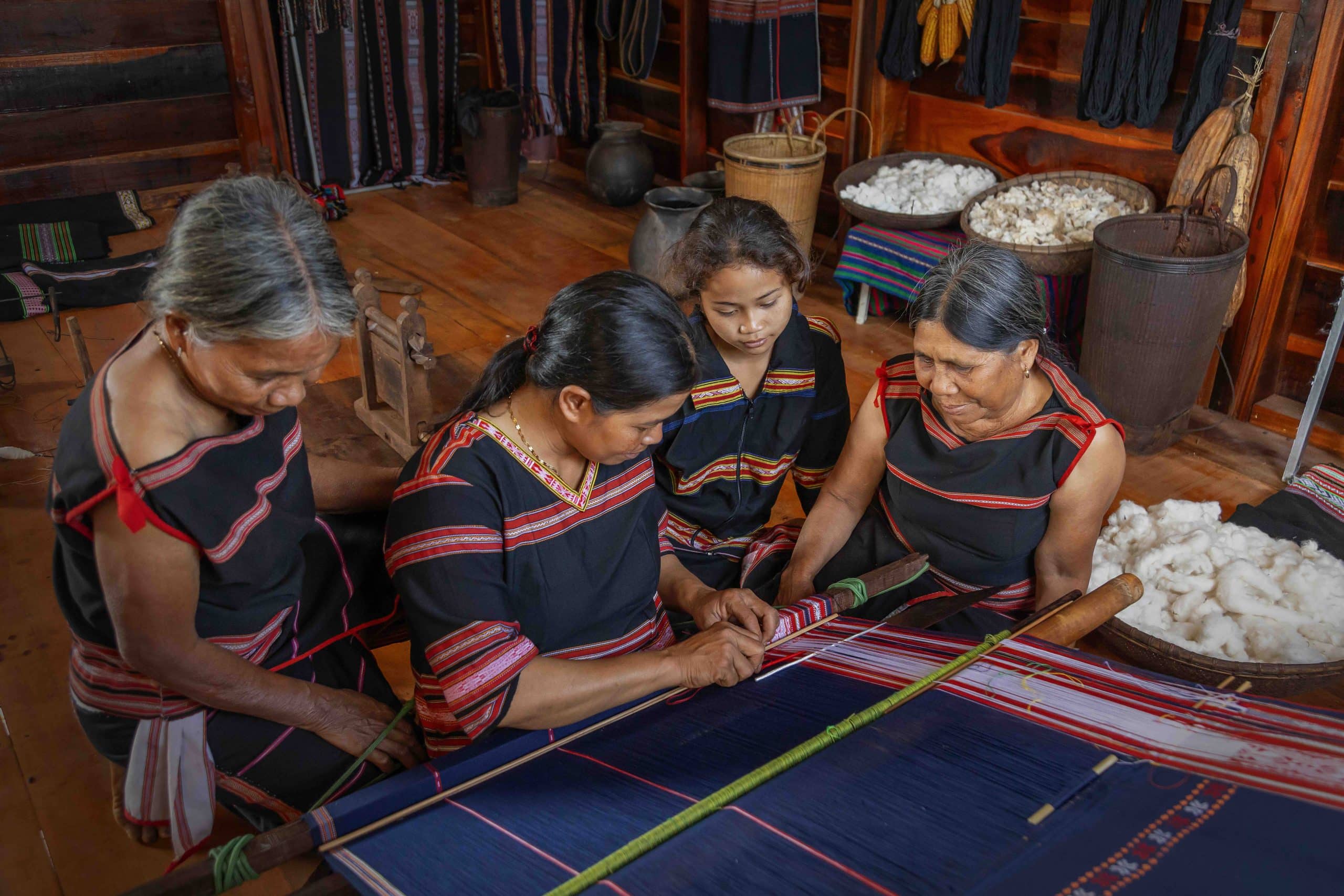
In the community tourism village of Ia Mo Nong, indigenous life comes alive through brocade weaving, basketry, gong tuning, and daily routines around ancestral homes. Here, Jrai gong rhythms are often fast, powerful, and lively, inviting visitors to join the xoang circle in the village square.
Roughly 80 kilometers northeast of central Pleiku, Mo Hra-Dap Cultural Heritage Village offers a different cultural experience: that of the Bahnar people. Surrounded by lush forest, the village preserves traditional stilt houses, the steady thud of wooden pestles pounding rice, wisps of smoke rising from kitchen fires, and the gentle melodies of the ting ning lute. Sipping ghe wine in the communal house, listening to unhurried gong rhythms, and watching young Bahnar women perform fluid xoang dances leave a lasting impression of the region’s heritage.
A gathering of gongs in Gia Lai
In late October, as wild sunflowers start to paint Gia Lai’s hillsides vibrant yellow, the mountain town enters its festival season. The Gia Lai International Gong Festival takes place from October 30 to November 8 across Pleiku, Bien Ho Commune, and neighboring areas. This celebration is a cornerstone of Gia Lai’s National Tourism Year 2026, honoring, preserving, and sharing the living heritage of Central Highlands gong culture with the world.
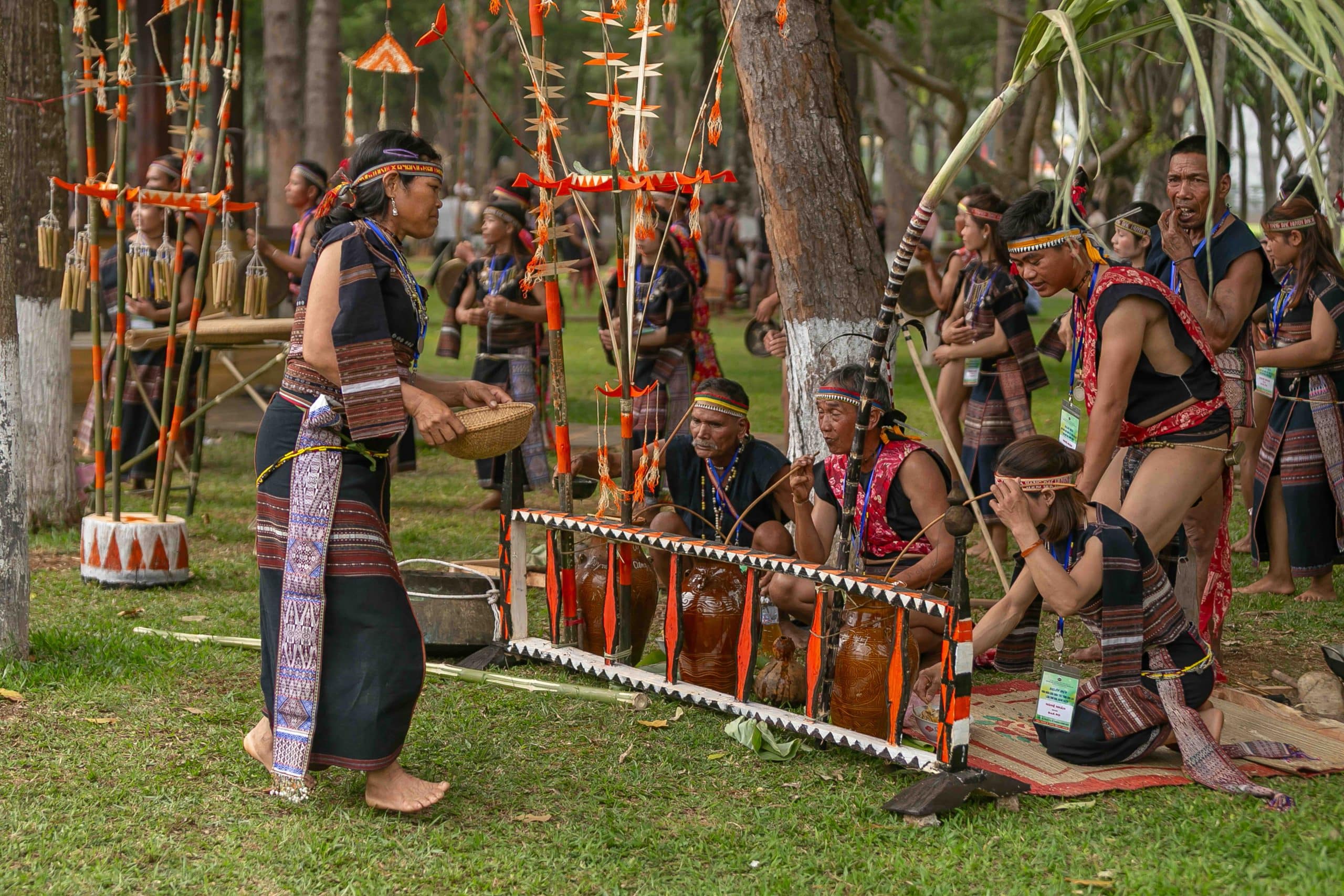
Gia Lai promises to become a grand stage of highland color and expression. Artisans from ethnic minority villages across Vietnam and international delegations will gather, bringing unique gong performances, xoang dances, traditional attire, sacred rituals, and stories from their communities. Along the mountain city’s avenues, from surrounding rural village clearings to the central plaza, visitors can experience gong music steeped in ancestral history and alive with modern energy.
The festival’s centerpiece is the International Gong Festival Gala Night, scheduled for the evening of November 7 in Dai Doan Ket Square in Pleiku. More than a stage show, the festival gives indigenous heritage a chance to move beyond village borders and connect with domestic and foreign visitors through the timeless sounds that have nurtured the soul of the Tay Nguyen Highlands for generations.
The mountain town is eagerly preparing for the festivities. Visit Gia Lai during the festival season to discover the golden hues of wild sunflowers and experience living heritage through the sounds and traditions of this unforgettable region.