
Story: Ngo Hoa Nam
Photos: Nguyen Khanh, Trinh Xuan Tu, Hai Bien
As the rice ripens, gold spreads across the Muong Thanh Basin, linking the fields, villages, and people who have shaped this landscape for generations.
Each autumn, when the skies clear after the last summer rains, the Muong Thanh Basin in Dien Bien glows with the golden hues of ripening rice. Seen from above, the color spreads across the vast fields, blending with the green of the surrounding mountains and the villages scattered in the distance. This is when Muong Thanh reveals its most distinctive beauty: a fertile expanse amid the forests and mountains of northwestern Vietnam, where daily life has long been shaped by the rhythms of the fields and the farming seasons. For many visitors, the rice harvest is not only a time to admire the scenery, but also an opportunity to experience local life.
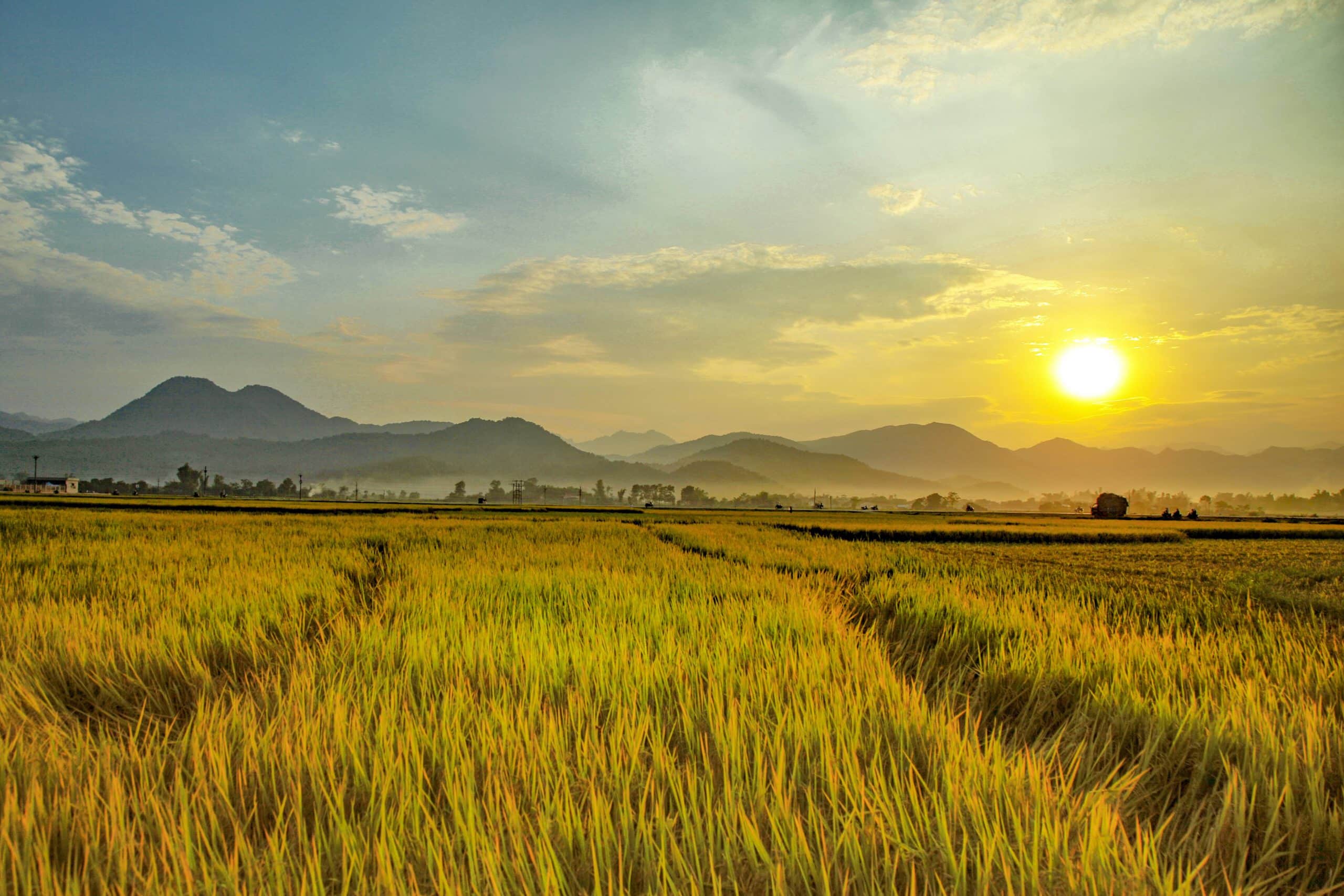
Muong Thanh is known as the largest rice field in northwestern Vietnam. Encircled by green mountain ranges, the paddies stretch across a rare expanse of flat land amid the rugged terrain. During harvest season, the paddies change color at different stages, creating a patchwork of gold, honey yellow, and green from later-ripening rice. The Nam Rom River winds through the basin, and narrow lanes lead to villages and stilt houses tucked beneath trees. Even a light breeze is enough to make the fields ripple like waves.
Favorable natural conditions, combined with generations of farming experience, have made Dien Bien one of the region’s best-known rice-growing areas. For centuries, local people have cultivated the fertile land along the Nam Rom River, producing fragrant, clear-white grains with a soft texture. Dien Bien rice is renowned for these qualities. The golden fields are more than a symbol of the harvest; they also reflect the enduring bond between the people of Muong Thanh and the land.
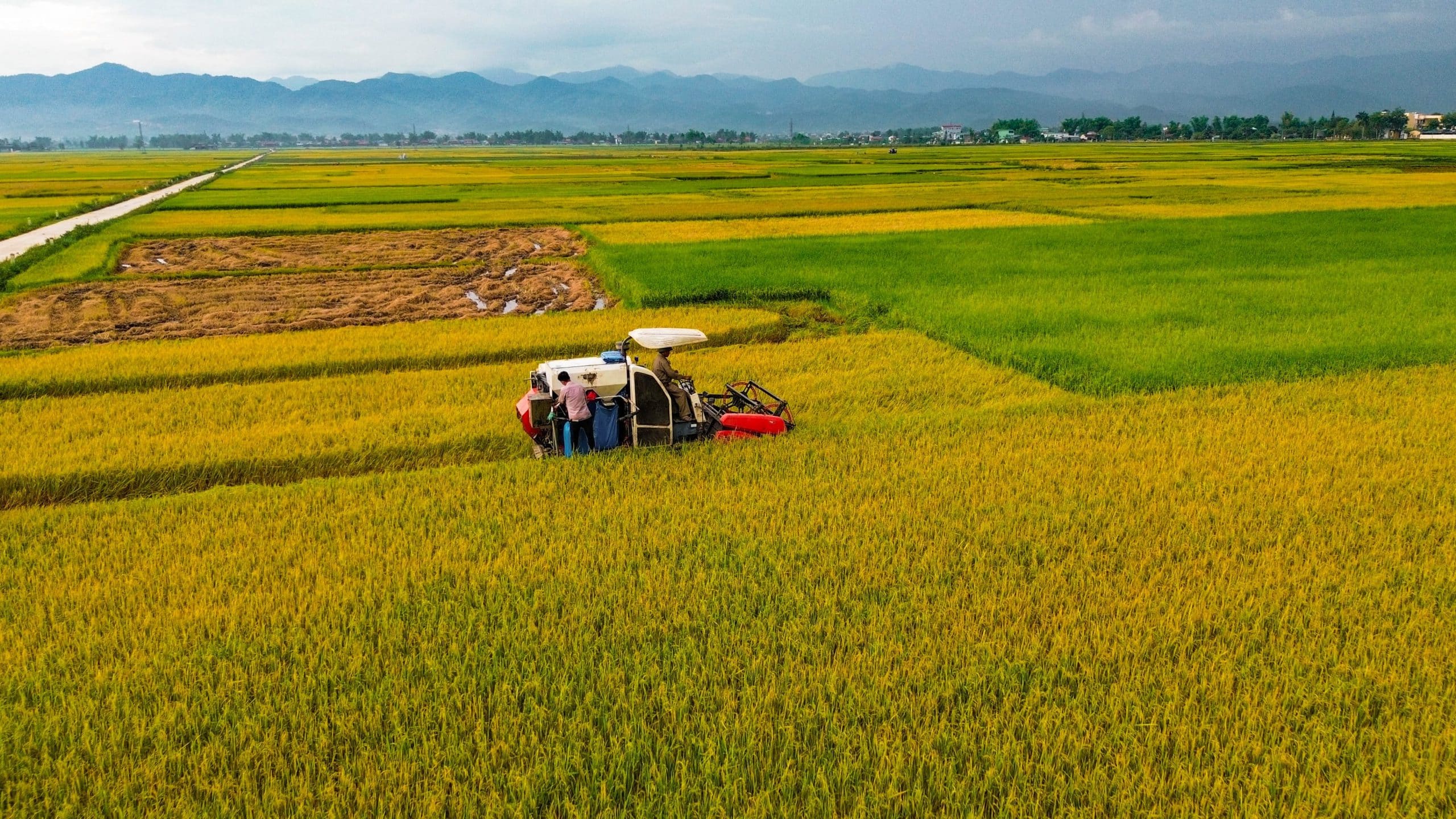
As one travels further along the small roads that cut through the fields, the harvest atmosphere grows more vivid. The rumble of harvesters mingles with voices and laughter; carts laden with rice make their way back to the villages; courtyards fill with freshly harvested rice drying in the sun; and the scent of straw drifts on the breeze. At this time, visitors can encounter authentic scenes of agricultural life in the Northwest, from harvesting in the fields to the routines that unfold after a day’s work.
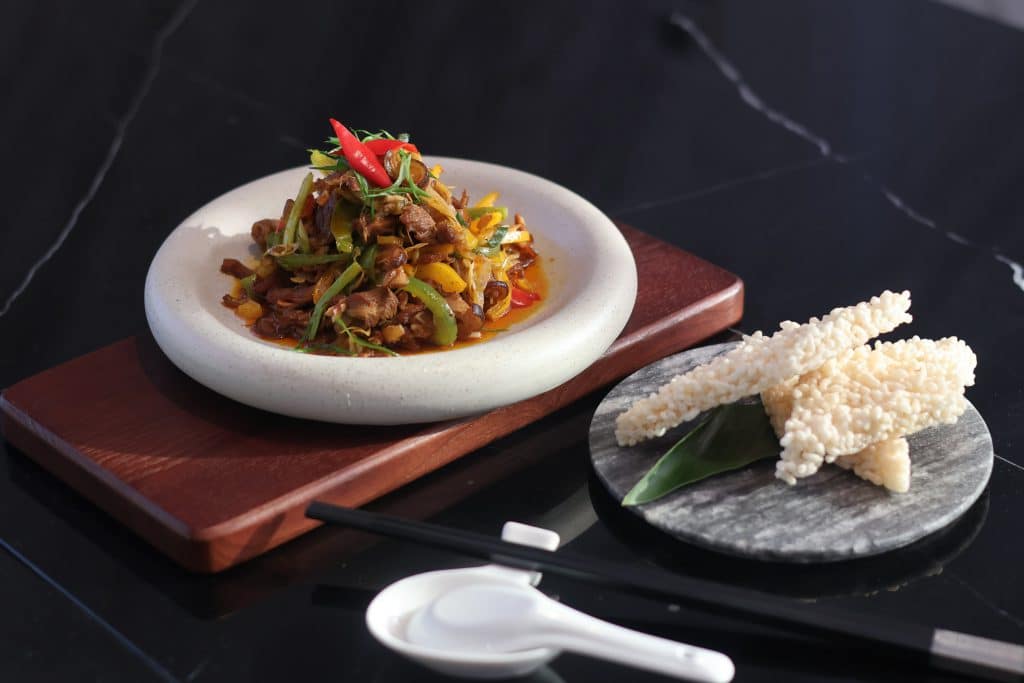
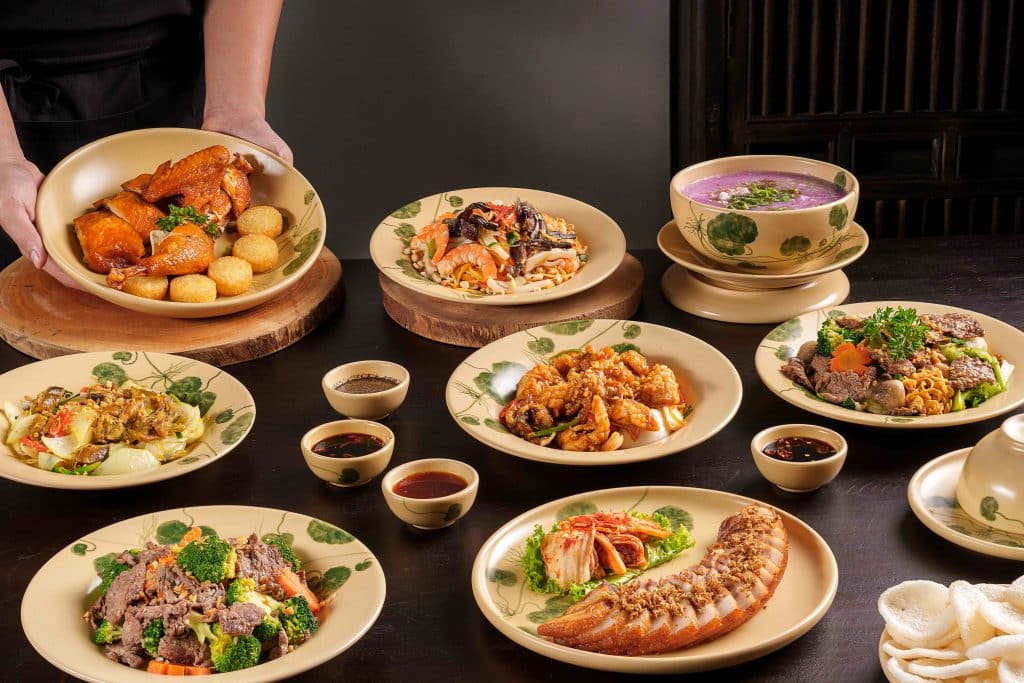
Surrounding the fields are villages of ethnic Thai people and other ethnic communities, creating a rich cultural landscape. Stilt houses face the paddies, while meals of Dien Bien sticky rice, stream fish, and smoked meat add another dimension to the Muong Thanh experience, as do traditional xoe dances in the evening. The rice season is not confined to the fields, but is woven into local homes, cuisine, community life, and the hospitality of the people.
Dien Bien also offers something few destinations can match: just beyond the ripe rice fields lies a network of historical sites associated with the Dien Bien Phu Victory, preserving memories of a defining milestone in Vietnam’s history. Against today’s peaceful landscape, these landmarks add another layer of depth to the journey, allowing visitors to discover not only the scenery, but also the stories of the land and its people.
A visit to Muong Thanh during the rice season leaves travelers with more than photographs of golden fields set against the mountains of the Northwest. What remains is a sense of a place where nature, culture, and everyday life continue to exist in harmony, much as they have for generations. Across the golden basin, Dien Bien appears both peaceful and full of vitality, as each autumn brings fresh glory to this frontier land.