
Story: Ngo Quang Minh
Photos: Shutterstock
Discover Hyderabad, an Indian city where centuries of history, diverse cultures, and living traditions continue to shape daily life.
In southern India, on the Deccan Plateau, Hyderabad unfolds as a city of intriguing contrasts. Centuries-old neighborhoods stand alongside modern technology hubs; Telugu culture meets Persian, Islamic, and European influences; and traditional rituals remain part of everyday life in a city developing at remarkable speed.
Hyderabad is the capital of Telangana and one of southern India’s largest cities. According to the 2011 Census, it ranked among the country’s most populous urban centers, while various estimates put the population of the Hyderabad metropolitan area at more than 10 million by 2025. Its urban landscape has also continued to expand, showing that Hyderabad is no longer simply a heritage city, but has become a major national center for business, technology, and services.
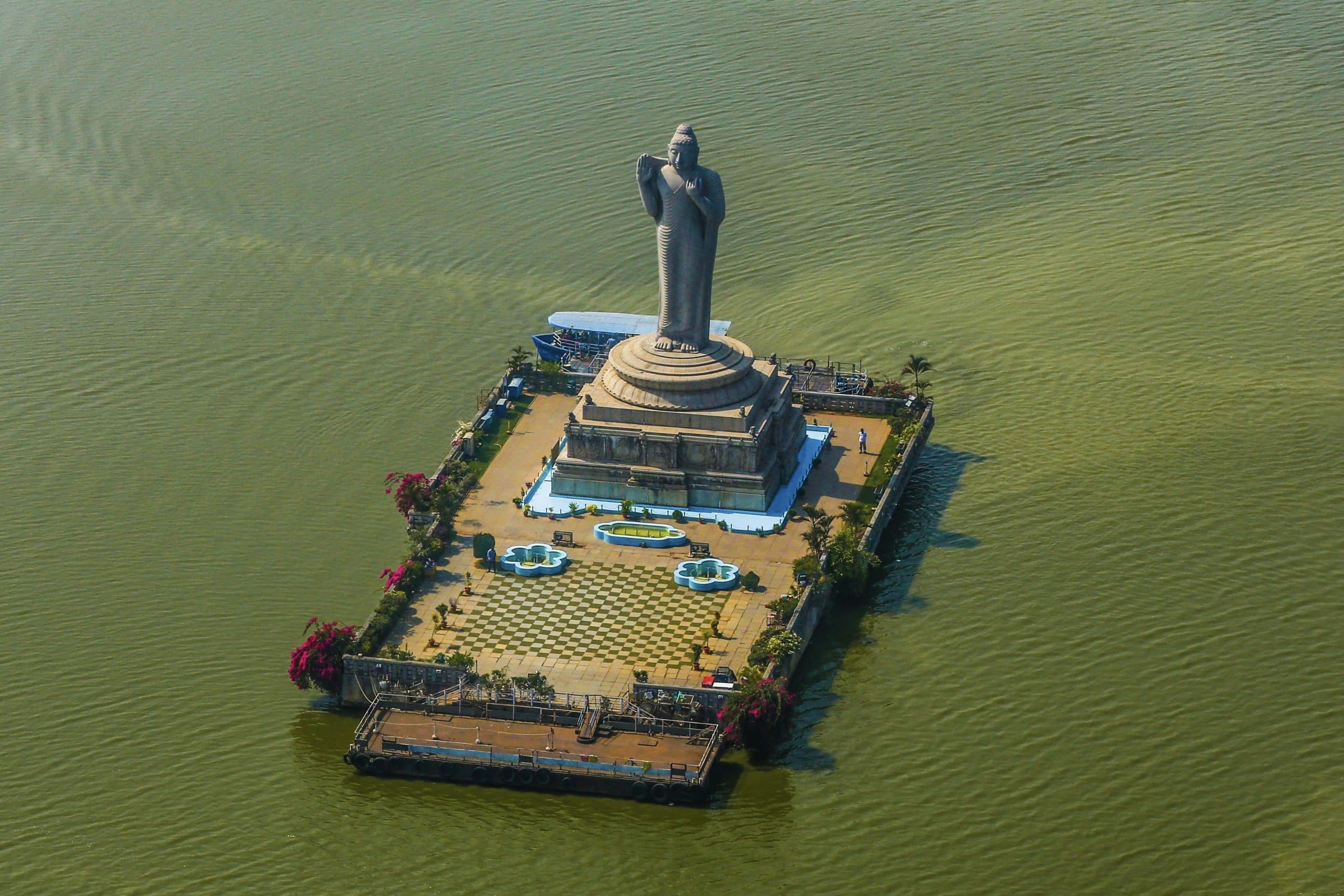
A natural contrast
Hyderabad’s first impression often comes from its contrasts. In the west, areas such as HITEC City and Madhapur show the city’s modern face, with office towers, shopping centers, hotels, and a large community of technology professionals. This is “Cyberabad,” where the growth of the information technology industry has helped establish Hyderabad as one of India’s prominent IT hubs.
Yet as you travel toward the older quarters, the rhythm quickly changes. Narrow streets, family-run shops, street vendors, tea stalls, women in colorful saris, and men in traditional dress create an entirely different atmosphere. Visitors can begin the day among high-rises and end the afternoon in a centuries-old market. This transition is part of Hyderabad’s character: rather than choosing between past and future, the city allows the two to coexist.
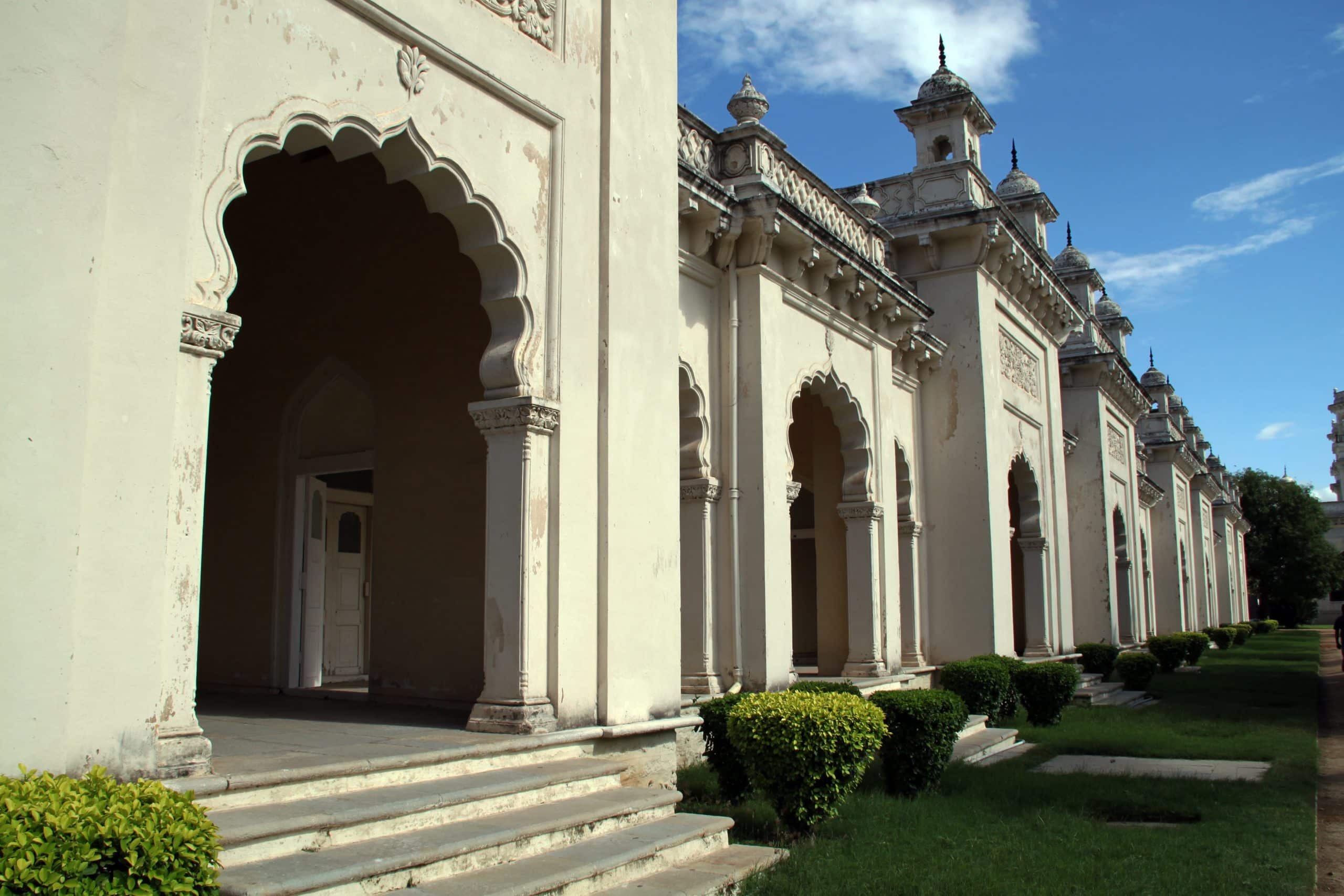
Hussain Sagar Lake – a breathing space in the city
One of the best places to experience Hyderabad’s everyday rhythm is Hussain Sagar Lake. Built in the mid-16th century during the reign of Ibrahim Quli Qutb Shah, the lake lies amid densely populated urban districts, creating a broad open space between streets and residential neighborhoods.
At its center stands a 16m-high statue of Gautama Buddha, one of the city’s distinctive landmarks. In the late afternoon, visitors encounter a more relaxed side of Hyderabad: residents taking walks, families resting by the water, groups of young people chatting, and the last sunlight shimmering across the lake.
This is not the site of grand rituals or elaborate ceremonies. Instead, the simplicity of everyday life around the lake, with the Buddha statue rising at the heart of a multi-faith city, adds a quiet note to Hyderabad’s diverse and harmonious spiritual landscape.
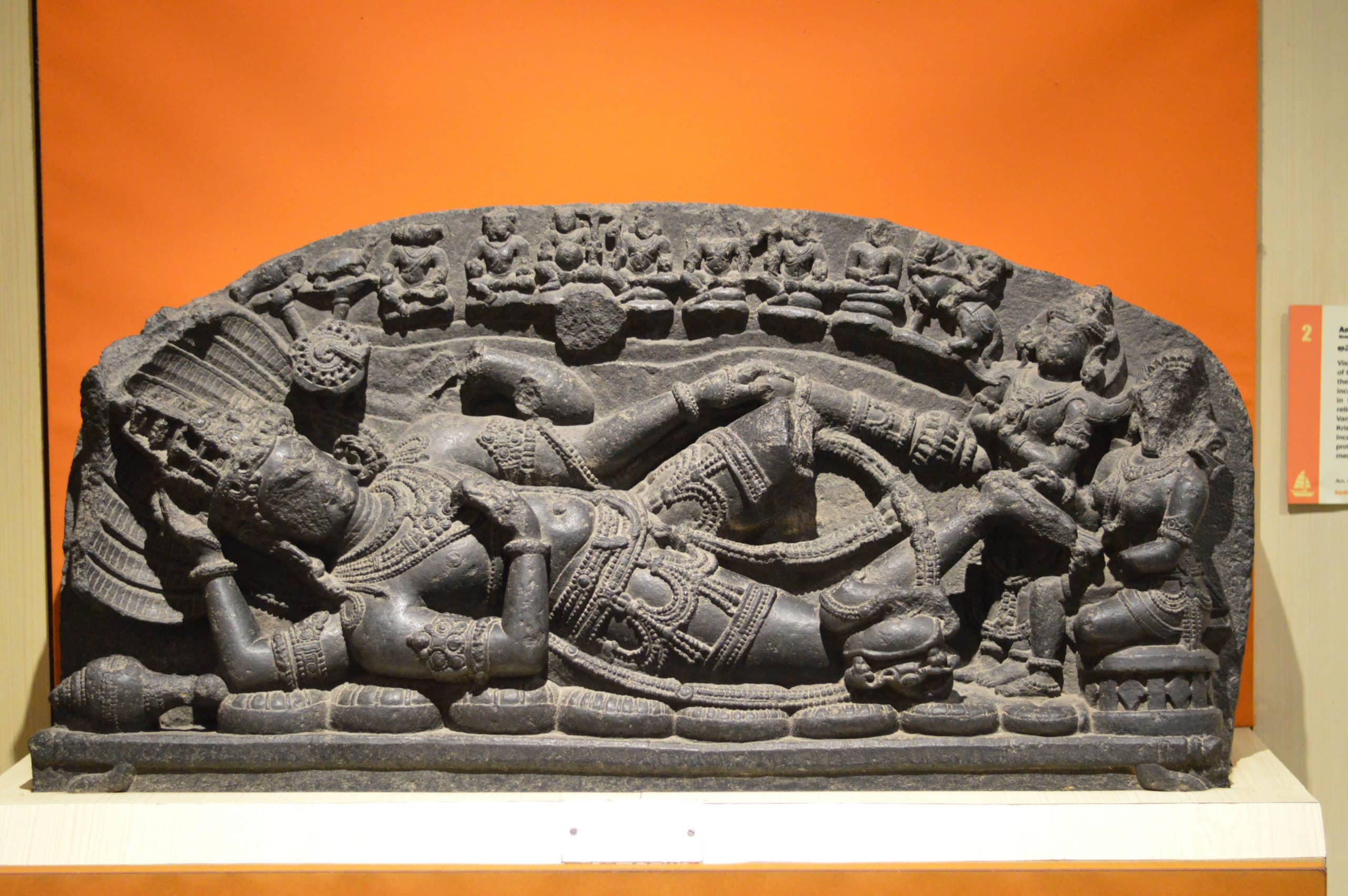
Chowmahalla Palace – a legacy of the Nizams
If the city’s forts evoke periods of conflict, Chowmahalla Palace draws visitors into a different world – the refined courtly life of Hyderabad’s legendary Nizams.
The name Chowmahalla combines “chow,” a variation of “char,” meaning “four,” with “mahal,” meaning “palace.” The complex includes four palaces, built over more than a century.
Important royal ceremonies and court activities once took place here. The grandeur of the palaces’ halls, corridors, and elaborate interiors offers a vivid glimpse into the life of Hyderabad’s former aristocracy.
The blend of cultures revealed in the site’s architecture and decoration is especially fascinating, as Islamic and Persian influences mingle with Western elements. This also reflects Hyderabad itself: outside influences were not simply copied, but gradually adapted and absorbed over time, becoming part of the Deccan’s distinctive identity.
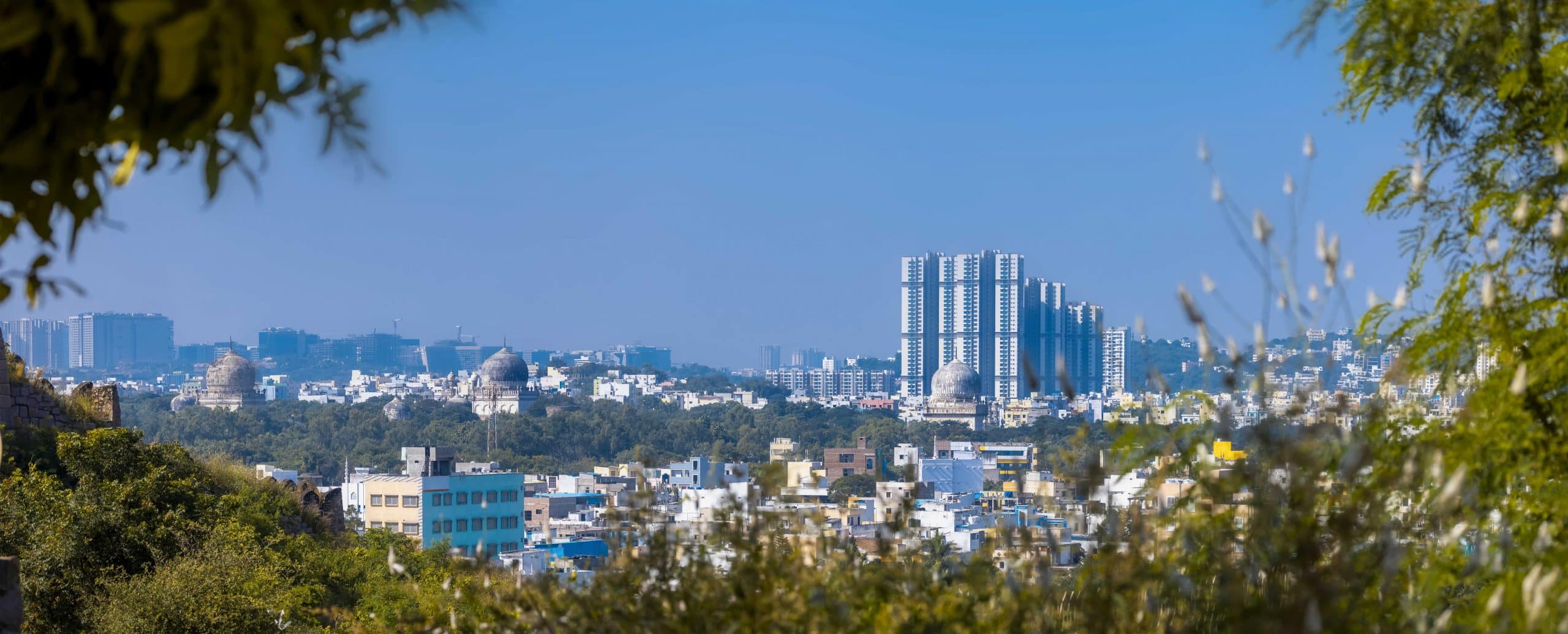
Discovering Hyderabad through its collections
Another destination offering a broader perspective on the city is the Salar Jung Museum. Its collection includes more than 8,000 manuscripts, 60,000 printed books, and 46,000 works of art, including paintings, sculptures, decorative objects, antique clocks, and other items once used by the aristocracy. Together, they reflect Hyderabad’s historic role as a major center of trade and a meeting point for Asian and European artistic and cultural traditions.
Among the museum’s most admired works is The Veiled Rebecca, a marble sculpture of a young woman draped in a delicate veil. Created in 1863 by Italian sculptor G.M. Benzoni in the Neoclassical style, the work is often described as a “melody in marble” for its extraordinary artistry.
Carved from a single block of marble, the sculpture creates the remarkable illusion of a translucent veil draped over the figure, its delicate folds rendered entirely in stone. It depicts Rebecca from the Hebrew Bible modestly covering her face when she first meets Isaac, her future husband. The work evokes innocence, virtue, and feminine purity.
Hyderabad may be known for its architectural heritage, pearl markets, and celebrated cuisine, but its greatest appeal may lie in the many layers of culture that continue to coexist. Hinduism, Islam, and diverse outside influences have shaped a city that is both pluralistic and harmonious.
The “City of Pearls” is defined not only by the gems displayed behind glass. Its true treasure lies in a cultural spirit that has endured through centuries of change, preserving a shared identity in which the past lives alongside the present.
Please visit www.vietnamairlines.com for more information and details of special offers.