Story: Luu Quang Pho
Photos: Phan Huy, Nguyen Trong Cung
Towering peaks, drifting clouds, and traditional villages define the landscape of Lai Chau, a mountain region where cultural heritage remains part of everyday life.
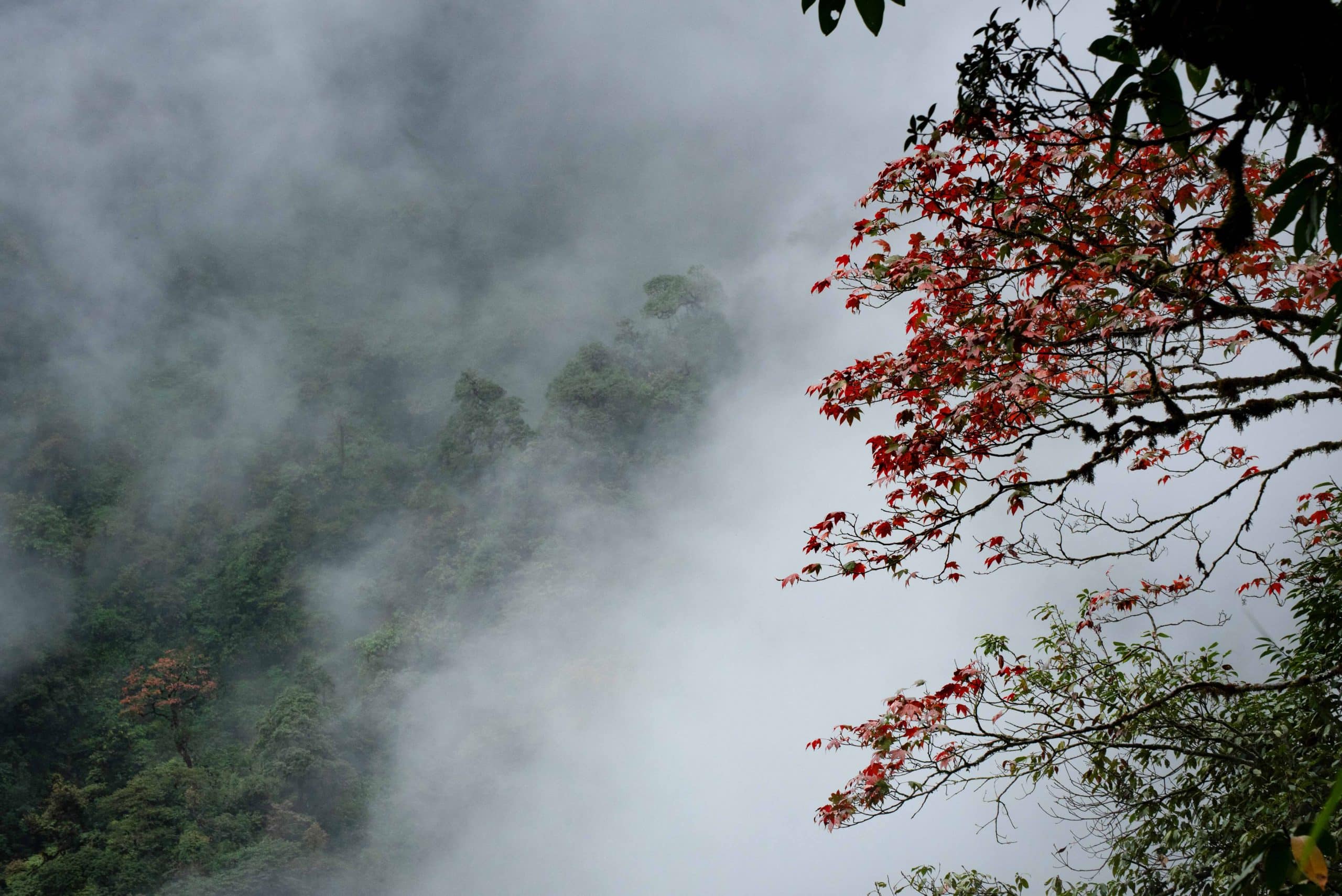
I woke as the coach entered Lai Chau and looked out the window, surprised. Beyond the winding mountain roads, a well-planned urban area suddenly appeared in the valley, surrounded by green mountains and drifting white clouds.
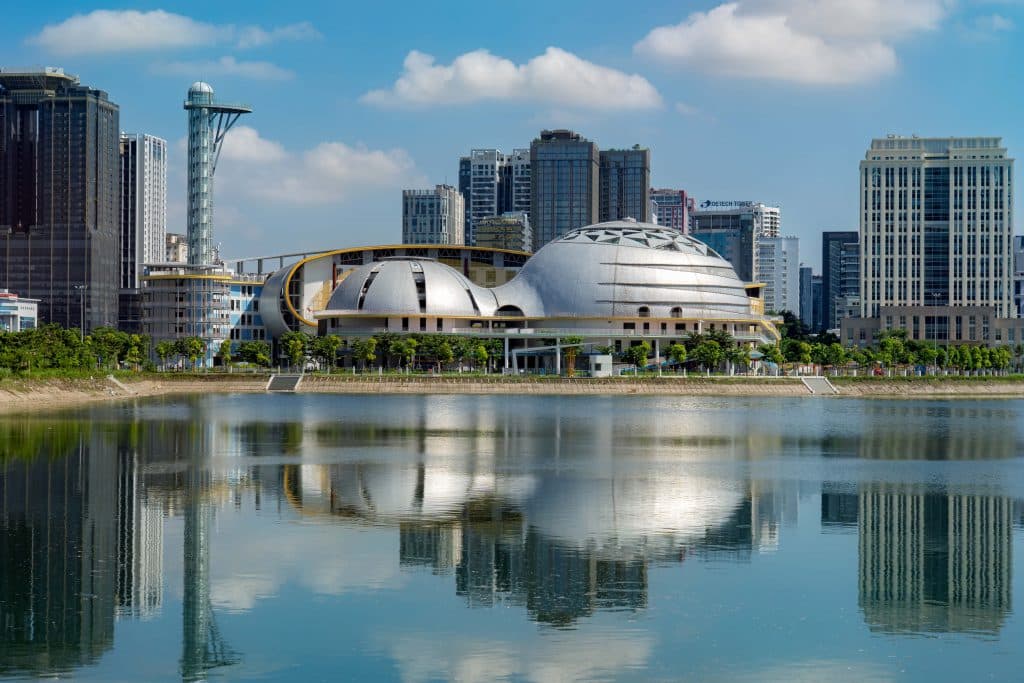
At an elevation of around 1,000 meters, Lai Chau City has the open, airy character of a mountain town. Its broad streets are neatly laid out around lakes, parks, and green spaces. Traffic is minimal; instead, birdsong carries through the trees. Following the administrative merger, the city is now divided into Tan Phong and Doan Ket wards.
While the urban landscape offers a sense of ease, the surrounding mountains reveal an entirely different world, majestic, unspoiled, and challenging. Seven of Vietnam’s ten highest peaks are located in Lai Chau: Pu Si Lung, Pu Ta Leng, Bach Moc Luong Tu, Phan Lien San, Ta Lien Son, Po Ma Lung, and Chung Nhia Vu. Each has its own appeal: Bach Moc Luong Tu is renowned for its sea of clouds, Ta Lien Son for its fairytale-like forests, and Pu Ta Leng for the brilliant rhododendrons that bloom each spring.
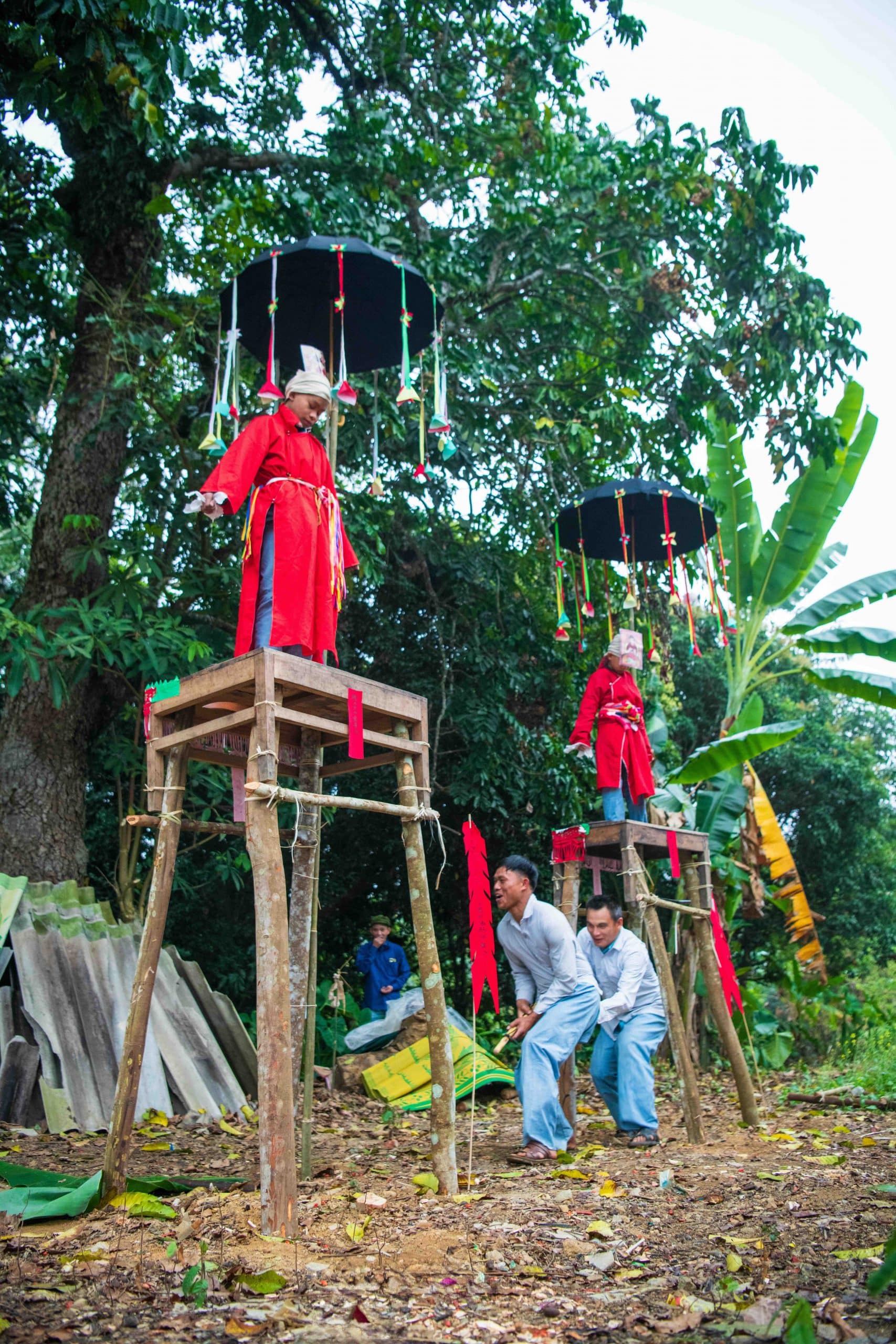
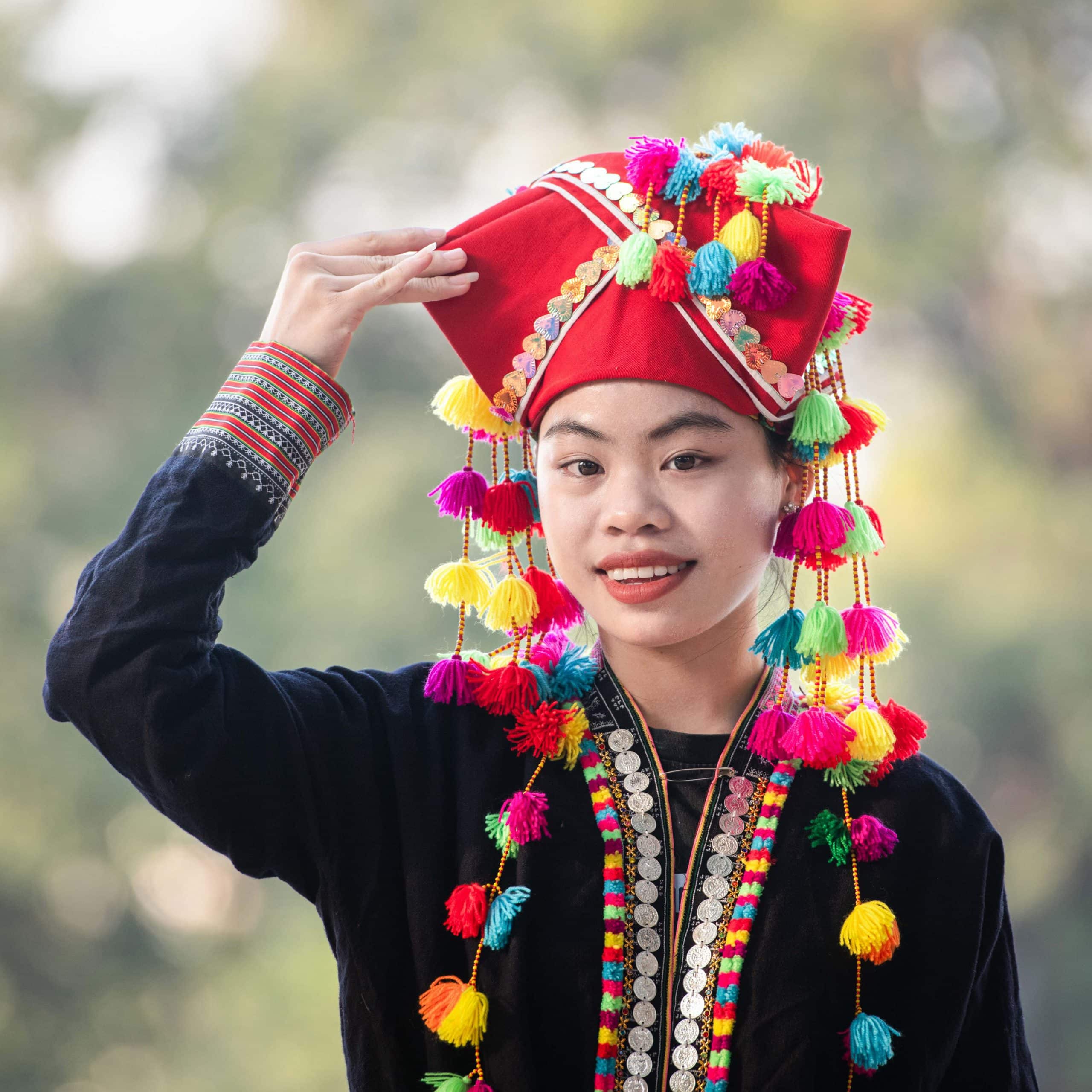
Lai Chau is also home to 20 ethnic groups, creating a rich and diverse cultural landscape. Stilt houses and rammed-earth homes, the intricate attire of the Thai and Lu, and the vibrant costumes of the Ha Nhi and Mong, along with customs, festivals, and traditional crafts passed down through generations, are not confined to museums but remain parts of daily life, keeping the region’s heritage alive.
In addition to the Then practice of the Thai ethnic group, recognized by UNESCO as an Intangible Cultural Heritage of Humanity, Lai Chau is home to eleven forms of national intangible cultural heritage: Xoe dances, tug-of-war games, the Nang Han Festival, the Then Kin Pang Festival and Thai culinary arts; the Dao coming-of-age ceremony and traditional healing knowledge; the Mong Gau Tao Festival; Lu weaving; the Xa Nha Ca performances and Ha Nhi Xoe dancing. Together, these traditions create Lai Chau’s distinctive cultural identity, which local communities continue to preserve and pass down.
On this trip, we spent a cool summer night in Sin Suoi Ho, traveled to the upper reaches of the Da River to visit the Le Loi Stele, and continued to Thu Lum, also known as Hoai Lai Ancient Stele, to pray for good fortune at a sacred white rock revered in Ha Nhi beliefs.
Our journey then took us to Tan Uyen and Than Uyen, where we bathed in hot springs and stayed at a homestay amid pine forests. We also met Lo Van Soi, a master Then singer and tinh lute player, and watched his students perform. As the sound of the instruments echoed through Cang Muong Village, I came to more fully appreciate this vital heritage more fully, which continues to be sung, played, and passed down to younger generations.
Lai Chau’s cuisine is another memorable part of the journey. Rich grilled fish, fragrant dried meat, sticky purple rice, and naturally sweet boiled bamboo shoots all reflect the flavors of the mountains and forests. I was particularly impressed by San Thang Night Food Market, where visitors can sample a wide variety of dishes from local ethnic communities, including Giay-style pho served with raw sweet leaf, an unusual yet delightful combination.
Perhaps Lai Chau’s greatest appeal lies in how nature is woven into everyday life and culture. The mountains, unfurling clouds, villages, and traditional melodies come together to create a vibrant living heritage in the highlands.
Whether traveling from Sa Pa to Mu Cang Chai or vice versa, take the turn toward Lai Chau at Binh Lu Junction. Surrounded by towering mountains, villages, and seemingly endless seas of clouds, it is easy to see why this place is known as “where clouds meet heritage.” The landscape lingers in memory long after the journey ends.