Story: Nguyen Phuoc Bao Dan
Photos: Nguyen Hai
From ancient relics to living traditions, the O Lau River reveals the enduring cultural soul of central Vietnam.
For many centuries, the O Lau River has borne witness to the coexistence and cultural harmony of the Viet and Cham communities. Through their interactions, elements of their cultures gradually intermingled, becoming an inseparable part of life in the villages that have long drawn sustenance from the river.
A river linking lands rich in heritage
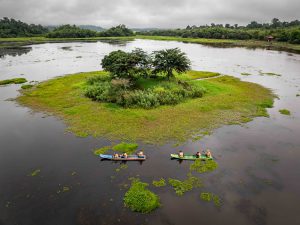
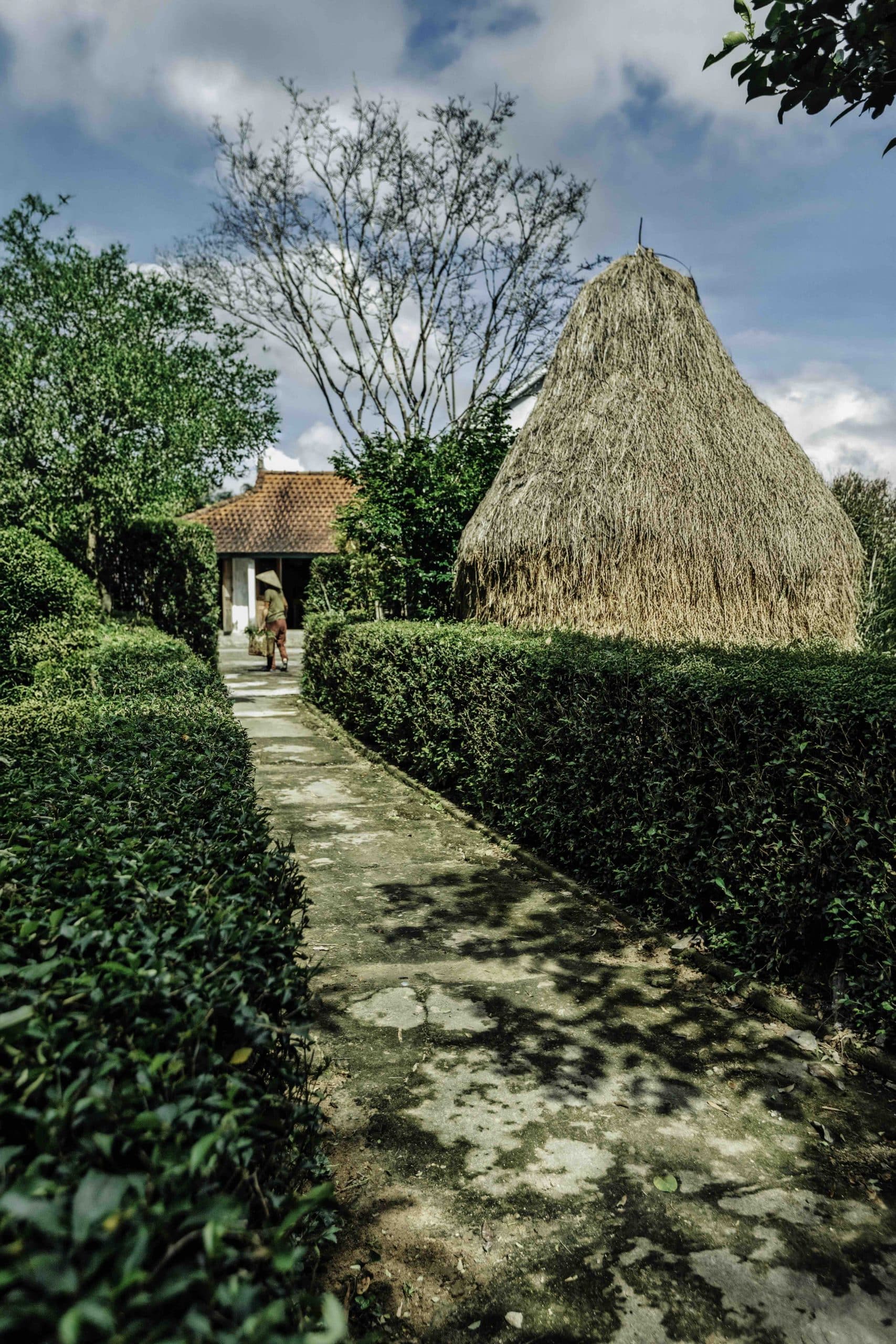
The “knock-knock” sound of fishermen tapping the sides of their boats in the early morning mist signals the beginning of a new day. A vivid scene unfolds as bamboo rafts drift downstream from the upper reaches. Nha ruong (traditional wooden houses) stand quietly by the river. A man kneads clay and shapes pottery. A woman patiently weaves grasses into a mat. Farther downstream, fishing nets hang slack in the morning sunlight, nimble hands mend nets in Rao Village (Van Trinh), an old farmer shoulders his hoe to reinforce the banks of his fields, and children hurry to drive buffaloes out to the fields. Together, these images paint a colorful picture of a fairy-tale river.
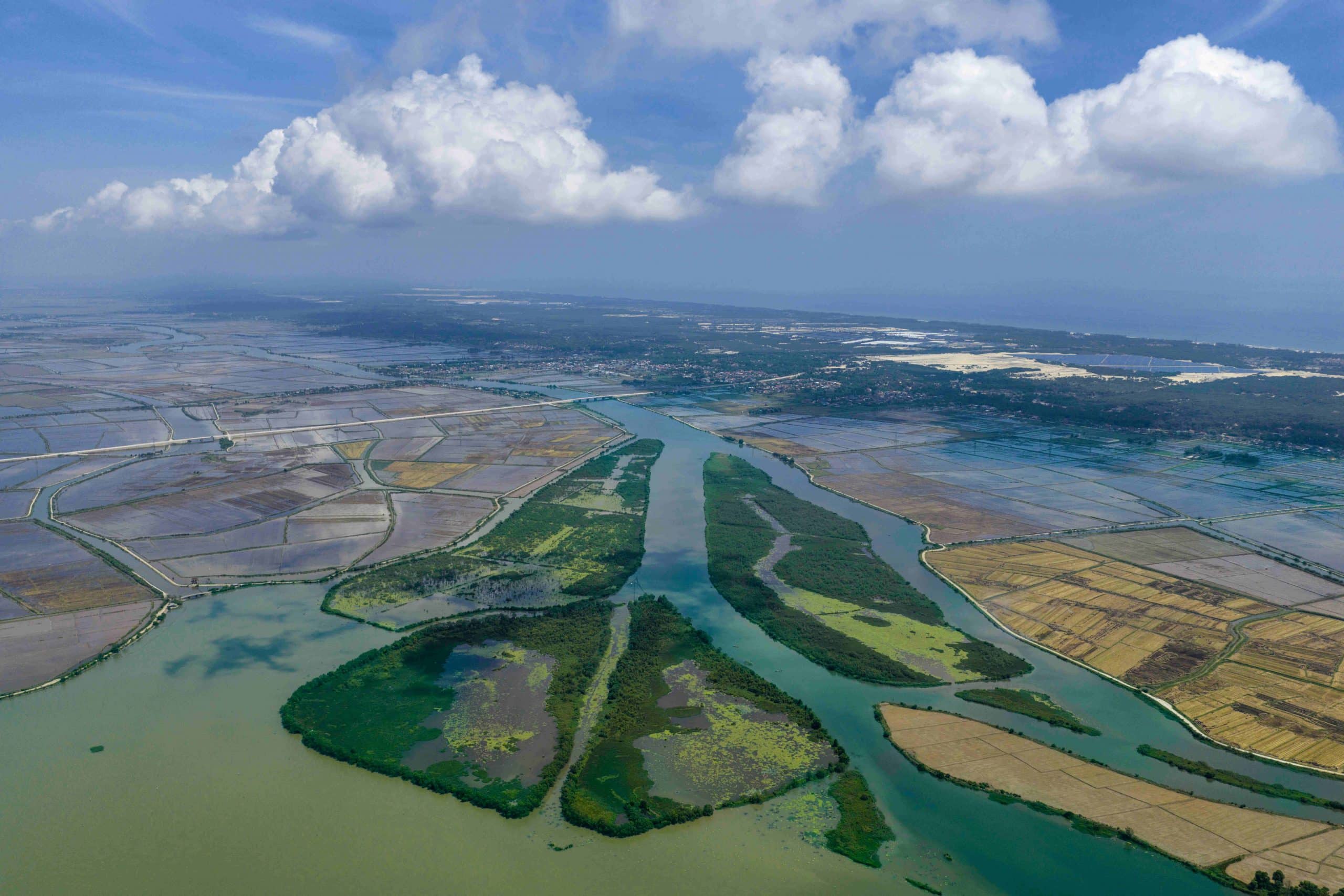
Not especially long, with a main course of around 66 kilometers, the O Lau rises from small streams deep in the Truong Son forests. The river changes direction many times, as if wishing to carry its cool, life-giving waters to every village before merging with the vast Tam Giang Lagoon at Cua Lac.
Peaceful though it may seem, a boat journey along the river reveals an ever-changing landscape. Beyond clumps of ivory bamboo, houses, carpentry workshops, pottery kilns, communal houses, pagodas, and temples appear and disappear in turn, creating the feeling of traveling through a succession of landscapes rich in heritage.
Ancient villages – cultural touchpoints
Along the boundary between Hue City and Quang Tri Province, a journey along the O Lau from west to east – or in the opposite direction – takes visitors through villages rich in history and cultural depth. These are also waypoints to many fascinating stories.
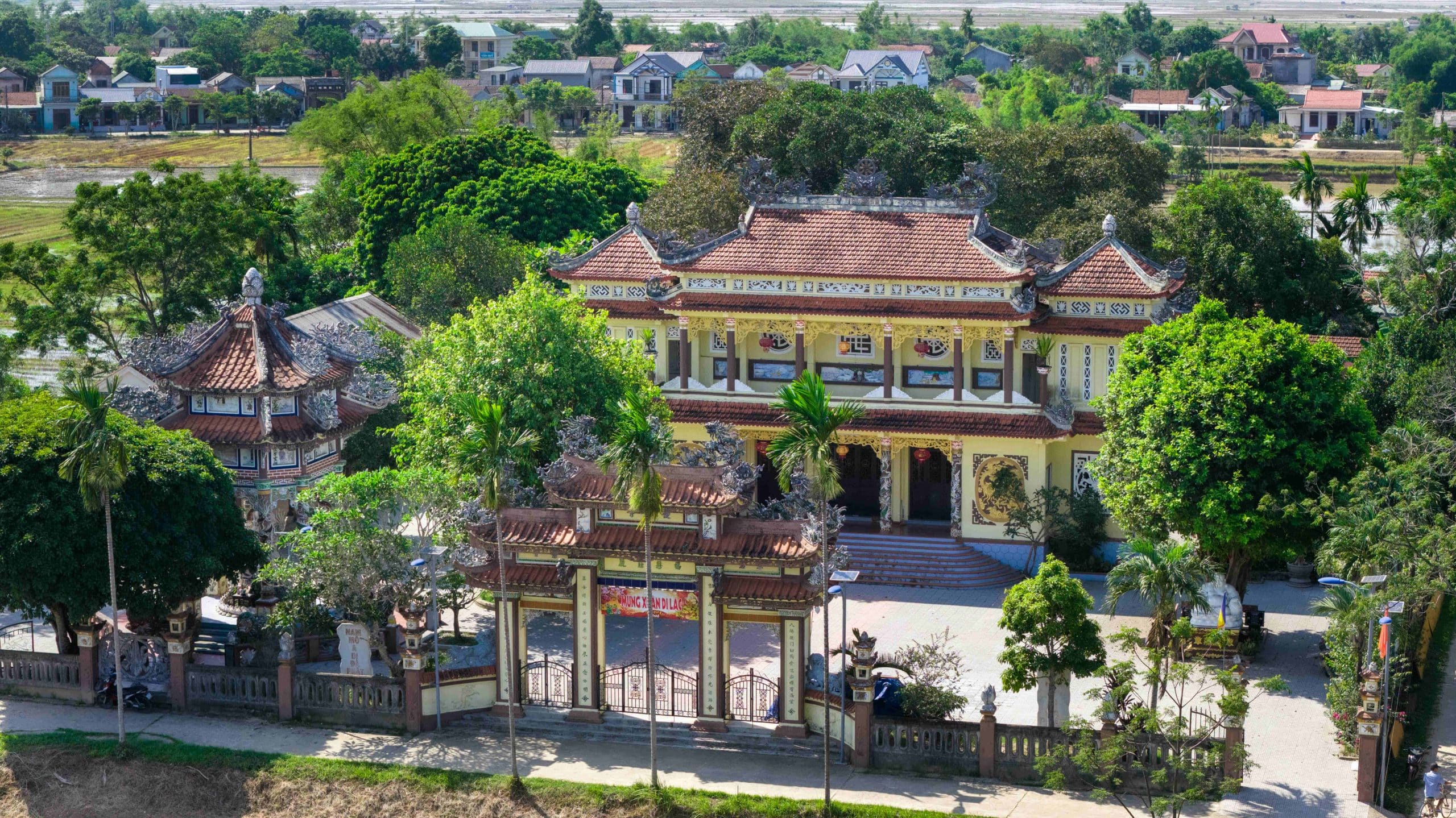
From the ancient thi (gold apple) tree and Quang Te Temple, with its representative 9th-19th century Cham linga-yoni sculptures, to door pillars and decorative fragments above doorframes from ruined temple-tower sites scattered along the riverbank in Phuoc Tich Village, traces of the past remain along the O Lau. In My Xuyen Village stands an Eight-Armed Lady Buddha statue modeled after Lakshmi. In Trach Pho Village, a linga is worshipped in Mieu Ba (Lady Shrine). At Uu Diem Pagoda, the Siva-Uma relief depicts the wedding procession of the god Siva and Parvati to sacred Mount Kailasa, while a rich collection of Champa relics continues to recall the culture that once flourished on this land. The yoni pedestal at The Chi Tay communal house is another such remnant. By approaching and contemplating these artifacts, visitors can discover the region’s deep layers of history.
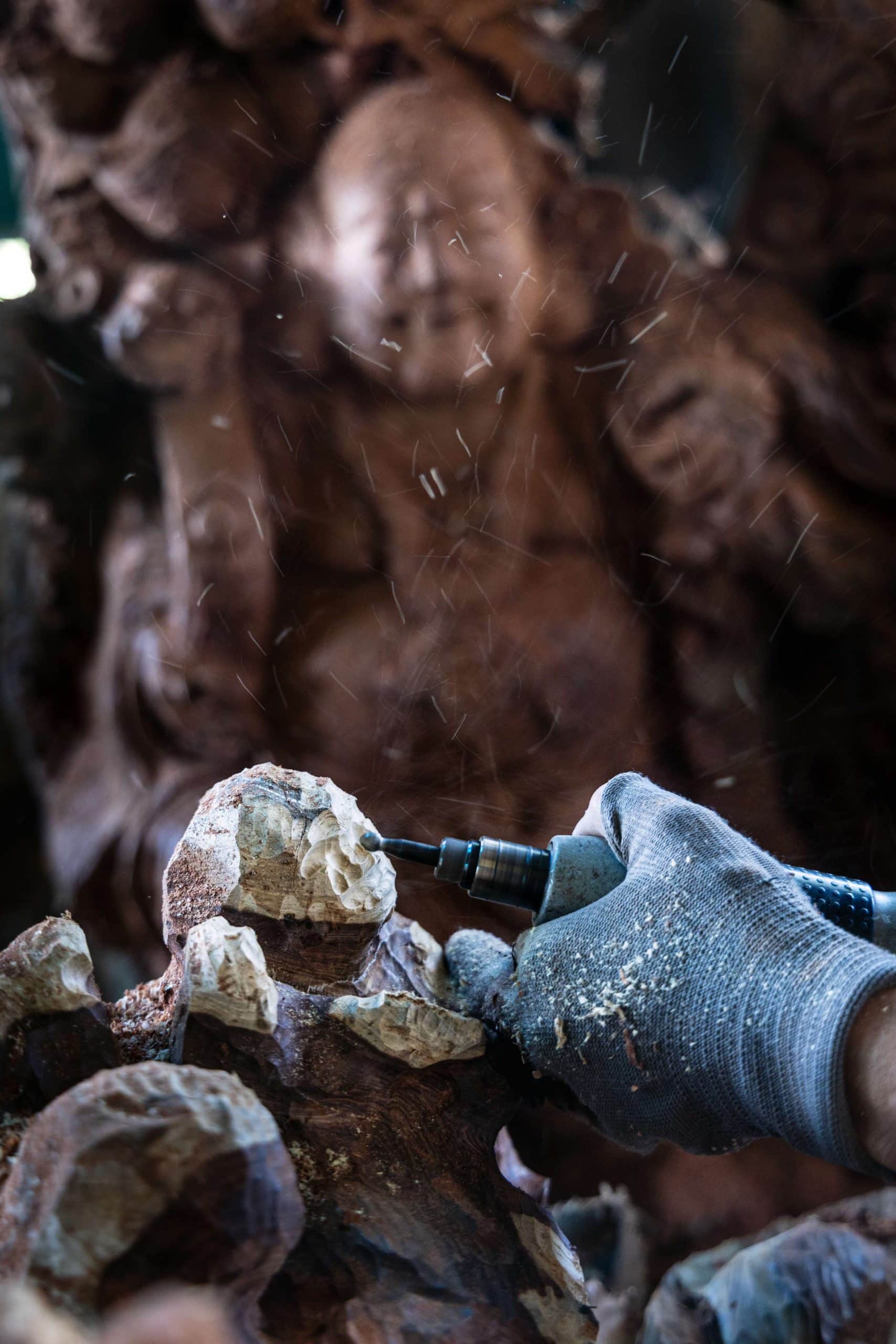
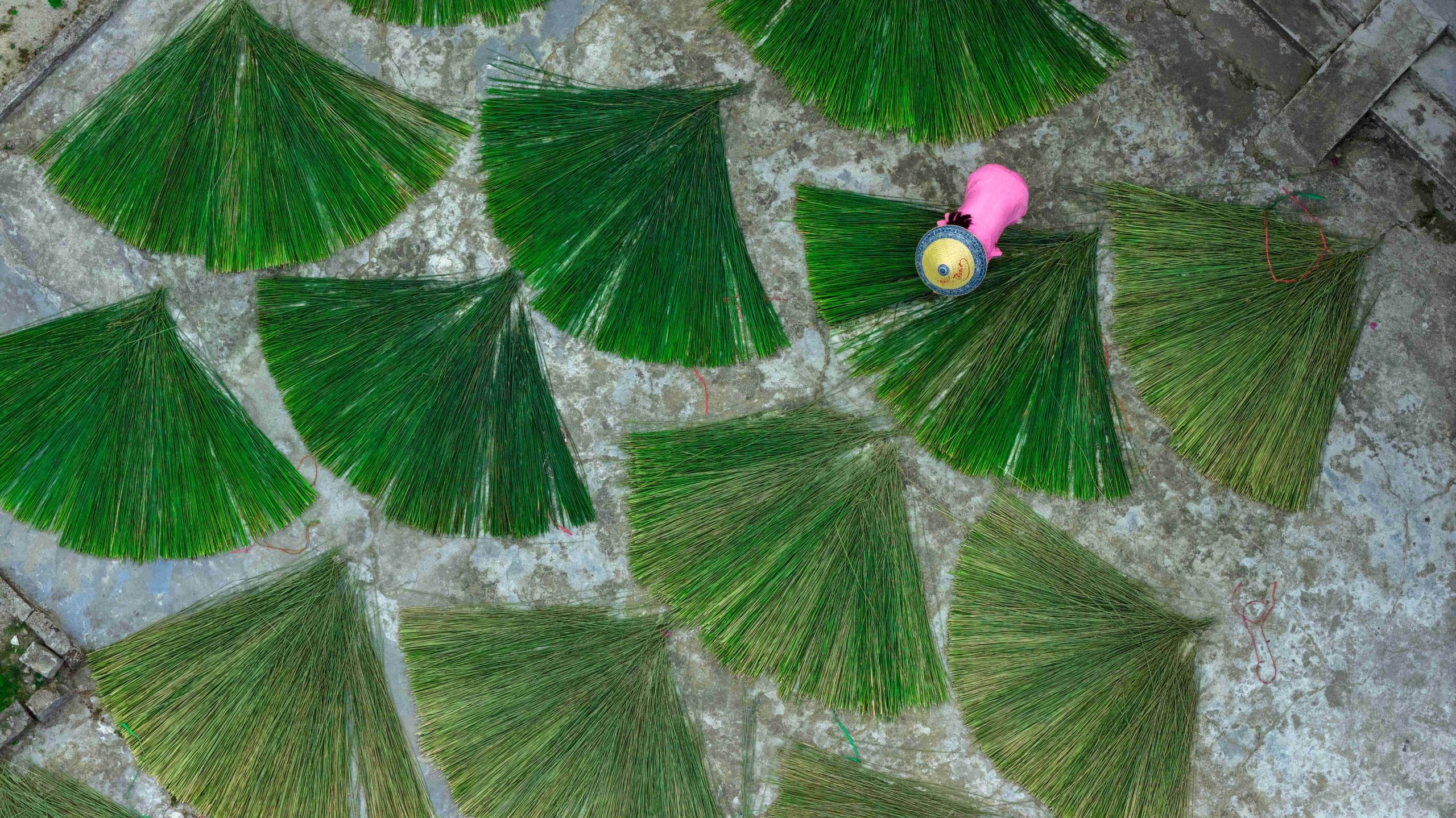
When exploring traditional crafts, one may discover the exquisite wood carvings of My Xuyen and Hoi Ky, where artisans’ skilled hands have helped shape the soul of many nha ruong houses in Hue. In Phuoc Tich Village, pottery vessels once woven into daily life evoke a rustic, warm quality. Under the discerning eye of the “fire keeper,” each completed kiln firing produces familiar household objects for families, such as lu (large jars), ang (basins), hu (pots), trinh (earthenware vessels), and thong (large earthenware jars). Once essential, they have now become intriguing souvenirs. From the grass growing in the area, local people also weave mats for summer use and make other eco-friendly products, such as conical hats, other hat styles, and handbags.
For those wishing to experience the villagers’ gratitude and communal spiritual life, the second, third, and eighth lunar months are the ideal times to visit. During these months, festivals honoring craft ancestors, village rites commemorating pioneers and early settlers, and ceremonies praying for abundant harvests are held with reverence and vibrant color.
The ceremony honoring the pottery ancestor of Phuoc Tich Village recalls the legend of Ong Dooc, the founder of the craft, who was said to have an unusual appearance. He came to teach pottery, then shouldered his bag and departed. Later, in his memory, the villagers named one pottery product dooc. Nearby, in My Xuyen Village, a festival honoring the ancestors of carpentry and inlay work is also held with deep gratitude.
Unforgettable local flavors
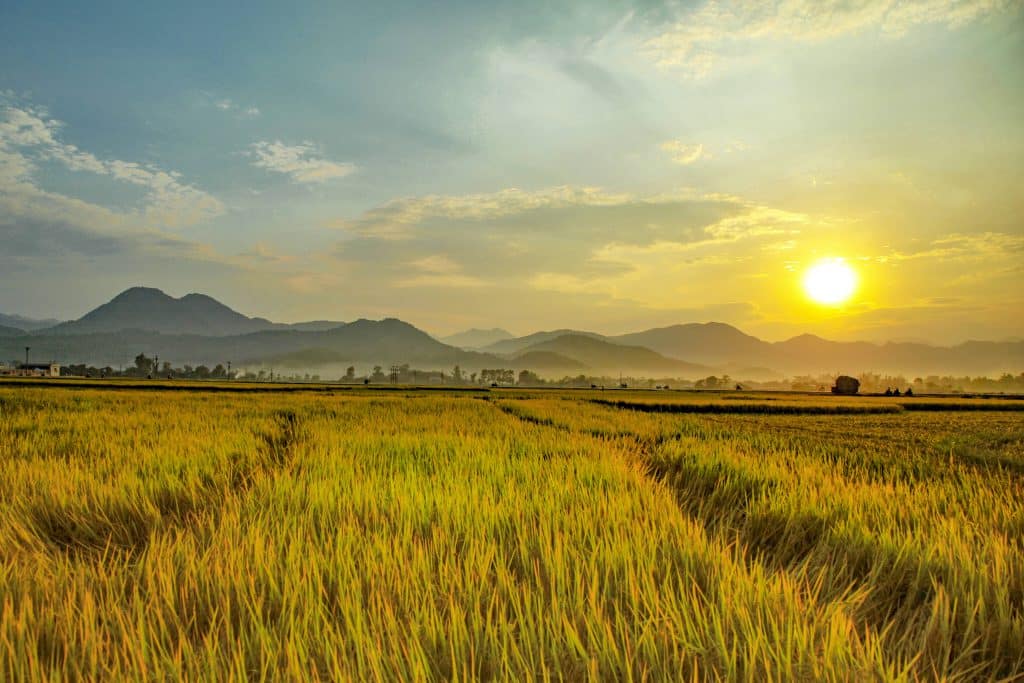
Above all, the rustic local cuisine of these ancient villages makes many travelers reluctant to leave. From grains cultivated on the riverside alluvial flats, skillful women make bong cay, nhan sam cakes, and many other humble dishes. From cassava flour, river-caught aquatic products, or simply jackfruit and figs from their home gardens, they create foods that embody the soul of Hue.
Allow yourself, at least once, to attend the ritual at Mieu Ba in Trach Pho Village on the third day of the third lunar month. The sea bass and che khoai mai (wild yam sweet soup) – the two offerings that must be present – reveal an ancient desire to connect human beings with the natural world.
Discover the layers of ancient Southeast Asian culture that live on in the land of O Lau.