
Story: Nam Hoa
Photos: Heritage Photo Tour – Hue
Beyond imperial monuments, Hue invites visitors to discover the beauty of its living traditions.
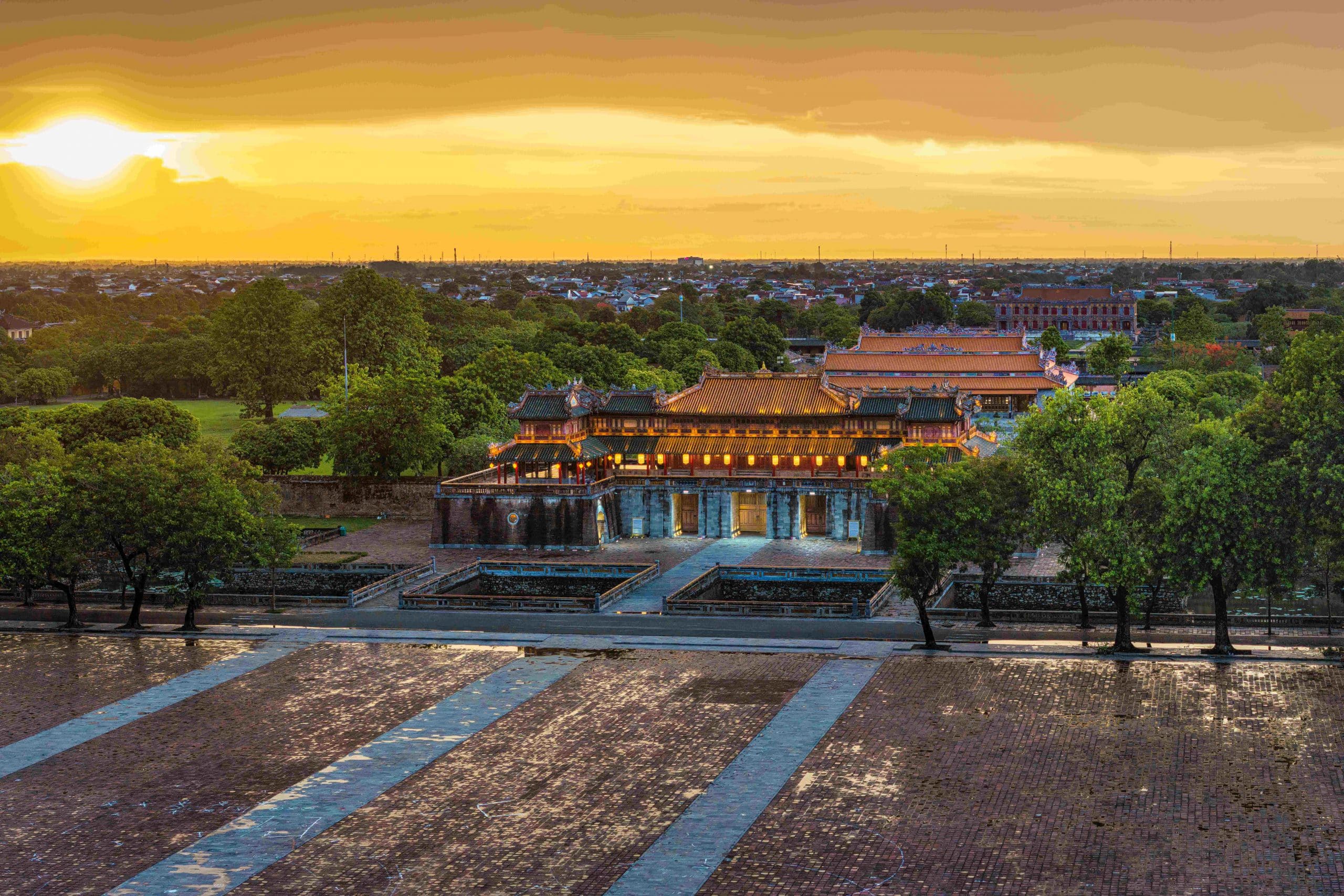
There are places that make you want to slow down and truly take them in. Hue is one of them. Over four days on the Heritage Photo Tour – Hue: Living with Heritage – I came to realize that the city’s heritage lives not only in its centuries-old monuments but also in the rhythms of everyday life and in the people who quietly preserve and pass on the cultural legacy of their forebears.
The pulse of the imperial city
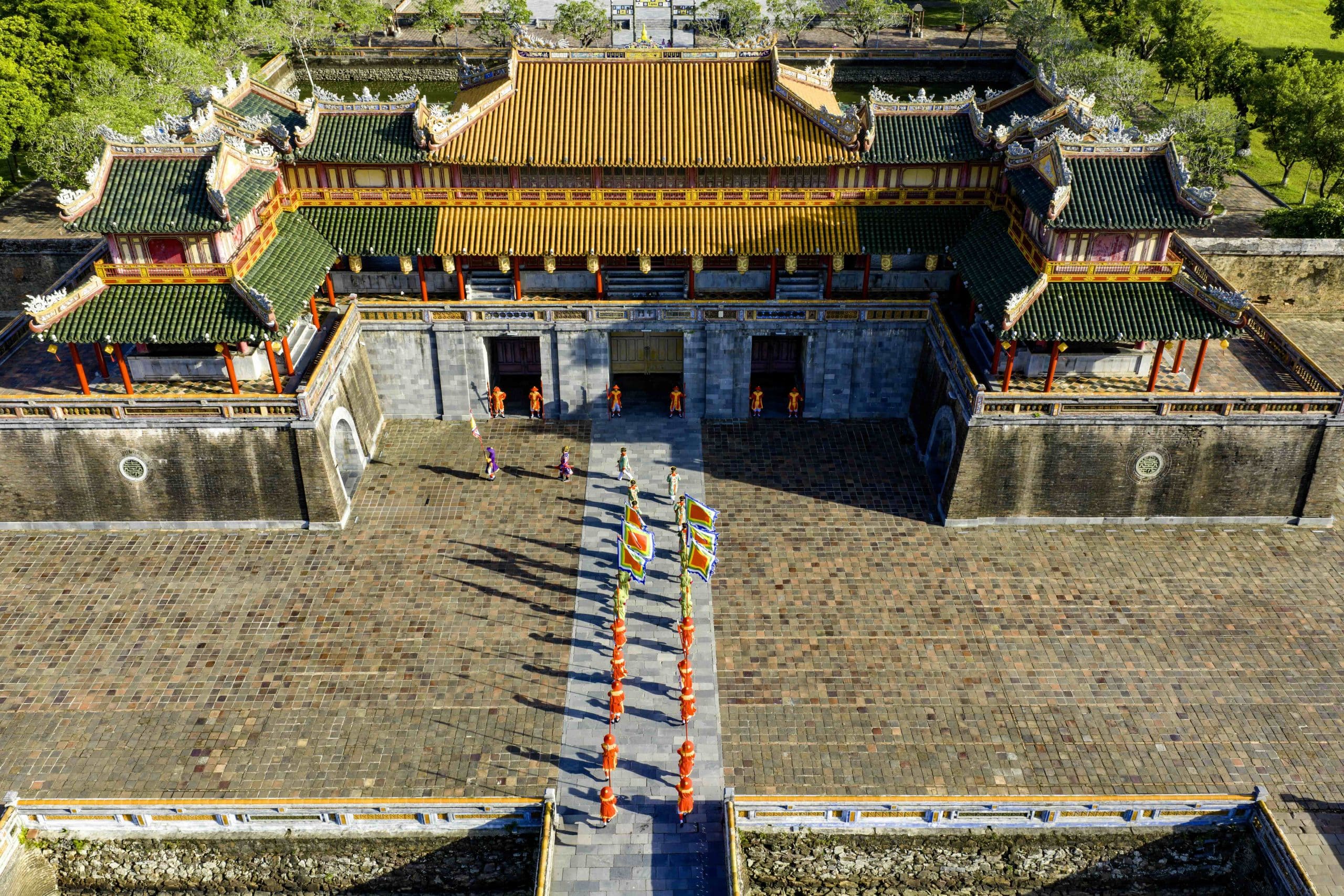
The journey’s most enduring impression was the thoughtfully staged re-creation of courtly culture – solemn enough to convey its grandeur, yet evocative enough to inspire those behind the camera.
At dawn on our first morning, just as sunlight touched the tiled roofs of the Imperial Citadel, we were already at Thai Hoa Palace to photograph a reenactment of an imperial court audience. In the soft morning light, the brilliant hues of the ceremonial robes stood out against the timeworn stone courtyard, while the newly restored palace seemed to awaken from a long slumber. A reenactment of the changing of the guard followed, the soldiers’ measured, purposeful footsteps seeming to draw past and present closer together.
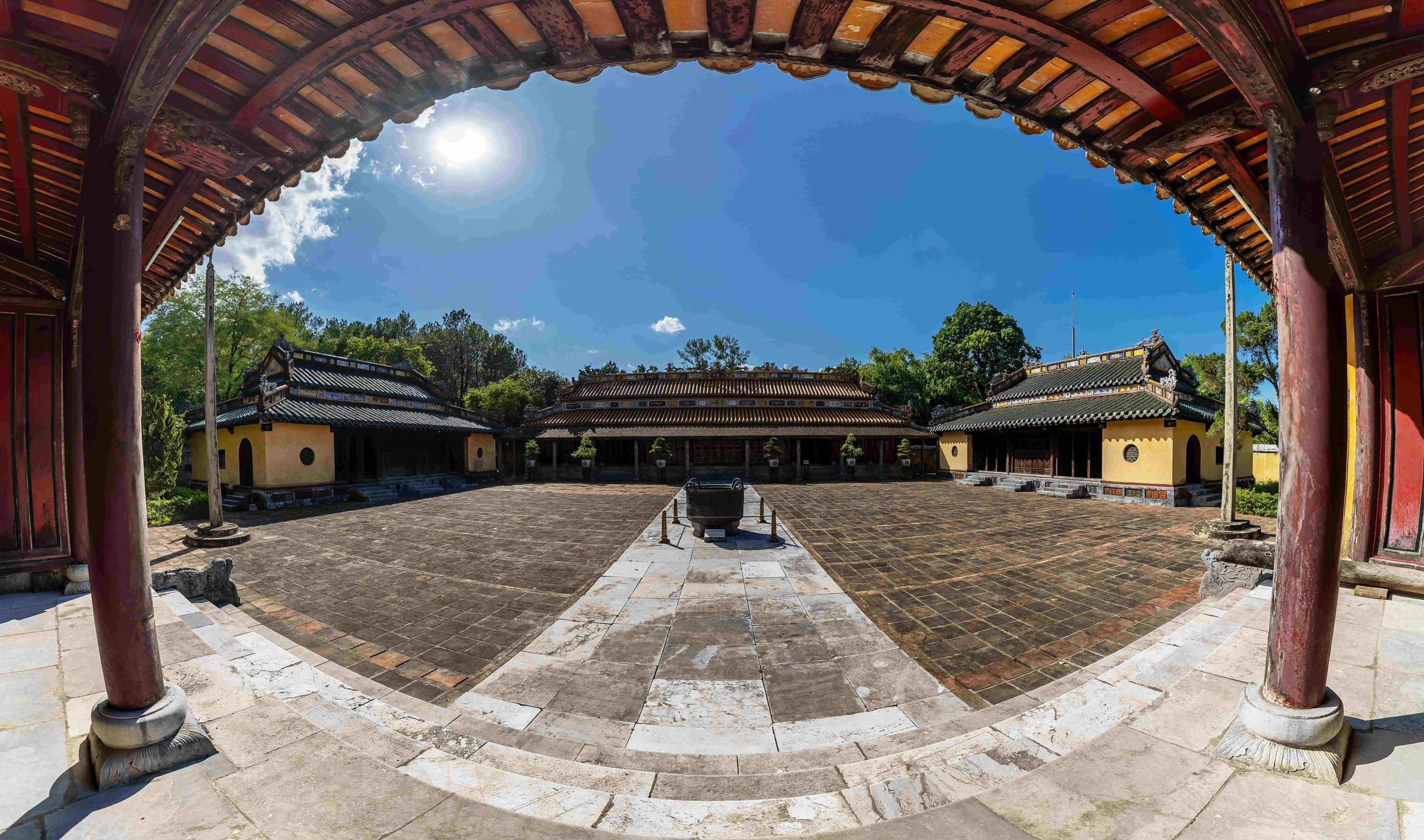
Our journey then took us to the imperial tombs, each with its own distinct character. Gia Long Tomb invited quiet contemplation amid pine forests, blending harmoniously into its tranquil surroundings. Khai Dinh Tomb, by contrast, stood out for its intricate porcelain mosaics, while the play of light across its architectural details posed an intriguing creative challenge for photographers. Dong Khanh Tomb was serene and understated, like a quiet pause along the journey.
Against these historic backdrops, visitors dressed in ao nhat binh, ao ngu than, or classic Hue ao dai in white or purple did more than provide striking visual accents. They forged a natural connection between people and place, giving each photograph greater depth, authenticity, and emotional resonance.
At night, Duyet Thi Duong came alive with nha nhac and royal court opera, while the melodies of ca Hue – Hue’s traditional chamber music – floated across the misty Perfume River. As sound, light, and architecture merged, heritage was no longer confined to the past, but became a living part of the present.

Much more than monuments
While the imperial sites inspired a sense of solemnity, the unassuming details of daily life revealed another side of Hue.
Pre-dawn starts at three or four in the morning were never a hardship when the reward was sunrise over Quang Loi Lagoon or Chuon Lagoon. Mist still hovered above the water, while lines of fishing weirs – bamboo stakes and nets set across the lagoon – stretched like delicate brushstrokes against a slowly brightening sky. Fishermen worked steadily, lifting their nets and lowering their traps; it was precisely this familiar rhythm of labor that created some of the journey’s most vivid and life-filled images.
At Thanh Toan Tile-Roofed Bridge, a different scene unfolded. Artisans patiently stitched Van The conical hats beneath the old bridge, while a lively village market bustled in the early morning. These were simple, unassuming scenes, yet, set beside the courtly spaces of the day before, they added another layer to a fuller picture of Hue. Heritage lives not only in citadels and royal tombs but also in traditional crafts, everyday life, and the way people preserve what might seem entirely ordinary.
Hue’s distinctive flavors were woven through the journey. A steaming bowl of beef bone noodle soup after a dawn shoot, banh khoai with fish enjoyed right by the market at Chuon Lagoon, or court dishes prepared with meticulous care all reminded me that cuisine, too, is part of the city’s heritage. Each dish is not only there to be savored, but also to tell the story of the land it came from.
The journey left me with a fuller appreciation of Hue. In the former imperial capital, tradition still lives in every ritual, melody, dish, and rhythm of daily life, as well as in the people who quietly preserve and pass it on from one generation to the next. Like the others in our group, I felt we had not merely observed Hue’s traditions, but had truly lived alongside them.