Story: Vu Quynh Loan
Photos: Amachau
Beyond its majestic lake and mountains, Na Hang reveals a rich cultural world of ancient rituals, spiritual traditions, and close community ties.
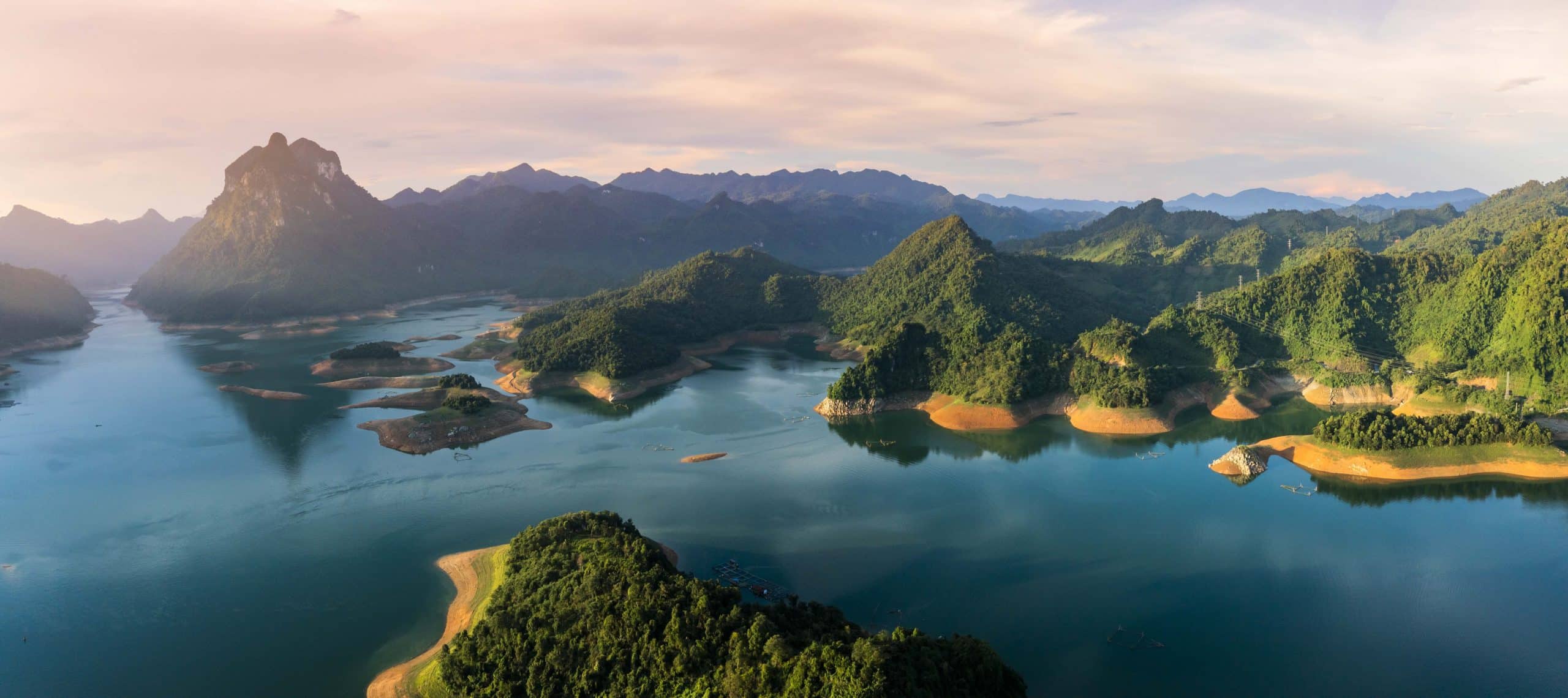
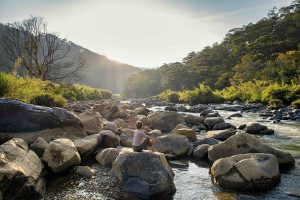
Amid the great forests of Tuyen Quang, the Na Hang-Lam Binh Special National Scenic Area emerges as a remarkable landscape where mountains, water, and layers of indigenous cultural memory merge. This place captivates visitors not only with scenery often likened to “Ha Long Bay in the great forest,” but also with the rich spiritual traditions of the many communities living around the lake. Here, a sacred bond endures, connecting people with their ancestors, villages with the forested mountains, and the lake with stories passed down through generations.
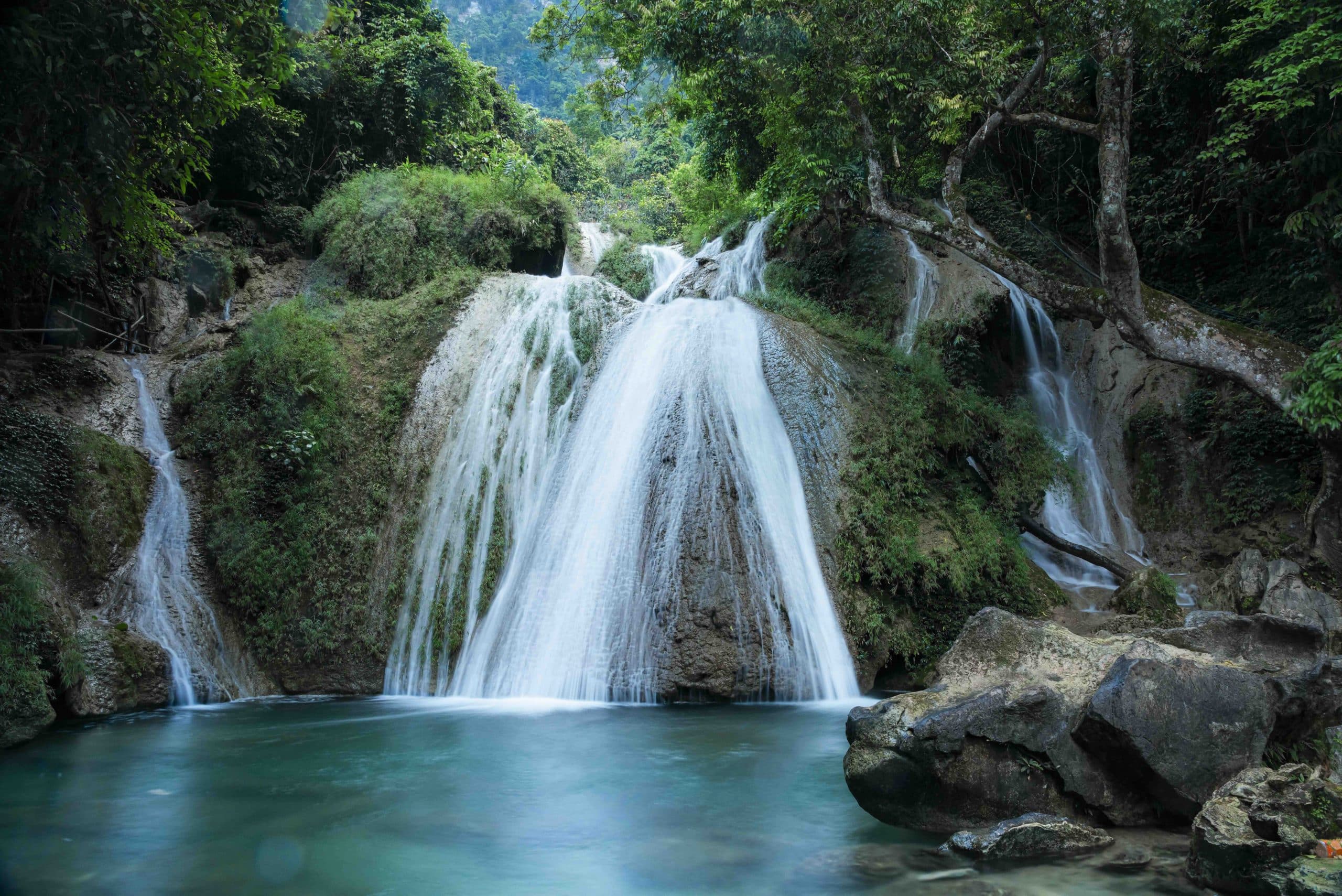
Na Hang Lake owes its majestic beauty to the 99 peaks that surround it – said in legend to be 99 phoenixes transformed into mountains, their wings spread to shelter the villages below. Rising from the blue waters is Coc Vai Pha, also known as the “Stake for Tethering the Heavenly Buffalo,” a towering limestone pillar associated with the tale of Tai Ngao, who carved stone to save his mother. Completing this natural tableau is a network of waterfalls and caves. Mo Waterfall cascades through several tiers amid deep forest, Khuoi Nhi Waterfall lies hidden in primeval woodland, and Song Long and Khuoi Pin caves open onto fantastical spaces within the limestone mountains.
Every season brings its own beauty to Na Hang. By late summer, as the land and sky begin to soften, the lake and mountains grow quieter and more contemplative. As the seventh lunar month approaches, mist drifts across the ridgelines, the water deepens to a dark green-blue, and life in the villages takes on a more reflective rhythm. For many communities around Na Hang Lake, this is a season of filial devotion – a season of return.
For the Tay people, the full moon of the seventh lunar month is associated with Tet Pay Tai, literally meaning “returning to the maternal home.” At this time, married daughters return to visit their parents with their husbands and children, bringing offerings to express gratitude to the maternal side of the family. Duck is traditionally offered because, in Tay folk belief, it symbolizes a link between the earthly world and the heavenly realm. Other offerings include banh gai, banana cakes, rice wine, five-colored sticky rice, and fish from rivers and streams – humble foods that nevertheless embody the care and abundance of the mountains and forests.

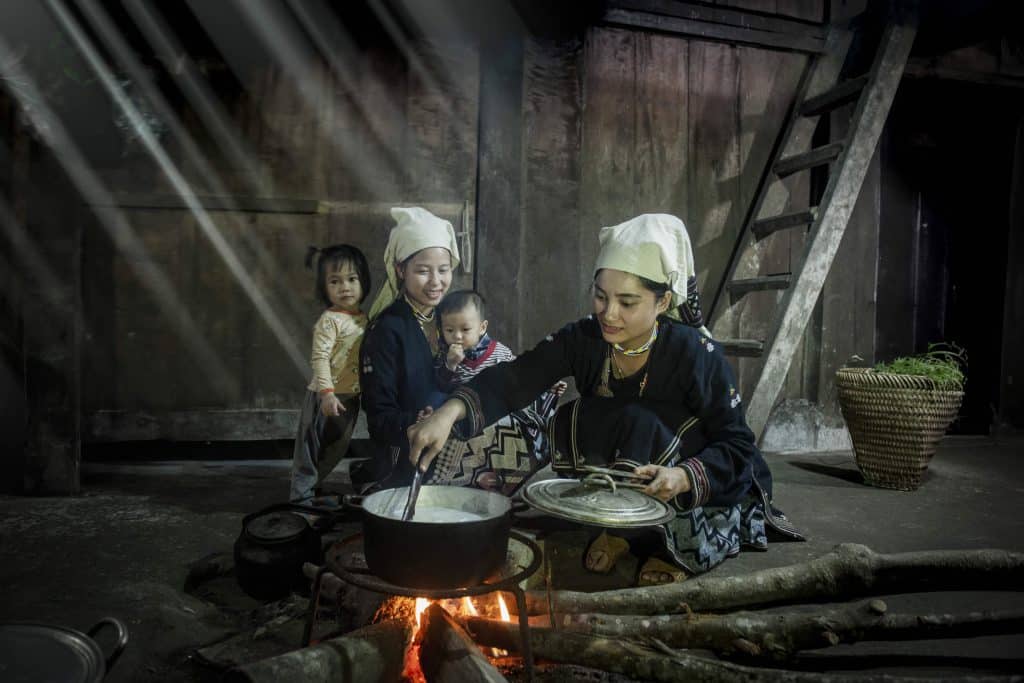
Many families also invite a thay Tao ritual master to perform thanksgiving ceremonies and pray for peace and well-being for their descendants. Inside the stilt house, the sound of the dan tinh and melodies of Then singing fill the air, telling the ancestors stories of the village, the harvest, and the children of the household. Mingling with incense smoke, the music creates an atmosphere both solemn and intimate, where past and present coexist naturally in everyday life.
In many Dao villages, the full moon of the seventh lunar month is also a time for families to prepare ceremonial feasts and invite relatives, neighbors, and ritual masters to join rites honoring ancestors and deities. Among Dao Tien communities in parts of Tuyen Quang, cakes made from wild banana corm are a distinctive food for the occasion, recalling the deep bond between people and the forested mountains.

In Na Hang, visitors can do more than admire the vast lake and mountains – they can experience local life at its most intimate. This might mean sharing a meal in a stilt house, sipping corn wine fermented with forest yeast, enjoying freshly grilled lake fish, or listening to stories beside the fire. Along the way, travelers can stop at Pac Ta Temple to offer incense, pass Khuoi Nhi Waterfall, explore Song Long and Khuoi Pin caves, kayak across the lake, or simply watch the setting sun turn the cliffs red.
As night falls, fires flicker at homestays across the villages. Folk songs sung by young Tay, Dao, Hmong, and Nung women fill the evening air, drawing people closer together. In Lam Binh, the Pa Then fire-jumping ritual – recognized as a National Intangible Cultural Heritage – offers another remarkable cultural experience, with fire symbolizing life, good fortune, and prosperity for the community.
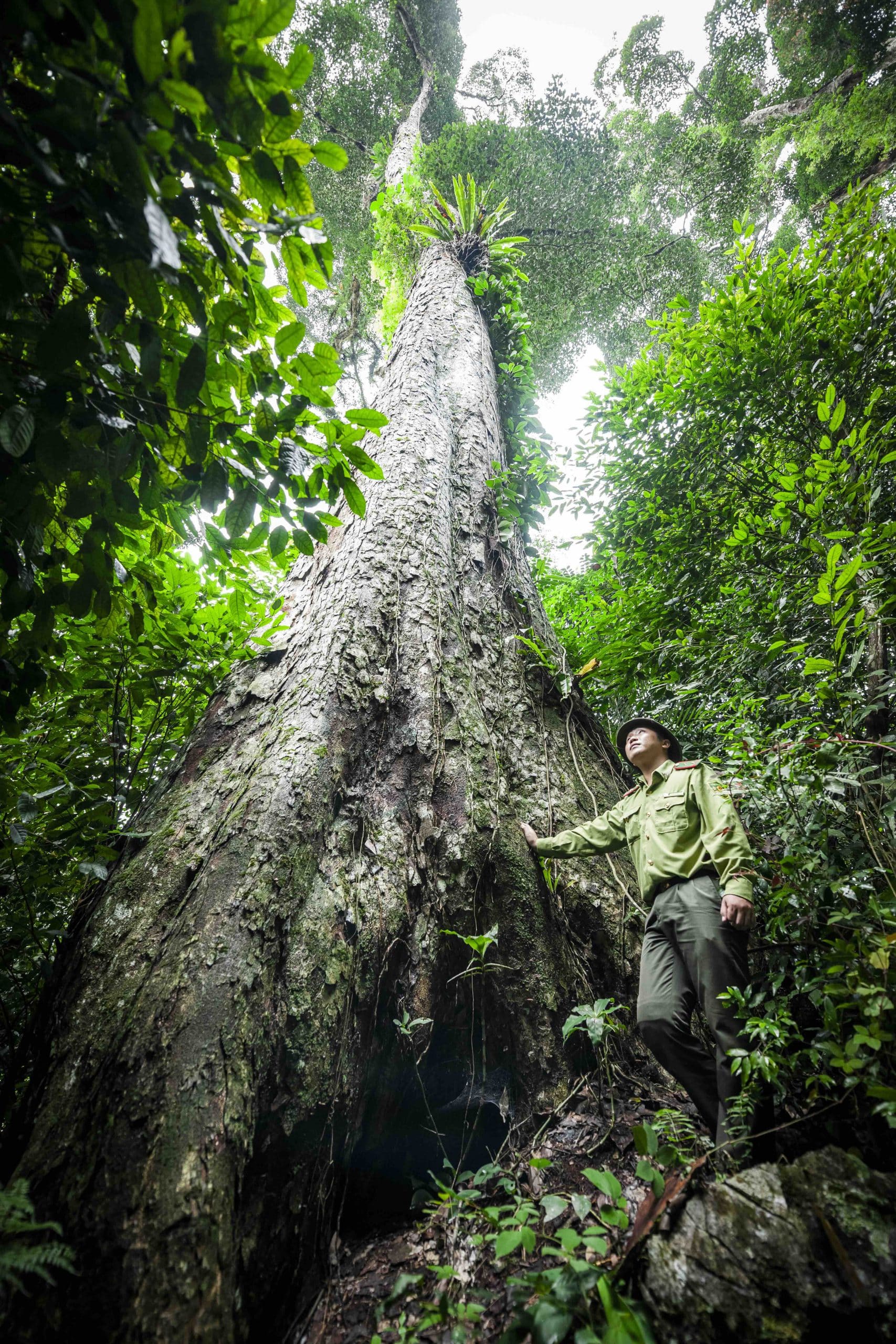
The next morning, while mist still lingers over the lake, another journey begins, leading into the Tat Ke-Ban Bung Nature Reserve and deeper into the forest, where visitors can listen to birdsong, running streams, and the breathing rhythm of these great woods.
It is said that anyone who has sat in a boat on Na Hang Lake and heard the sound of the dan tinh drifting from a stilt house by the water will feel something settle within themselves. Perhaps this is because nature here is not simply admired and culture is not simply performed. Both remain part of a living world, preserved through every season, ritual, and shared meal.
Come to Na Hang to behold its beauty, feel the meaning of return, and touch a land unlike any other – where lake, mountains, and villages tell the story of the vast forests.