Story: Hoang Nha
Photos: Quan Bui Group
Across Vietnam, every family meal tells a story of home, tradition, and the ties that bind generations together.
The late afternoon light filters through the kitchen window. A knife taps rhythmically against a wooden chopping board, while the aroma of fish sauce mingles with freshly fried garlic and shallots. These quiet details are often what we miss most when far from home. Amid the bustle of modern cities and an ever-changing culinary landscape, Vietnamese people continue to cherish the simple comfort of com nha (family meal).
In many cultures, a meal is a personal affair. For the Vietnamese, it has always been where the family comes together. Whether served at a dining table, on a wooden platform, atop a woven mat, or in the warmth of a modest kitchen, the meal is traditionally arranged on a shared tray known as the mam. It begins with a simple invitation to eat. The elders lift their bowls first before the younger generations reach for their chopsticks. The choicest morsels are passed to the children, while grown children quietly place the most tender piece of meat into their mother’s bowl. Around the tray, conversation is rarely about anything remarkable. A simple “How was your day?” or “Come, have another bowl of rice” is often enough to draw everyone a little closer.
The round table – or, more traditionally, the mam – has long been a symbol of togetherness. At its center sits a shared bowl of fish sauce, with chopsticks fanning out around it, reminding everyone that every meal is shared with generosity, restraint, and respect. From an early age, children learn never to dip the used ends of their chopsticks into the communal bowl, and to take only what they need, leaving enough for everyone else.
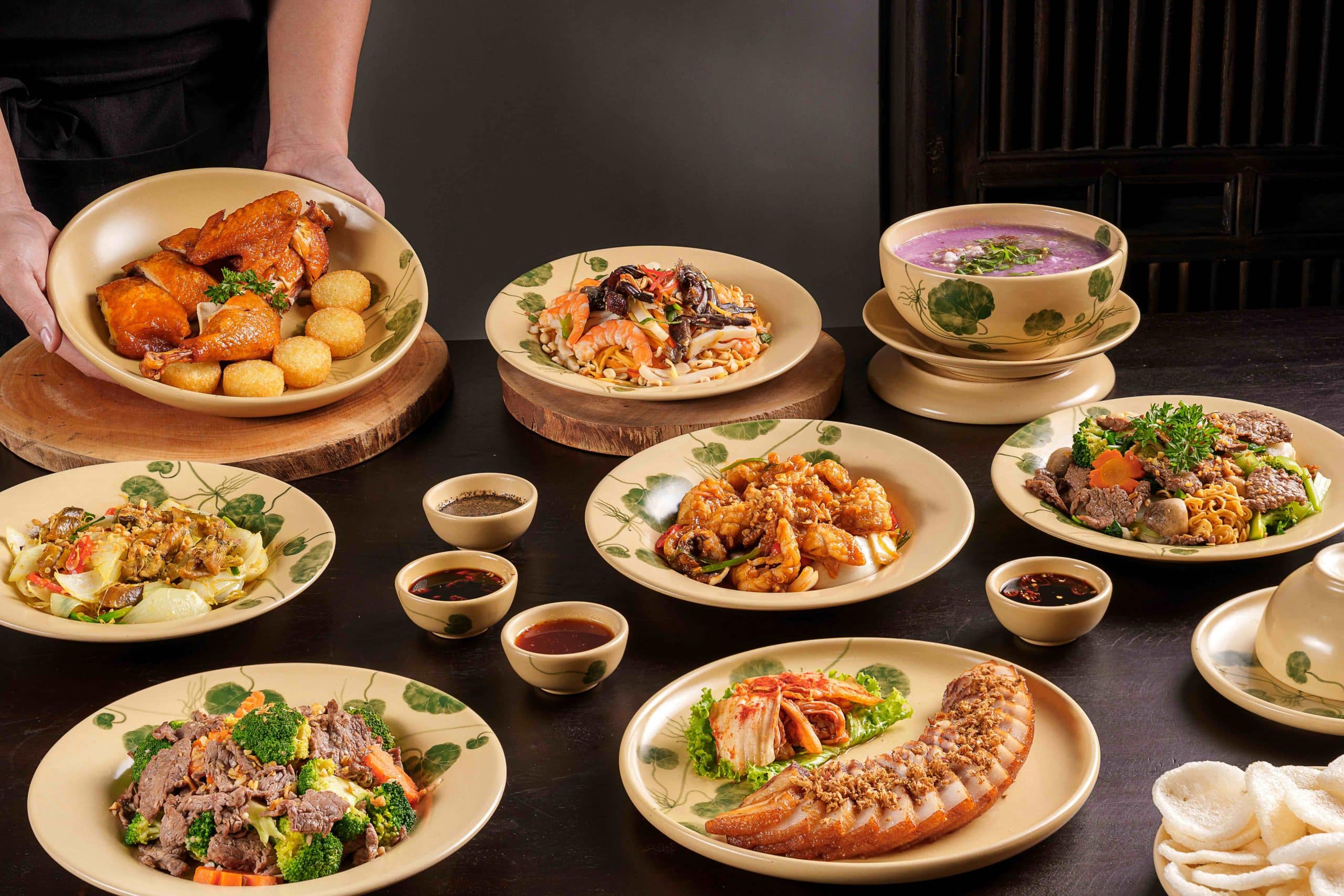
“Mind your manners” or “Respect the elders and care for the young.” These small gestures are more than table manners – they embody Vietnamese family values.
Across the country, each region of Vietnam reveals its own distinct culinary identity. In the North, subtle, nuanced flavors are shaped by the rhythm of the four seasons. When dracontomelon fruit comes into season, tender pork rib soup takes on a bright, delicately tart freshness. As the weather turns cold, family tables welcome thit dong (jellied meat) alongside crisp pickled mustard greens, while golden fried spring rolls remain a staple at family gatherings.
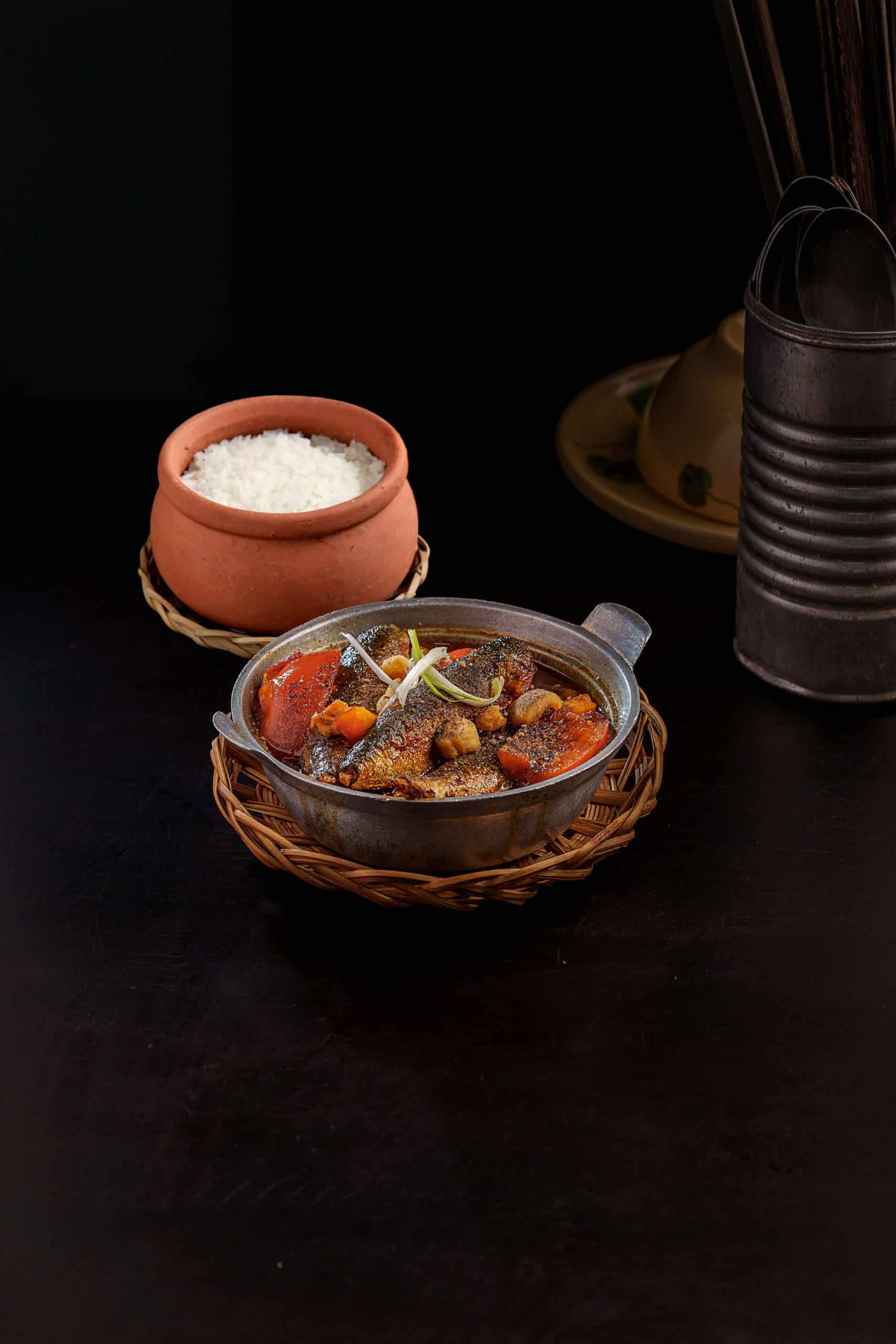
Shaped by a landscape of relentless sun and harsh winds, Central Vietnam naturally favors deeper, more robust flavors. A piece of fish slowly braised with tomatoes until the sauce turns a deep amber, served with fragrant clay-pot rice with a crisp golden crust, is the kind of meal that calls for another bowl of rice. Within this humble meal lies the quiet thrift and resilience of a land that has never offered its people an easy life.
In the generous South, that open-hearted spirit is woven into every dish. When the annual floodwaters arrive, they bring a seasonal dish of tiny freshwater shrimp tossed with golden sesbania blossoms. The delicate astringency of the blossoms, balanced by a refreshing touch of sweetness and gentle tartness, creates a flavor that stays with those who have traveled far from home.
Though each region speaks in its own flavors, they are united by a shared way of life: eating with the seasons, living in harmony with nature, and gathering around the table. It is this quiet simplicity that has become part of Vietnam’s thousand-year heritage.
A whiff of caramelized fish sauce or the faint curl of smoke rising from a kitchen is often all it takes to bring childhood rushing back – along with a familiar call: “Come home, dinner’s ready.” This is how the mam com Viet has quietly passed from one generation to the next. A grandmother teaches her daughter how to marinate fish until every bite is fragrant and deeply seasoned; a mother teaches her child to tend the fire so the braised fish becomes tender to the bone while still holding its shape. Passed from one pair of hands to another, these small acts allow every mam com to carry the warmth of yesterday.
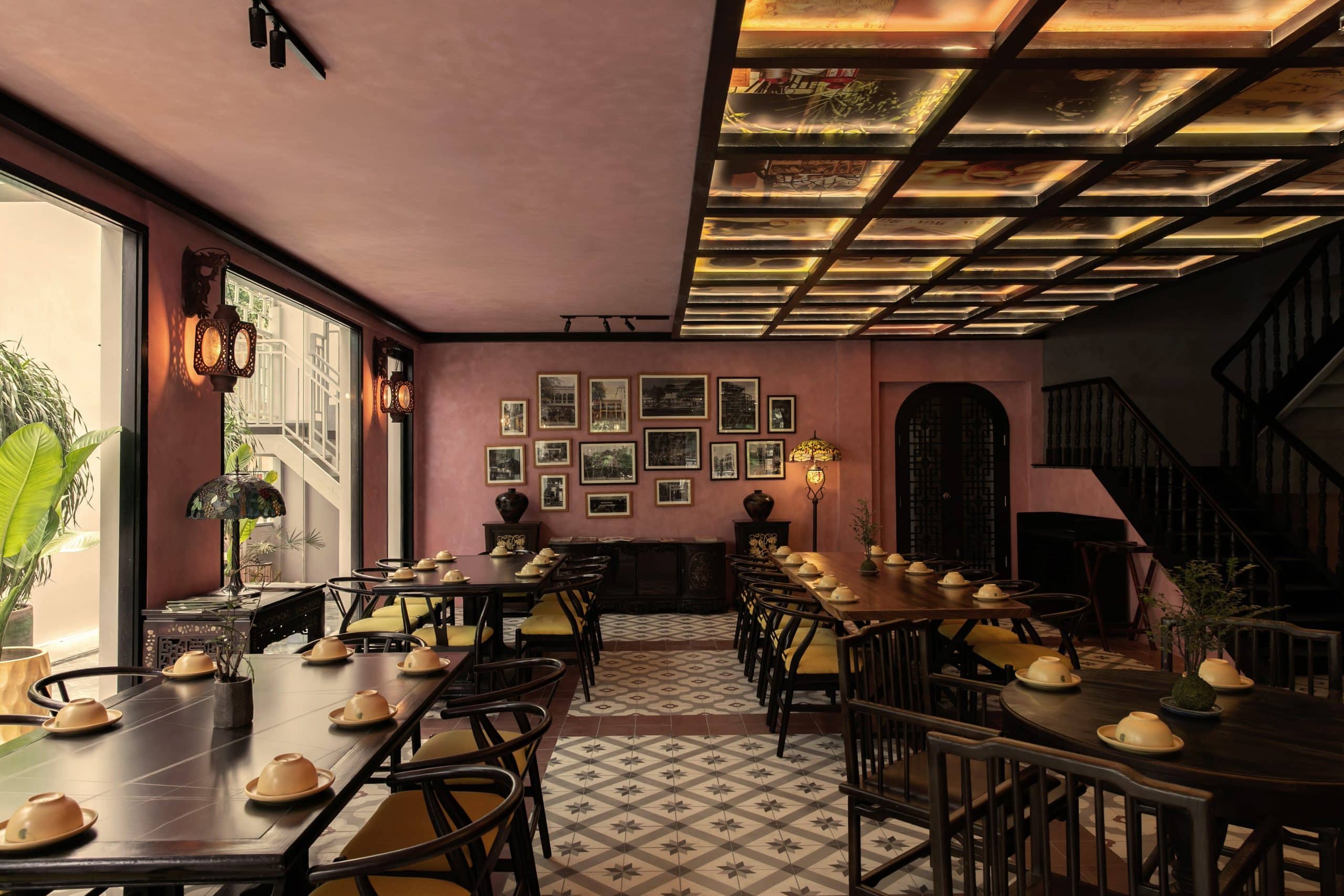
The rhythm of modern life has changed. Few families have the luxury of preparing dinner together each evening or waiting until everyone is home before the meal begins. Perhaps that is why the spirit of the mam com Viet feels more precious than ever. For fifteen years, Quan Bui has carried that spirit through regional Vietnamese dishes prepared with the flavors of home, served in a contemporary Indochine setting that recalls the Saigon of the 1990s. At the heart of each space, round tables invite families and friends to gather once again around the simple ritual of sharing a meal.
Wherever life may take the Vietnamese, the warmth of com nha is never far away.
A collection of 10 Vietnamese restaurants celebrating over 15 years of Vietnamese culinary traditions. Website: quan-bui.com