Story: Le Anh
Photos: Ngoc Vu
In the autumn, Binh Lieu’s rugged borderlands soften beneath waves of flowering reeds, creating a landscape rich in both natural and cultural beauty.
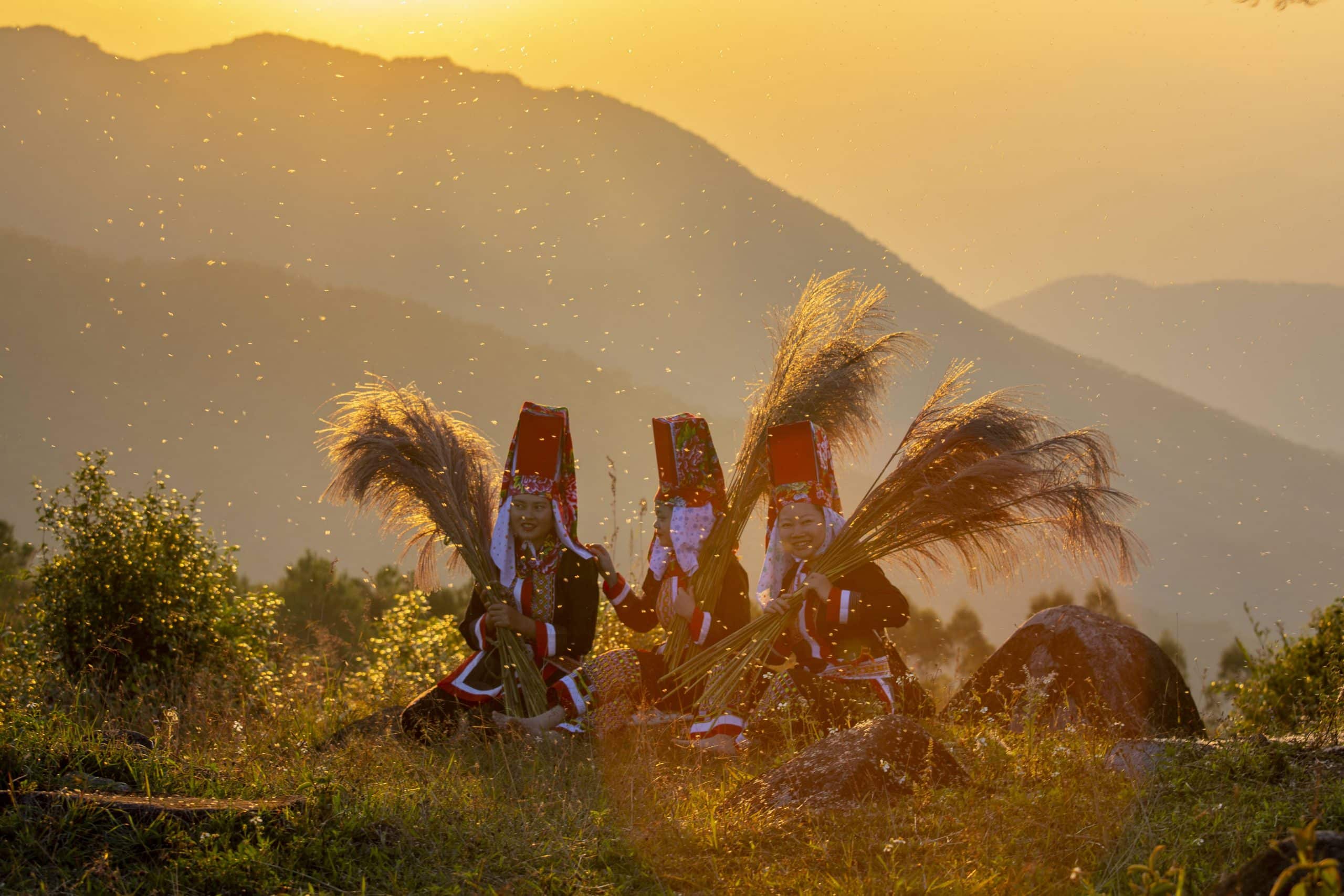
I have admired many fields of reed grass: dreamy white plumes along the Hoang Long River in Ninh Binh, swaying clusters beside the Da River in Phu Tho, and shimmering fields across the Central Highlands. Yet the scene I recall most vividly is in Binh Lieu, a former border district now spanning the communes of Binh Lieu, Luc Hon, and Hoanh Mo in Quang Ninh City. Here, reed grass blooms along frontier roads, bending gently in the wind like autumn’s promise.
In the past, distance and difficult roads made the journey to Binh Lieu daunting. Today, the trip is much more convenient, thanks to the expressway linking Hanoi with Van Don. From the center of Binh Lieu Commune, visitors can take National Highway 18C and border patrol roads to Luc Hon and Hoanh Mo. The sun and wind feel especially gentle during the season when the reeds flower. Thanks to improved roads, the “Dinosaur Spine,” Cao Xiem Peak, Khe Van Waterfall, and key border markers are more accessible to visitors from the lowlands.
A weekend is enough to experience Binh Lieu’s different moods during the reed flower season: soft and misty at dawn, radiant at sunset, and deeply wistful on the open mountains. More than a scenic getaway, this is a journey through a rugged landscape where natural beauty is inseparable from life on the nation’s frontier.
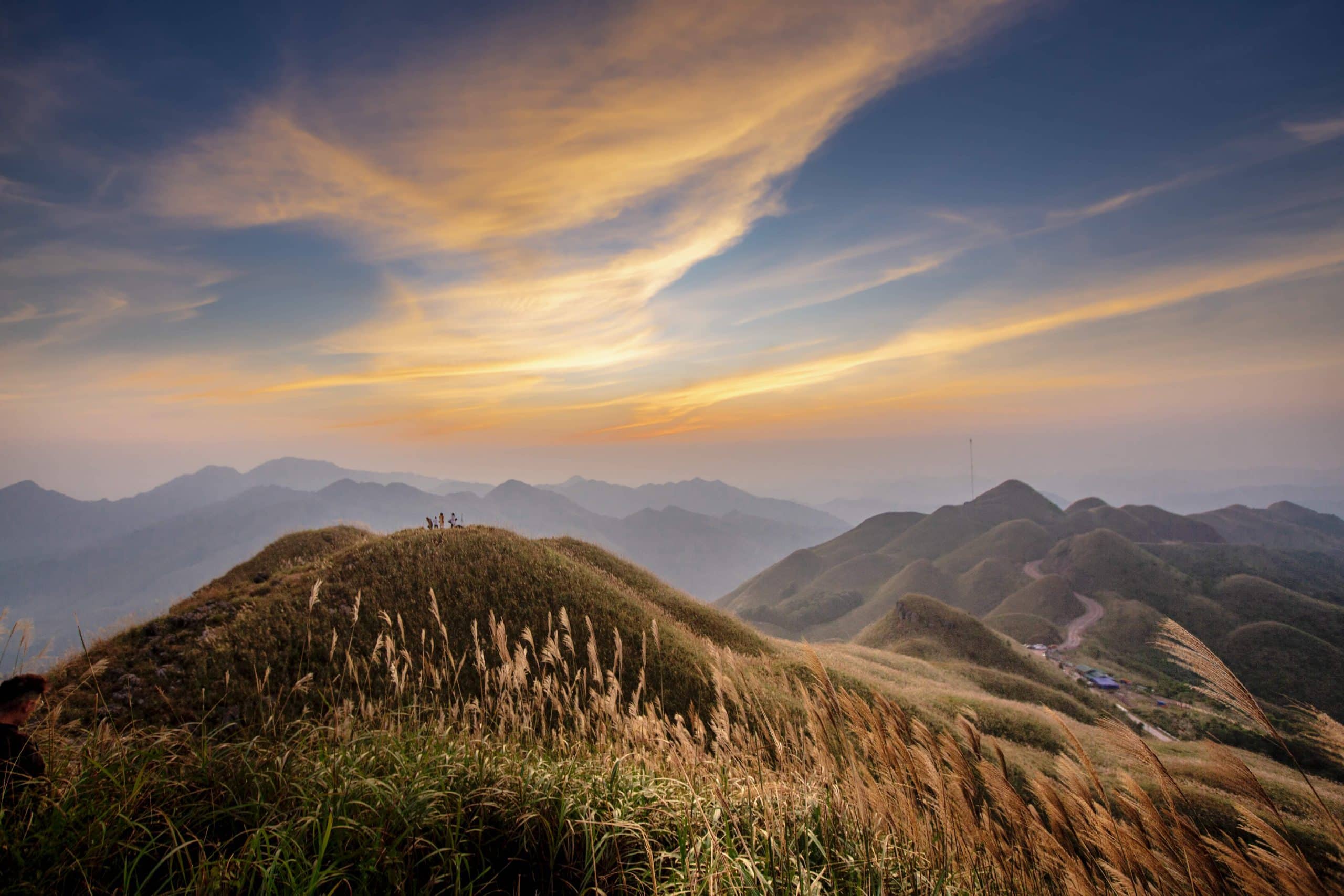
Binh Lieu’s reed season typically begins in October and peaks from late October through November. Early in the season, the plumes are slender, bright white, and shine softly in the sun. At their peak, reeds blanket the hillsides, line the patrol roads, wrap around mountain ridges, and spill into deep valleys like waves of silver. Toward the end of the season, the reeds turn gray, become lighter, and drift more easily on the wind, creating a quieter, melancholy beauty.
During the reed season, visitors should make time for a short trek to some border markers. The best route for viewing the flowering reeds is along the “Dinosaur Spine,” leading to Marker 1305 in Hoanh Mo Commune. Tours to see border markers often also include Markers 1300, 1302, and 1327.
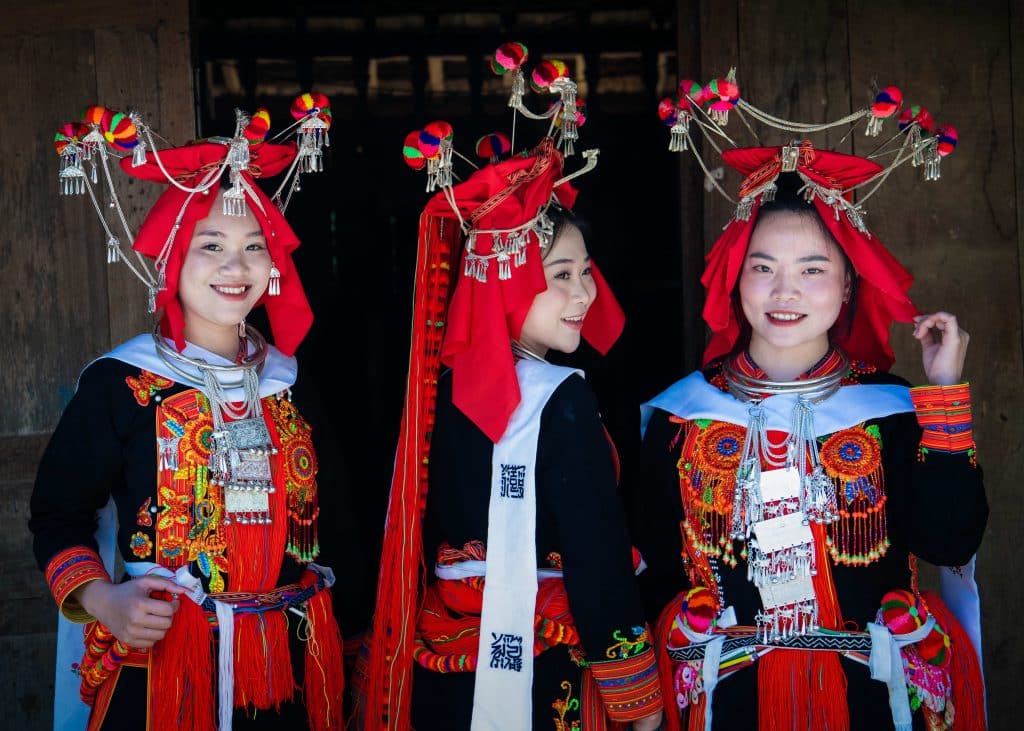
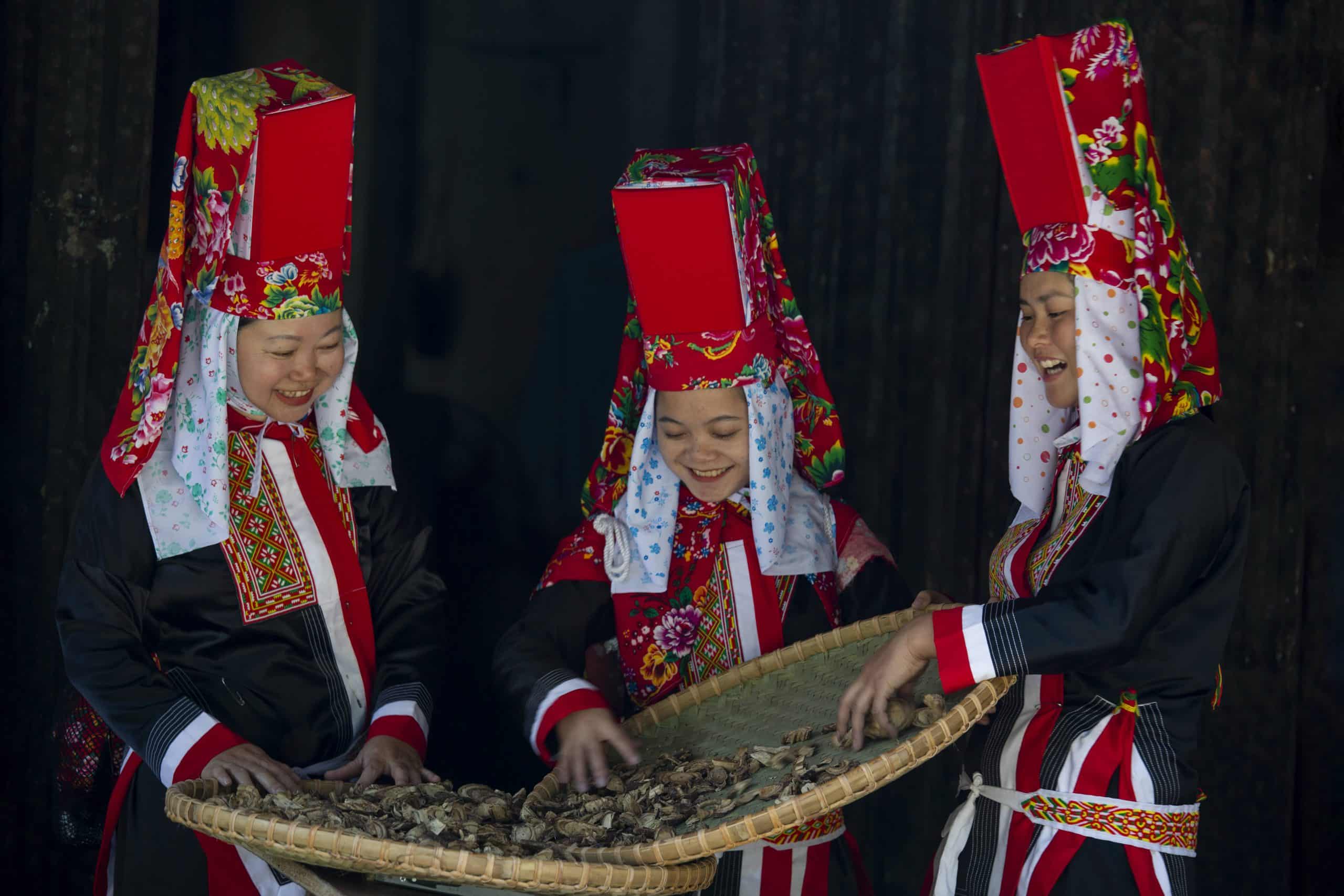
Visitors with three or four days can explore the landscape and local culture in more depth. The former Binh Lieu is home to people of many different ethnicities, including Tay, Thanh Phan Dao, Thanh Y Dao, and San Chi. Each ethnic community preserves its own identity through traditional clothing, cuisine, festivals, and daily customs. Along the roads, in local markets, and in villages, visitors will meet locals wearing indigo garments, traditional headscarves, brocade clothing, and silver jewelry. These traditional clothes and accessories add color to the mountain scenery.
A visit to Dong Van Market, now in Hoanh Mo Commune, is one of the best ways to experience highland life. Locals and visitors alike flock here on market days. Stalls offer brocade textiles, arrowroot vermicelli, eggs, poultry, herbal remedies, bamboo shoots, and traditional cakes such as banh chung gu, banh la ngai, and banh cooc mo.
I was delighted to find a bottle of rich golden honey and fragrant mountain spices. Most striking of all were the marketgoers’ colorful outfits. Amid laughter, vendors’ calls, and the aromas of cakes and herbs, their brocade garments made the market feel like a garden blooming in the mountains.
From the colorful local cultures to the wild, majestic landscape, Quang Ninh’s borderlands left me awestruck. The beauty felt both intimate and deeply moving.
Returning here each autumn is like receiving a gift from nature. Visitors will delight in the simplicity of highland life and fall deeper in love with Vietnam as they explore the nation’s frontier.