Story: Thai Nga
Photos: Tonkin, Phong Nguyen
From the historic shores of Rach Gia to the tranquil Nam Du Archipelago, Vietnam’s southwest reveals a gentler rhythm of life.
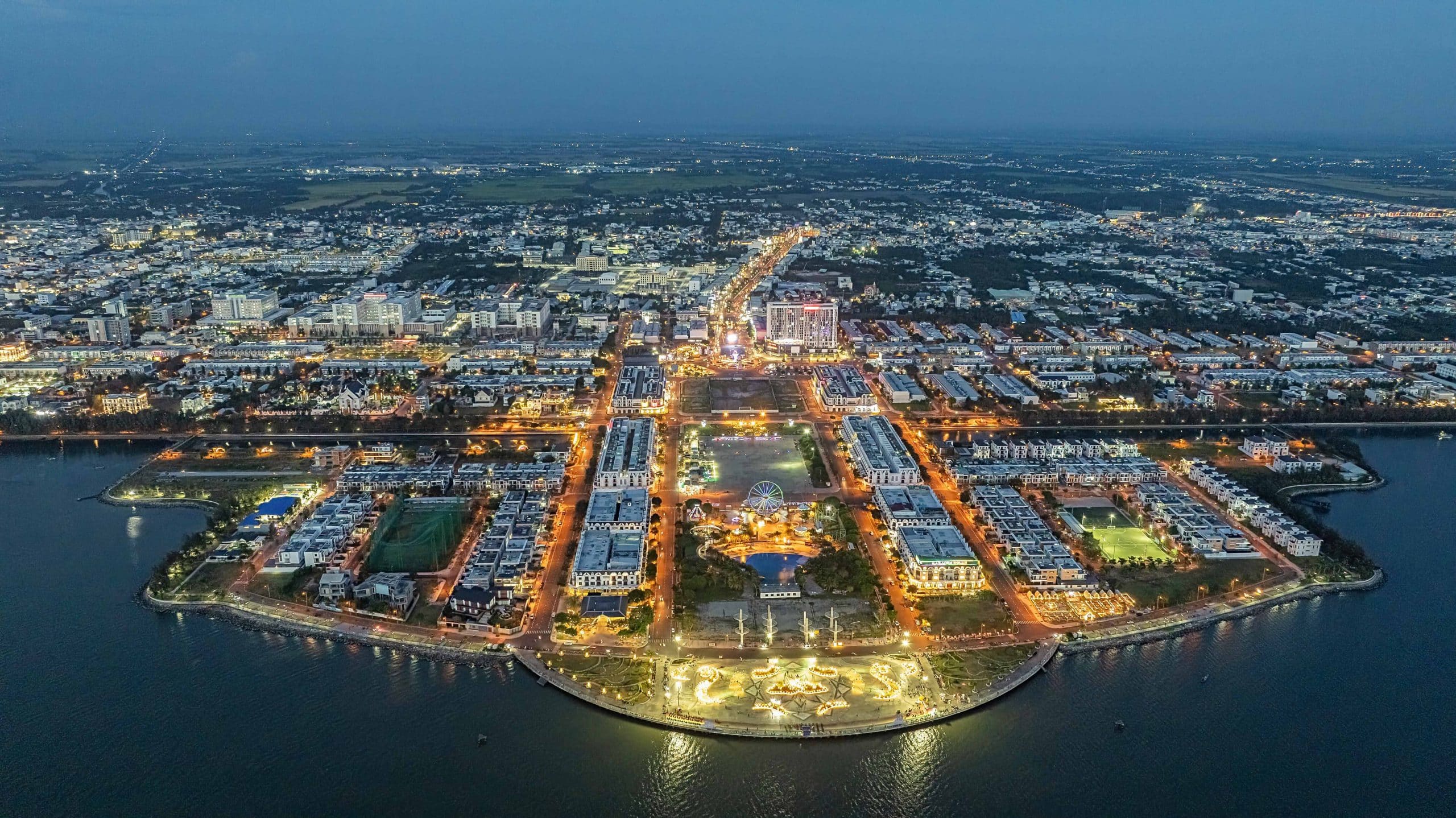
Rach Gia, now part of An Giang Province, has the pulse of a gateway city, where layers of history still linger along Vietnam’s western coast on the Gulf of Thailand. Here, journeys to distant archipelagos begin.
Where memories remain anchored in a coastal city
The morning light in Rach Gia is not as dazzling as the sunlight along Vietnam’s Central Coast. Instead, it spreads gently across the water, over tiled roofs, and across the reclaimed land by the sea. The city lacks the bustle of a major urban center but has a distinct rhythm of its own: ferries link the mainland with far-off islands, while local people stroll leisurely along the waterfront.
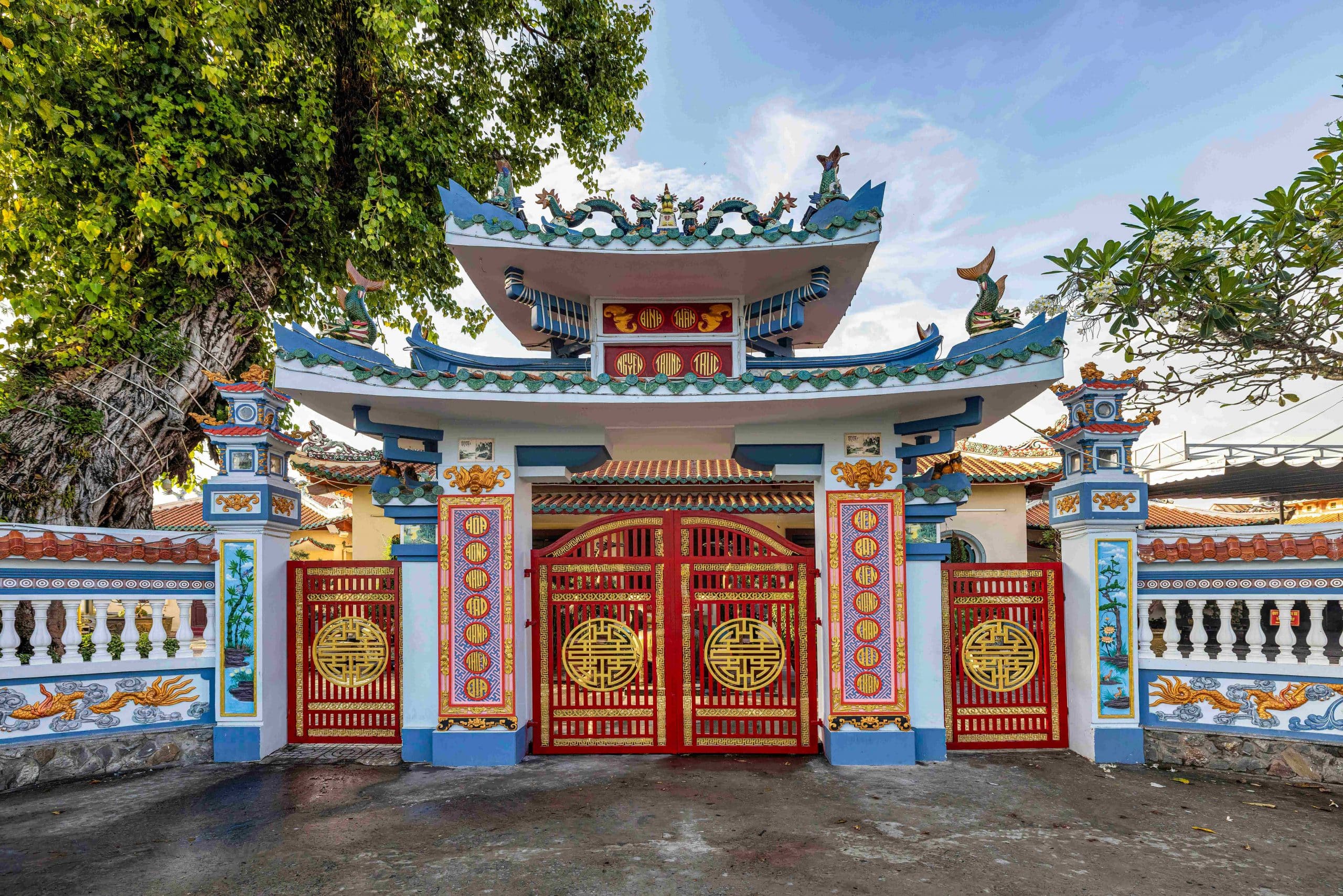
Amid this daily activity stands Tam Quan Gate, a symbolic structure inspired by traditional architecture and familiar to generations of Rach Gia residents. Standing beneath its curved tiled roofs and watching the traffic pass by, I felt that past and present had always coexisted here.
If I had to choose one place that captures the spirit of this land by the western sea, it would be Nguyen Trung Truc Temple. Set near the Kien River, not far from its mouth, the temple is dedicated to a national hero who earned his place in Vietnamese history through his resistance to the French colonial forces in the mid-nineteenth century.
For people in southern Vietnam, Nguyen Trung Truc has long stepped beyond the pages of history to become a symbol of courage and determination. His famous words, “Only when the French have uprooted every blade of grass in Vietnam will there be no more Vietnamese to fight them,” are still repeated as a declaration of the people’s resolve. Each year, the commemoration of his death draws pilgrims from across the southwestern coastal region. Amid fragrant incense and quiet prayers, history no longer remains on the page but lives on in the community’s spiritual life.
Not far away, the provincial museum preserves valuable records and artifacts from the Southern Region. Its collections trace centuries of settlement, from coastal fishing communities to successive generations who moved south to open new frontiers. The museum’s quiet atmosphere invites visitors to slow down as they explore this seaside city.
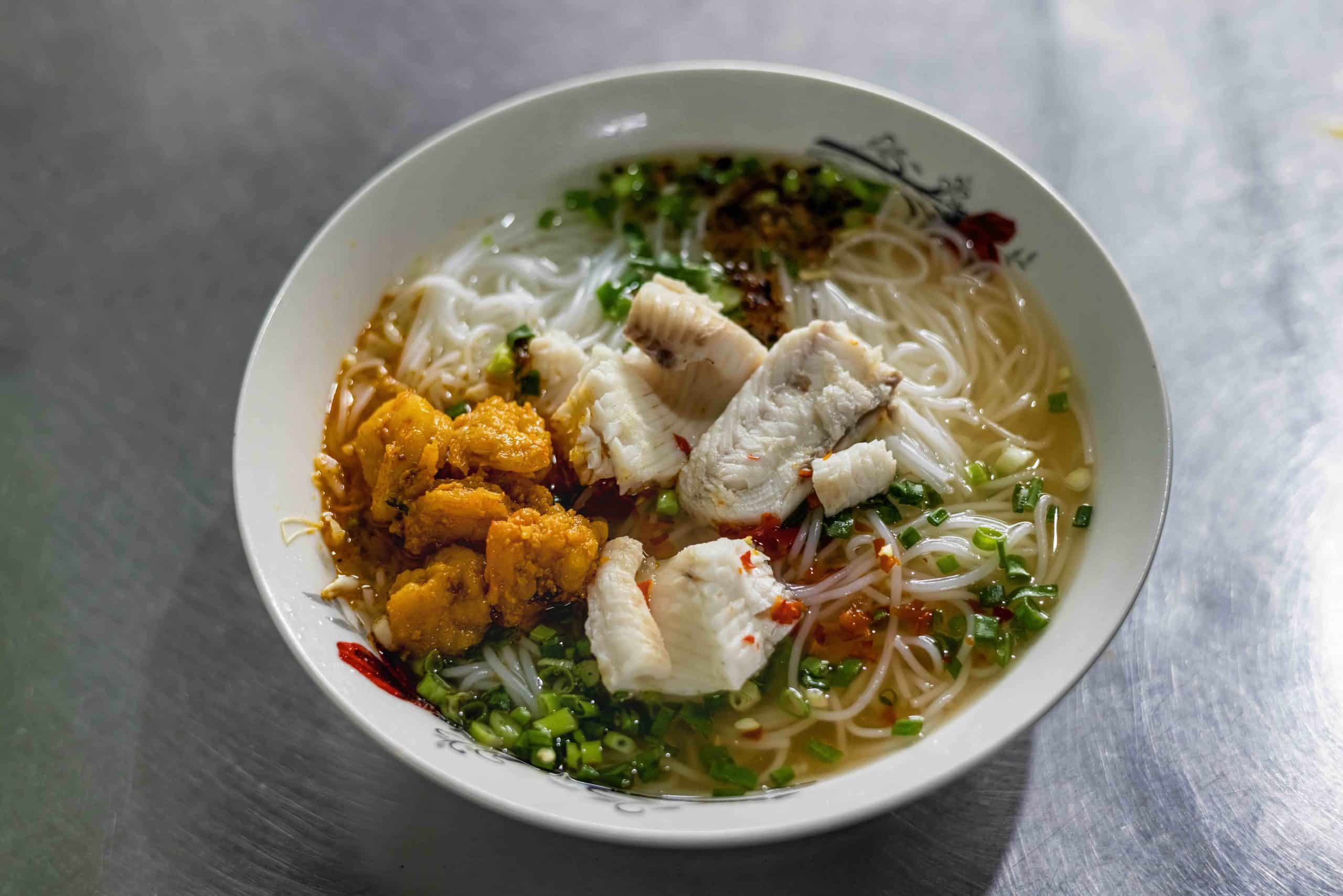
Before leaving Rach Gia, I stopped at a small eatery for a steaming bowl of fish noodle soup. The broth was clear and delicately sweet, tinted golden with turmeric. Firm slices of snakehead fish, served with fresh herbs, created a flavor that was both rich and refreshing. Unpretentious, much like the people of the Mekong Delta, the dish left me with another fond memory of this coastal city.
Setting sail for Nam Du
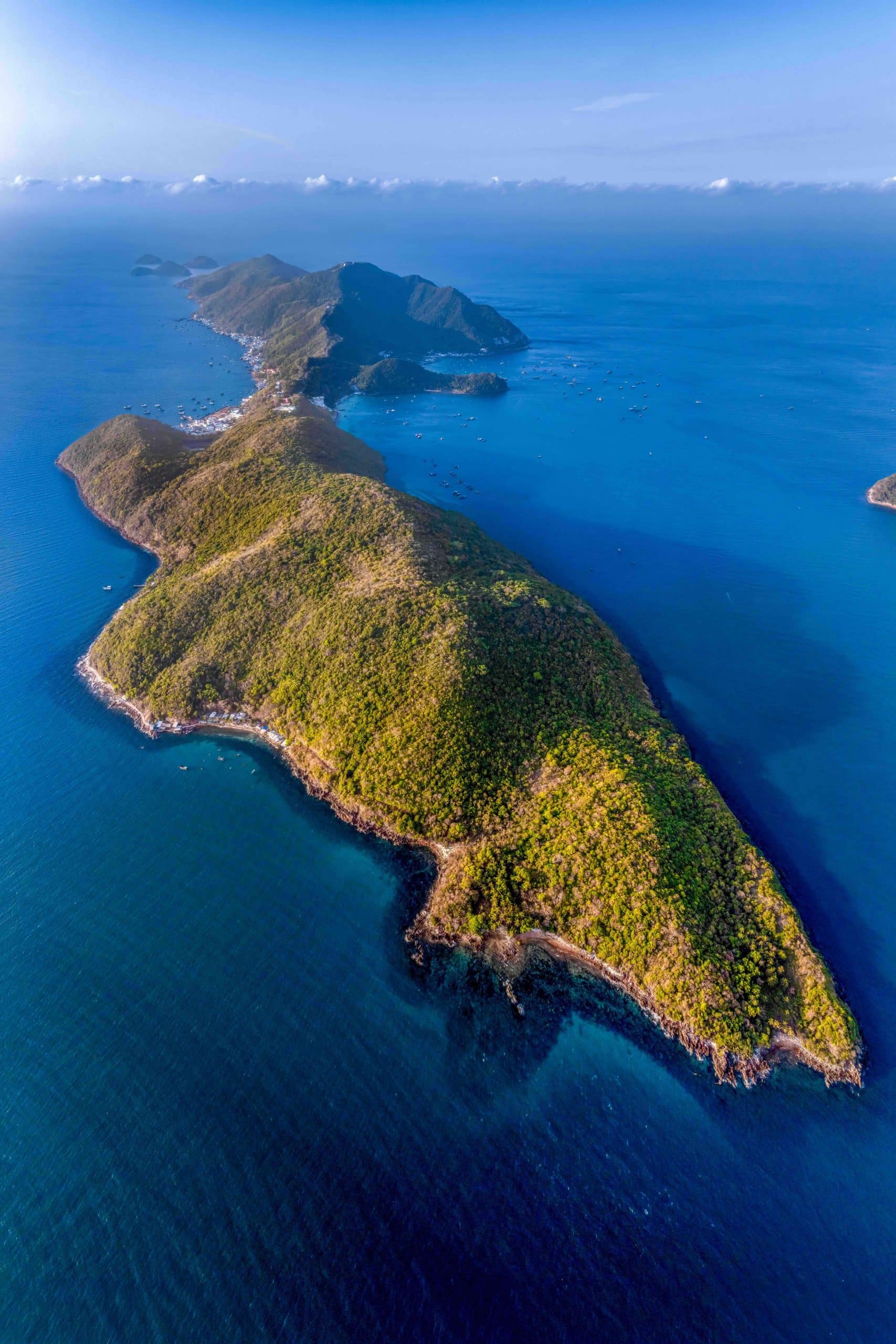
I boarded a boat bound for the Nam Du Archipelago, now part of Kien Hai Special Zone in An Giang Province. Rach Gia gradually receded behind us, giving way to the deep blue of the West Sea stretching to the horizon. After more than two hours at sea, islands large and small came into view, forest-green and sea-green, simple and unassuming like the people who live there.
Morning on the island begins with the familiar rhythm of the local fishermen’s lives. Boats return after a night at sea, their holds filled with the morning’s catch, which is soon unloaded at the pier. Rumbling engines, voices calling across the docks, and the bustle of early trading create a scene that is lively but never chaotic – a way of life that can only truly be appreciated by experiencing the island firsthand.
Much of Nam Du’s charm comes from this unhurried pace. Narrow roads wind along the hillsides and trace the coastline. At times, a brief pause at a bend in the road offers a glimpse of the sea’s shifting hues, from green close to shore to deep blue farther out. Viewed from above, the clustered homes of the fishing village, tucked into the slopes, appear tiny against the vast openness of the southwestern sea and sky.
Bai Cay Men is one of the island’s best-loved places. Its most distinctive feature is a row of old coconut palms leaning over the water, some trunks bent so low that their fronds almost touch the sea. Together with the clear blue water, they lend the beach a tranquility all its own. Yet what stayed with me most was not the scenery but the sight of carefree children playing along the water’s edge, while a few distant fishing boats drifted slowly back toward shore.
I sat for a while on the sand, listening to the rustle of coconut fronds mingling with the gentle lapping of waves against the shore, feeling as if the ocean was keeping the pace of city life at bay.
At a breezy little restaurant near the pier, I chose a few simple dishes: grilled bluebone fish wrapped in banana leaf, steamed squid with spring onions, and sea urchin grilled with scallion oil. Fresh from the morning’s catch, the seafood required no elaborate preparation.
When evening fell, I looked out to sea from a mountainside, watching the fiery red sun sink toward the horizon, turning the water to bronze. In that moment, all sound seemed to recede, and a sudden lightness overtook me.
As the boat carried me back to the mainland, Rach Gia appeared like a familiar place of return. Between departures and returns, the southwestern sea remains as gentle and open as ever, turning every sea journey into a memorable encounter.
Please visit www.vietnamairlines.com for more information and details of special offers.