Le Khac Quyen
Sabah’s forests and rivers are home to extraordinary wildlife, but discovering their hidden inhabitants takes patience and curiosity.
It was a peaceful morning. Before I could see anything clearly, the primeval forest had already begun speaking. The sun had yet to rise, but the forest in Sabah was already stirring. A birdcall rang out from the high canopy, followed by another from deep within the valley. One call answered another, mingling with the wind and the faint movement of leaves overhead, announcing the beginning of another lively day.
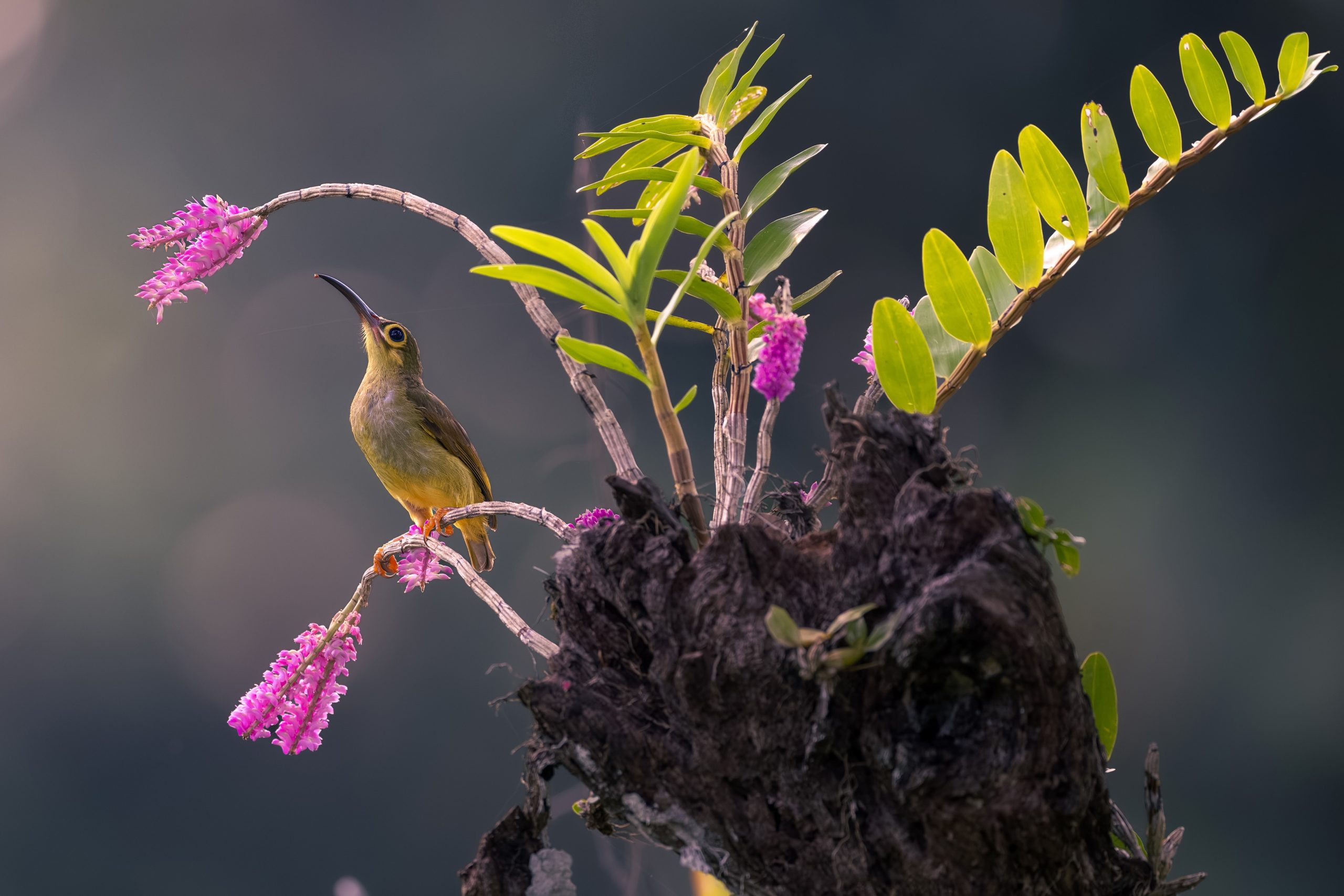
Sabah, Malaysia, lies in northern Borneo. The world’s third-largest island, it’s one of Southeast Asia’s most biodiverse regions. Its terrain, climate, and long geographic isolation have created a distinctive natural world unlike most other places on Earth.
Under the canopy
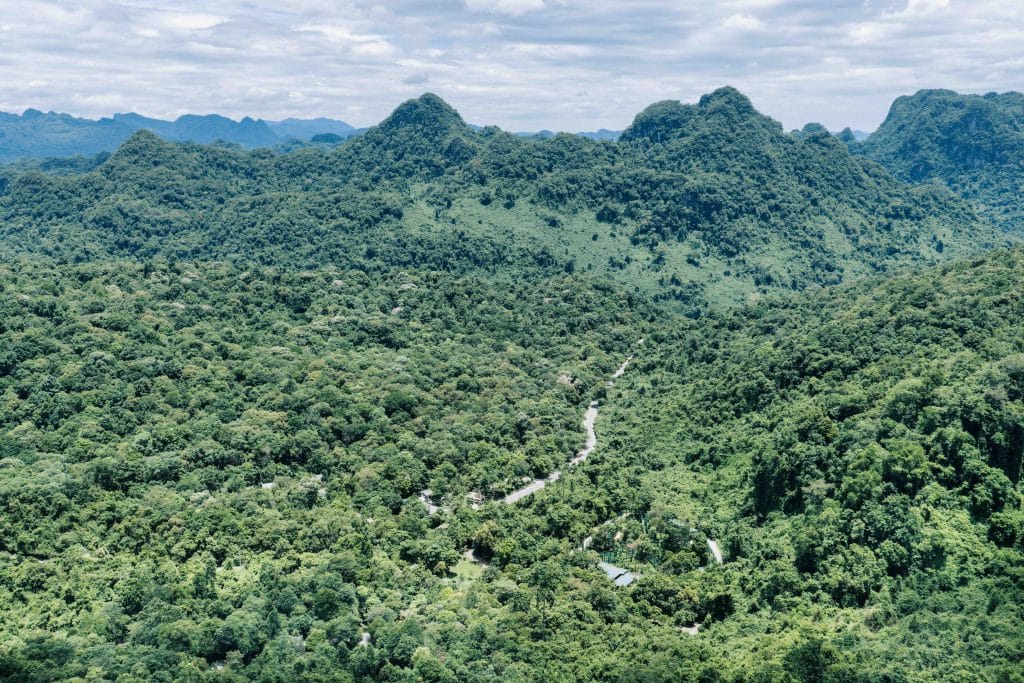
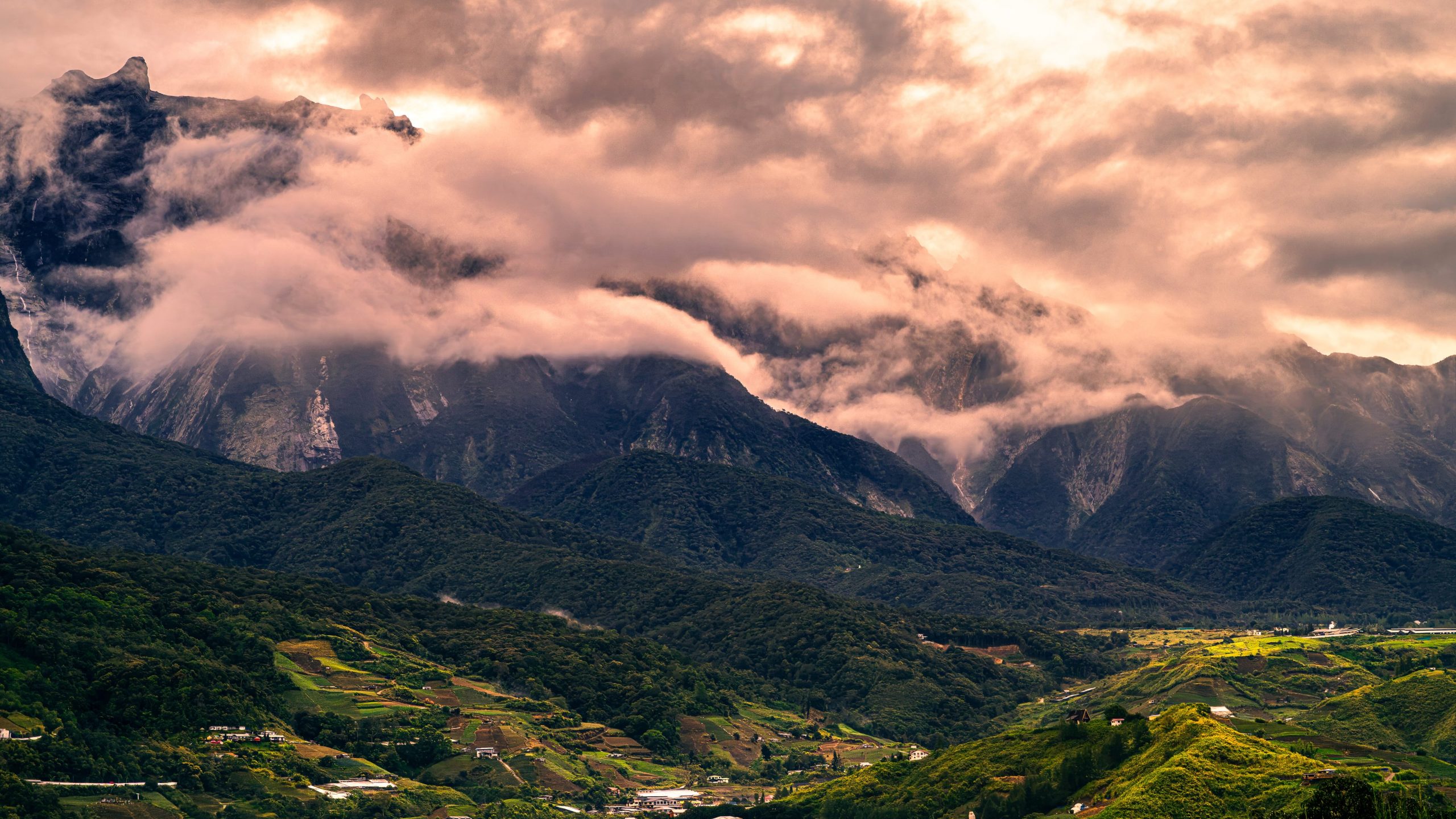
From the lowland forests along the Kinabatangan River to the montane forests on Kinabalu’s slopes, changes in elevation and vegetation create very different habitats. In the lowlands, the forest is hot and humid, with a tall, dense canopy. Higher up, temperatures fall, mist appears more frequently, and moss blankets the tree trunks.
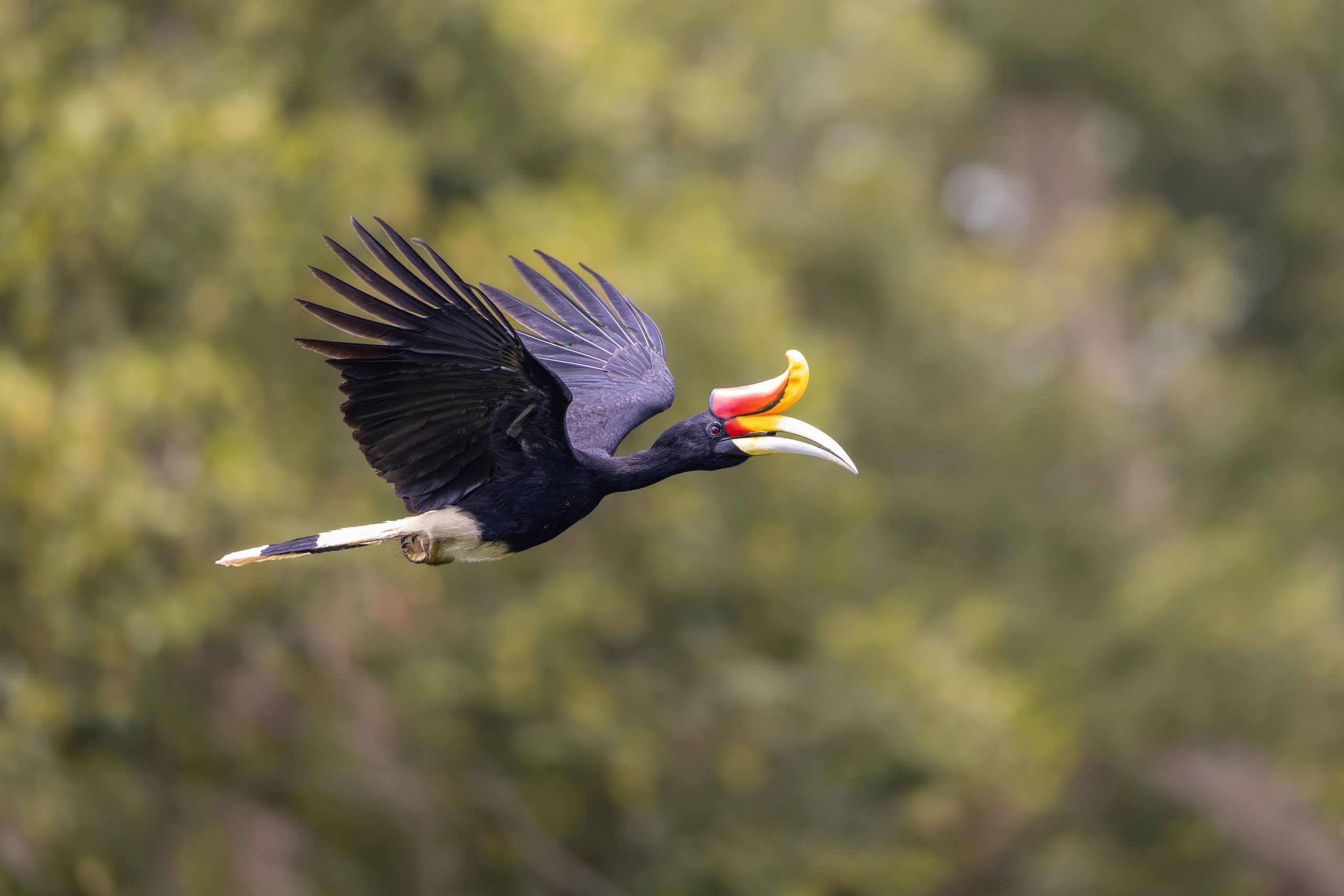
High in the canopy, I was most struck by the large bills and powerful wings of hornbills. The Rhinoceros Hornbill stands out for its impressive size and the distinctive helmet-like casque on its bill. Farther away, White-crowned Hornbills and Bushy-crested Hornbills call across the treetops. Many hornbill species feed on fruit, helping disperse seeds and quietly contributing to forest regeneration.
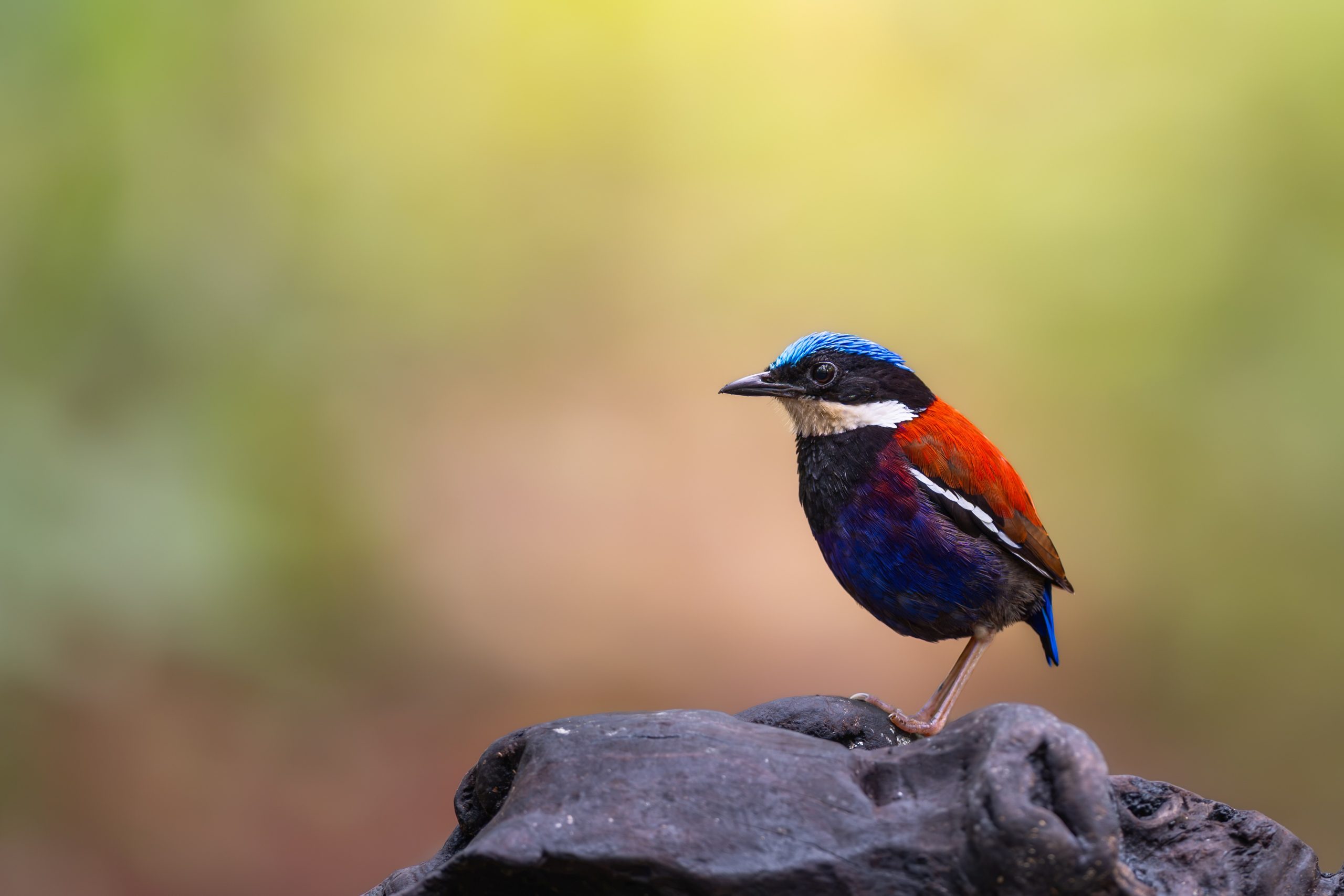
Yet looking only upward would mean missing another world right beneath my feet. Pittas, with their brilliant plumage, live discreetly on the forest floor. After a slight movement among the fallen leaves and a flash of blue or red, they vanish.
In higher forests, changing habitats bring another range of characteristic species. The Crimson-headed Partridge, despite its striking red head, is surprisingly difficult to spot on the dim forest floor. The farther I climbed, the more Borneo’s endemic species became part of the experience. “Endemic” was no longer just a term on a scientific checklist; it was there before me, in a bird I could find nowhere else in the world.
Unforgettable encounters
In a forest as vast as Borneo, knowing a species is present doesn’t mean seeing it will be easy. Some encounters last only a few seconds. Others require hours of searching. And some moments arrive only when the observer has learned to wait.
The Rhinoceros Hornbill was one such encounter. From the forest floor, an entire canopy layer separated me from the bird perched high above. Against the surrounding greenery, its huge bill and red casque made it unmistakable.
Taking a good photograph, however, was another matter. The bird might stay still on a branch, then spread its broad wings seconds later and vanish behind the foliage. I had to watch the light, the gaps between branches, and every slight movement overhead, waiting for a clear enough view.
If the Rhinoceros Hornbill kept my eyes turned upward, the Bornean Peacock-Pheasant demanded a patient search of the forest floor. One of Borneo’s elusive endemic birds, it inhabits mainly lowland forests and moves quietly beneath the canopy. Its striking colors do not make it any easier to spot. Among fallen leaves, tree trunks, and constantly shifting patches of light and shadow, even the slightest movement can make it disappear before you fully realize it is there. When the bird finally emerged, it felt as though the forest had briefly revealed a small part of a world it usually keeps hidden.
Other encounters made me more aware of the forest’s sheer scale. After four days of searching at the Rainforest Discovery Centre (RDC), an orangutan finally appeared among the treetops on a beautiful morning. As though rewarding my patience, it moved slowly from branch to branch before descending toward the canopy walkway where I was standing. I felt a mix of astonishment, joy, and a touch of nervousness. It was the first time I had seen an orangutan up close. For a moment, I almost forgot I was holding a camera.
At that distance, I wasn’t simply looking at one of Borneo’s remarkable animals, but at an individual living in the very ecosystem that sustains it. Orangutans depend heavily on the forest for food and movement, and they also help disperse seeds as they forage.
We may begin a journey hoping to see a particular species, but when the encounter finally happens, what remains is more than a photograph. It is the feeling of briefly entering a world humans can otherwise only observe from the outside.
Forests and rivers
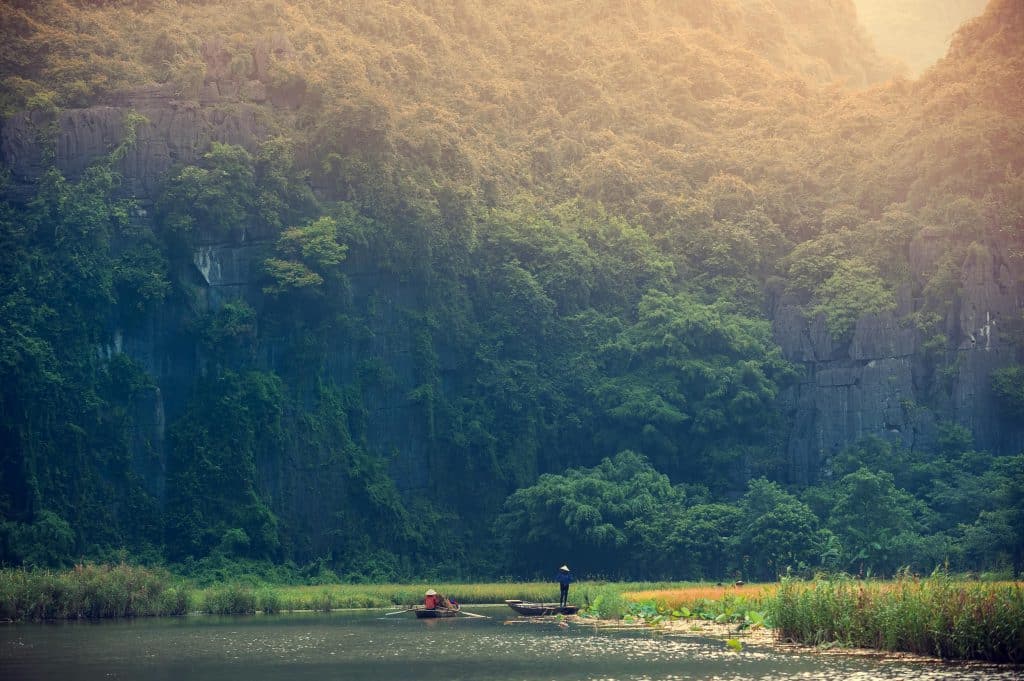
After days of walking through the forest, I continued my journey along the winding Kinabatangan River. Seen from the water, the forest revealed itself differently. The narrow trails beneath the canopy gave way to long stretches of riverside woodland, where the light was more open and animal movements sometimes easier to detect.
Here, I had encounters unlike those in the forest. Peering out from the riverside canopy, I saw the unmistakable face of a Proboscis Monkey, with its curious expression and characteristic long nose. This distinctive Bornean primate is closely associated with riverine forests, wetlands, and other water-adjacent habitats. At times, entire groups sat prominently on tree branches; at others, they moved swiftly through the foliage and vanished from sight.
Red Leaf Monkeys and countless bird species also appeared along the river, offering glimpses of this landscape’s richness. As I left the Kinabatangan behind, I carried the feeling that Borneo still held far more than I had managed to see.
A world of endless surprises
Twenty days in Sabah passed more quickly than I expected. The journey took me through different forests, beneath towering canopies, across the dim forest floor where patience was essential, and along rivers winding through ancient woodland.
When I left Borneo, what stayed with me most was not a photograph or a particular animal. It was the sound of the forest: calls from places I could not see, the faintest movement among the leaves, and silences that reveal themselves only when we slow down enough to notice they, too, are part of the forest.
Nature photography, perhaps, is not only a journey to find what we can see. Sometimes, what matters more is learning how to listen to everything happening around us.