
Nguyen Hai
Meet the dedicated caretakers and scientists helping return injured and trafficked wildlife to Phong Nha–Ke Bang’s forests.
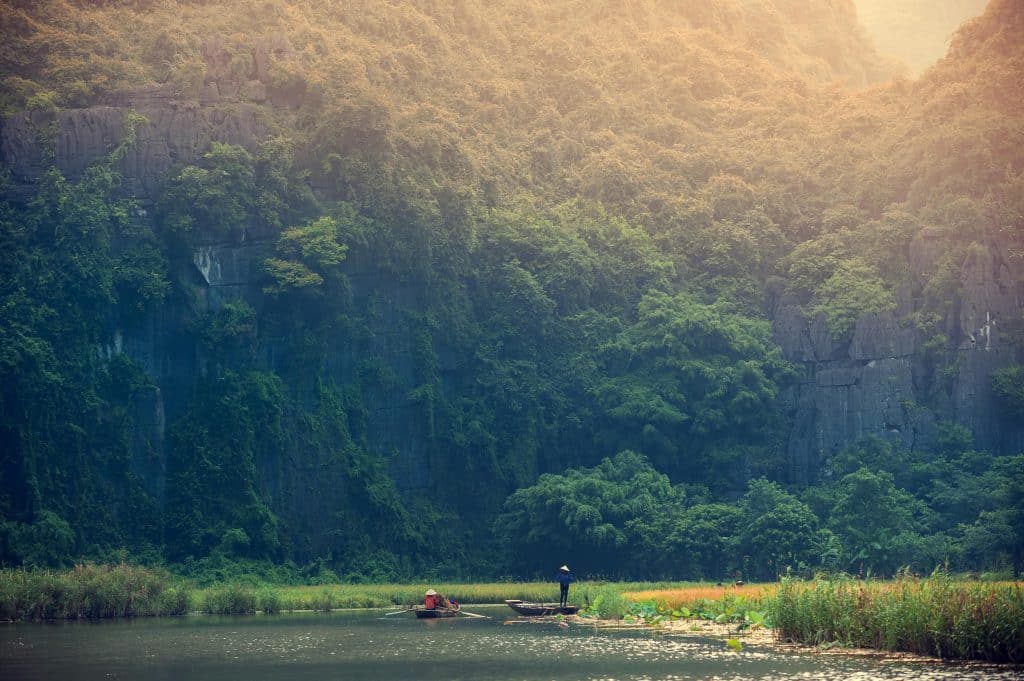
A quiet sanctuary few visitors ever see lies in the heart of the Phong Nha – Ke Bang World Natural Heritage site, where million-year-old karst formations embrace lush primeval rainforests. This wildlife rescue facility is operated by the Center for Rescue, Conservation and Development of Wildlife under Phong Nha – Ke Bang National Park.
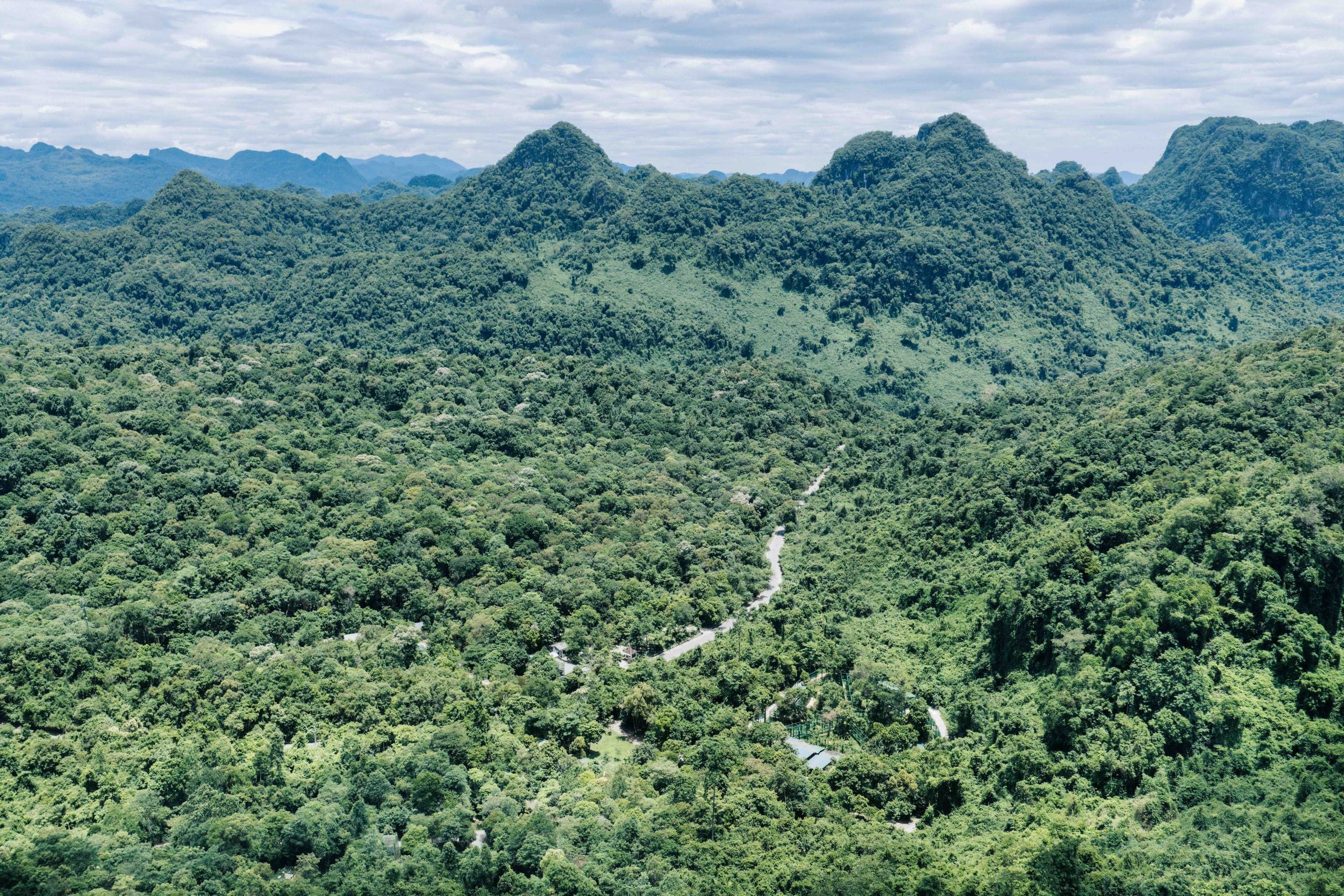
Serving as a field hospital of sorts, this center offers a second chance to hundreds of wild animals that were trafficked, illegally poached, or voluntarily surrendered by organizations and residents. Behind every scar and fearful glance through iron bars lies a painful history of physical injury and impaired instincts, as well as a multi-year rehabilitation journey to return these animals to the wild, where they belong.
Awakening wild instincts
For the caregivers, a typical day begins with quiet footsteps along the rows of enclosures. The early morning check is meticulous: did the monkey sleep soundly through the night? Did the tiger finish its ration of fresh meat? Does the great hornbill show any signs of distress? Every small detail provides essential data for the creatures’ daily care. The center currently houses and rehabilitates more than 20 rare and endangered species, including Indochinese tigers, great hornbills, slow lorises, pangolins, diverse primates, and box turtles.
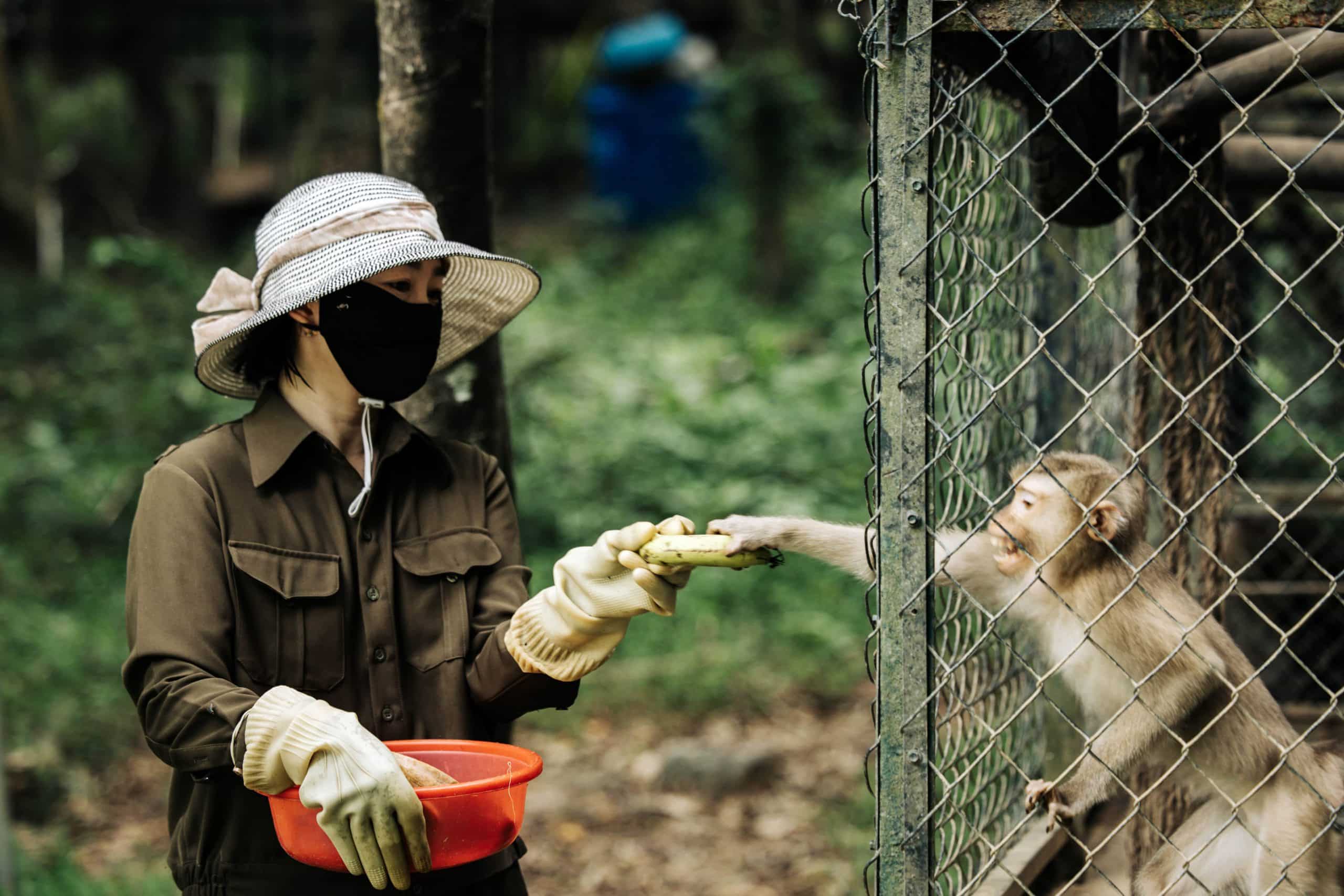
Each species requires a specific diet. Staff precisely portion fresh fruits and vegetables for each monkey, prepare wild gum for slow lorises, and feed tigers raw meat that has passed stringent epidemiological inspections. Yet proper nutrition is only the foundation. To prevent behavioral disorders, environmental enrichment plays an equally vital role.
Unlike a public attraction, the ultimate goal is to restore natural behaviors and, whenever feasible, return animals to the wild. For this reason, caregivers strictly avoid direct handling or affectionate pampering that could make animals dependent on humans. Instead, they focus on helping animals maintain and recover their instincts. For example, they hide treats deep inside leafy branches so monkeys can forage; scatter dry leaves so turtles can burrow beneath them; and apply unfamiliar scents to logs to stimulate a tiger’s hunting instincts. Every subtle intervention helps keep their wild instincts alive.
Behind every rescue
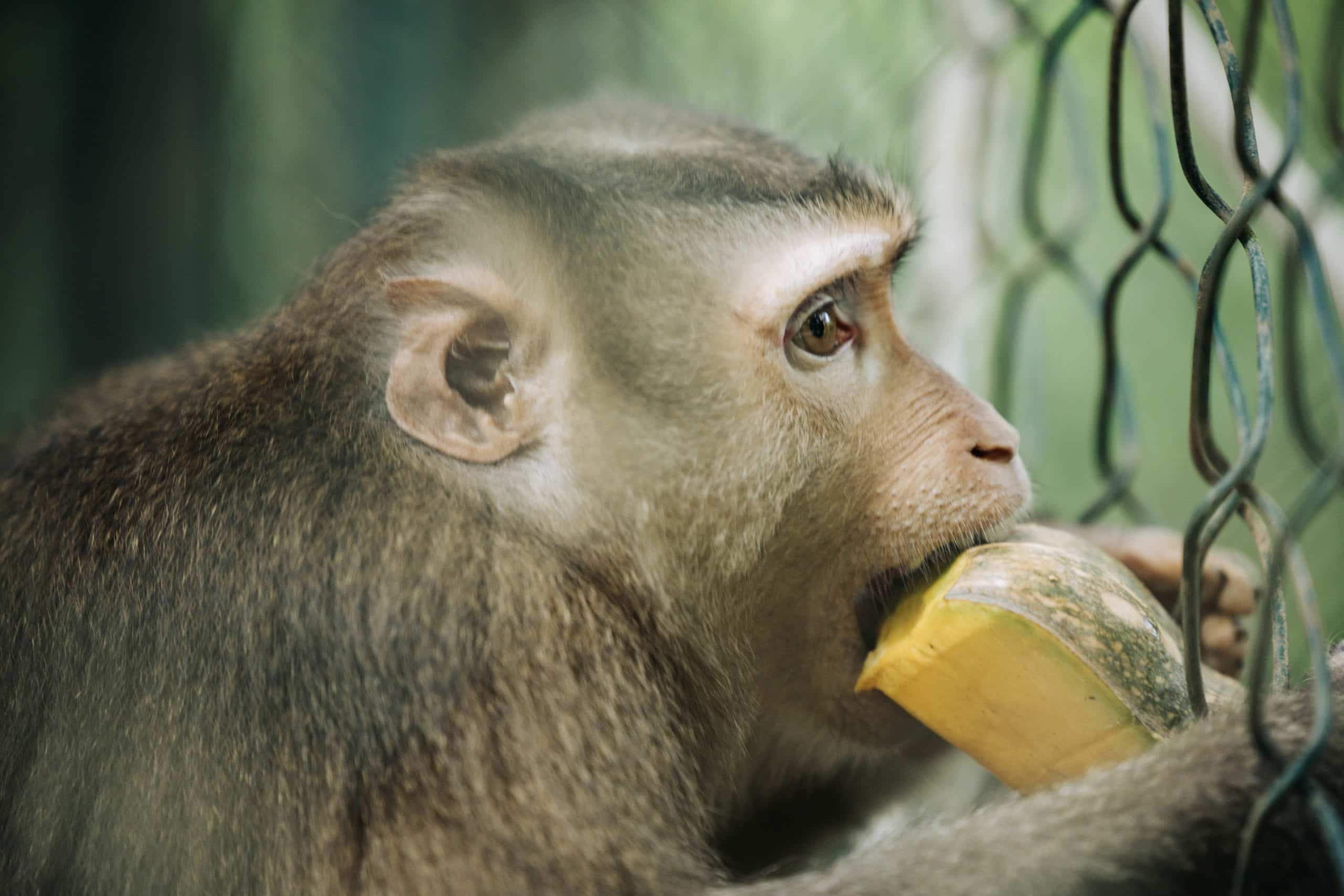
Every animal brought to the center arrives with its own story. While physical injuries are visible on the surface, psychological wounds can take years to heal. Bac, a pig-tailed macaque, is a clear example.
Bac arrived at the facility in a heartbreaking condition: missing a foot, covered in scratches, and bearing severe self-inflicted wounds. Torn from his mother at a young age and sold into the pet trade, Bac grew distressed in a cramped metal cage when his adult instincts stirred. For a highly social species like the pig-tailed macaque, extreme isolation triggered a major psychological crisis, driving Bac to claw and bite his own limbs to cope with his distress.
When the team took Bac in, they first focused on rebuilding his trust. Over several months, they patiently introduced items to engage him, maintained a safe distance, and created a tranquil environment. The turning point came when the center paired Bac with another macaque. After years of isolation, Bac learned to share fruit, groom his companion, and find comfort among his own kind. This natural interaction offers hope that Bac may soon be ready to join a wild troop in Phong Nha’s leafy forests.
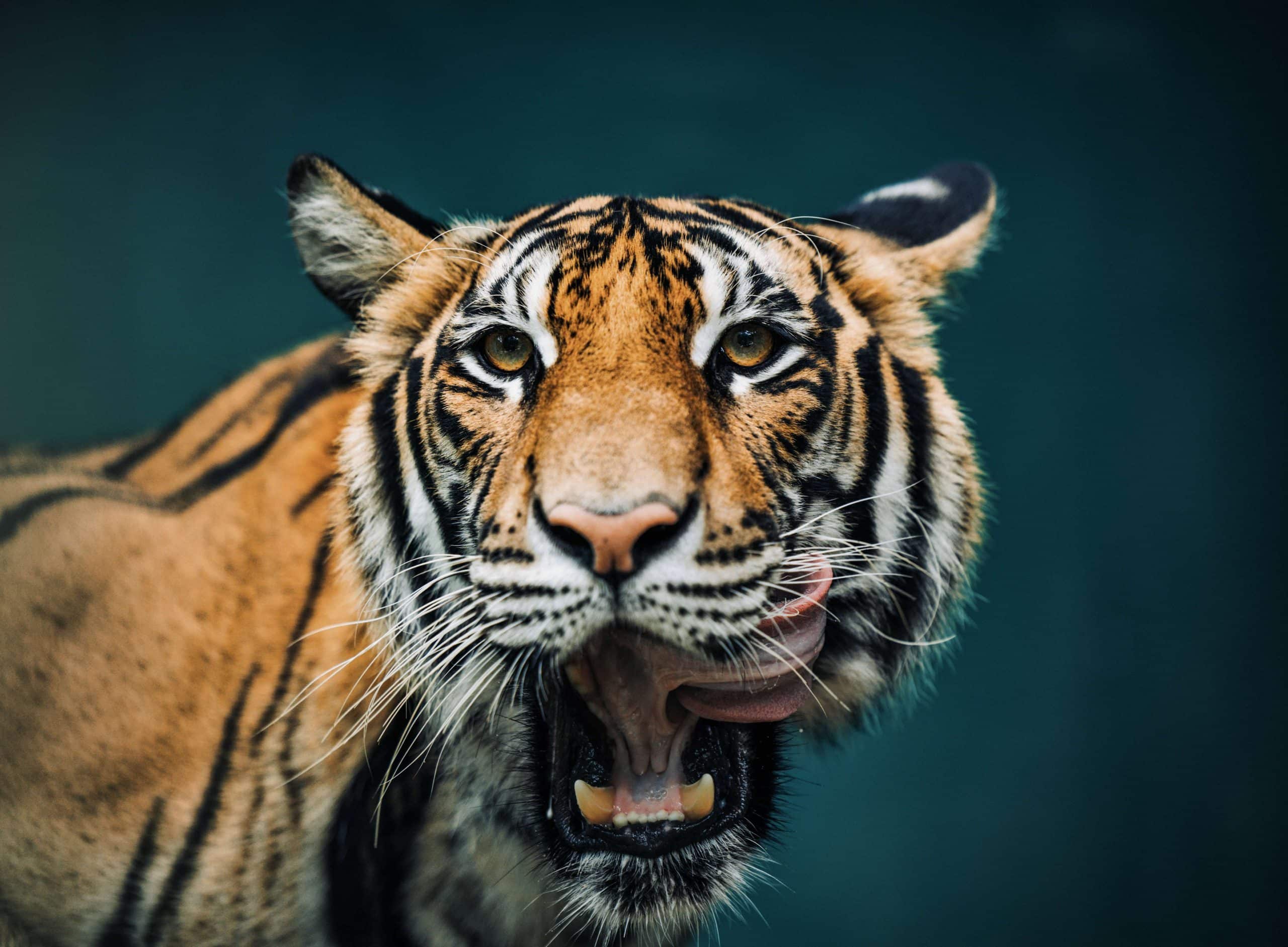
As Bac slowly regains his instincts through social bonding, the seven Indochinese tigers at the center face a future where the door back to the wild remains closed. In 2021, rescuers found them as fragile cubs, only a few weeks old, after they were saved from an illegal breeding operation in Nghe An. In March 2022, Phong Nha-Ke Bang National Park and international experts coordinated a major transfer operation that safely brought all seven tigers to the center.
After four years of dedicated care, the once-frail cubs have grown into majestic adults weighing nearly 200 kilograms. They move with grace, swim in pools, sharpen their claws on Cassia logs, and will soon move into a semi-wild enclosure covering thousands of square meters so they can feel grass beneath their paws. Without having learned to hunt as cubs, they cannot be returned to the wild. Yet their presence at the center remains an enduring reminder of biodiversity’s importance.
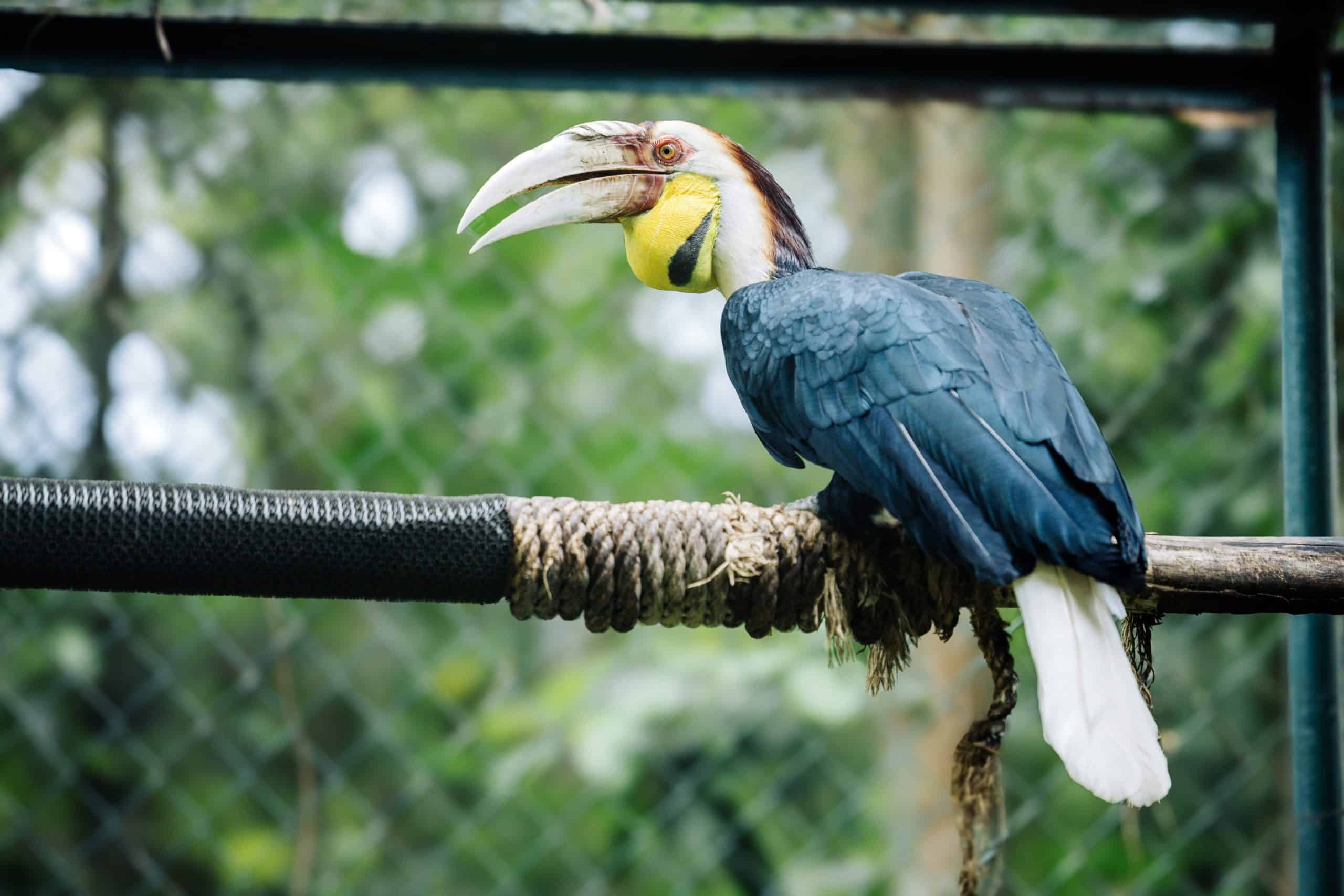
Not every rescue ends behind an enclosure’s fence. For the great hornbill, known locally as the “earth phoenix”, the ultimate destination is always the open sky. Returning an injured hornbill to nature may involve three to four years of intensive wing-bone treatment, beak care and assessment, social pairing, and flight conditioning in specialized flight aviaries, where the birds practice perching and tearing open forest fruits.
Every health indicator, from bacterial test results to resting heart rate, must meet strict criteria before a bird can be released. Only when the aviary gate opens and a hornbill takes flight, its brilliant yellow wings disappearing beyond the limestone cliffs, can the conservationists finally relax, knowing this icon of the ancient woods has truly been reborn.
A message from the forest
Although Vietnam is rich in biodiversity, the illegal wildlife trade is putting immense pressure on its natural resources. Through this article and photo essay, the center’s conservation team shares a vital message: wildlife’s true value isn’t in expensive delicacies or decorative cages, but in its freedom beneath the ancient forest canopy. Protecting wild creatures isn’t just the rangers’ responsibility. This biodiversity depends on us rejecting products made from wild animals.
Late in the afternoon, slanting sunlight filters through the mahogany leaves. As visitors leave the rescue center, they carry hope that compassion, guided by sound science, can help the ancient forest heal and let wildlife thrive once more in the heart of Phong Nha-Ke Bang.