Story: Phan Quoc Vinh
Photos: Le Tan Thanh
Discover the stunning beauty of Bach Ma National Park and the dedicated rangers protecting its forests and wildlife.
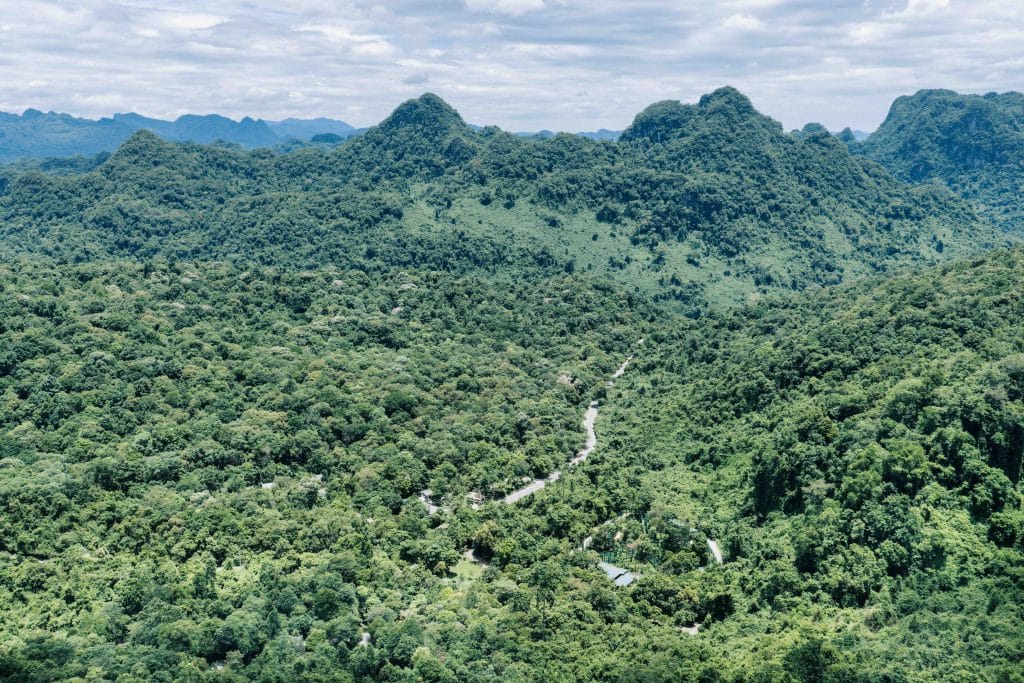
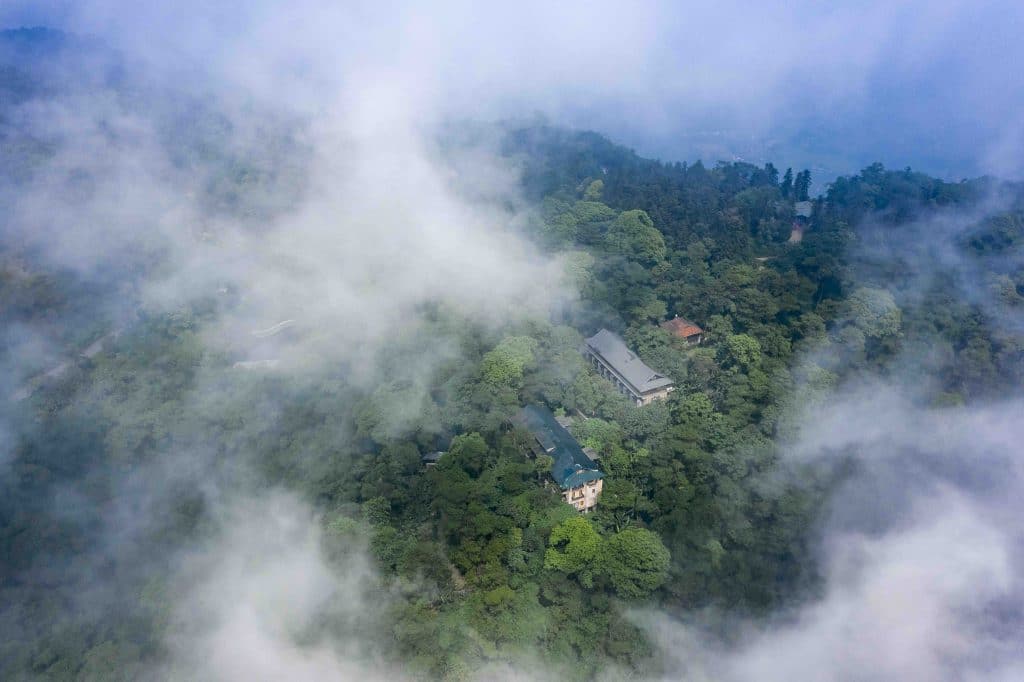
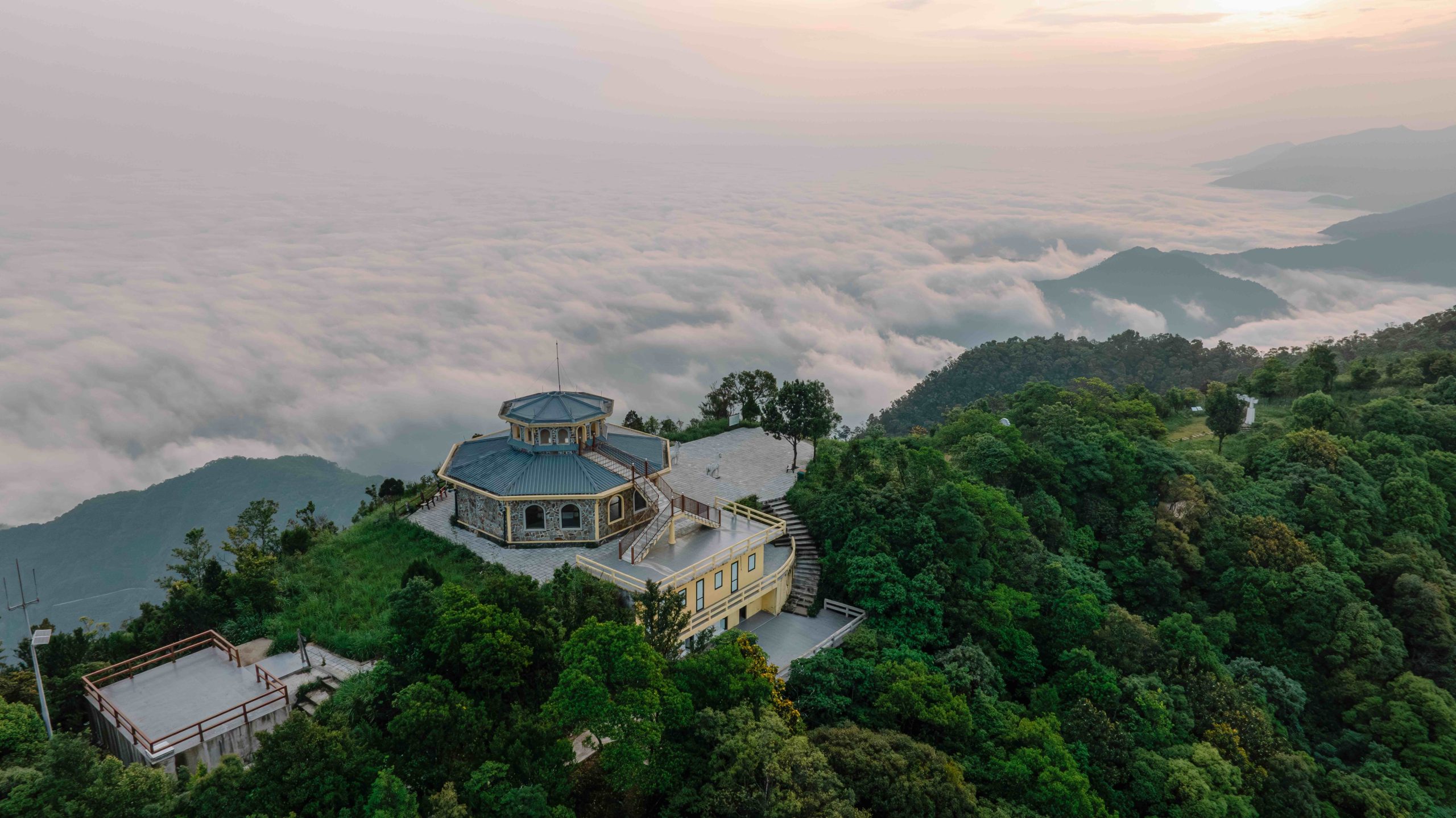
From Vong Hai Dai on the summit of Mount Bach Ma, cascading ridges stretch down toward Cau Hai Lagoon and the distant sea, like a traditional ink wash painting. Yet behind this serene beauty lies the quiet dedication of the rangers in Bach Ma National Park in Phu Loc, Hue City. They regularly venture deep into the wilderness, crossing streams and scaling steep slopes to safeguard the forest.
On patrol
Accompanying the rangers on patrol, we quickly realized that forest protection involves far more than simply following a trail and heading back. Many routes require them to follow rocky streams, clamber over slick boulders, or push through dense undergrowth. At times, the team pauses midstream to check their maps; at others, they fan out to scour the area, since a single snapped branch or fresh footprint can signal illegal poaching, trapping, or trespassing.
Deep in the wilderness, sharp navigational skills and mutual support are essential.
Nguyen Vu Linh, Director of Bach Ma National Park, noted that rainy-season patrols are often the most memorable because conditions can change in an instant. Heavy mist can roll in, and quiet streams can suddenly turn into raging torrents.
“There are moments when we have to test every single step to avoid slipping or being swept away,” he said. “When we uncover traces of poachers, the entire unit must follow them with extreme caution, as hidden traps pose a serious threat to wildlife and rangers alike.”
Before every expedition, they carefully prepare rations, drinking water, raincoats, hammocks, headlamps, medical kits, GPS devices, and communication gear. Patrol routes, rest stops, stream crossings, and landslide-prone areas must be mapped out in advance. Today, digital mapping, GPS units, drones, and camera traps provide invaluable support in the field. Even so, boots on the ground remain irreplaceable, as no technology can fully replace a ranger’s seasoned ability to read subtle tracks in the wild, spot hidden snares, and manage unexpected crises.
Walking through Bach Ma reveals a thriving world of wildlife, where a moment’s inattention might make you miss a stick insect camouflaged against a branch, a bird hidden in the high canopy, or tiny animal tracks in the leaf litter. This rich yet fragile biodiversity gives every patrol a purpose beyond simply monitoring natural resources. Protecting the forest means safeguarding a sanctuary where countless species thrive within Bach Ma’s ecosystem.
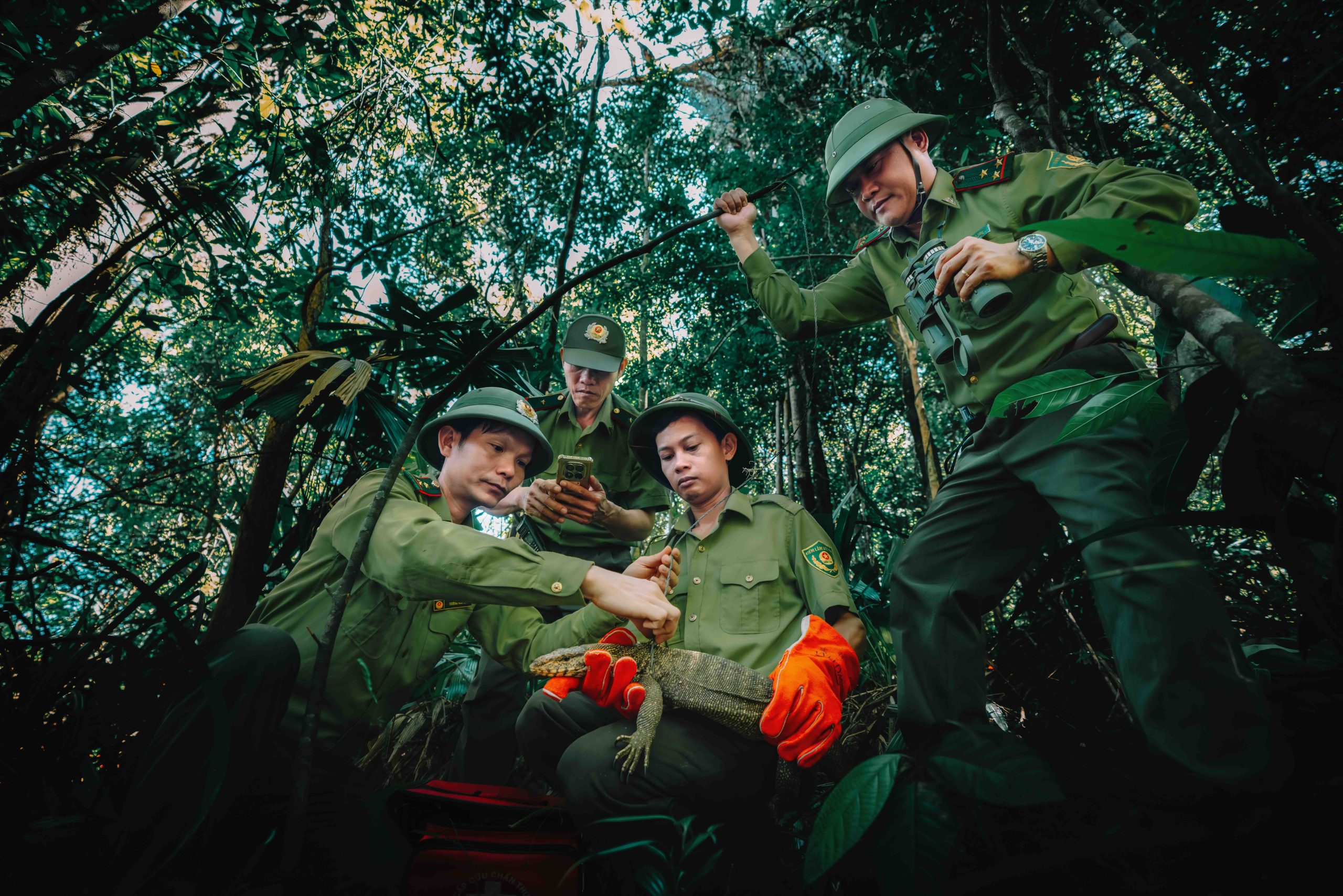
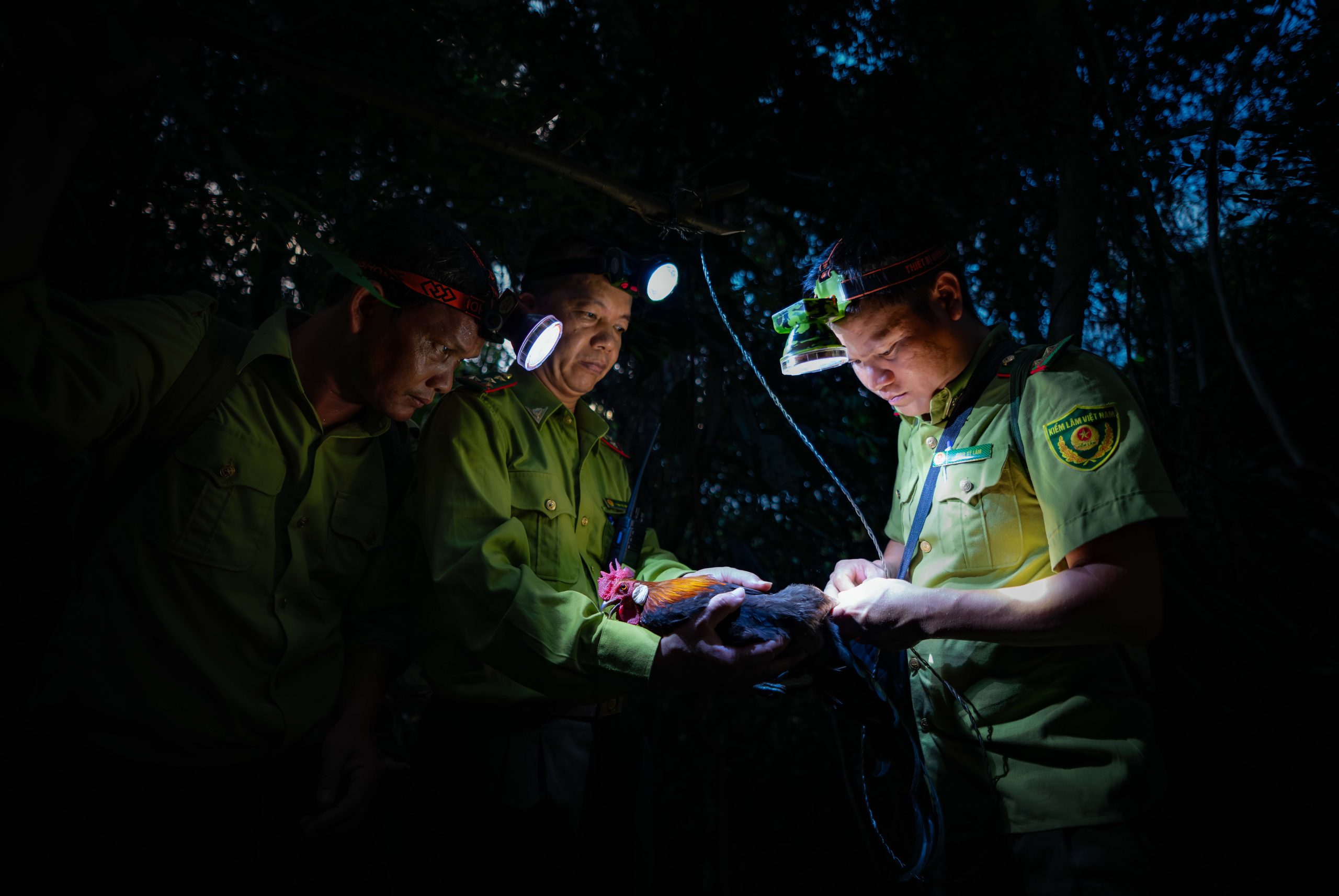
A routine patrol can suddenly turn into an urgent rescue if rangers find an animal caught in a snare. Every minute matters, as the wire can tighten around an animal’s leg or neck, leaving it injured and exhausted. Ranger Linh said he always felt heartbroken at the sight of a snare lying silently in wait, ready to kill any creature that crosses its path.
The greatest challenge is freeing the animal while keeping both it and the team safe. An injured animal may panic and lash out instinctively, so rescuers must carefully assess the type of snare and the severity of the wounds. They then work with technical staff and veterinarians to remove the wire, administer first aid, and provide any necessary care. Many rescue efforts continue well into the night, illuminated only by headlamps.
Through it all, the greatest reward comes when the transport cage opens deep in the forest. Team members cherish the sight of an animal pausing for a moment before bolting into the safety of the foliage. At that point, every hardship feels worthwhile, as they return a precious life to the wild.
Sowing love for tomorrow’s forests
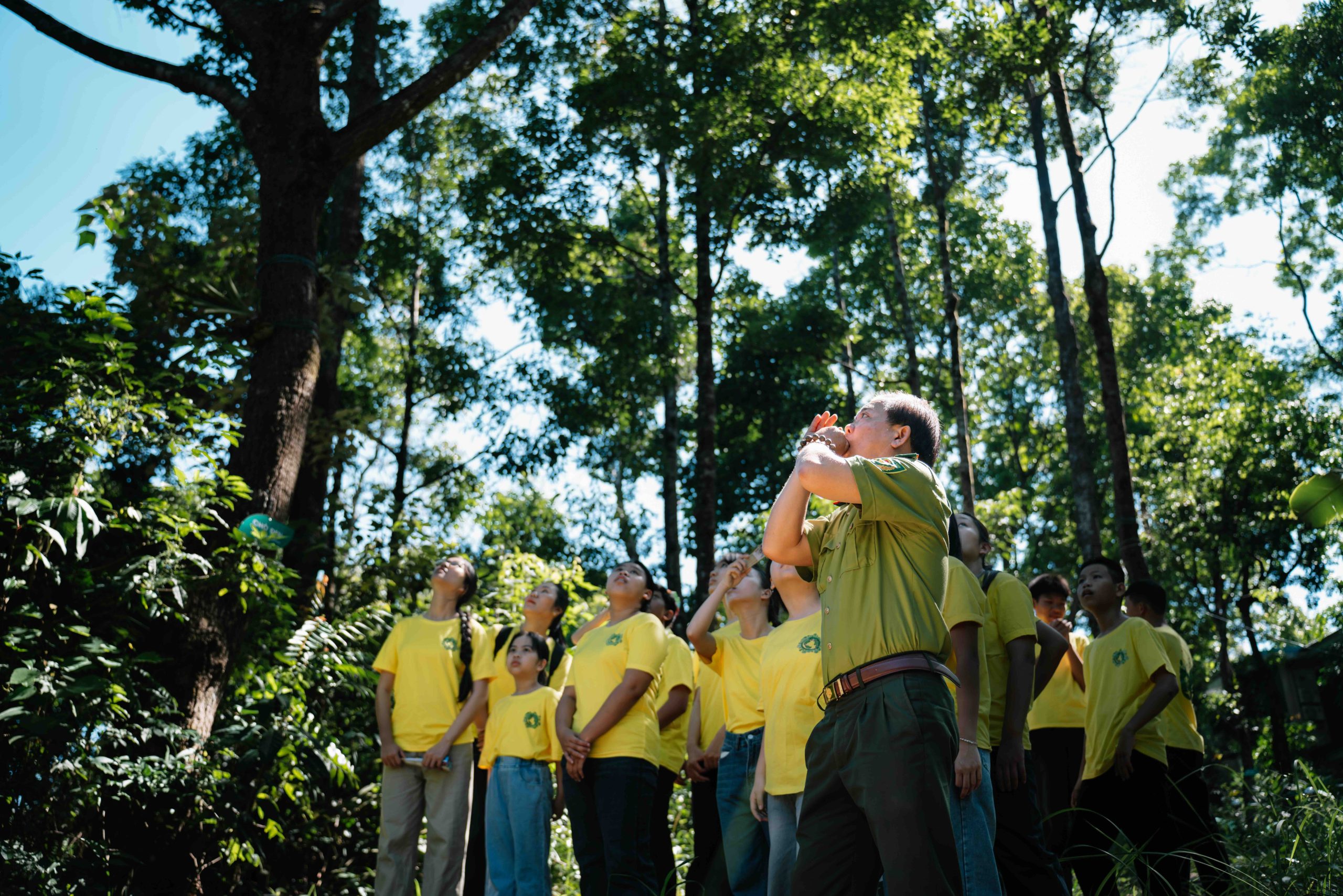
Conservation extends beyond patrols and rescues. If a trap is removed today only to be replaced tomorrow, the danger remains. That is why the rangers also take students into the forest to observe, listen, and learn about the vital roles forests, water sources, and wildlife play. These trips come alive when Ranger Truong Cam mimics the calls of different bird species, drawing them closer into view.
Through these hands-on experiences, the forest becomes more than an abstract concept. In the eyes of the young students, it becomes a living world, filled with sounds and activity.
After years of dedicated service, what keeps the rangers committed is their deep love for Bach Ma. Every birdcall, animal footprint, and fresh green sprout reminds them of the value of their work.
As we leave the forest behind, along with memories of the sweeping mountain ridges below Vong Hai Dai and the shimmering waters of Cau Hai Lagoon, we carry images of rangers in green uniforms tirelessly crossing streams, inspecting faint tracks, and caring for trapped animals. In the vast wilderness of Bach Ma, this “green mission” takes shape with every step on patrol, every snare removed, every animal returned to the wild, and every young person who learns to love and protect the forest.