Hoang Ha Nguyen
The first thing that surprised me when I arrived in the Maldives wasn’t the white-sand beaches or turquoise waters so often seen in online photos, but the way travelers leave the airport.
The sea as a highway
After a long journey from Hanoi with a connection in Singapore, our flight landed at Velana International Airport on Hulhule Island. I had assumed that after collecting our luggage, our journey would continue in much the same way as anywhere else: walk out of the terminal, get into a taxi or hotel car, and drive to the resort.
But not in the Maldives.
Outside the airport, the vehicle awaiting us was a speedboat, which would travel through the night.
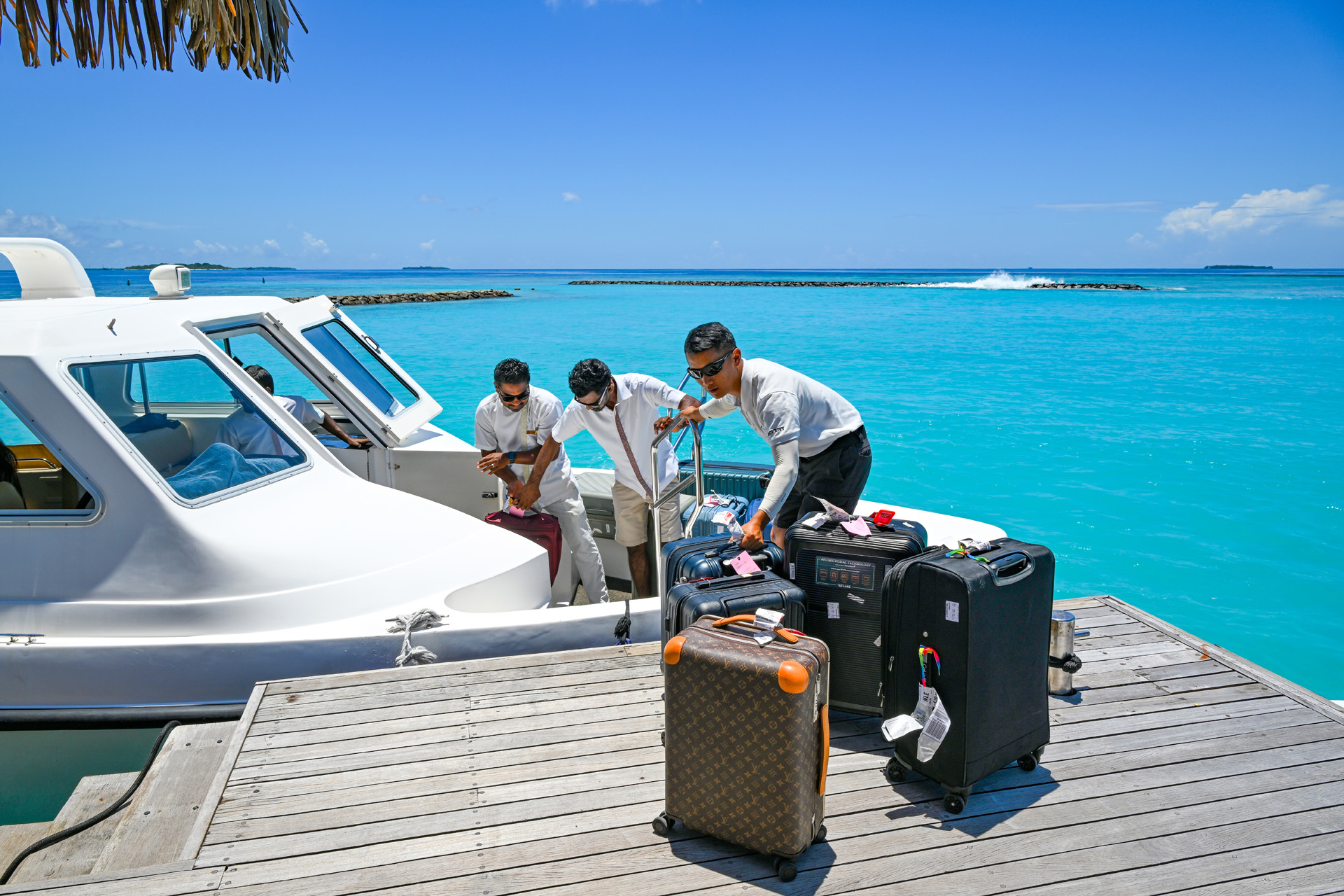
Our luggage was loaded on board, everyone put on life jackets, and the boat accelerated away from the pier. The airport gradually disappeared behind us, while the vast Indian Ocean stretched ahead. No highways or rows of buildings lining the road. Here, the sea itself is the road.
That’s when I began to understand how special the Maldives is.
The Maldives lies in the Indian Ocean, south and southwest of India and Sri Lanka. The country consists of around 1,200 small coral islands grouped into 26 atolls. These islands stretch for hundreds of kilometers across the ocean, yet their total land area is only about 298sq. km.
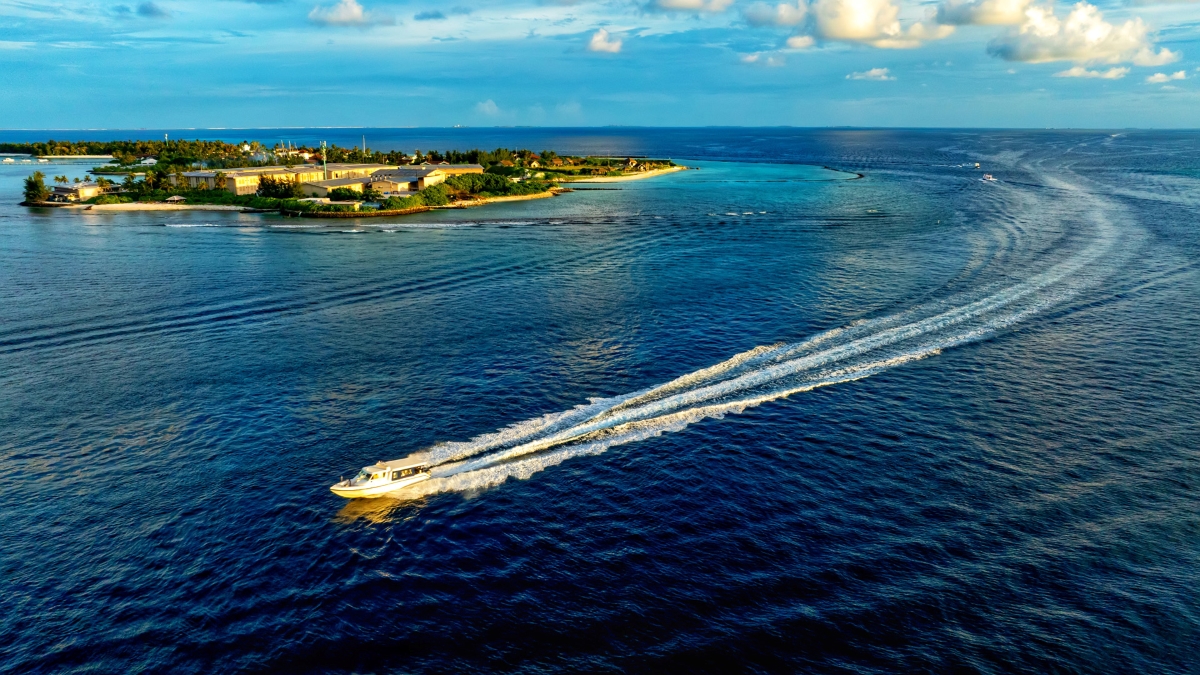
Some islands are so small that it takes only a few minutes to walk from one side to the other. Because the islands are scattered, transport is very different: speedboats, ferries, and seaplanes are essential to everyday life, and especially for tourism.
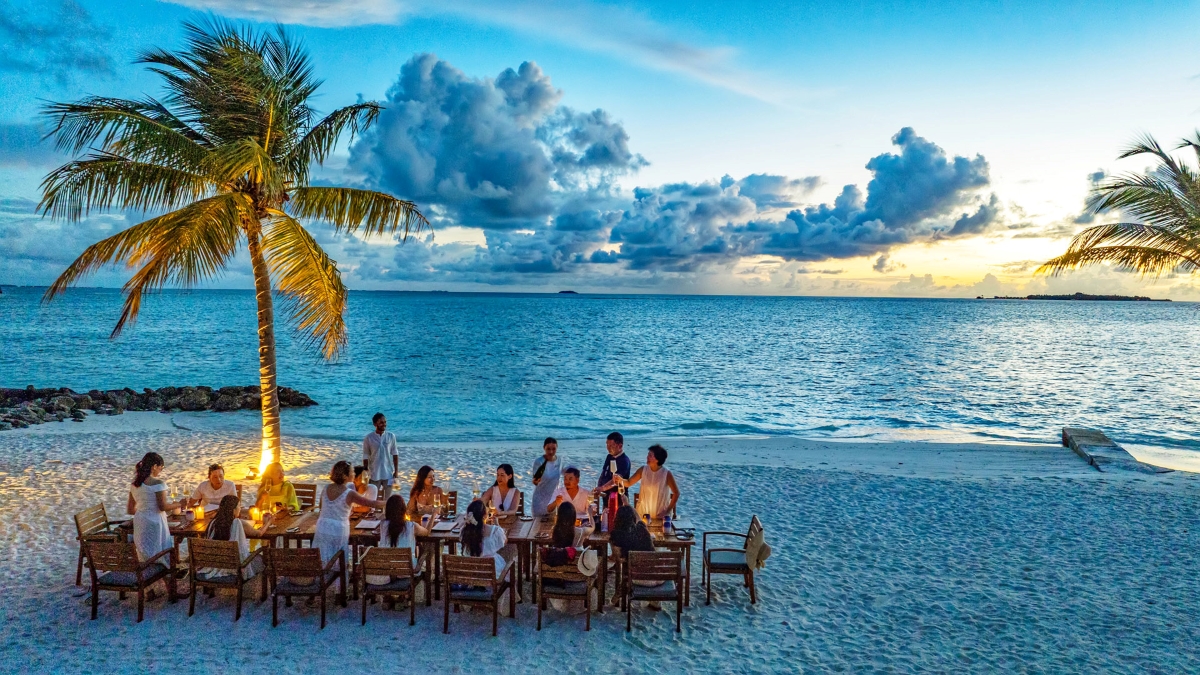
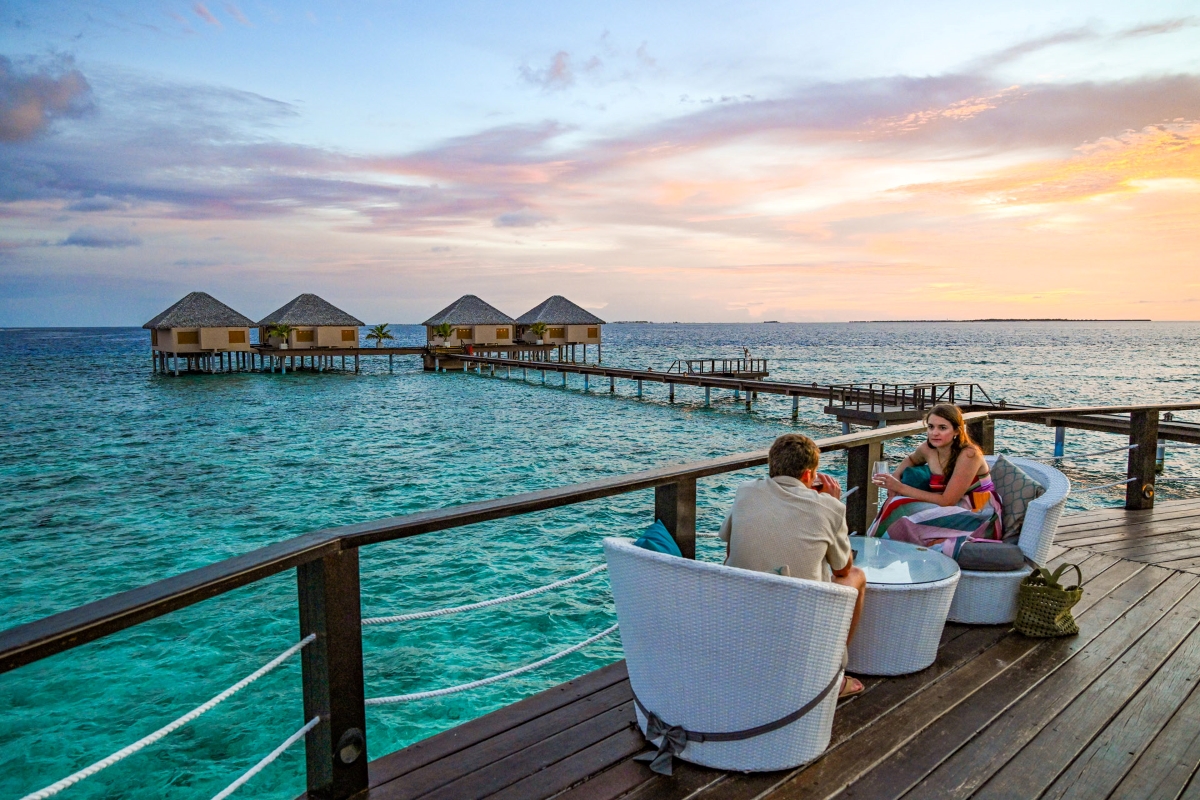
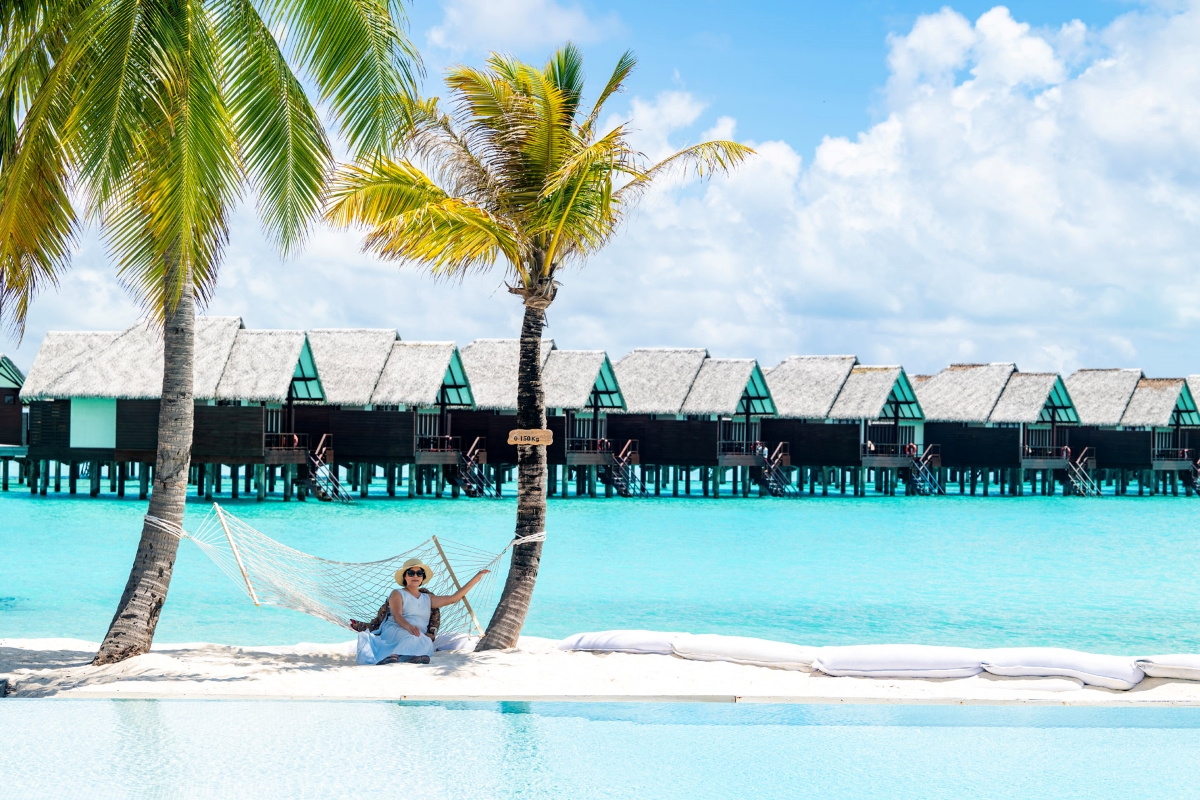
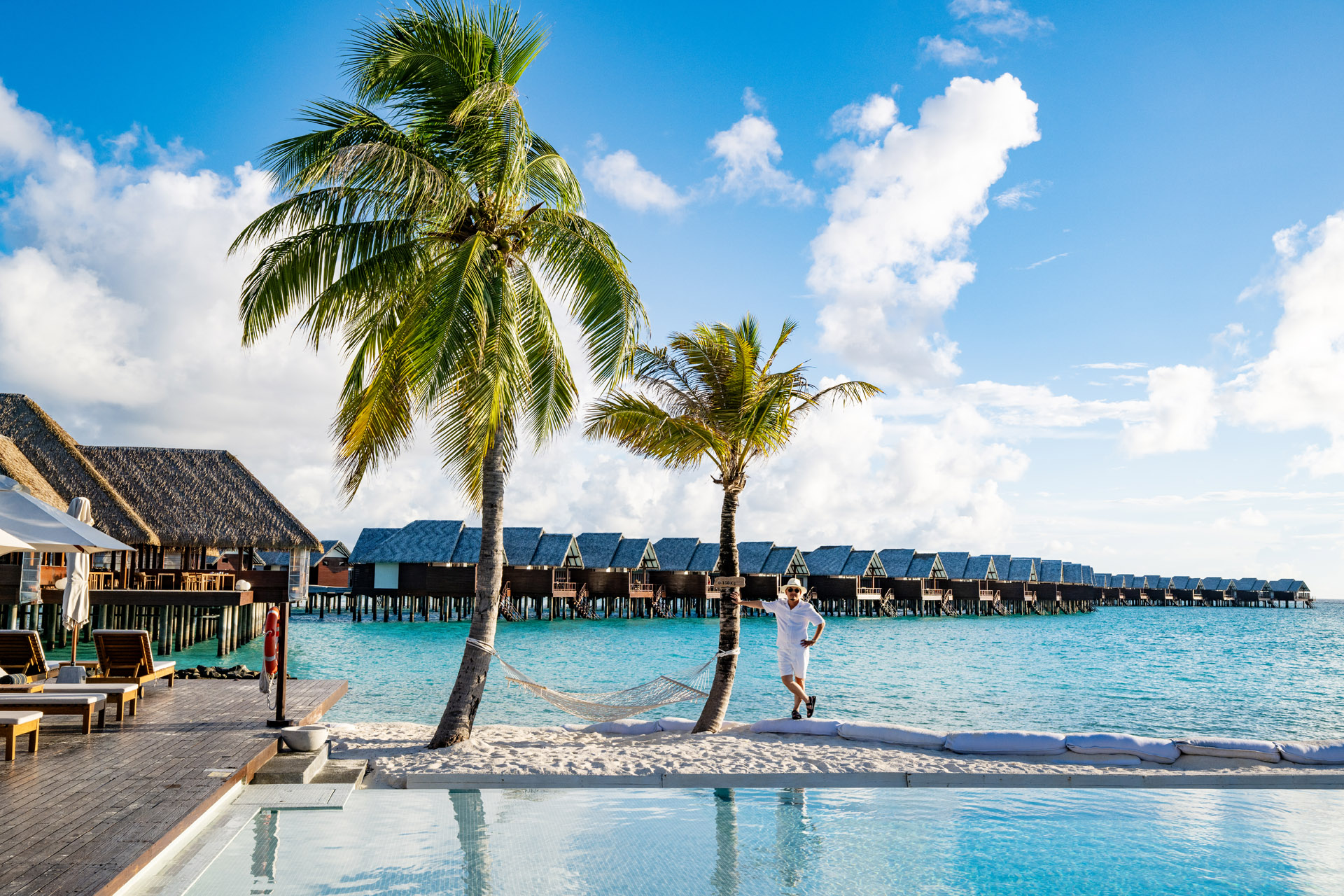
The Maldives has also developed a distinctive tourism model: “one island, one resort.” Many resorts occupy an entire island, completely separate from local residential areas. The Maldives uses its geography to give travelers what they come for: privacy, clear blue water, coral reefs, and the feeling of having an island almost to yourself. The Maldives has turned its scattered islands, which might otherwise be seen as a geographical disadvantage, into one of its greatest assets. This has helped the country build a tourism industry recognized worldwide despite its limited land area.
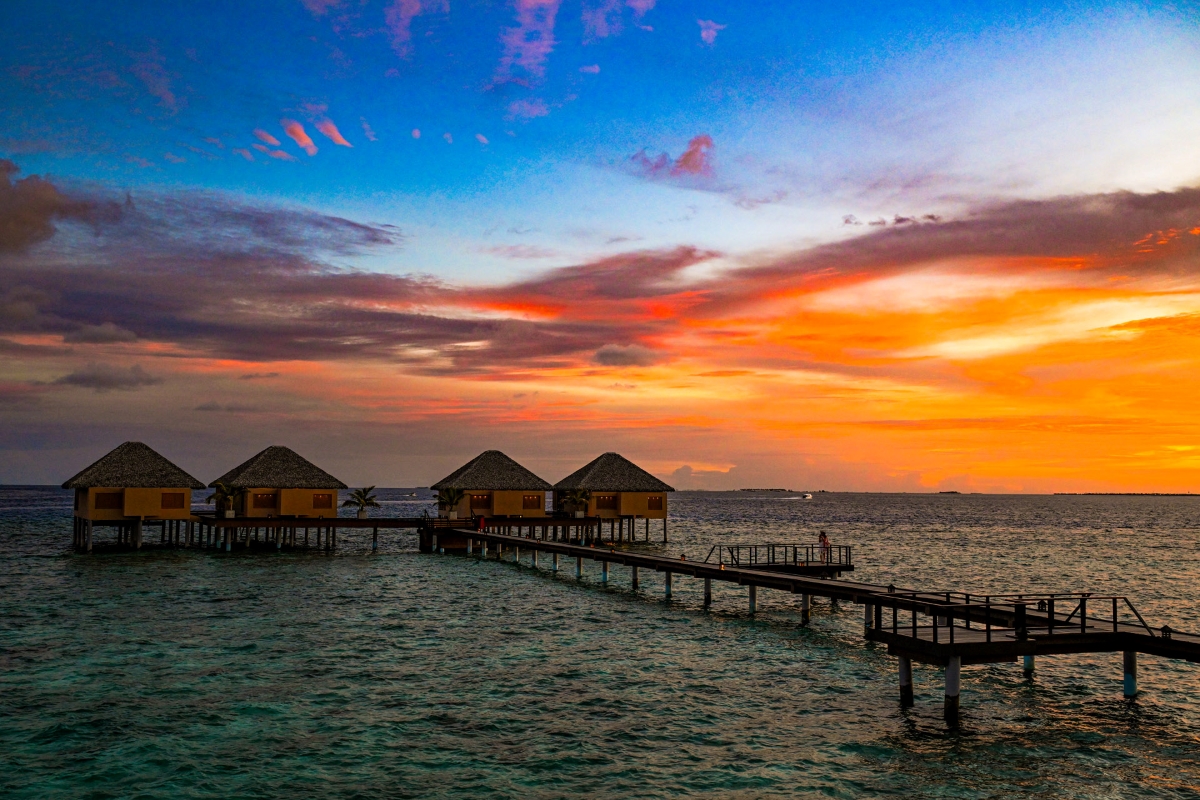
A thousand shades of blue
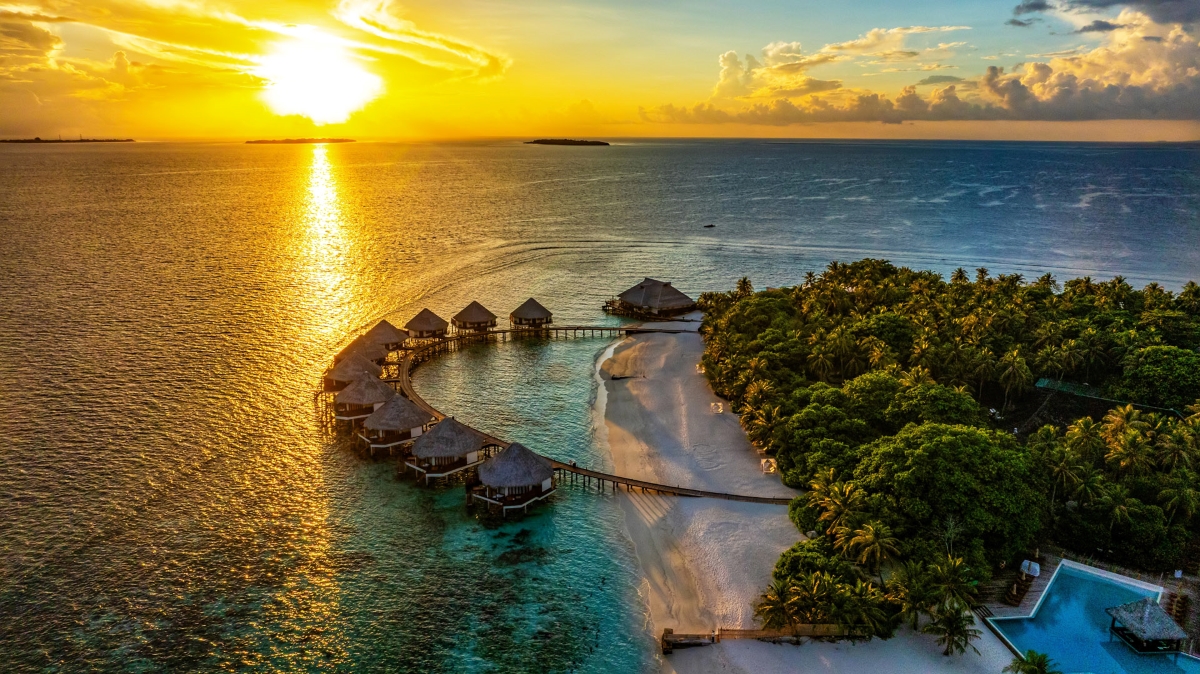
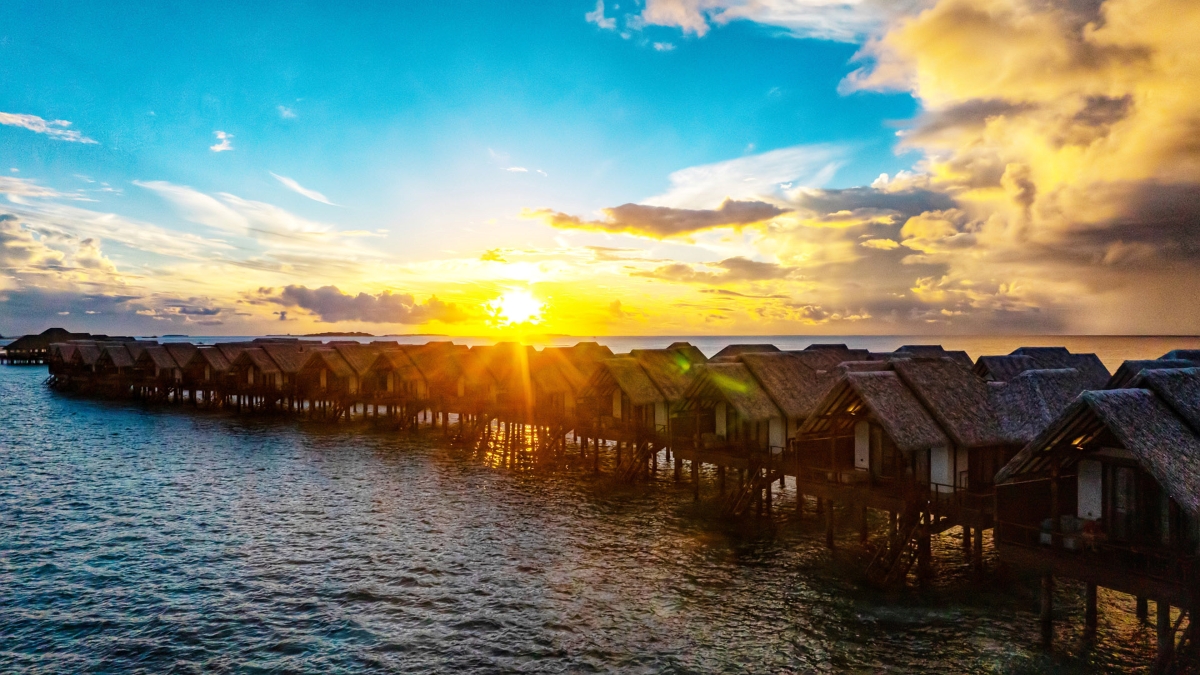
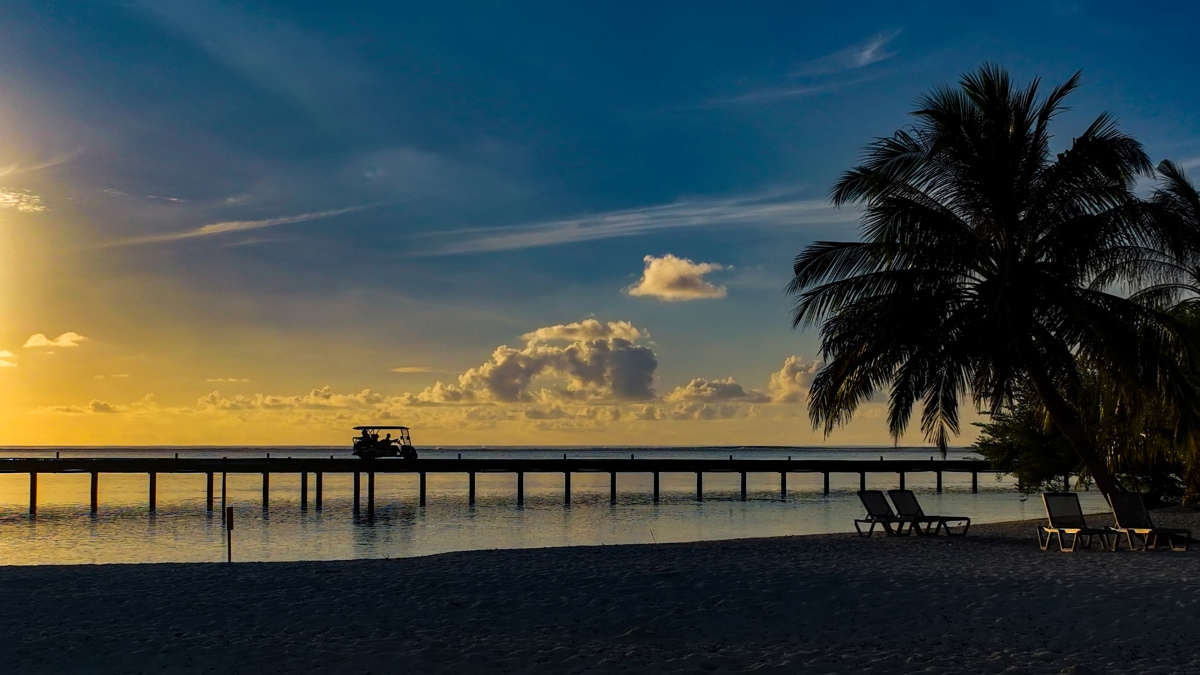
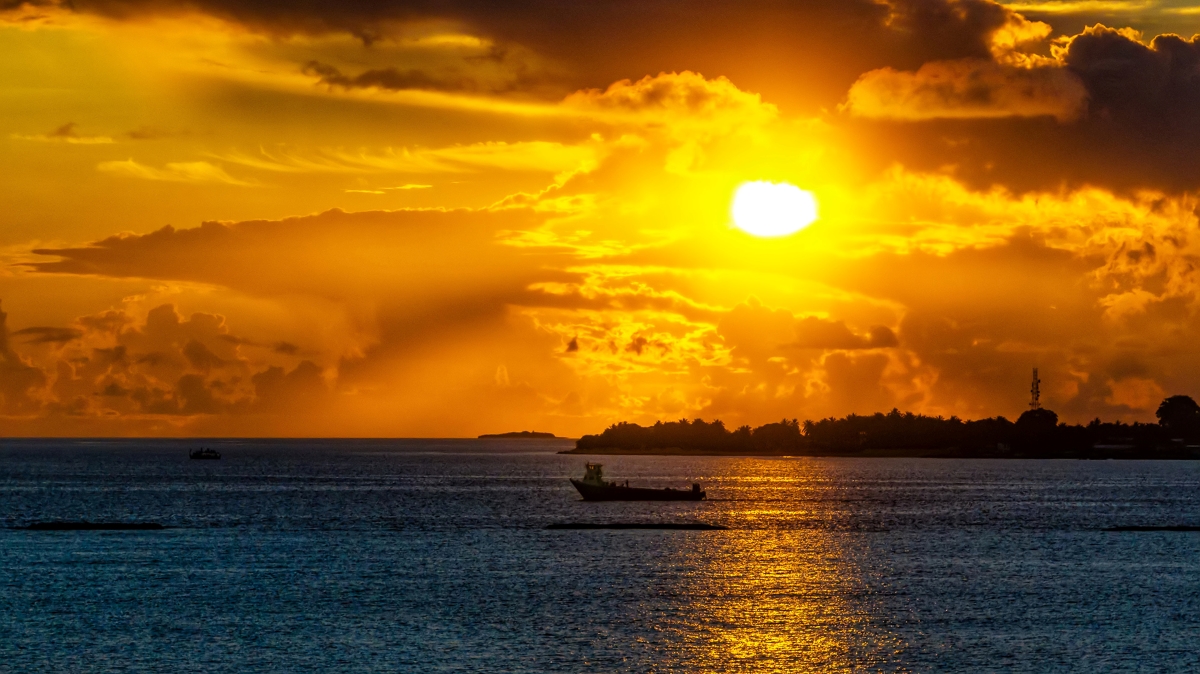
The next morning, I woke early to watch the sunrise. Before the sky was fully bright, the sea was calm and a thin line of light appeared along the horizon. Gradually, the rising sun’s rays spread across the water, and different shades of blue emerged.
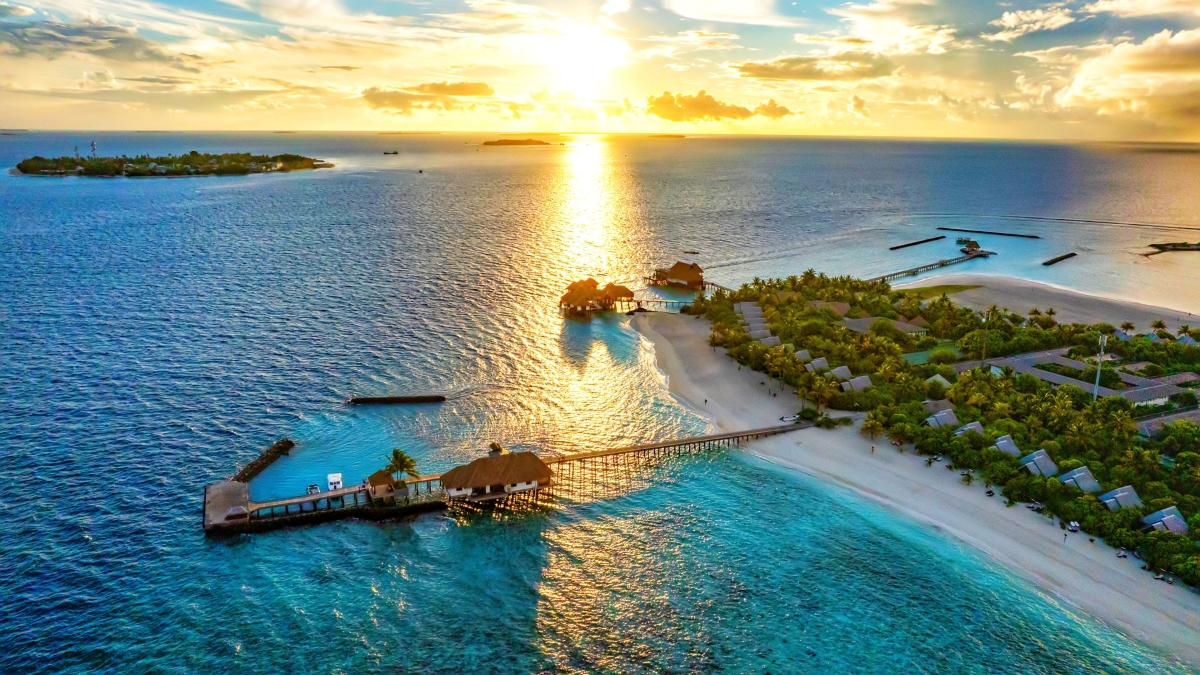
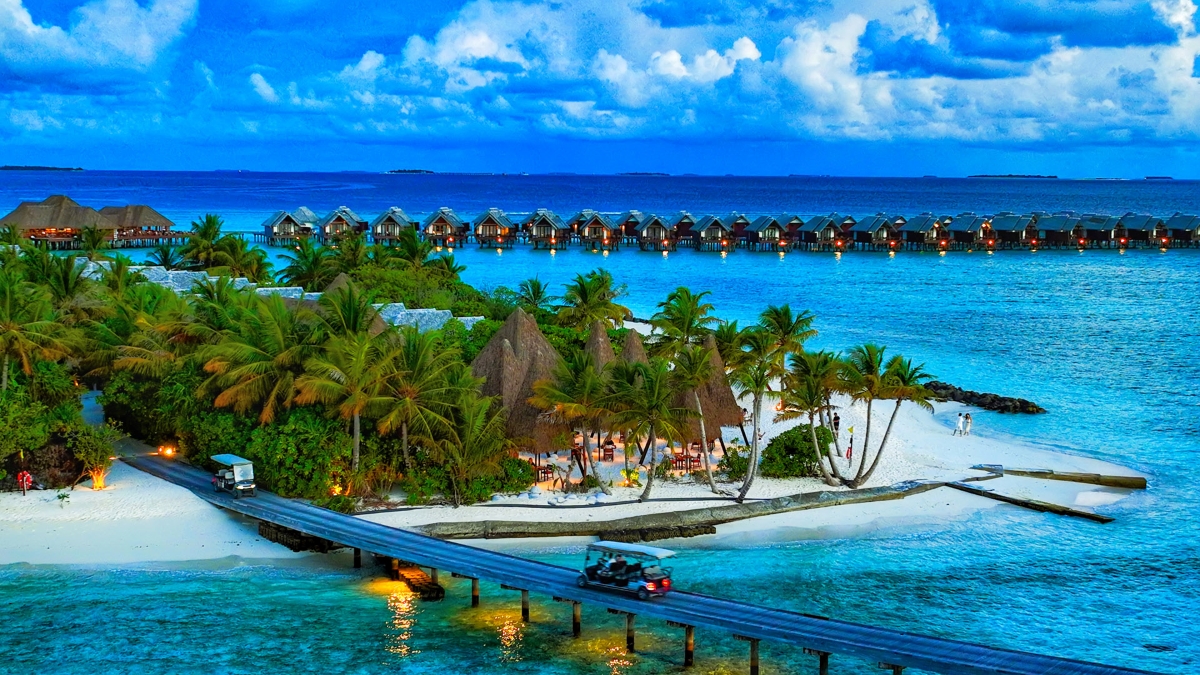
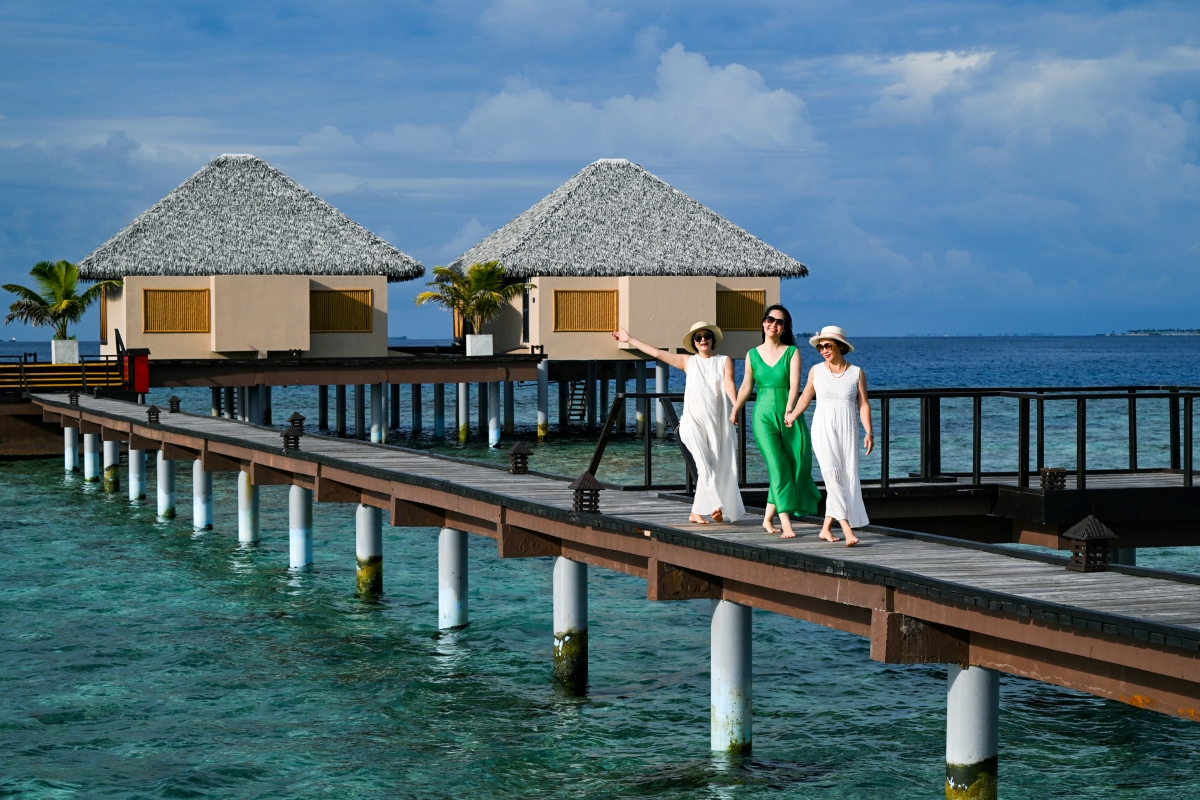
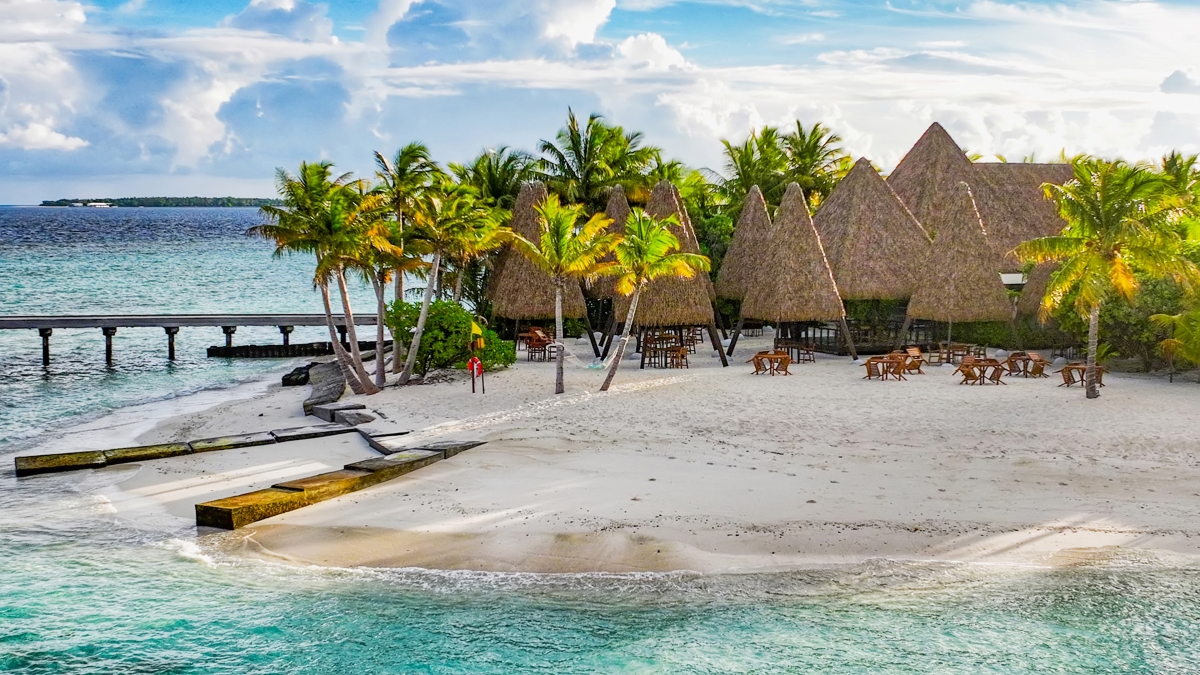
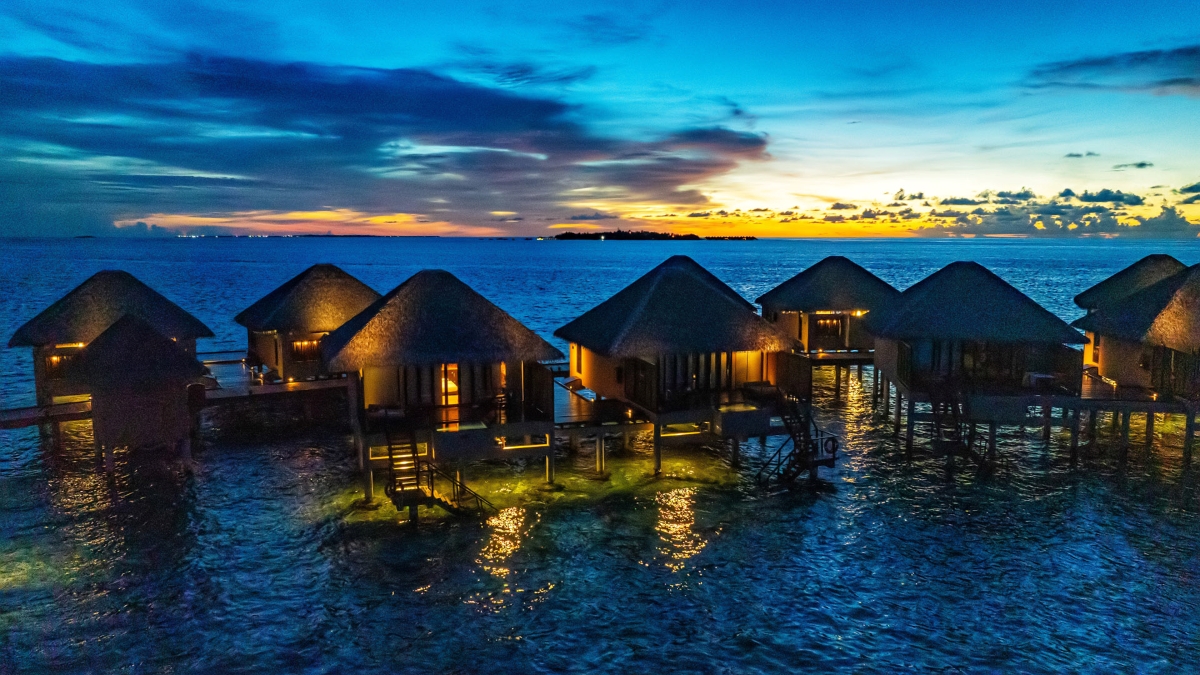
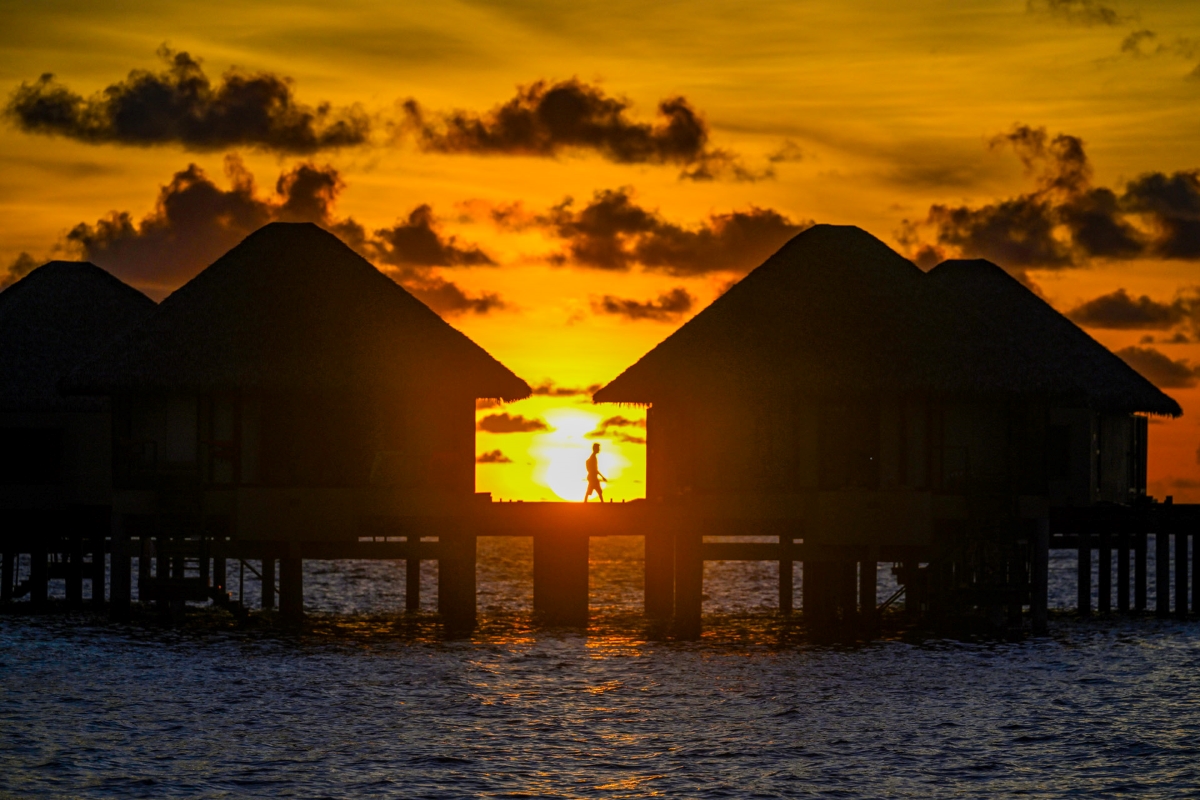
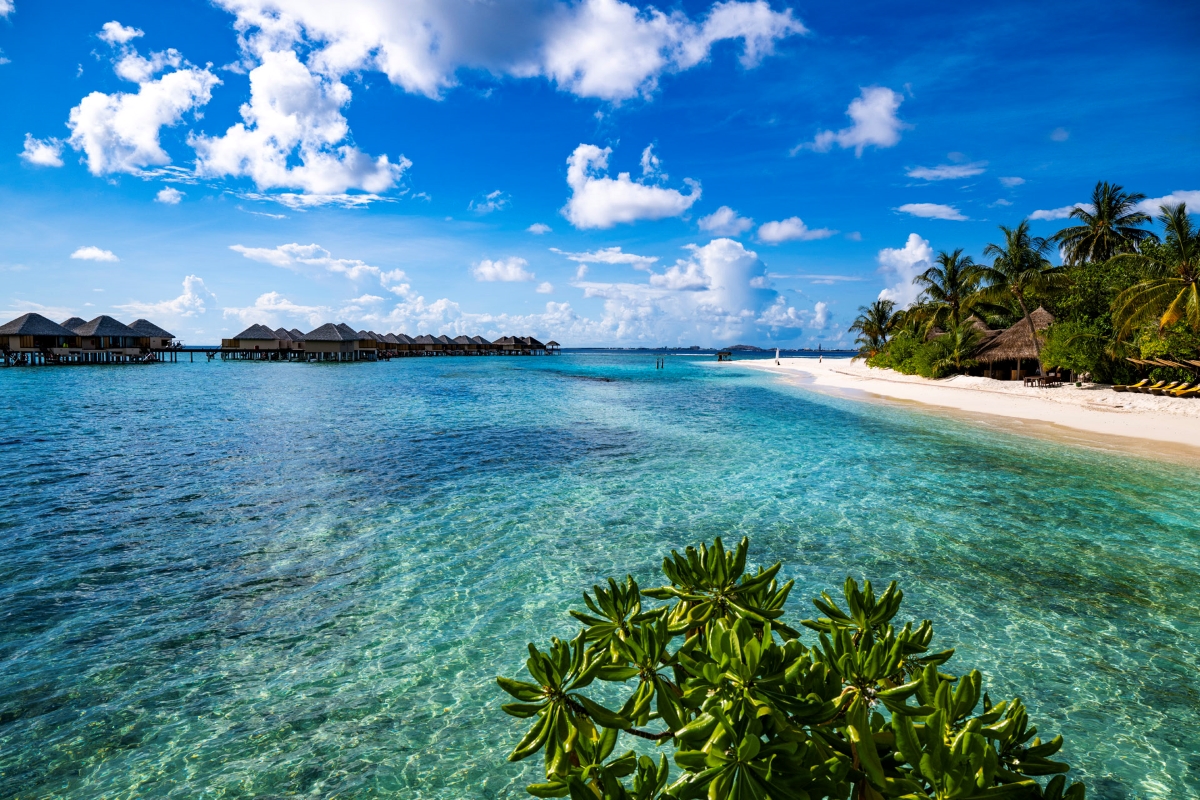
The Maldives slowly revealed itself: small islands surrounded by white sand and coral reefs, villas stretching out over the water, deep blue ocean in the distance, and near the shore, crystal-clear shallows in countless hues.
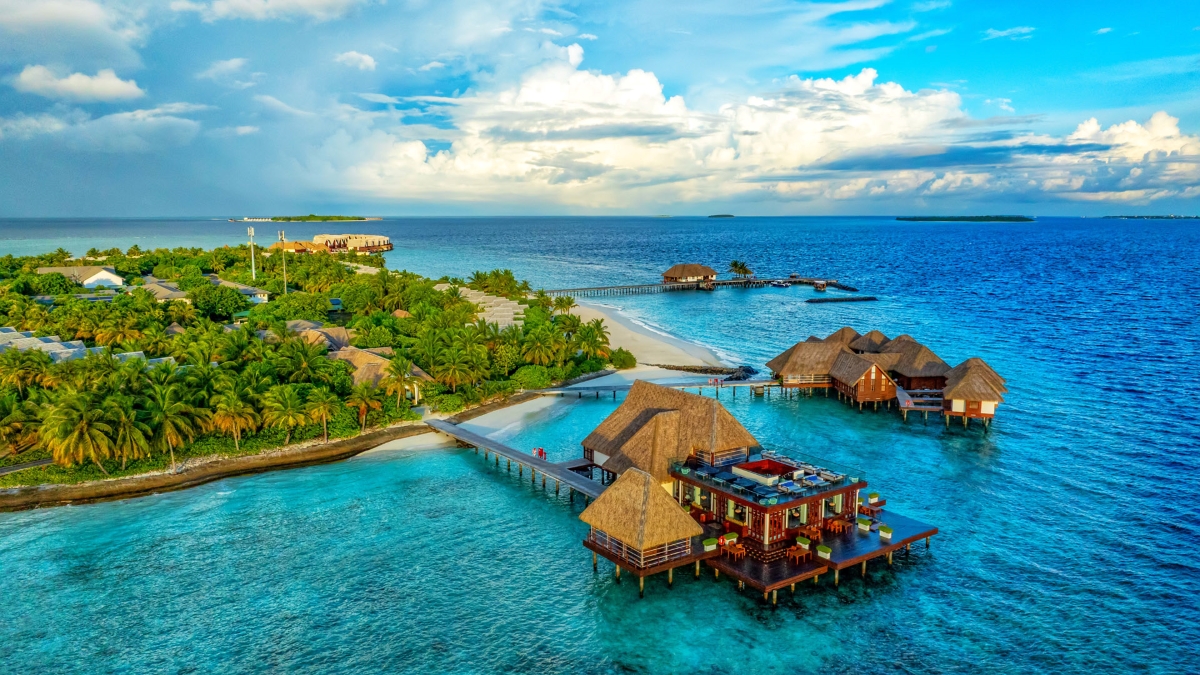
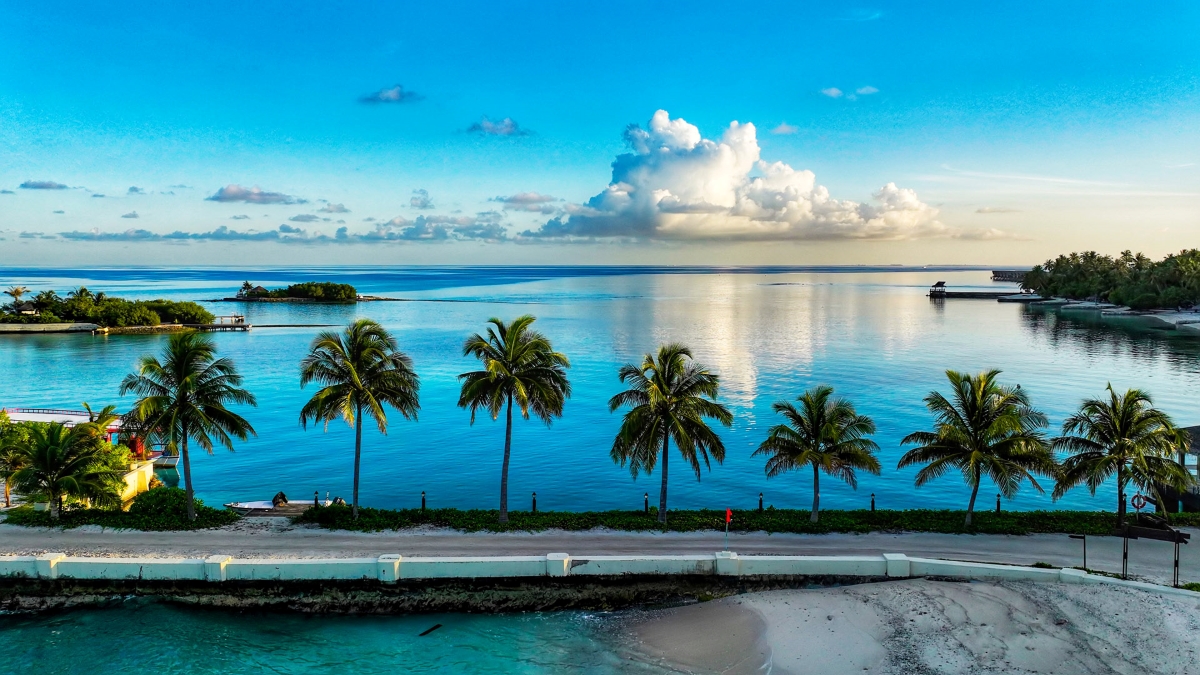
Here, the color blue shifts with the water’s depth. Over white sand, the shallows are almost crystal-clear. Farther out, the sea turns turquoise, then blue, and finally deep navy in the open Indian Ocean. All these shades sit side by side in a single frame, creating patterns that seem almost unreal when viewed from above.
Aerial images are indispensable when showcasing this island paradise. Some coastlines are best admired from the shore, but in the Maldives, you need to rise over the islands to appreciate nature’s extraordinary blend of colors.
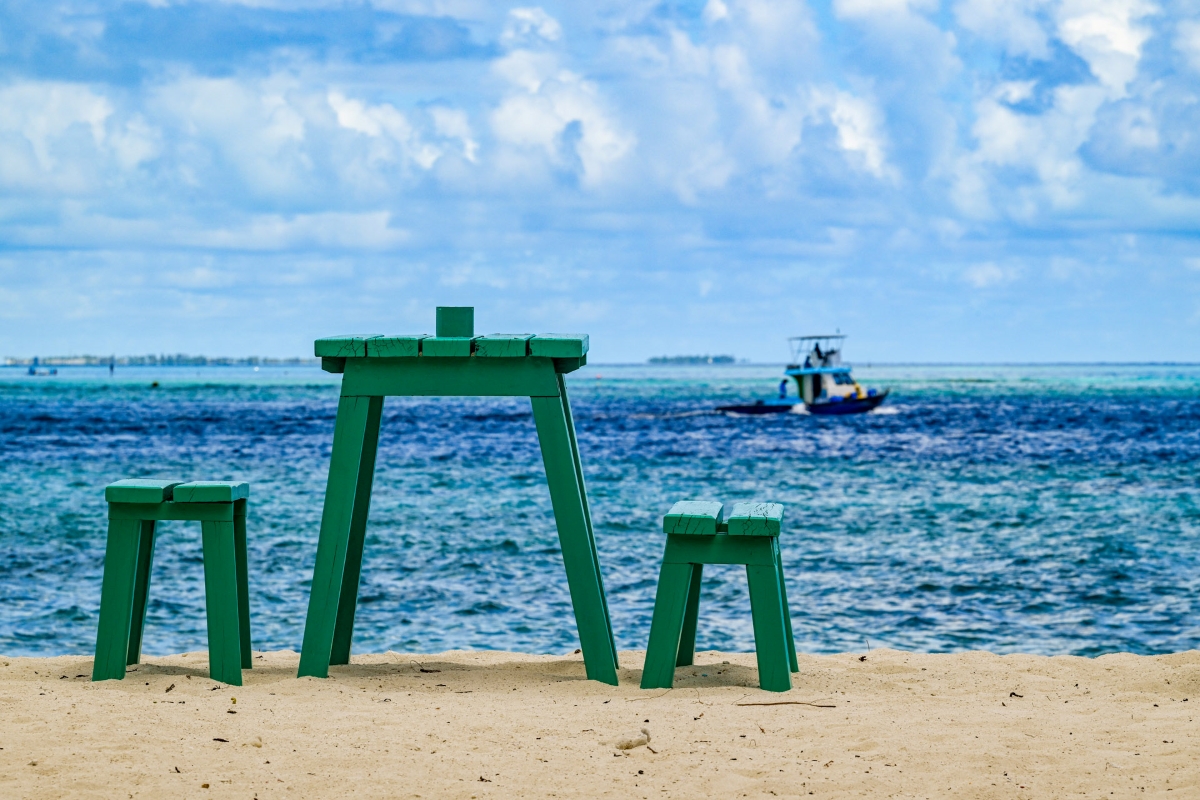
From the seabed to the sky
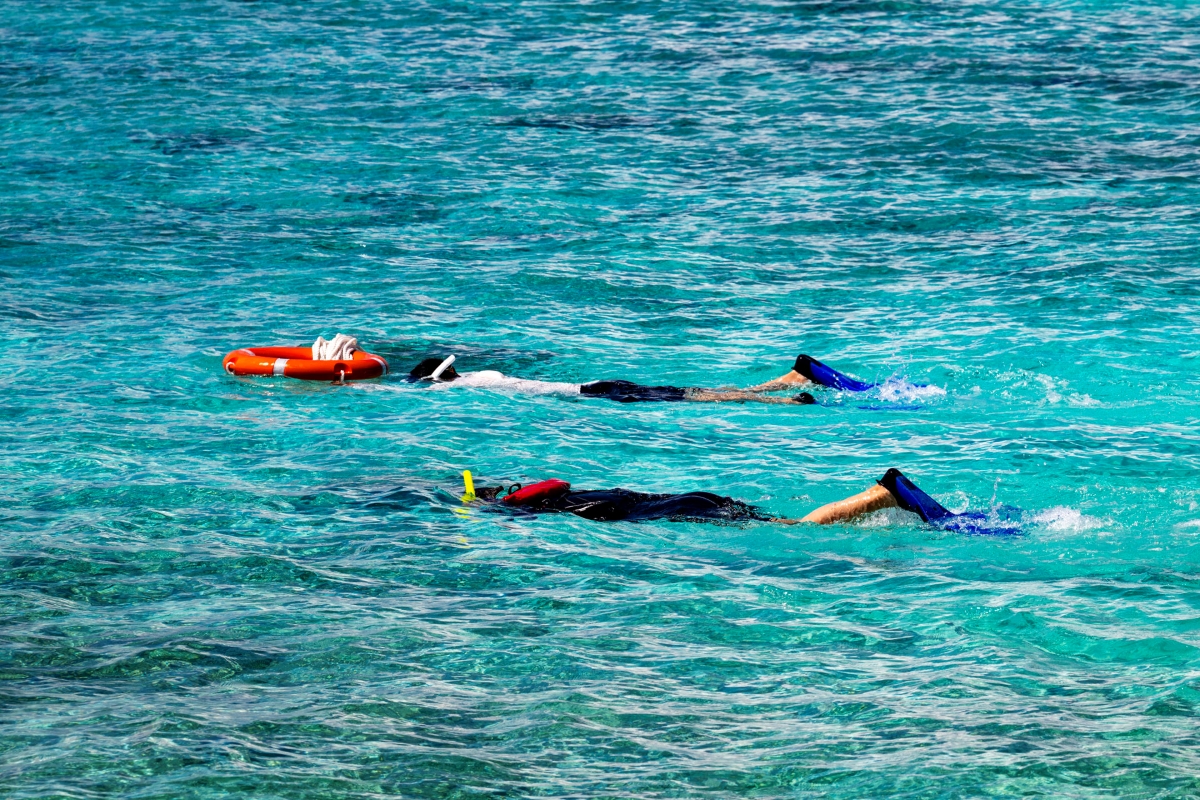
In the Maldives – the world’s largest coral island nation – one experience not to be missed is snorkeling among the reefs.
There’s no need to dive deep or use complicated equipment. A mask and snorkel are enough. Simply lower your face into the water and swim slowly around the reef near your resort, and another world appears beneath you. The water is so clear that it feels as though you could reach out and touch the coral, the schools of fish, and passing sea turtles.
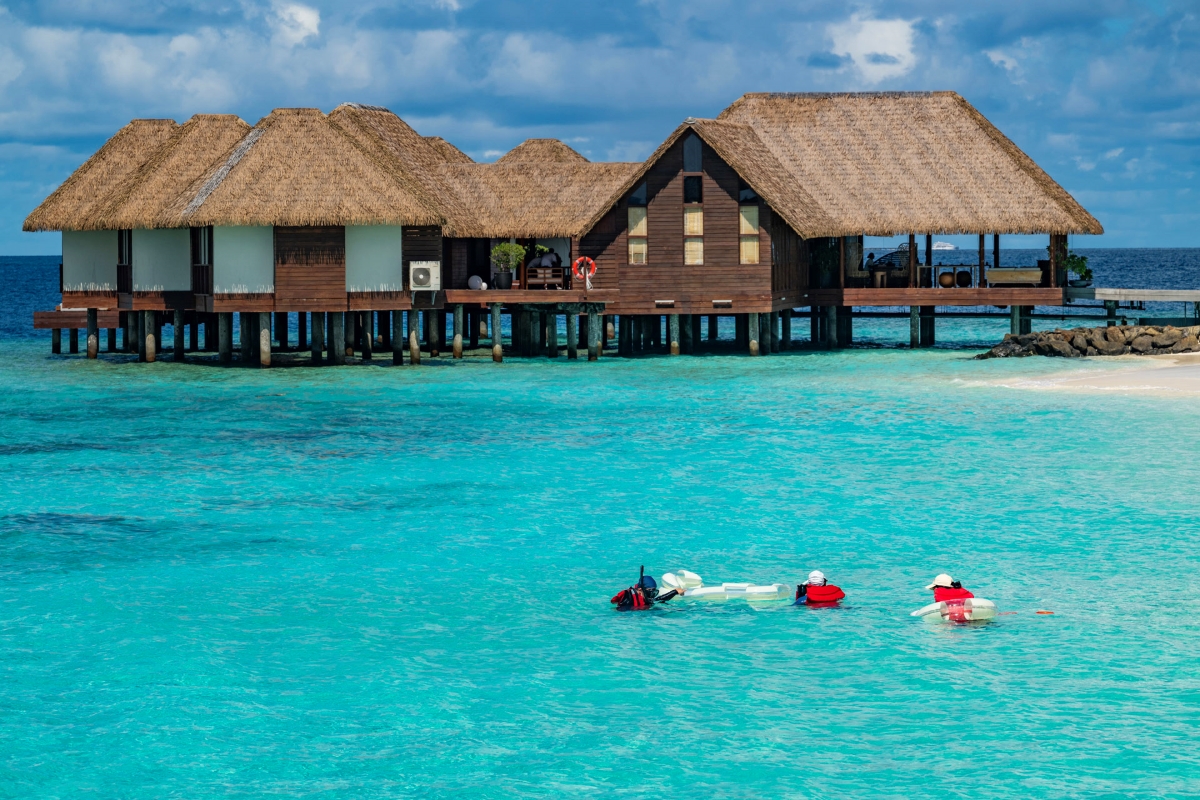
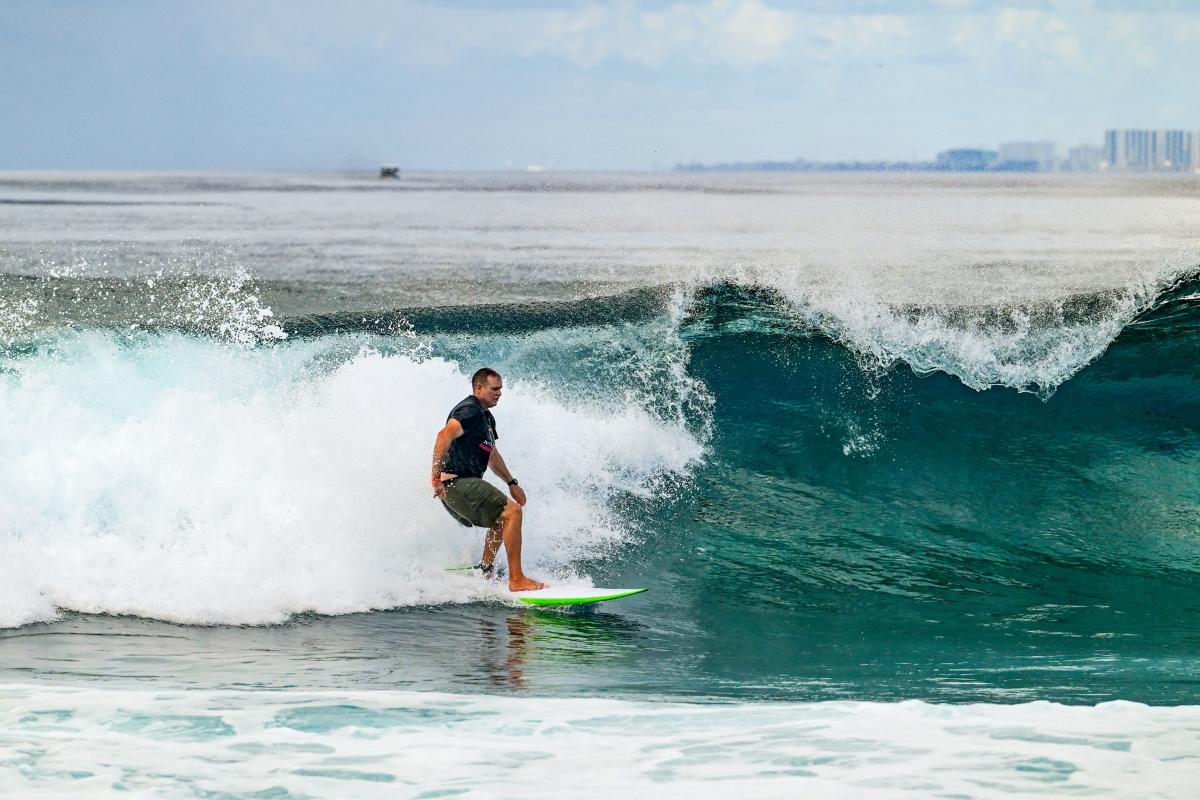
A trip to the Maldives does not require an elaborate itinerary. Swim when you feel like it, return to shore when you are tired, then pick up your camera and look for another beautiful corner to photograph.
Yet perhaps the most exciting experience in this “island paradise” is seeing the country from a seaplane, even though the fare is far from inexpensive: USD 545 round trip per person.
In the Maldives, seaplanes are more than a way to travel between resorts and the airport. Many visitors opt to take sightseeing flights that reveal the islands from an entirely different perspective.
Seaplanes fly much lower than commercial jets. Sightseeing and inter-island flights often operate at only around 400–500m above sea level. As a result, the landscape – or more precisely, the seascape – always feels close. And that makes the experience remarkable.
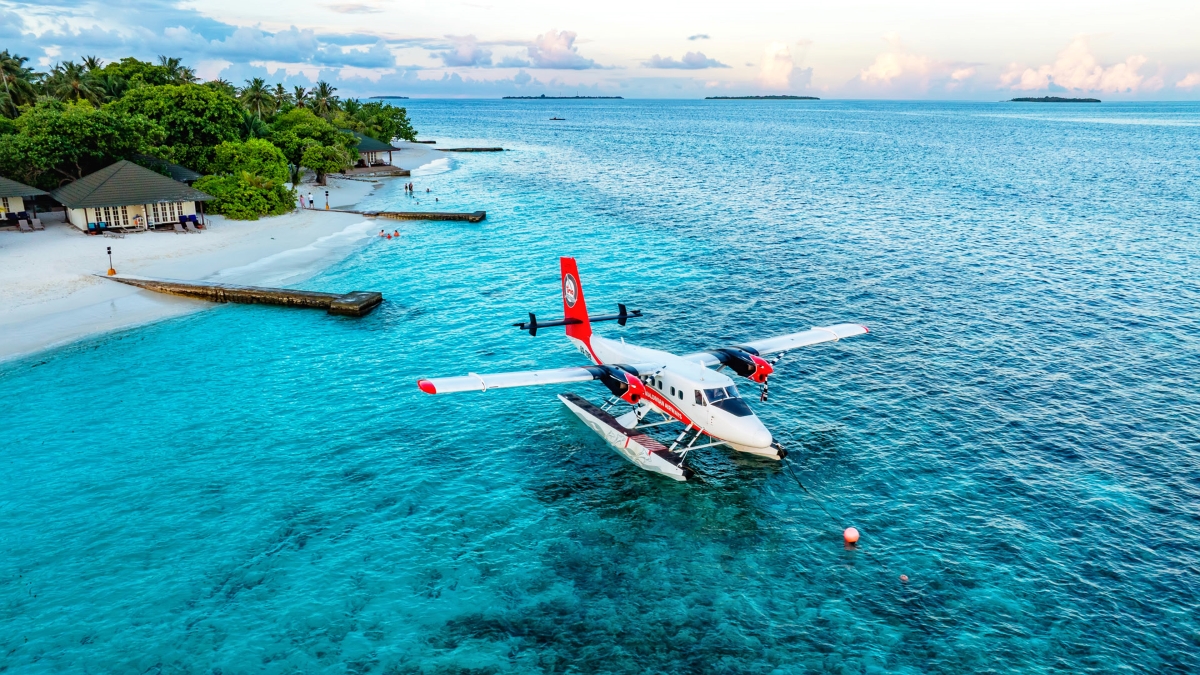
The 45-minute flight becomes 45 minutes during which almost no one wants to look away from the window. It feels like flying above the Maldives’ hidden structures beneath the sea.
From above, tiny islands are scattered across the Indian Ocean like green dots edged with white sand. Coral reefs form extraordinary shapes beneath the surface. Some stretches of water are pale and nearly transparent, others turquoise, before suddenly turning deep blue as the seabed drops away.
Huge coral rings lie beneath the sea, where the ocean’s dark blue abruptly shifts to turquoise and then to almost transparent shallows. They appear one after another beneath the wings, seemingly without end. Some atolls have no island rising above the water at all, leaving only spectacular formations visible in their entirety from the air.
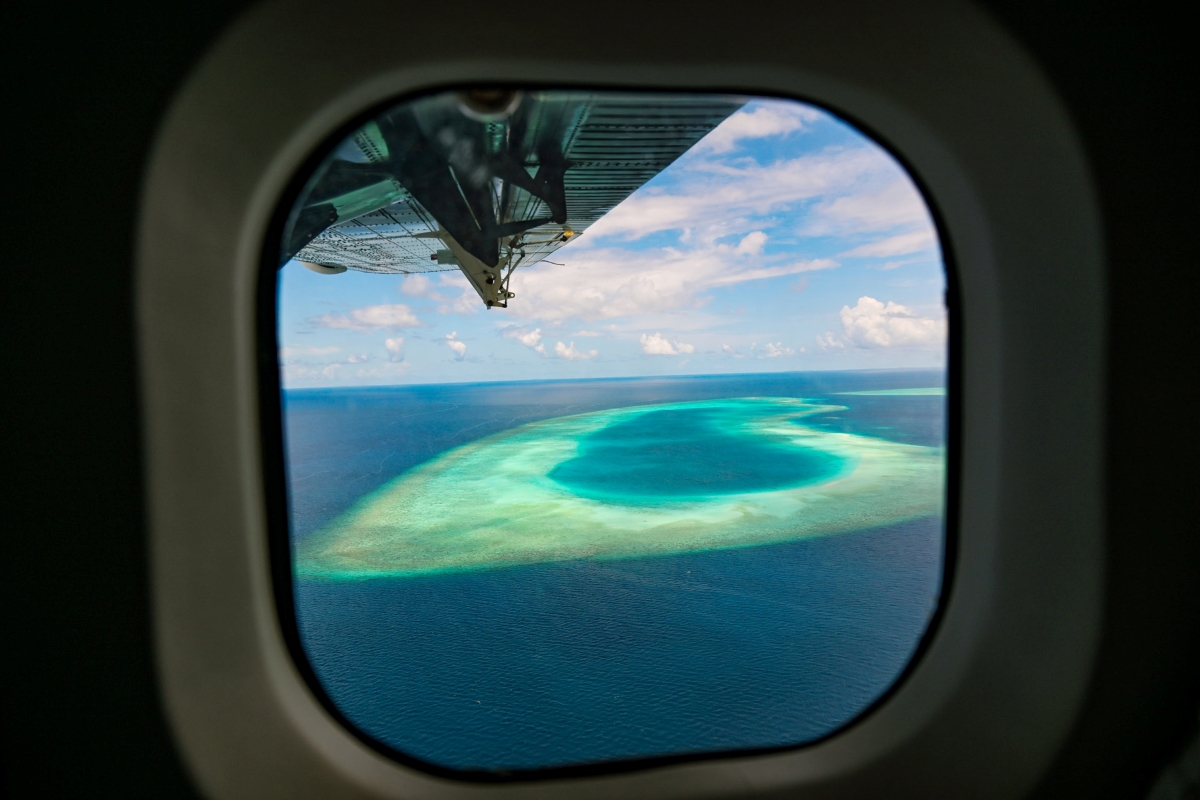
The journey eventually ended, but the ocean’s extraordinary colors remained vivid in my mind. The Maldives is not simply a remarkable resort destination, but a natural masterpiece best experienced across every dimension.
From brilliant coral reefs hidden beneath crystal-clear waters to the vast, surreal landscapes seen through a seaplane window, the archipelago offers its own perfect definition of “paradise” – where beauty stretches from beneath the surface of the sea all the way to the open blue sky.