
Story: Ha Quyen
Photos: Nguyen Thi Minh Hai
Photographer Nguyen Thi Minh Hai explores style and adornment in Ethiopia.
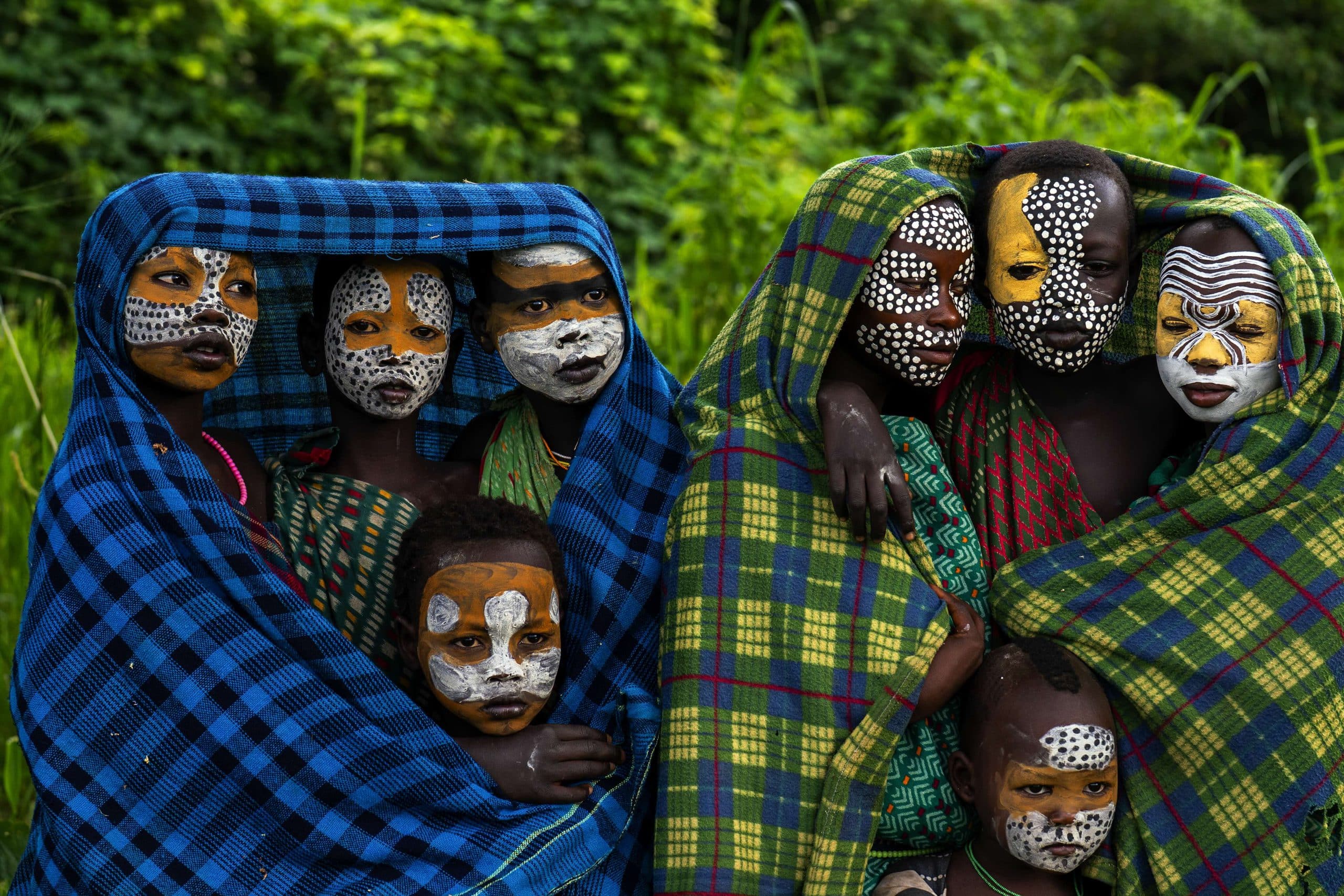
In many indigenous African communities, adornment is not merely a matter of beauty but a vivid cultural language in its own right. From simple materials found in the surrounding environment – colored earth, charcoal ash, leaves, wild flowers, beads, bark, feathers, or dried grass – people create intricate and distinctive forms of makeup and ornament. Every line painted on the face, every beaded necklace, every hairstyle, and every color applied to the body carries a story of origin, age, gender, social standing, rites of passage, marriage, festivals, or spiritual belief.
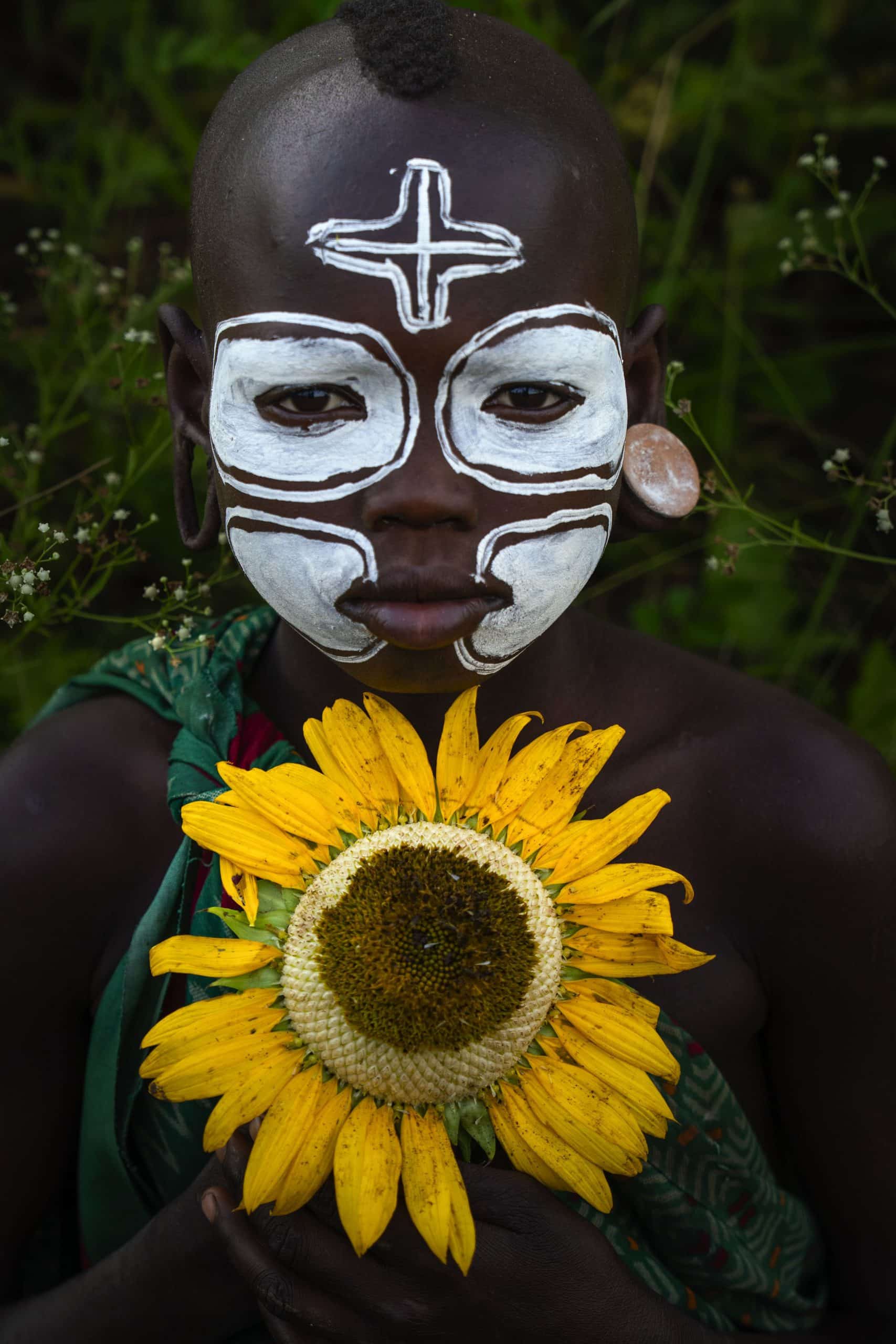
There is no single African ideal of beauty. Each ethnic group and region has its own way of adornment, shaped by natural conditions and long-standing traditions. Children are often decorated with touches of color, small bead ornaments, or delicate hairstyles – expressions that feel both innocent and like an early initiation into their culture. Women often stand out with vibrant beaded strands, elaborately braided hair, and graceful motifs drawn on their faces and bodies, radiating elegance, pride, and femininity. Men, meanwhile, make an impression through bold blocks of color, strong lines, and ornaments made from leather, wood, metal, or feathers, expressing strength, character, and their roles in community rituals. In Africa, it is clear that men can be every bit as stylish as women.
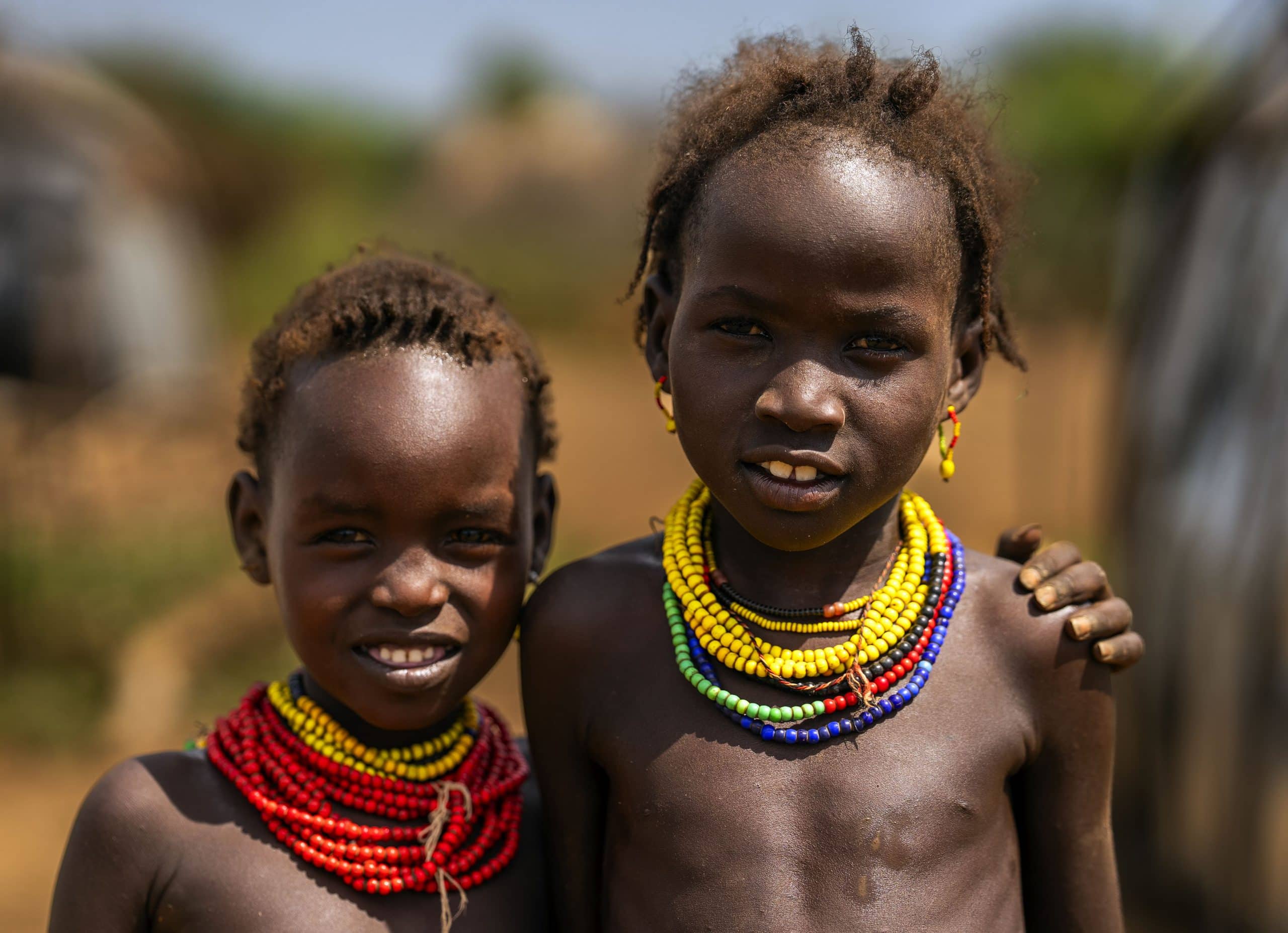
Through her creative journeys in Kenya, Namibia, and Ethiopia, photographer Nguyen Thi Minh Hai has captured these evocative moments with a gaze that is both respectful and intimate. Her photo series not only reveals the vivid, stylish, and deeply individual beauty of the people she encountered, but also opens a window onto an aesthetic world closely bound to nature. Here, grasses, flowers, earth, and stone are not simply part of the landscape; they become the materials of adornment, the signs of culture, and a source of pride preserved across generations.