Story: Truong Quy
Photos: Le Huy
“The old Muong village, rice fields newly planted – there, children in the fields hold hands, blooming like flowers”
(excerpt from the song ‘Dien Bien Victory’ by composer Do Nhuan).
Dien Bien Phu – a symbol of anti-colonial liberation in 1954 – is one of Vietnam’s most compelling travel destinations today. Visitors come to see the battlefield where the mettle of the Vietnam People’s Army was tested against that of French forces over 56 harrowing days and nights. The explosion on Hill A1 carved Dien Bien Phu’s name into history as one of the 20th century’s most important victories.
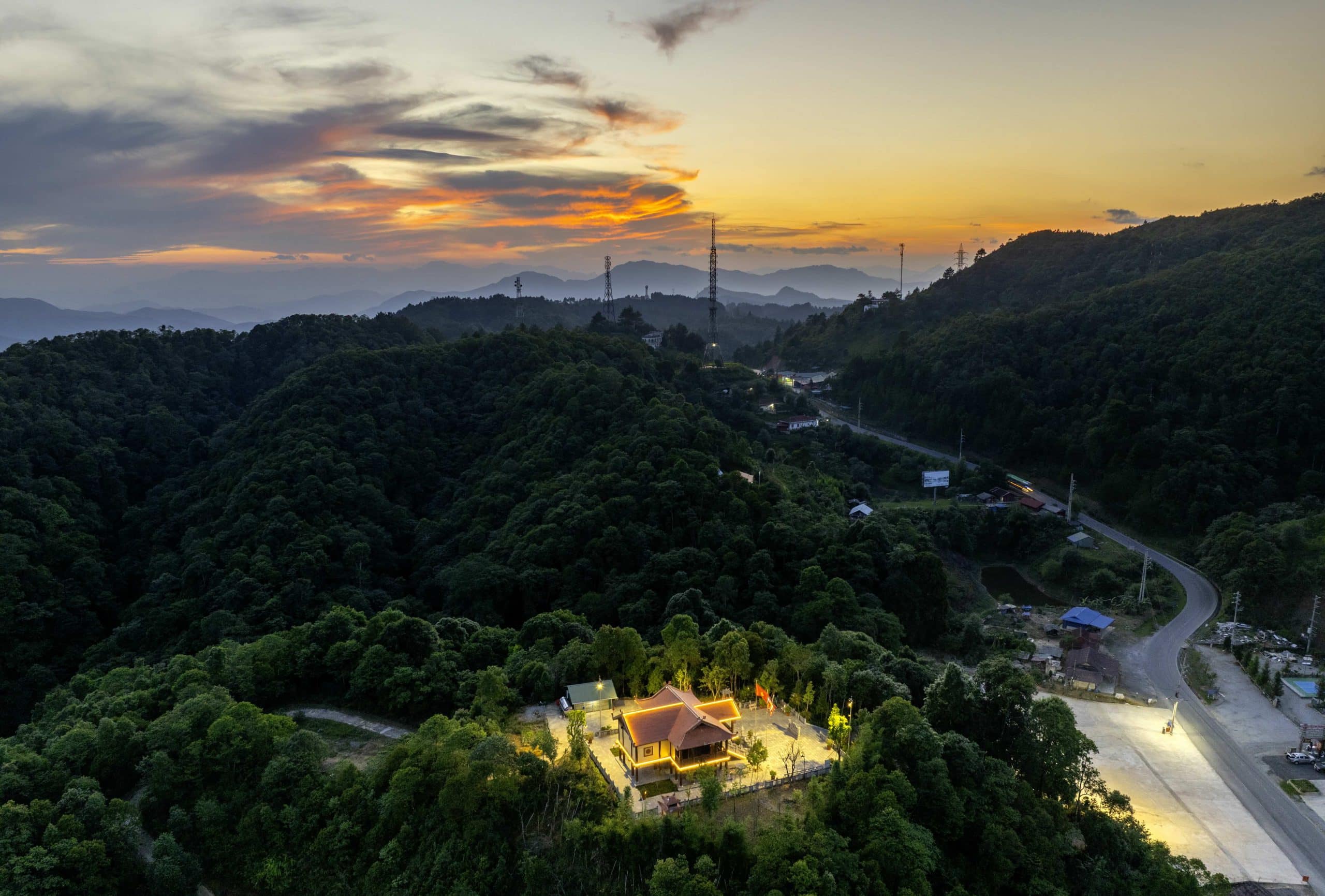
But there is more to Dien Bien than its heroic military history. Once the largest agricultural center in the Northwest, it was known among the Thai people as “Muong Then” or “Muong Thanh”, meaning “the land of heaven.” This frontier region’s history dates further back to the Da Giang Route in the Tran dynasty and the Hung Hoa Garrison under the Le and Nguyen dynasties. In 1841, King Thieu Tri christened the land “Dien Bien”, meaning “a firmly established and peaceful frontier.”
The journey to Dien Bien has long been associated with adventure. The dramatic passes of Pha Din and Tang Quai still echo with poetry and song: “The mountain slopes are high, but our determination is higher than the mountains” (Ho keo phao – The Song of Hauling Artillery, by Hoang Van). A Pa Chai, the country’s rugged westernmost point, continues to entice curious travelers eager to reach the tri-border junction of Vietnam, China, and Laos – a place every Vietnamese feels proud to visit.
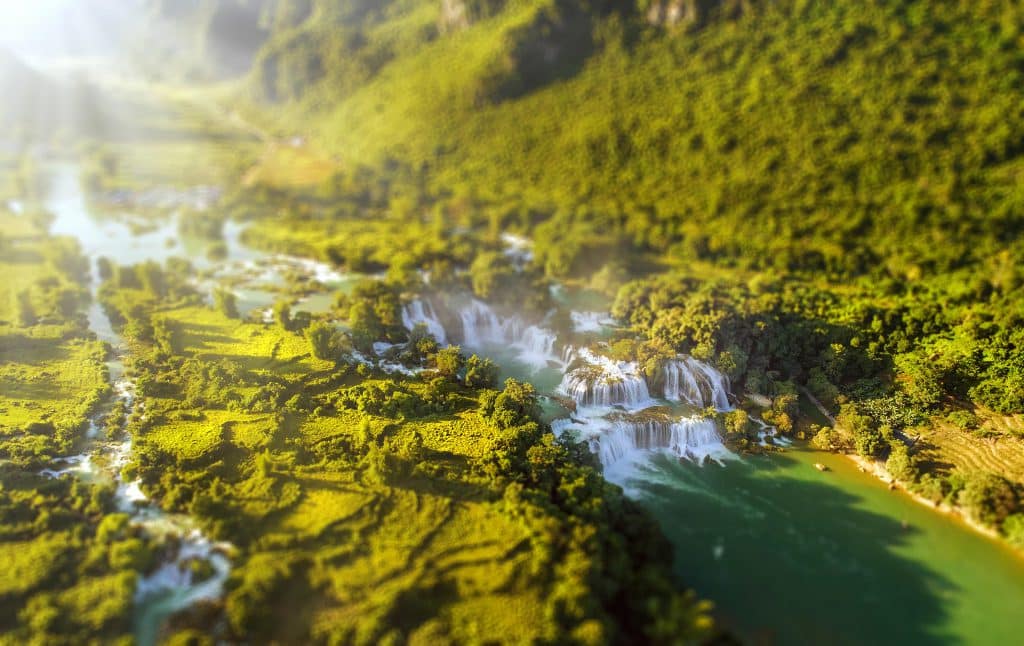
Dien Bien is also crossed by three great river systems: the Da River, the main tributary of the Red River; the headwaters of the Ma River; and streams flowing toward the Mekong. Lakes lend poetic beauty to villages shaped by long-standing traditions. Beneath the roofs of stilt houses, flavors grown in the forested mountains await: upland sticky rice, stream fish seasoned with fragrant spices.
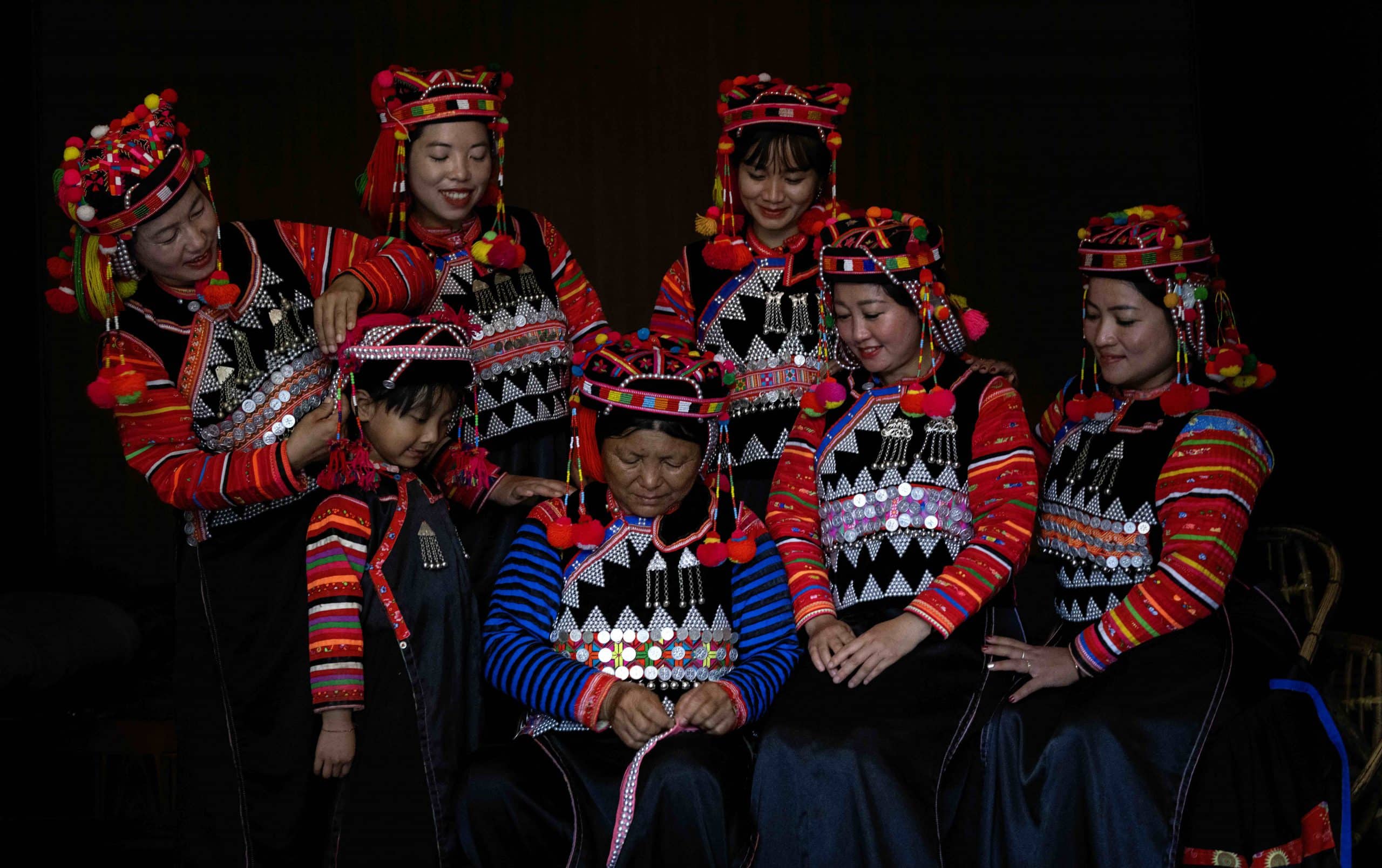
Each season, Dien Bien offers a different, colorful experience, from the faint pink of ban blossoms in the spring to the red flamboyant blooms of summer, the golden fields of autumn, and the floating white clouds of winter.
This land, celebrated as a “Rendezvous with History” – also the title of General Vo Nguyen Giap’s memoir – still retains a rustic beauty, with mountainsides covered in ban blossoms, now the symbol of the province’s annual festival. With its rustic charm and miraculous history, Dien Bien has a special allure, drawing visitors to listen to echoes of its heroic past and drift into the peace of the present. Let Heritage Guide take you on a journey through Dien Bien.