Phong Nguyen
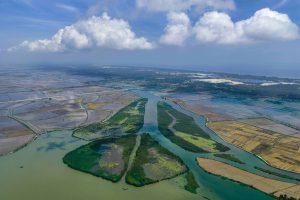
Along the Tam Giang–Cau Hai lagoon system, life flows as gently as the currents.
Tam Giang Lagoon’s fierce waters now run tame.
The Mandarin has cleared the bandit-filled Ho Forest.
Though the road South spans endless mountain passes,
I rejoice knowing your travels will be safe and sound.
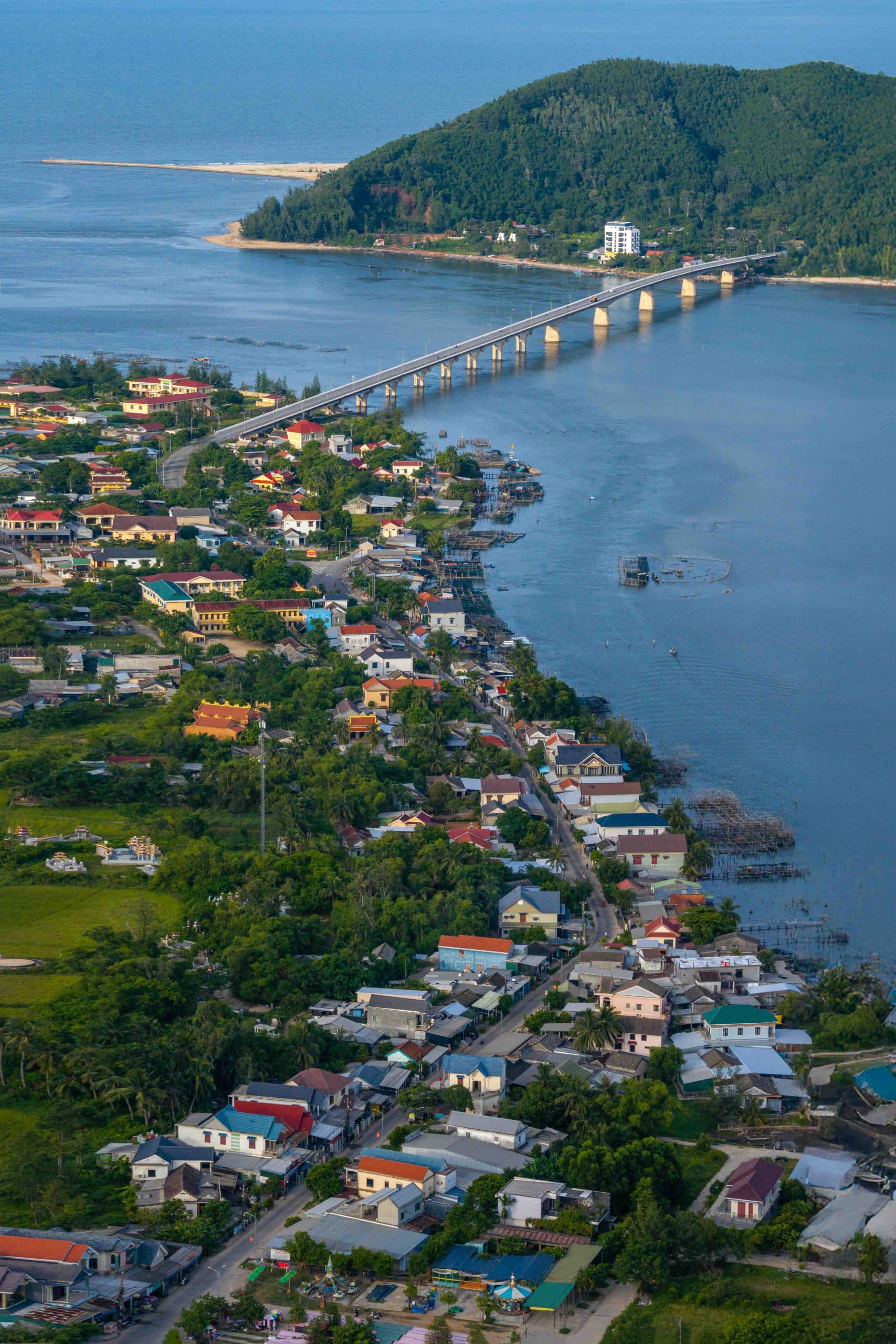
Today, Tam Giang Lagoon bears little resemblance to the wild, dangerous region described in old folk tales and songs, once feared for its treacherous waters and bandits. Over time, a long history of water management reduced the river currents, transforming Tam Giang into the peaceful lagoon seen today. The region is associated with the legend of Mandarin Noi Tan Nguyen Khoa Dang, widely praised for pacifying bandits in the Ho Forest and making the great North-South Road safer in the early 18th century.
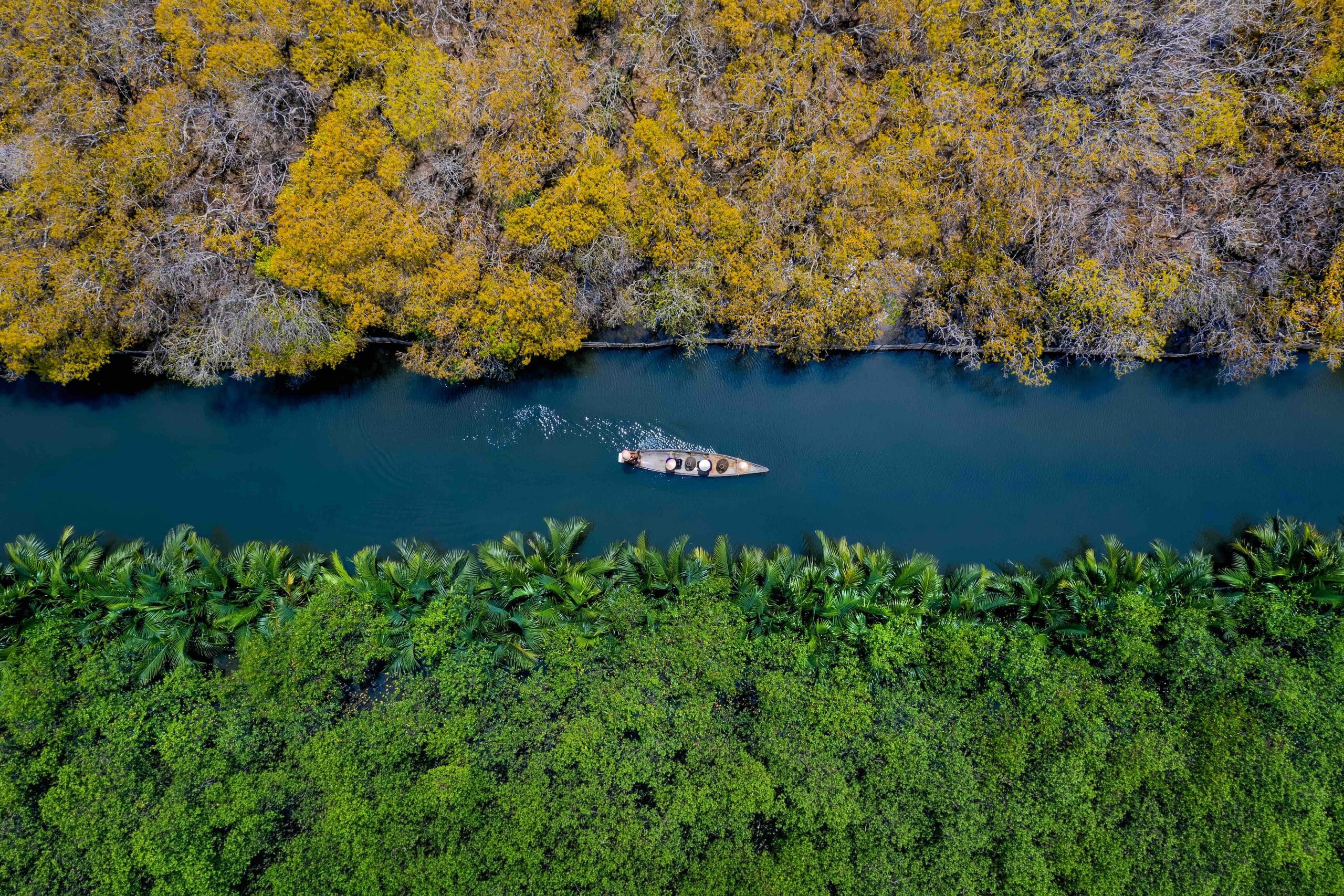
When speaking of the northern part of the Tam Giang-Cau Hai lagoon system, one must mention the Quang Loi lagoon area, where the O Lau River flows through a region rich in culture and history. The lives of local people remain tied to the rhythm of the water and to their traditional trade of catching fish and shrimp. Living by the tides, they follow a simple, gentle way of life.
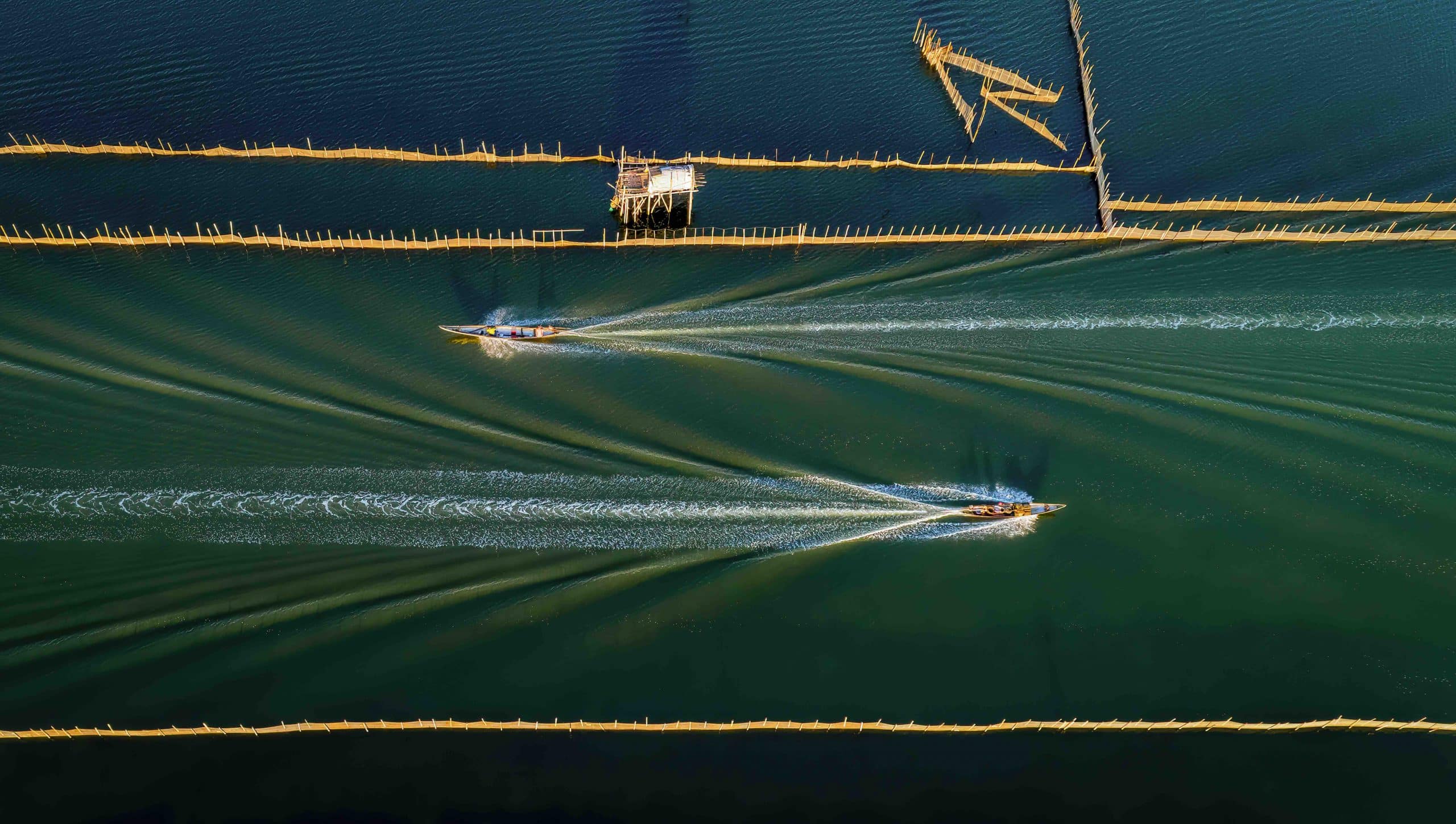
Perhaps the most peaceful moments come in the early morning, when a light mist still lingers over the lagoon, dawn light brushes the oars, and the sound of boat engines fades into the quiet distance. As boats return to the dock, the silhouettes of fishermen hauling their nets glow in the pale yellow light of a new day. The scene is both magical and warm with the breath of everyday life.
The beauty here is never loud, but slowly absorbing, much like the steady pace of life carried across generations of lagoon residents.
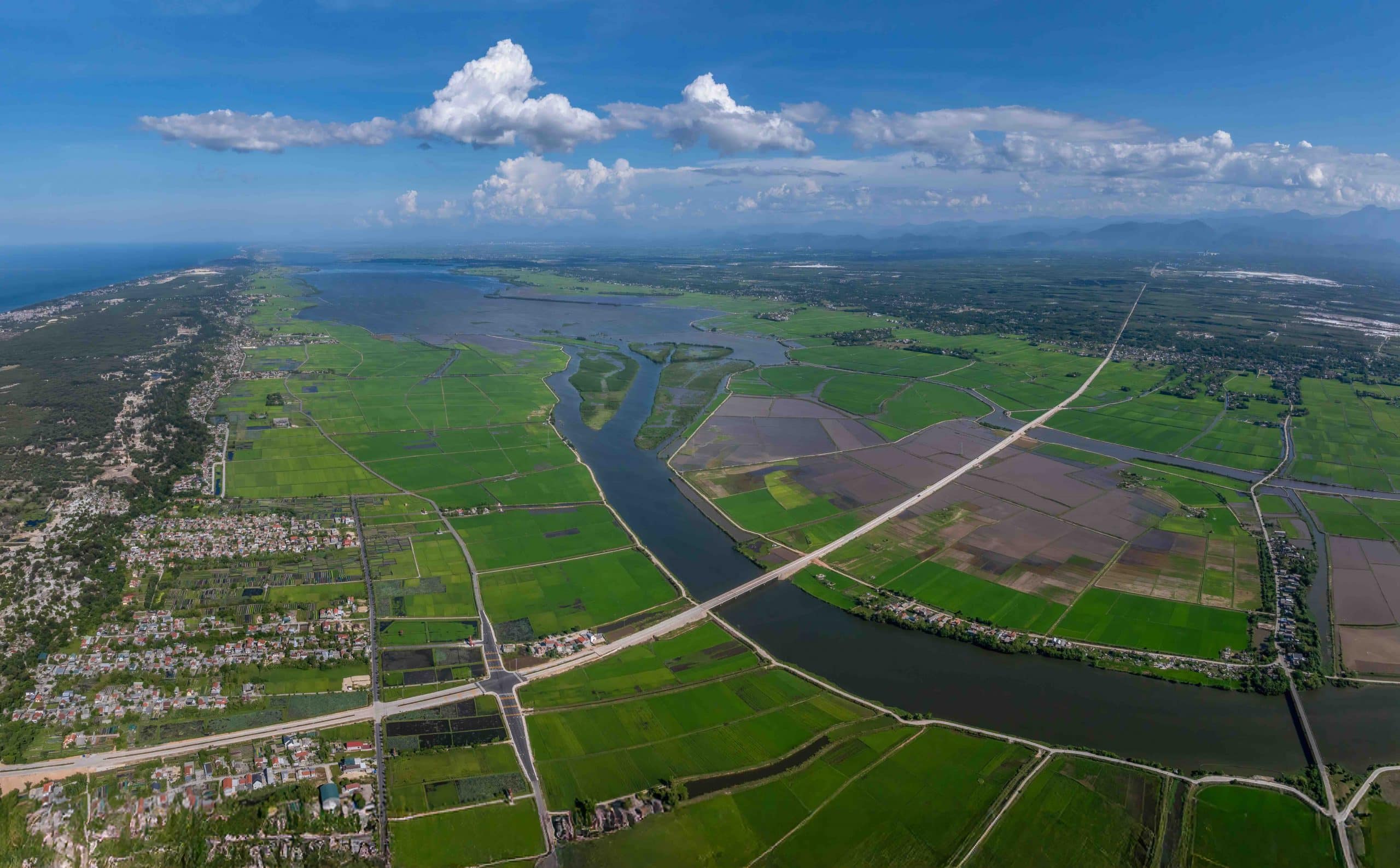
The Tam Giang–Cau Hai lagoon system stretches nearly 70 kilometers, beginning at the final stretch of the O Lau River and flowing through Tam Giang Lagoon, Sam Lagoon, Ha Trung Lagoon, and Thuy Tu Lagoon before reaching Cau Hai Lagoon, where the water continues its journey to the open sea. Connected to the ocean through the Thuan An and Tu Hien estuaries, the lagoon system forms a vast brackish-water region, where saltwater blends with the freshwater of flowing rivers. This meeting of waters has created an abundant seafood resource, much of which is used in the lagoon region’s culinary specialties.
As the water flows from Tam Giang to Cau Hai, so does a current of culture, shaped over hundreds of years. The people and land preserve their traditional livelihoods, folk tales, and harmonious relationship with nature, ensuring the lagoon remains a beautiful landscape and a source of enduring cultural memories in the Hue region.