
Story: Hien Phung
Photos: Tonkin
More than a harvest, persimmon season on the Lam Vien Plateau celebrates a way of life shaped by nature, traditions, and labor.
As autumn arrives, the Lam Vien Plateau comes alive in shades of orange and red as persimmon orchards ripen, heralding the return of one of the highlands’ most vibrant seasons. Introduced by the French for experimental cultivation in the early 20th century, persimmon trees have since become both an agricultural symbol and a familiar feature of the poetic landscape of this misty region.
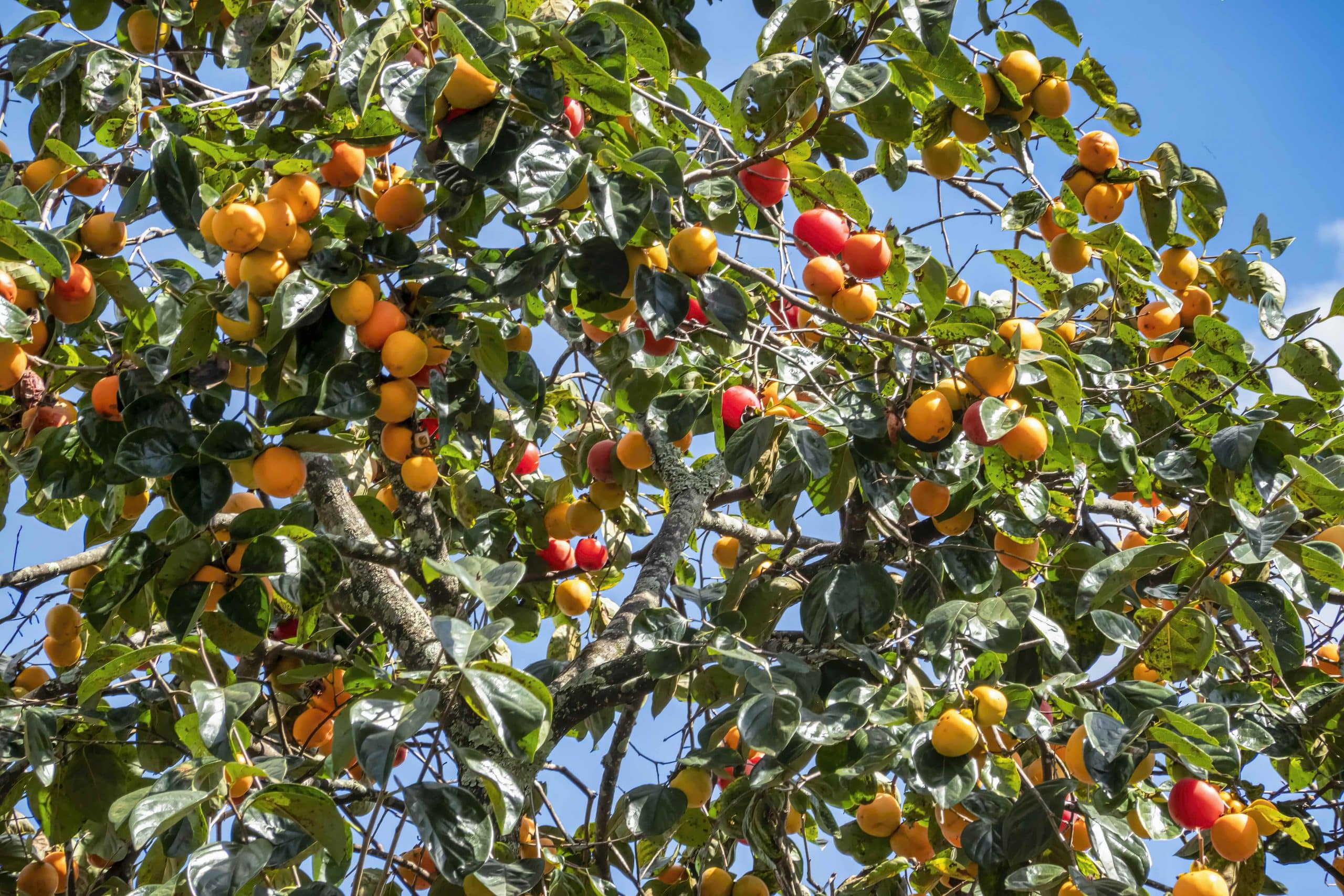
The persimmon is a small woody tree, typically 4-8 m tall, with flexible branches and relatively few pests. Well adapted to the cool climate and fertile soils of the plateau, it grows vigorously, budding in spring, developing fruit through summer, with fruit beginning to change color in early autumn. From pale green, the fruit gradually turns yellow before ripening to a deep orange-red. Heavy clusters of fruit glow in the sunlight, creating a scene that is both abundant and picturesque. Behind this beauty lies the careful work of local farmers, who monitor the weather, prune branches, and keep the canopy open to ensure the trees flower and bear fruit at the right time.
When the harvest season arrives, entire families begin picking persimmons early in the morning, carefully selecting each fruit to preserve its quality. Crisp persimmons are usually harvested just as they begin to turn yellow, then sealed in plastic bags for several days to remove their astringency. The result is a fruit that is mildly sweet, crisp, and refreshing. Fully ripened soft persimmons, meanwhile, offer a delicate fragrance and a melt-in-the-mouth texture.
Fresh persimmons are also made into wind-dried persimmons, a well-known local specialty prized for their rich sweetness and naturally chewy texture. The region is home to numerous varieties, named for their shape, color, and characteristics, including Chin Nen, Tam Hai, square persimmons, egg-shaped persimmons, and bowl-shaped persimmons.
In Vietnamese folk belief, persimmons symbolize completeness and family reunion. The fruit’s Vietnamese name, hong, is also associated with wishes for peace and good fortune. As the peak season coincides with the Mid-Autumn Festival, ripe red persimmons are often displayed in homes or given as cherished gifts. Over time, the fruit has become deeply woven into local life, forming part of the collective memory of generations.
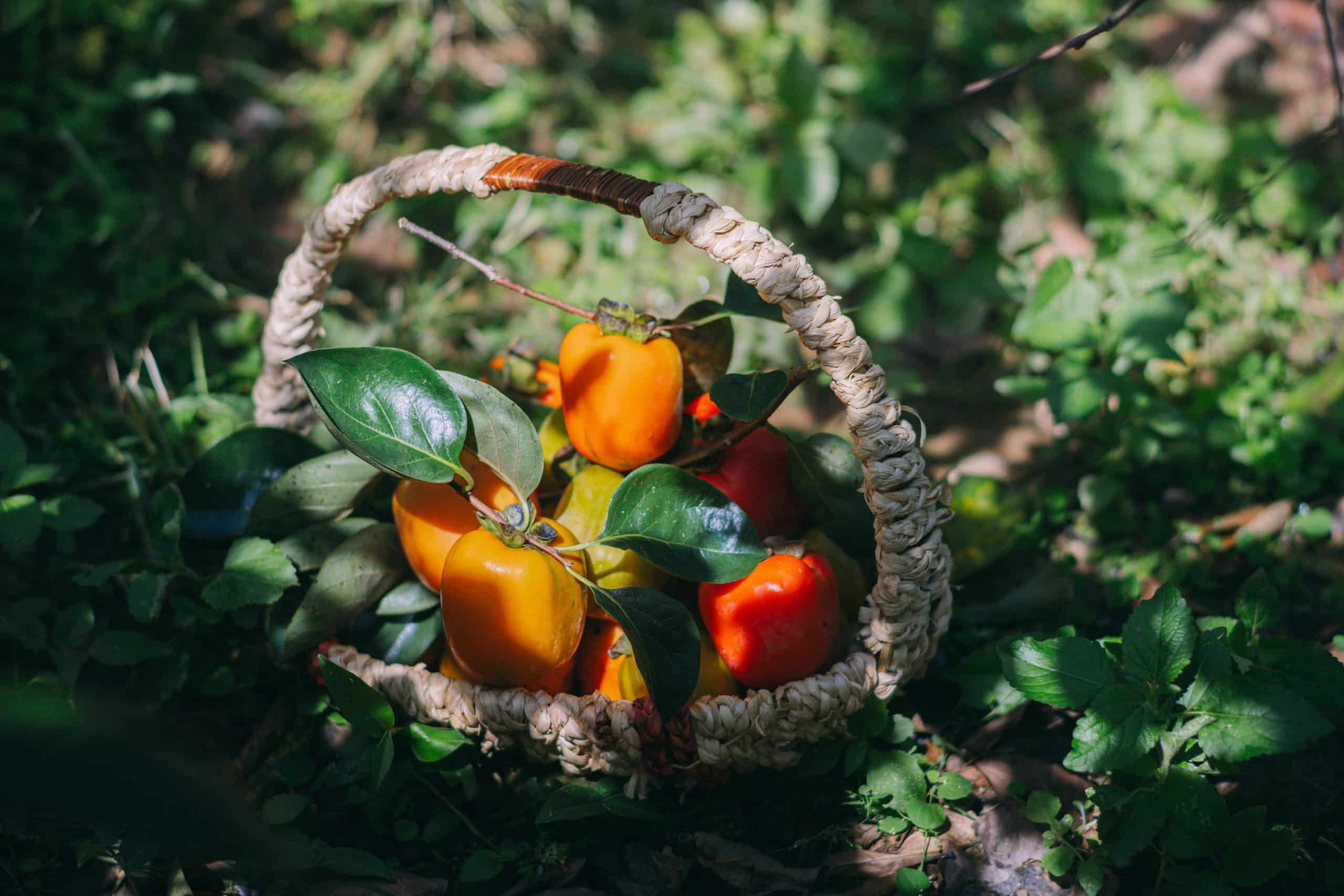
From September to October, under clear autumn skies, the leaves of thousands of persimmon trees across the hillsides, from the foot of Mimosa Pass to Cau Dat, Trai Mat, and D’Ran, gradually change color. Unlike the vibrant flower seasons, persimmon season has a gentler, understated charm.
By November, the orchards are at their most beautiful. The leaves turn from yellow to red, with clusters of ripe fruit hanging like tiny lanterns from the branches. The season marks not only an important harvest for local farmers but also the beginning of a distinctive tourism season, as orchards open their gates to visitors.
Thung Lung Hong is known for its fruit-laden persimmon trees set against green grass and clear skies. Nha Tom Persimmon Garden features hundreds of old persimmon trees and many picturesque corners. Le Van Garden is popular for its spacious setting and rows of low-growing trees, making it easy for visitors to explore, pick fruit, and try their hand at making wind-dried persimmons. Meanwhile, Nang Thuy Tinh, Moc Tra Farm, and Persimmon Cafe combine orchards, cafés, and agricultural experiences, offering visitors a wider range of activities.
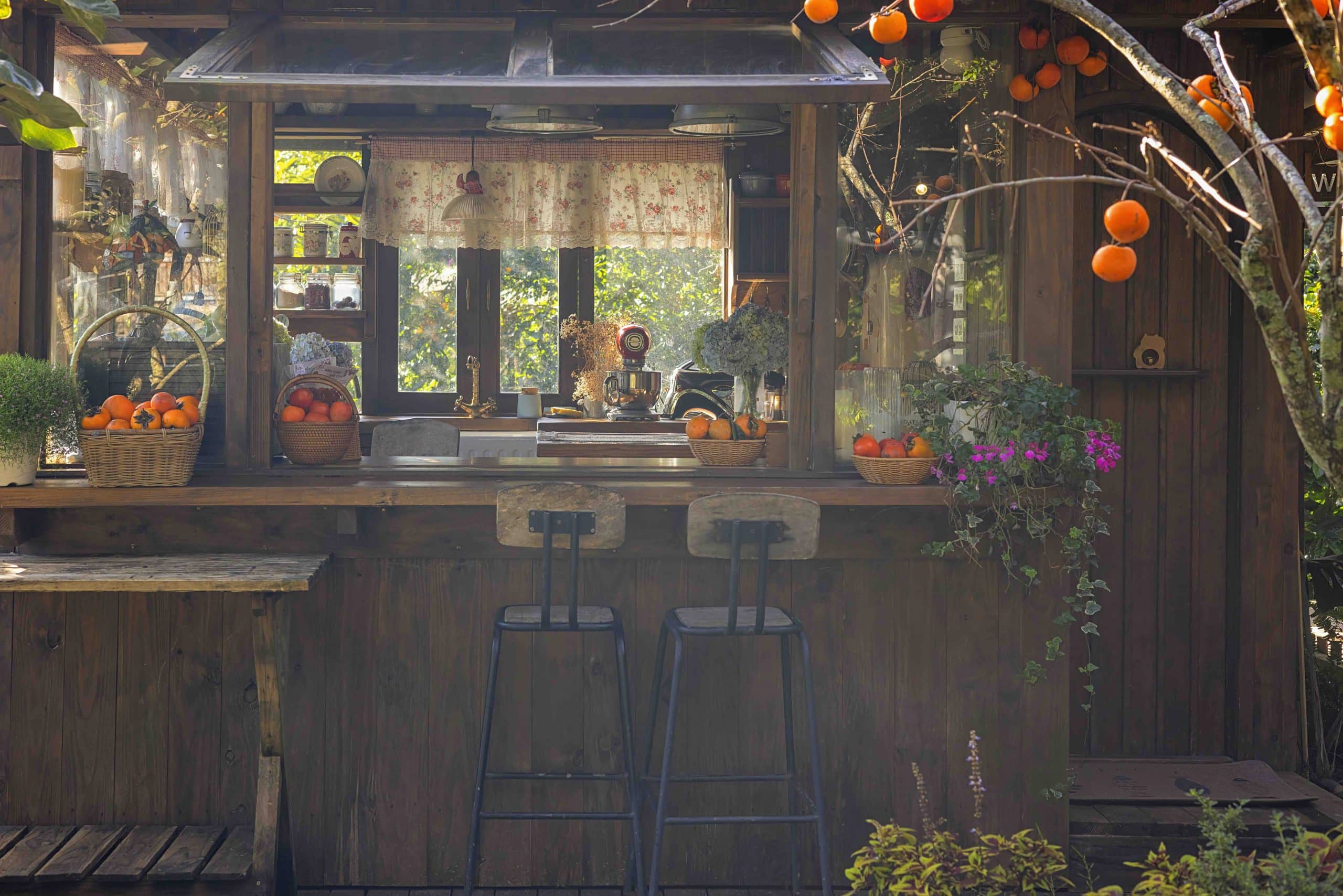
Under the persimmon trees, visitors can discover the daily work of farmers in the orchards. A long bamboo pole fitted with a cylindrical woven basket at the tip serves as an extended arm for reaching fruit high in the canopy. With a little skill, the picker positions the basket around a persimmon, gives it a gentle twist, and lets the fruit slip neatly inside. Each successful pick is often met with a burst of laughter throughout the orchard.
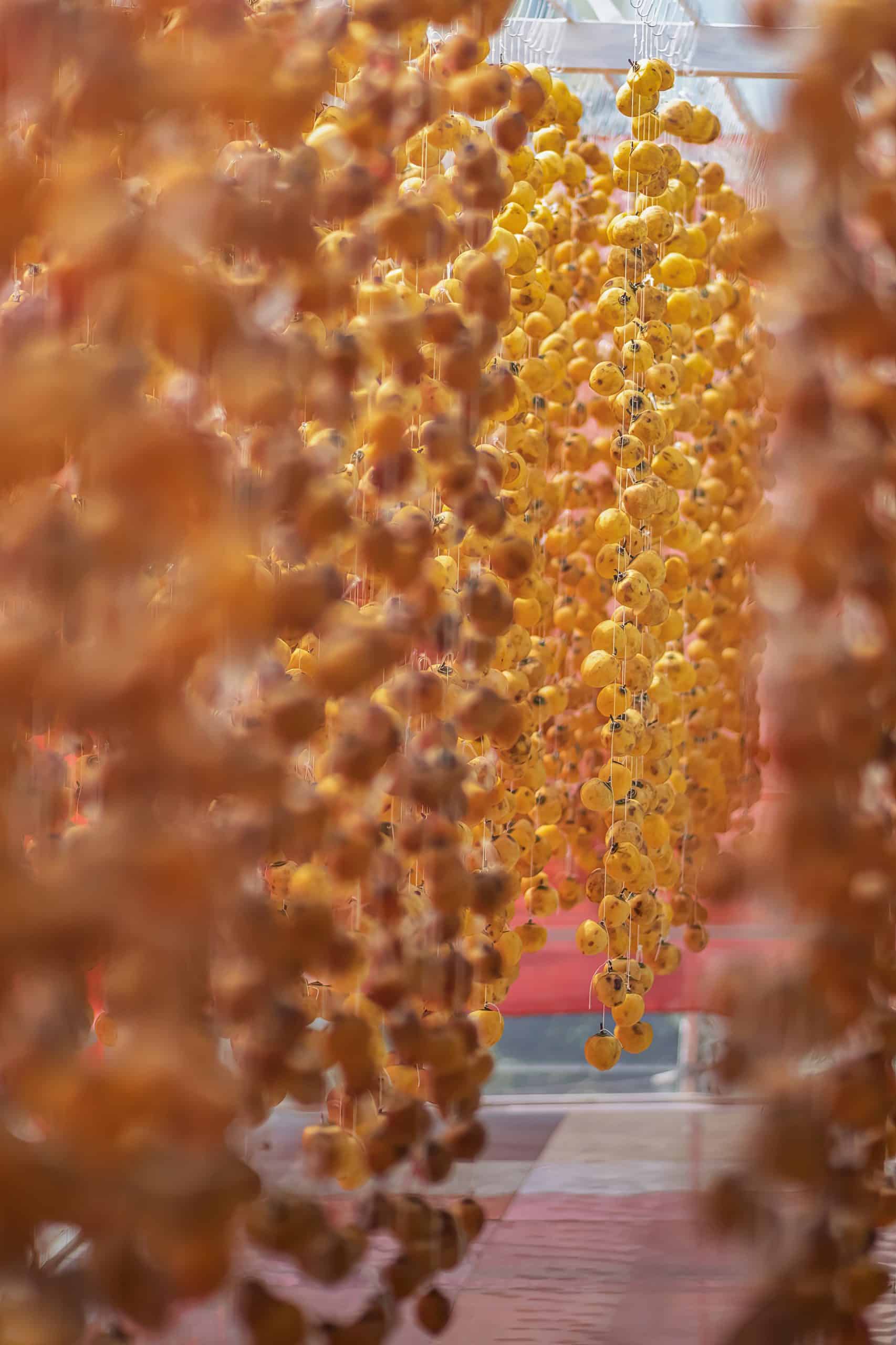
Many farms producing wind-dried persimmons also welcome visitors to learn about the process. After harvesting, the fruit is peeled and hung in the sun and wind for several weeks. The finished persimmons take on an amber-brown hue, with a slightly dried exterior, a dense, honey-like center, and their characteristic concentrated sweetness. Sun-dried persimmons have become a distinctive gift from the highlands, often taken home by visitors for friends and family.
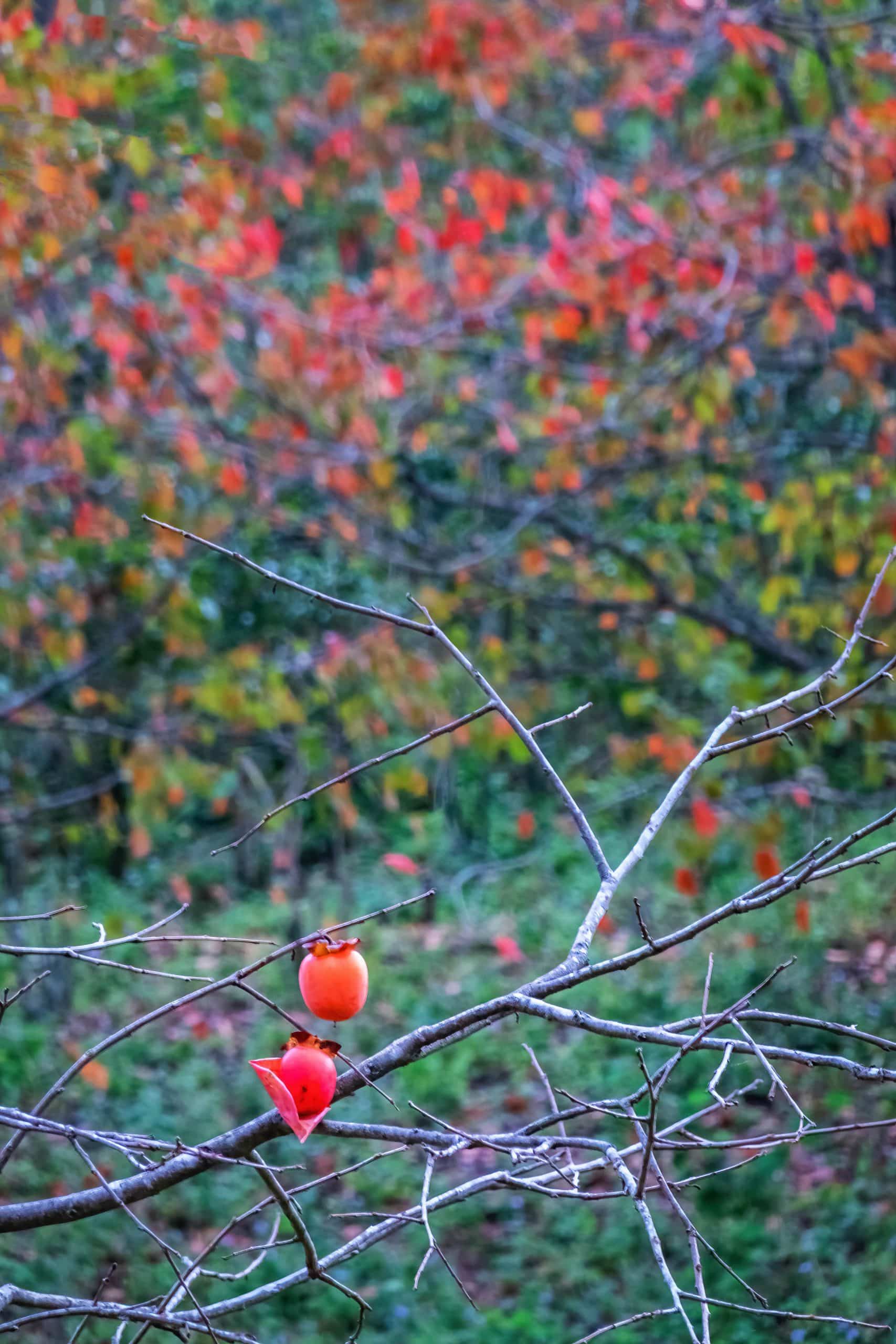
Persimmon season lasts for several months, but the brief period when the leaves turn red passes quickly. By December, most of the foliage has fallen, leaving clusters of orange-red fruit standing out against the bare branches. Some fully ripened persimmons fall to the ground, which is blanketed with fallen leaves. At this time, the orchards take on a nostalgic beauty, embodying both the golden hues of autumn and the quiet suggestion of winter.
On the Lam Vien Plateau, persimmon season is about more than ripening fruit. It is also a season of connection, labor, and care: orchards glowing red amid pine forests and hillside homes, fragrant wind-dried persimmons becoming a signature gift of the highlands, and travelers returning to nature to experience the peaceful beauty and simple values that have shaped the distinctive character of this plateau.
Please visit www.vietnamairlines.com for more information and details of special offers.