
Story: Truong Anh Ngoc
Photos: Shutterstock
With its bustling beer gardens, calm gardens, and fascinating museums, Munich keeps visitors coming back.
I still clearly remember the first time I drove into Munich, nearly 20 years ago. It was a summer night, and I had come over from Innsbruck, Austria. At night, Munich was beautiful, the lights blazing around Marienplatz. The sound of laughter spilled out from restaurants and bars, and the scent of German beer mingled with the charged air of a summer evening. With music drifting from somewhere nearby, the place was full of life and motion.
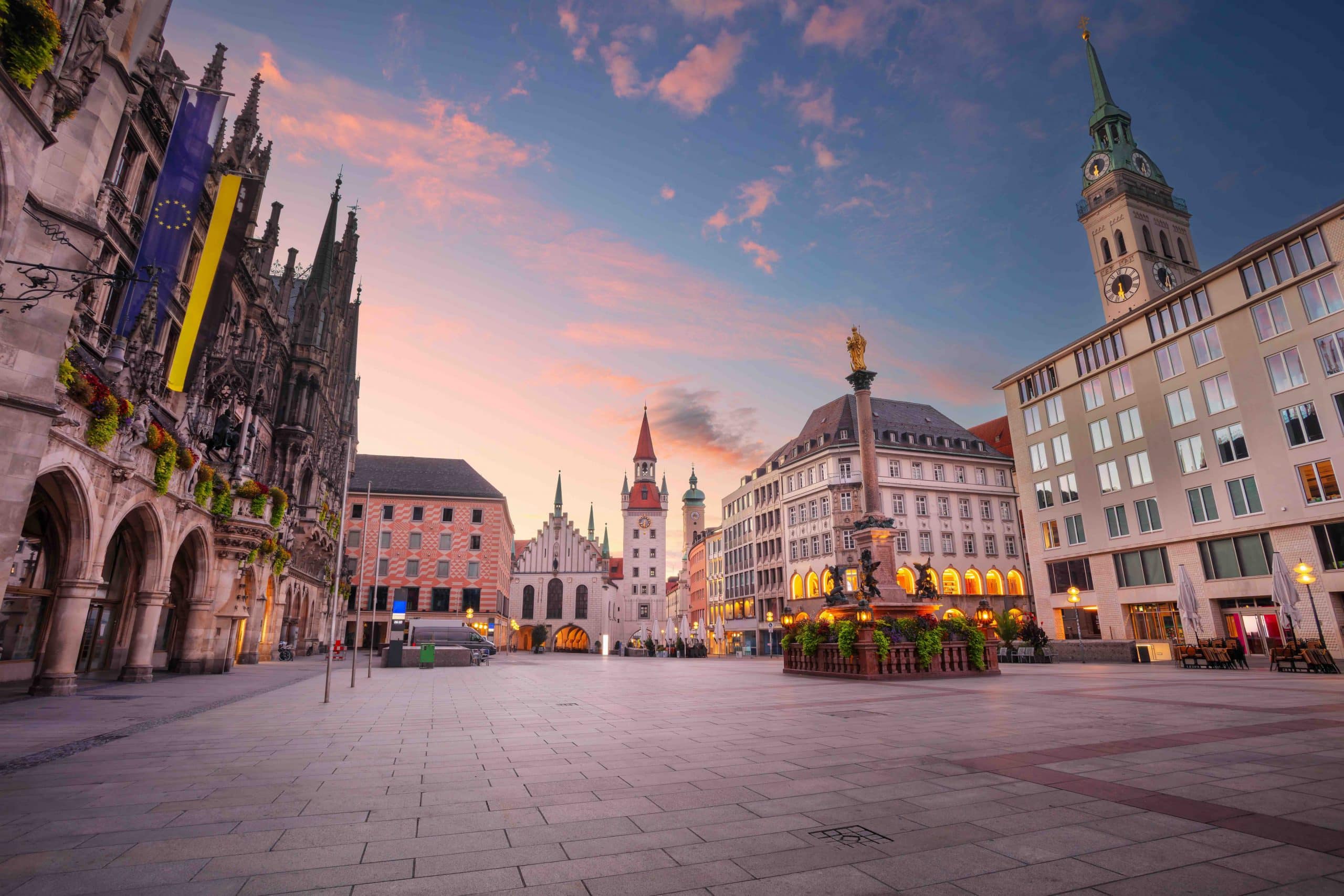
I felt close to Munich from those very first moments, even though my first stay was brief. With its mix of modern architecture and historic buildings, this leading German city did not, in fact, overwhelm me. At the time, I was living in Italy and was already very familiar with castles and churches. A friend once told me Munich felt rather cold. Too German, too industrial, too hurried, he said, a place that could easily make a person feel out of place. But from that very first night, I did not feel that way at all. A place only becomes distant and difficult if we do not open ourselves to it.
I stayed in Munich only that one night, wandering through the old quarters, which grew livelier and brighter as it got later. That was Munich under streetlights, with its beer halls, its young crowd, and its dark buildings silhouetted against the night sky. The impression stayed with me for years.
Then, on later visits that lasted longer, Munich gradually revealed itself more fully – in the daylight, in neighborhoods beyond the center, and in beautiful outlying palaces such as Nymphenburg, where one should go to admire the portraits of 19th-century beauties in the Gallery of Beauties.
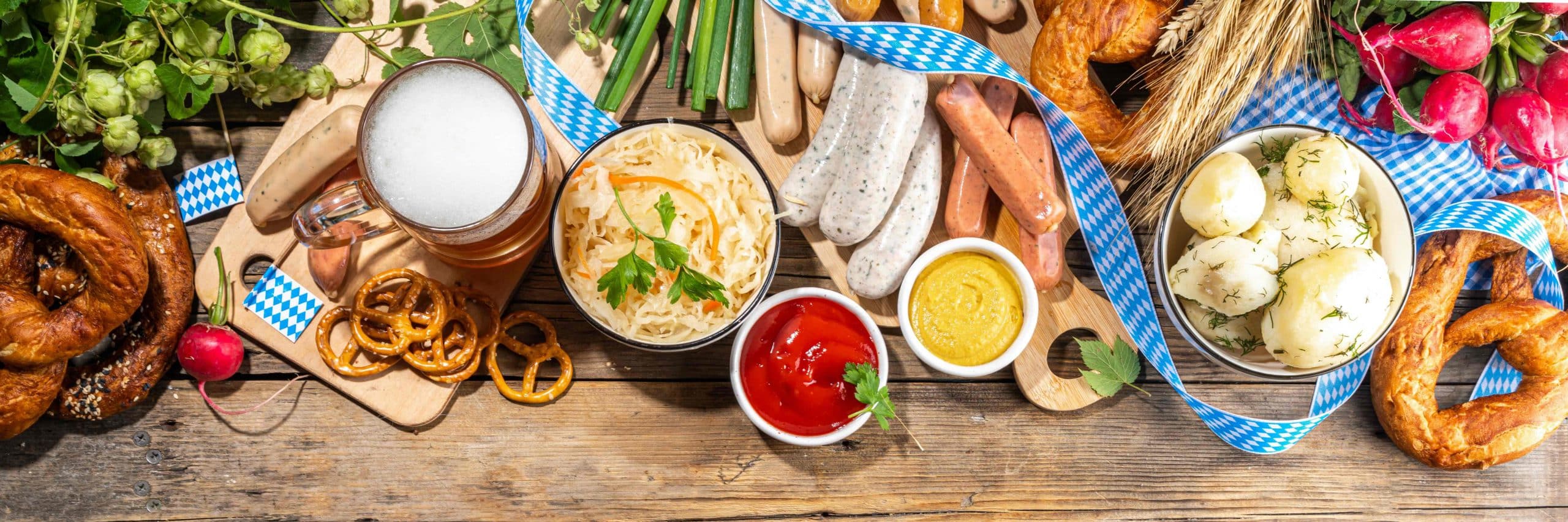
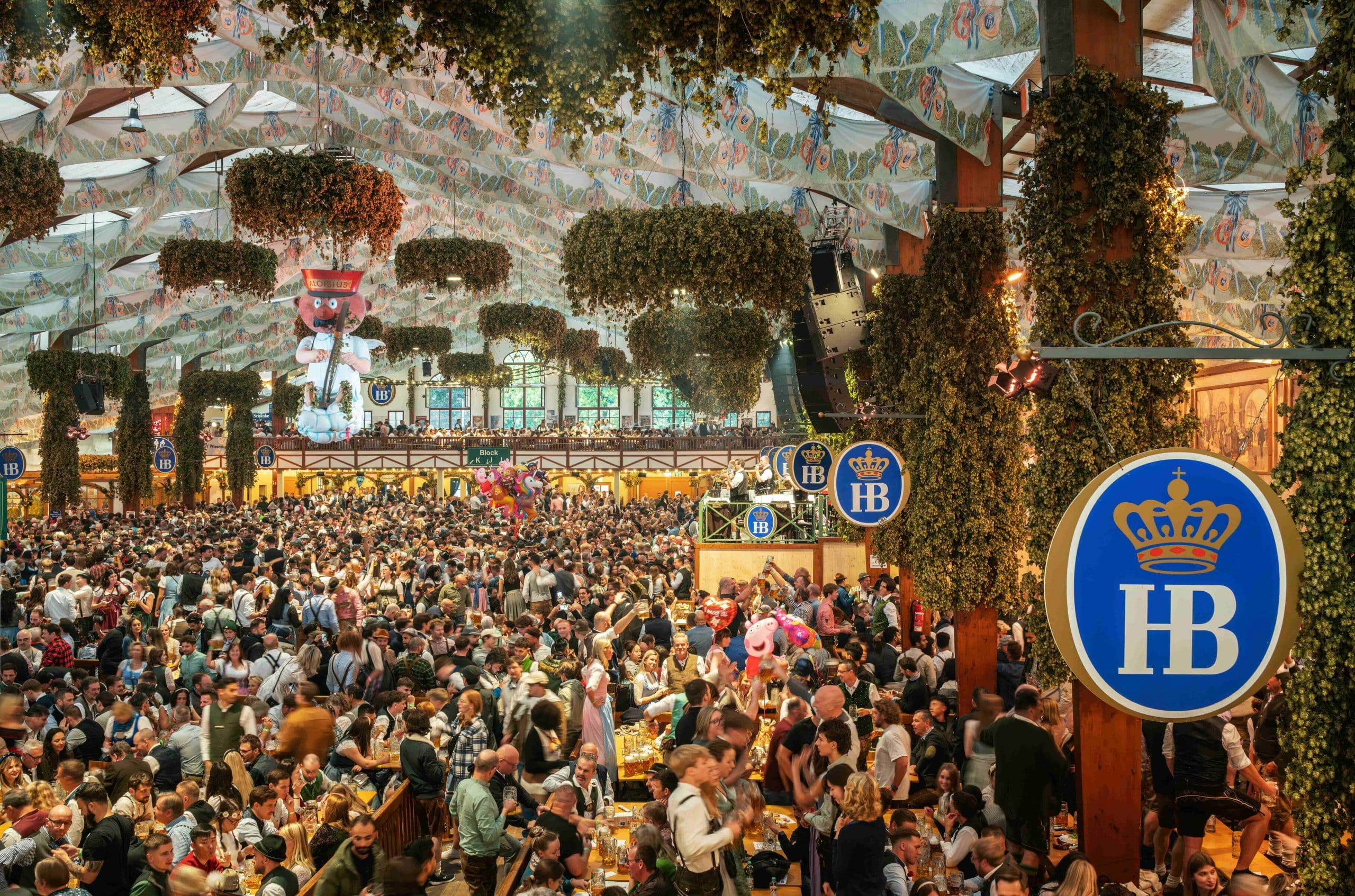
Munich, then, is a gathering of many of the things that make southern Germany special. There is excellent beer at Hofbrauhaus, the beer hall, more than 400 years old, where I once waited more than an hour for a table and then ordered two one-liter steins at once, drinking them with the pleased realization that this was among the finest beers I had ever tasted. But Munich also holds places tied to Adolf Hitler’s past, for it was here that the Nazi Party was founded, and here that the failed coup of 1923 was plotted in a beer hall.
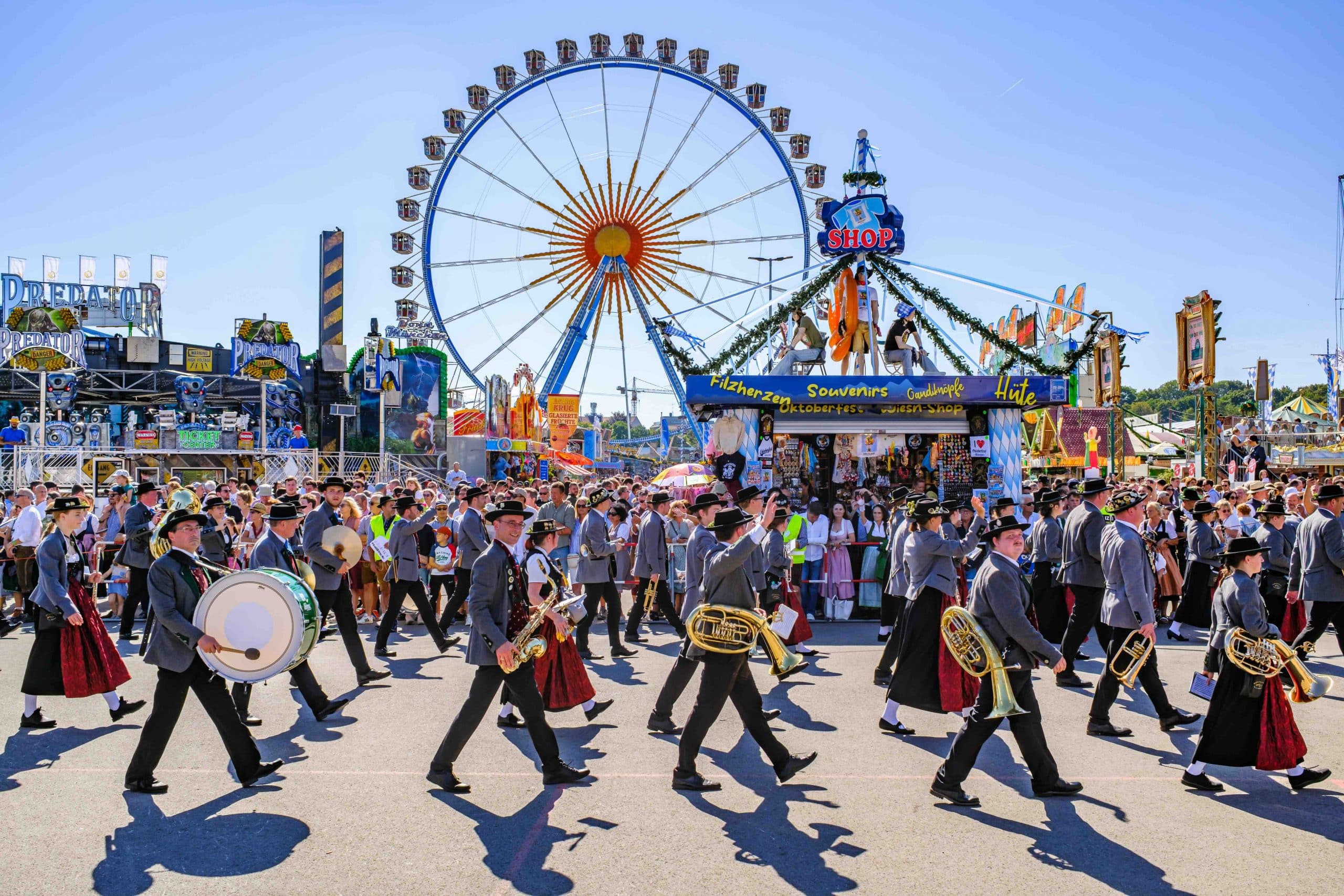
The city is home to Oktoberfest, the beer festival that usually takes place from late September to early October each year and has long made Munich synonymous with that cool, much-loved drink. There is so much to see and do in Munich. If you love architecture, visit the grand New Town Hall on Marienplatz, built in the Neo-Gothic style. St. Peter’s Church, the city’s oldest church, carries traces of architectural styles from different periods. Asam Church is a masterpiece of late Baroque and Rococo art. And be sure to stop by Theatine Church on Odeonsplatz, with several excellent cafés nearby.
Visitors interested in technology can visit the BMW Museum to explore BMW cars from different eras and trace the development of German automotive engineering.
Those looking for a quieter experience can head to the Englischer Garten, one of the world’s largest urban parks, or spend time in the calm of the Juristische Bibliothek, a law library known for its striking architecture.
Food lovers can have lunch at Neo-Brasserie Hoiz, wander through the market, or watch daily life unfold at Viktualienmarkt, a market in the city center with more than 200 years of history.
If you arrive in Munich outside of Oktoberfest, don’t worry. Beer and sausages remain part of the city’s everyday life, from traditional beer halls to busy street corners. At Paulaner am Nockherberg, on the far side of the Isar, you can enjoy the well-known Paulaner beer. The Paulaner brewing tradition has been linked to Munich’s monks since the 17th century, forming part of Bavaria’s beer culture. And start a new day in Munich at a relaxed breakfast spot like Occam Deli.
But Munich’s beauty extends beyond its city limits. It also serves as a gateway to Bavaria, the southern region of Germany near the Alps, known for its blue lakes, old towns, castles, and scenic roads. From Munich, one can travel to Landshut on the Isar River, to Regensburg or Bamberg, or south toward Berchtesgaden and Lake Königssee. These routes reveal a Bavaria shaped by mountains, water, and open sky.
This is perhaps why Munich deserves more than one visit. It does not draw attention loudly or overwhelm at first sight. The slower one travels and the more closely one observes, the more reasons there are to return. Once for Marienplatz at night. Once for Hofbräuhaus München and its full beer steins. Once for its museums, churches, parks, and the old market. And then again, following the roads that lead out into Bavaria.
Until we meet again, Munich and Bavaria.