
Le Viet Khanh
Built from earth, stone, and timber, traditional Hmong houses tell stories that extend far beyond architecture.
Amid mist and rocky mountains, the earthen-walled houses of the Hmong stand like quiet witnesses to time – humble in appearance yet deeply imbued with the spirit of the highlands. Built from rammed earth, forest timber, and the skilled hands of generations, each earthen wall, stone fence, and yin-yang tiled roof carries a story of the daily life, customs, and soul of the Hmong people in the highland frontier.
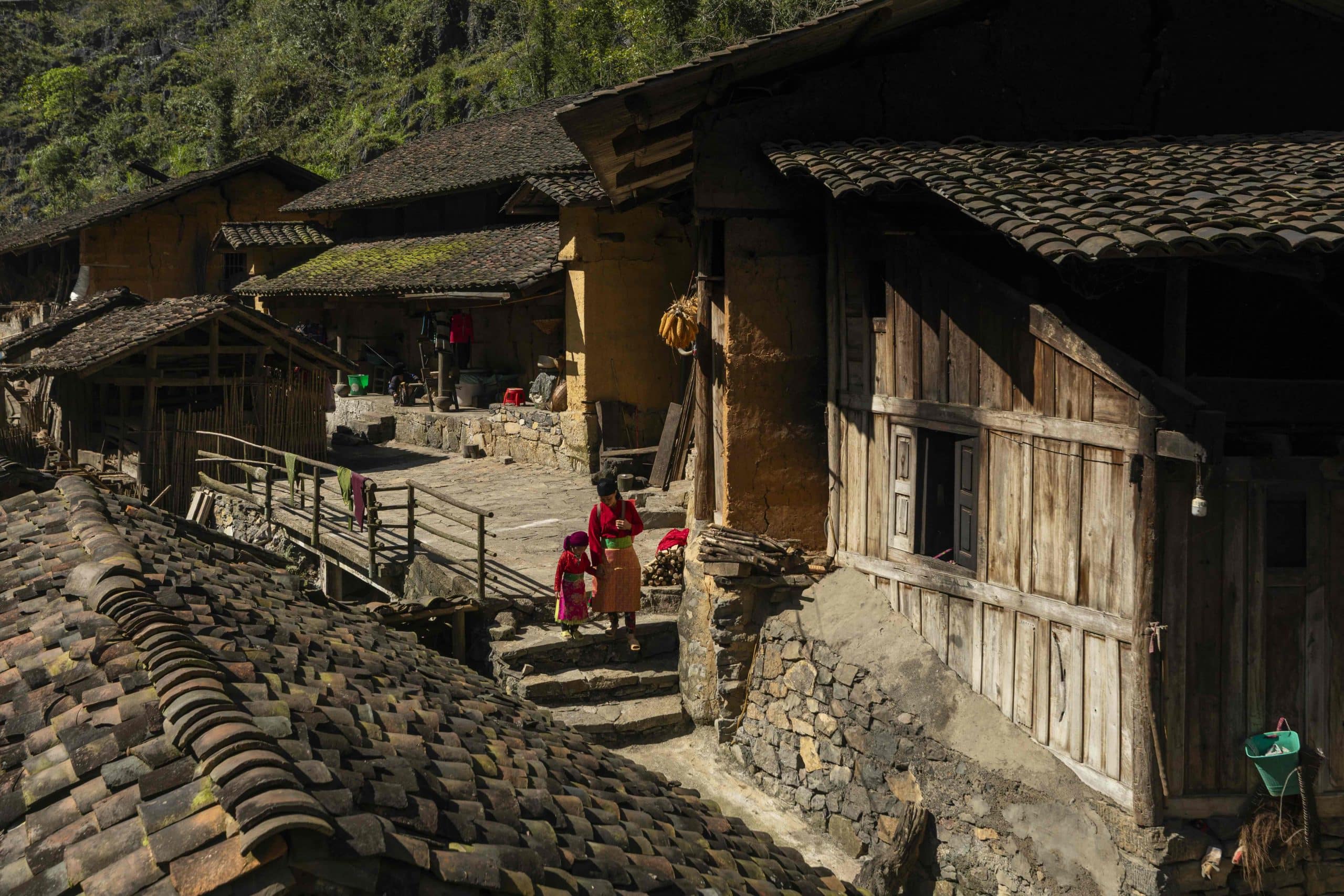
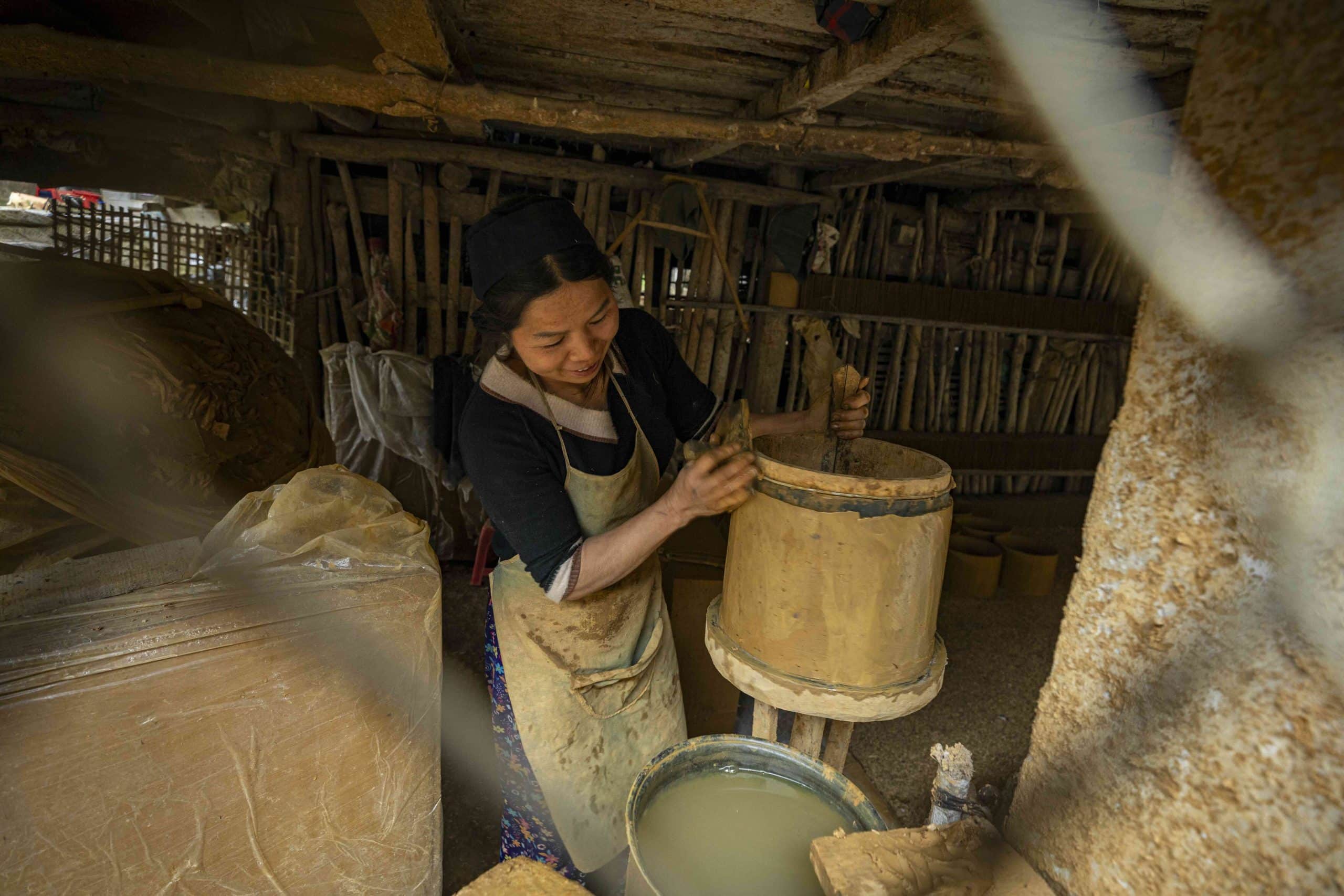
In Hmong tradition, an earthen-walled house is not only a dwelling place, but also a reflection of a family or clan’s prosperity, way of life, and social standing. Trinh tuong refers to the technique of packing and tamping earth tightly within wooden molds to form thick, solid walls. Using materials readily available in the mountains, the Hmong created a style of house well suited to the harsh natural conditions: warm in winter, cool in summer, and sturdy against mountain winds and chilling mist.
Yin-yang tiled roofs are a distinctive architectural feature in many upland regions, especially in the earthen-walled homes of the Hmong. Over time, the reddish-brown tiles deepen in tone, complementing the ochre-yellow earthen walls, gray stone, and dark green mountains and forests. This color palette adds to the distinctive, timeworn beauty of upland villages.
Surrounding many of these homes are dry-stacked stone fences, built by hand without mortar. The Hmong use stones found in their fields, skillfully stacking them one atop another to form sturdy enclosures that protect the house from cold winds and wild animals while also preventing cattle from damaging crops in their gardens. Yet beyond their practical function, these stone fences also symbolize endurance, diligence, and the bond between people and the rocky mountains. In the highlands, a man who knows how to build a house, stack a stone fence, and create a stable home is considered a skilled family man.
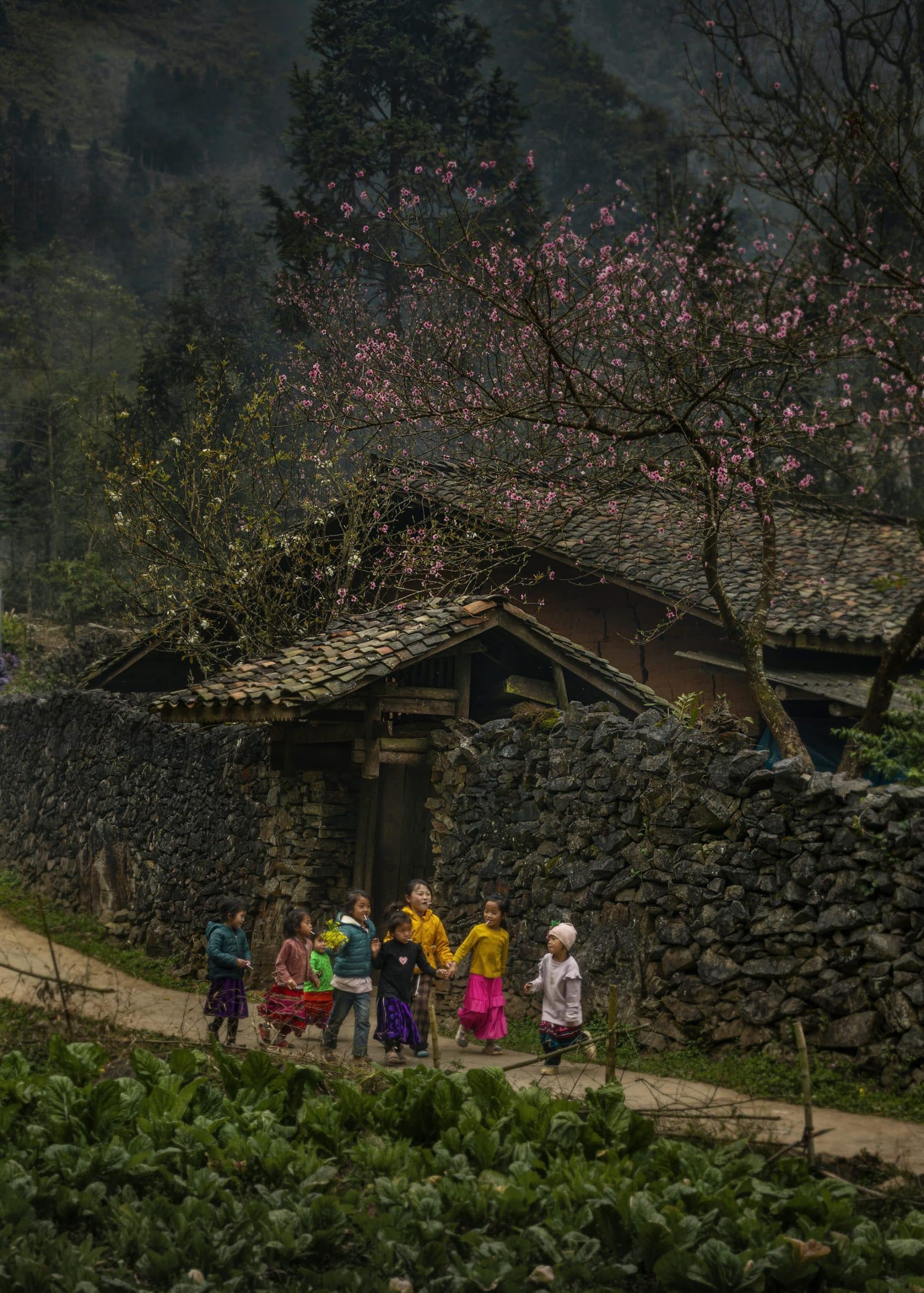
On the Dong Van Karst Plateau in Tuyen Quang Province, the vast natural landscape, rugged terrain, and harsh climate have clearly influenced the design of Hmong houses. Earthen-walled houses often nestle in valleys, along winding paths, and among mossy stone fences. Seen from afar, the deep yellow earthen walls, yin-yang tiled roofs, and gray stone foundations create a scene that’s both rustic and poetic. These houses are not merely places to live; they reveal how the Hmong remain connected to nature, adapt to the rocky mountains, and preserve a communal way of life across generations. It is no accident that images of earthen-walled houses, yin-yang roofs, and stone fences have entered poetry and film, becoming defining visual emblems of the rocky plateau.
Yet with the development of modern life and the convenience of contemporary building materials, many traditional houses are gradually changing. Brick walls, corrugated metal roofs, and cement roofing sheets are increasingly common, replacing earthen walls and yin-yang tiles in many villages. The overall layout of Hmong houses may remain familiar, but rammed earth and traditional tiles – the very elements that once created such harmony with the landscape – are becoming increasingly rare.
In Pa Vi Ha Hamlet, Meo Vac Commune, Tuyen Quang Province, the Hmong Community Cultural and Tourism Village was established to preserve and showcase traditional Hmong architecture for visitors. Even so, in many villages, original earthen-walled houses with yin-yang tiled roofs are increasingly difficult to find. This change raises an important question about how indigenous architectural values can be preserved in modern life: preservation does not mean freezing everything in place, but rather ensuring that traces of the past remain in the present.
This photo essay offers contemplative glimpses of the earthen-walled homes, yin-yang tiled roofs, and stone fences that continue to tell quiet stories in the mountains and forests. On the fragile line between memory and oblivion, each roof, earthen wall, and hand-laid stone reminds us of a heritage that deserves to be cherished and preserved.