
Story: Son Ca
Photos: Son Ca, Shutterstock
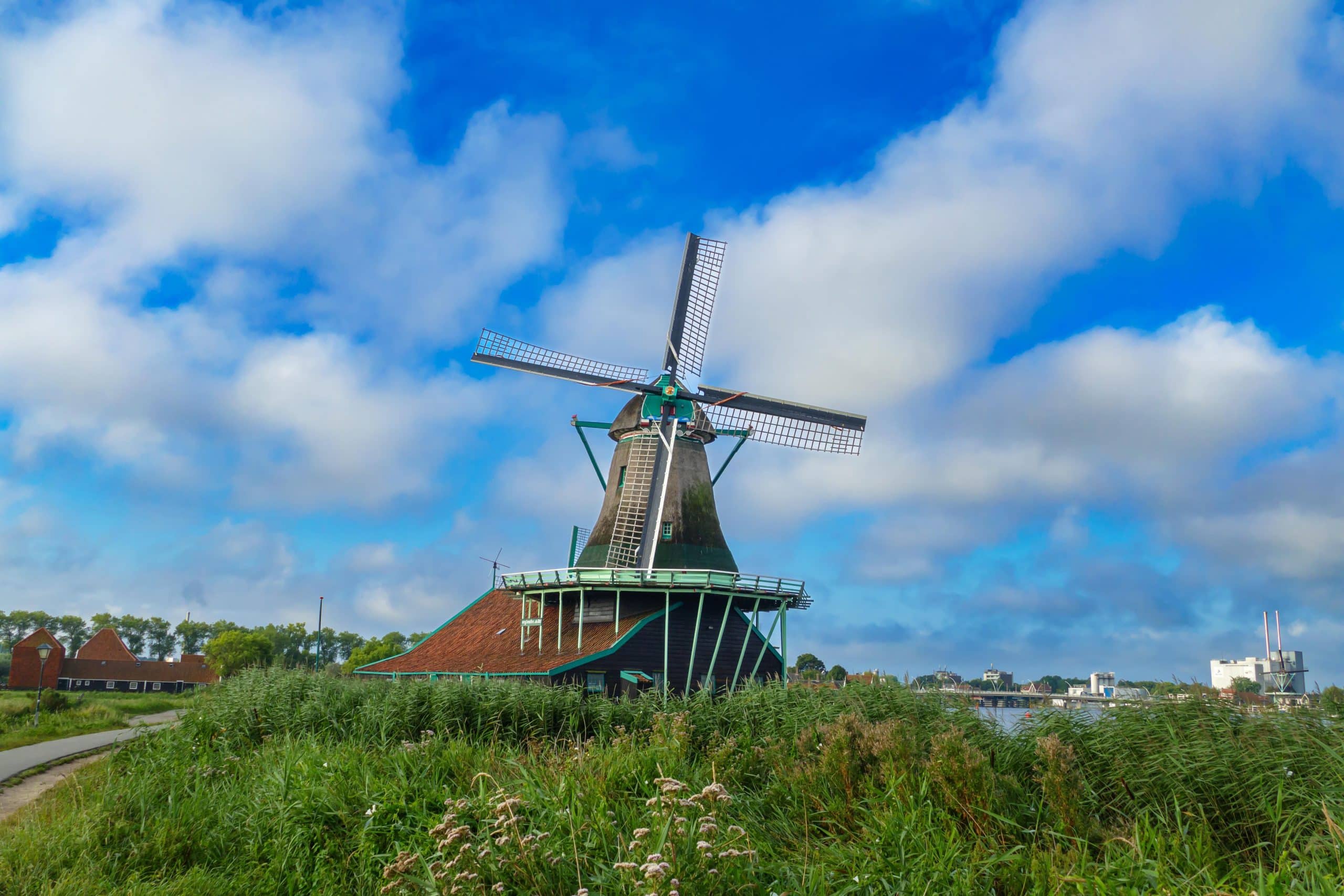
Built from relocated buildings, Zaanse Schans recreates the industrial landscape of the Netherlands in the 18th and 19th centuries.
Fragrance
Sound
Wood
So wonderful
It has a heart
We cherish them
We want to preserve them
We do not want to let them disappear
These opening lines, shown in a documentary screened inside a windmill, feel like the quiet confession of those involved in the relocation, restoration, and preservation of the Netherlands’ most representative traditional windmills.
From a pigment mill to a clock museum
I am standing inside the De Kat windmill – “The Cat” – in the village of Zaanse Schans, about 20km north of Amsterdam. It is perhaps the only pigment mill in the world still powered by wind, grinding stone into a fine powder to produce pigments via a technique employed for nearly 400 years. Art experts believe that many of the pigments the great masters Vermeer and Rembrandt used in their famous paintings may have come from wind-powered pigment mills such as De Kat, once common across the Zaan region.
De Kat was built around the mid-17th century on its present site along the Kalverringdijk dike. By 1960, after many upheavals, only its foundation remained. Later, the upper structure of another pigment mill, De Duinjager, was moved from elsewhere and attached to this old base, allowing the surviving parts of two old mills to start a new life as De Kat.
As I walked into the village of Zaanse Schans, I had to stop on a long bridge as the drawbridge was raised to let a boat pass along the Zaan River. The bridge felt like a gate through time. Once crossed, it leads into a space that preserves memories of a vanished era.
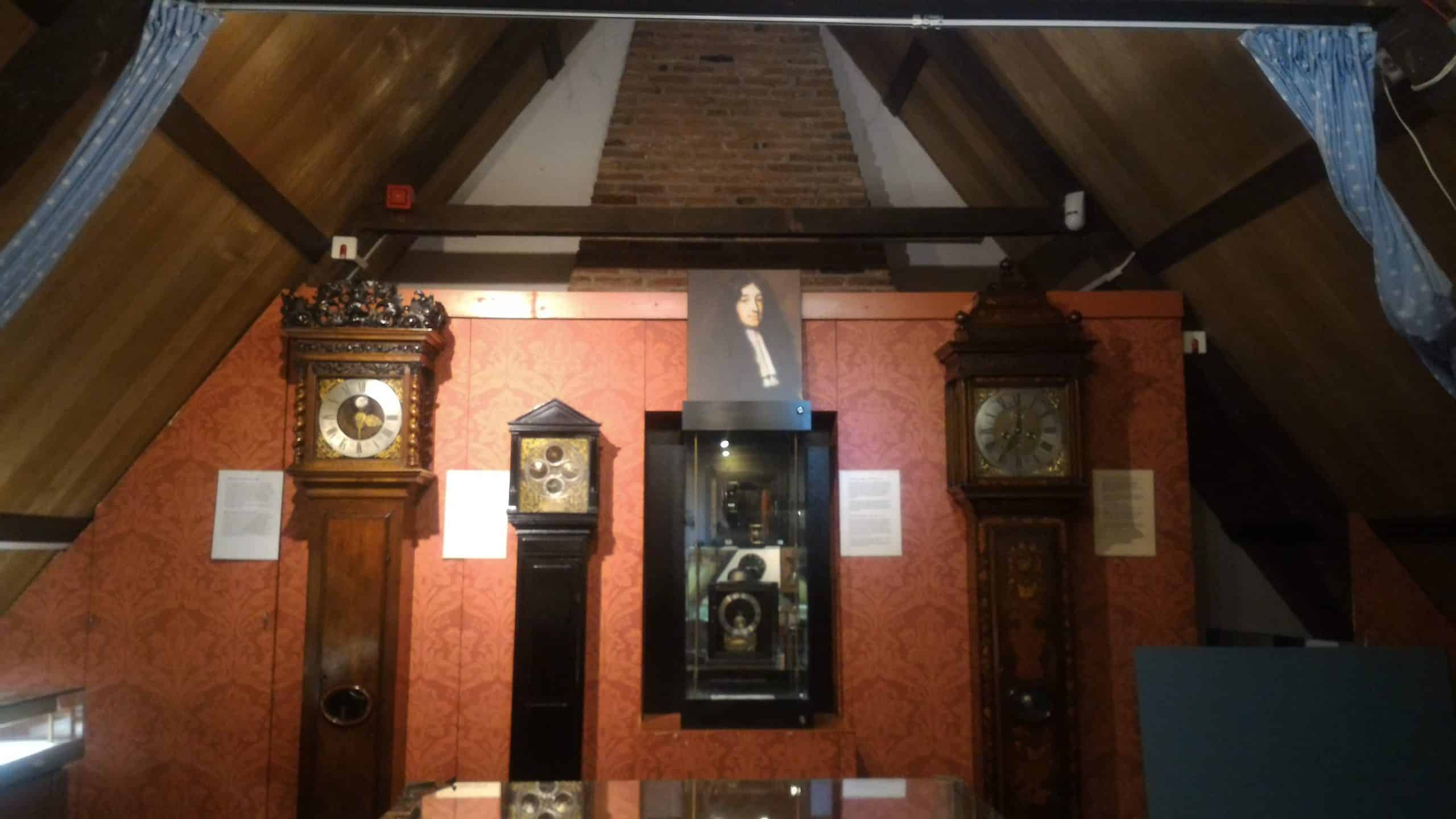
The village is also home to the Museum Zaanse Tijd, a clock museum. This museum did not begin with a collection of clocks, but with the rescue of a historic building. In the early 1970s, a 17th-century wooden house and workshop in Assendelft fell into serious disrepair. As on-site restoration was not possible, the entire structure was moved to Zaanse Schans, which by then had existed for nearly 10 years as a much-loved protected heritage site. Only afterward was the clock collection added.
The faint ticking of the clocks accompanies the creaking of the village windmills, as if whispering stories of memories and time.
Protecting and reviving the heritage of Zaan
Zaanse Schans was created by relocating and preserving representative buildings from across the Zaan region, aiming to recreate the area’s most prosperous period in the 18th and 19th centuries. The Zaan region was once a vast industrial center in Western Europe, with 600 windmills operating at one time out of a total of more than 1,200. According to historians, it was one of the world’s most developed industrial regions of its era, with commercial activities including oil pressing, paper making, dye and paint production, pigment grinding, shipbuilding, and timber processing and trade.
This region welcomed many notable visitors, including Emperor Napoleon Bonaparte, the painter Claude Monet, and most famously, Tsar Peter the Great of Russia, who came to Zaandam in 1697 to study Dutch shipbuilding techniques.
Zaanse Schans is one of the Netherlands’ largest 20th-century architectural preservation projects, a nearly 70-year effort to save dozens of wooden houses, warehouses, and windmills from disappearing. Construction began in 1961 and was completed in 2014. The project restored selected buildings and arranged them into an open-air heritage complex along the Zaan River, where each windmill and house carries its own historical story.
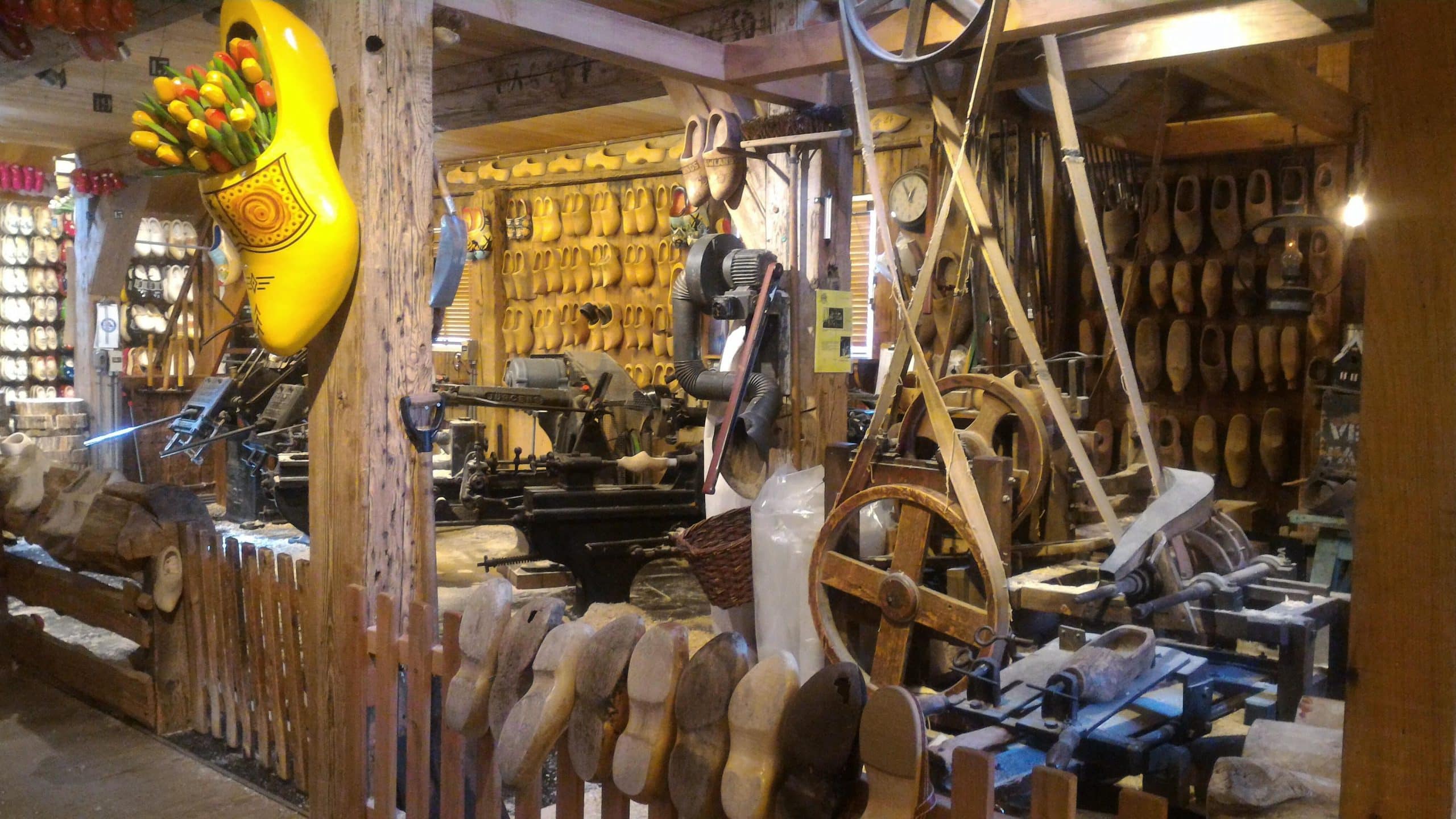
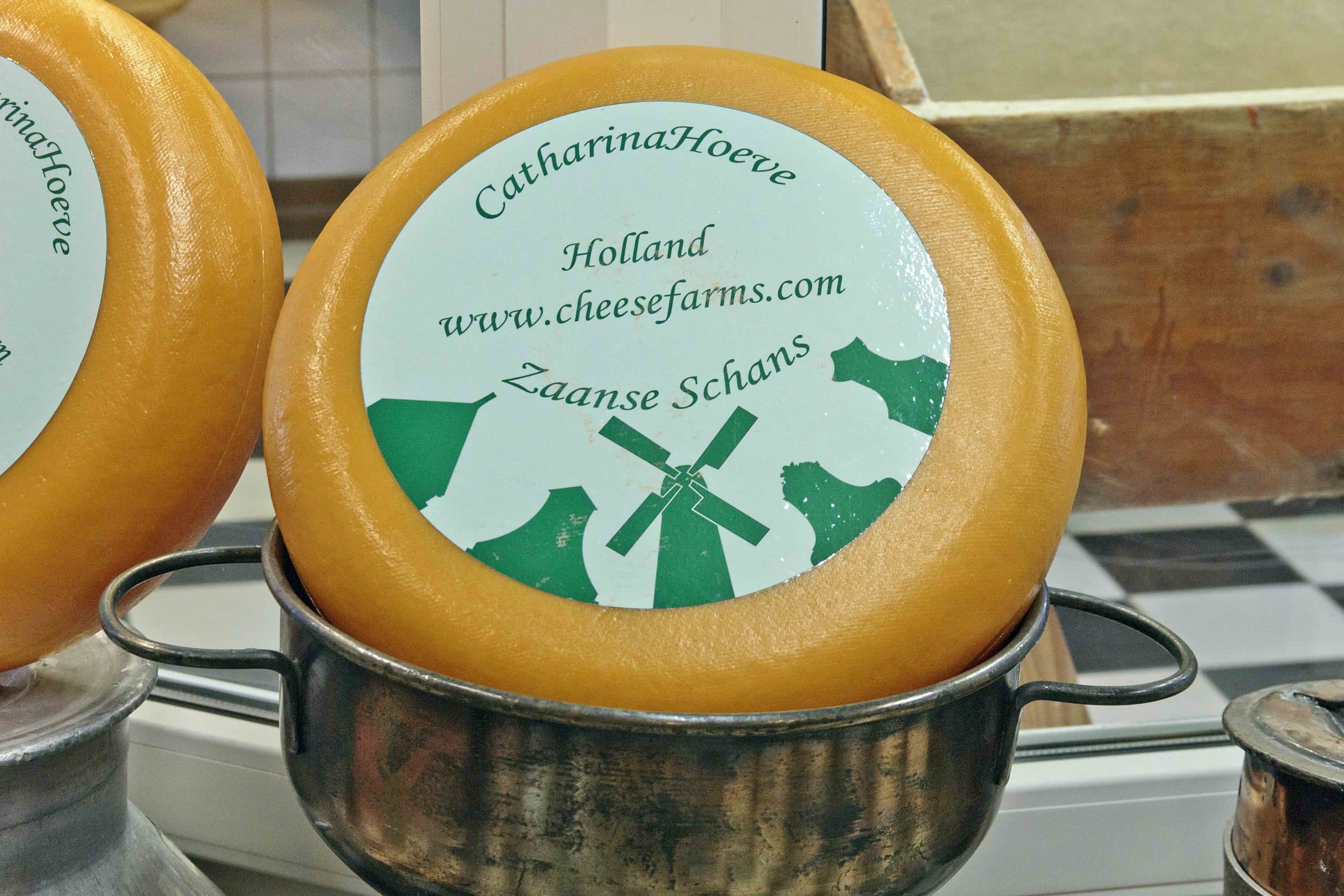
In addition to 12 windmills, four of which are open to visitors, the site also preserves houses in their original architectural form, as well as the Museum Zaanse Tijd and the Zaans Museum. Craft workshops, such as those making wooden clogs or cheese, still operate using traditional methods.
The idea for Zaanse Schans first emerged in 1947. At first, the project focused solely on preservation, but from the moment it opened in 1965, it attracted so many visitors that overcrowding was an issue. By 1970, serious thought was being given to building additional infrastructure to support the visitor experience. In the end, Zaanse Schans became so famous that Queen Juliana officially inaugurated it in 1972.
In recent years, local authorities have considered charging admission fees to manage visitor flows and fund maintenance and conservation. Although the exact policy may change depending on when visitors arrive, the debate itself reflects a clear reality: the more famous a heritage site becomes, the greater the pressure to preserve it.