Story: Department of Culture, Sports and Tourism of Dien Bien Province
Photos: Le Huy, Thanh Tho dia, Trinh Xuan Tu, Mai Luong Giap, Vu Tat Loi
Explore a region shaped by vast nature, a heroic history, and vibrant highland cultures.
As the aircraft begins its descent, the deep green mountain ranges of northwestern Vietnam gradually emerge beneath drifting white clouds. In that far western land, Dien Bien appears as a place shaped by many layers of time: the vast beauty of forest and mountain, the radiant memory of history, and the captivating cultural colors of communities that have lived along this frontier for generations.
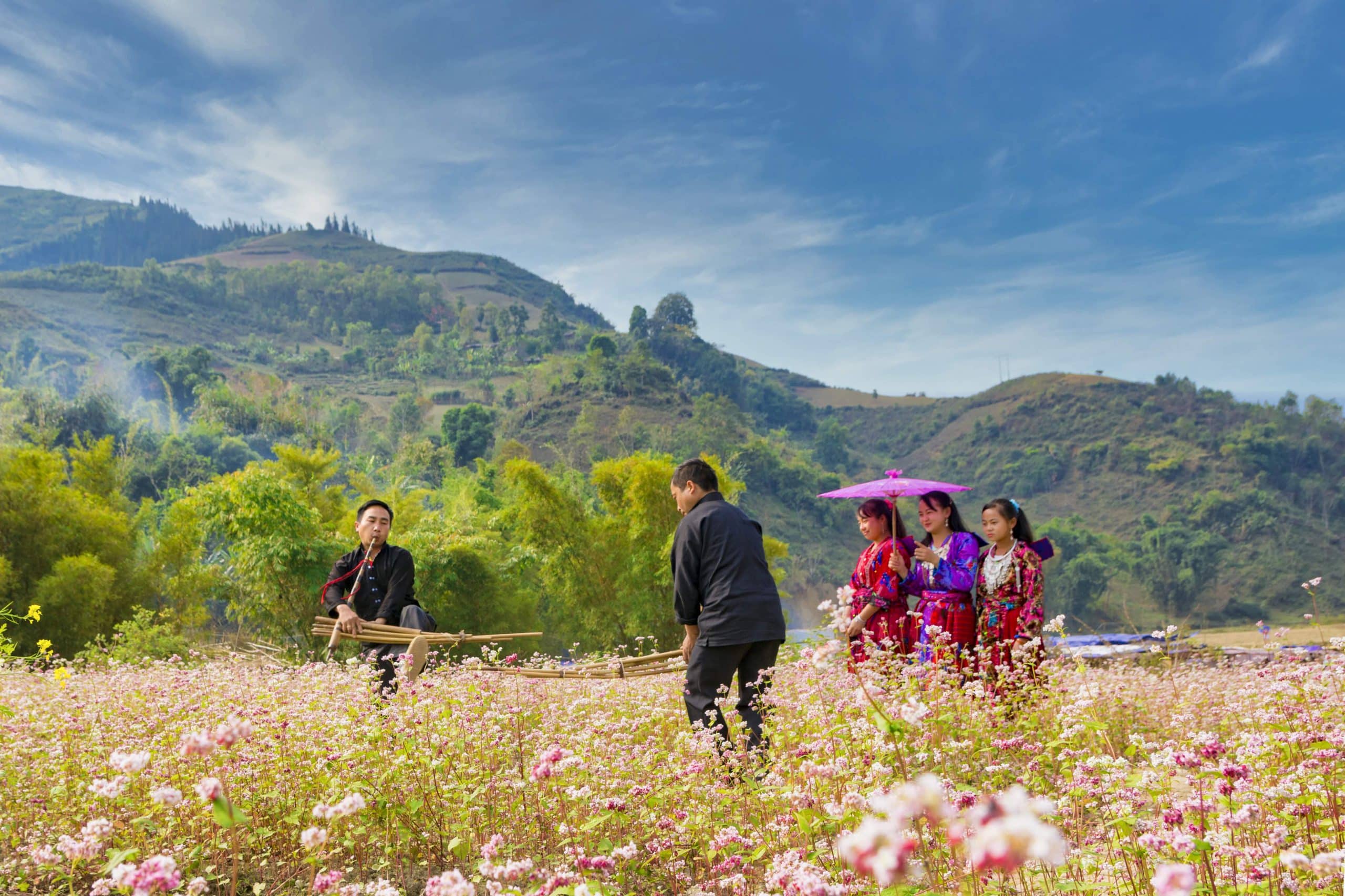
Through the aircraft window, you can take in a Dien Bien that unfolds like an endless painting, with the vast Muong Thanh field lying in the embrace of the mountains, terraces and plots stretching onward, small roads weaving through villages, and the Nam Rom River flowing quietly across a valley that feels both expansive and deeply serene. Beyond the golden abundance of Muong Thanh lie the winding passes of Pha Din and the still surface of Pa Khoang Lake, a green mirror in the heart of the highlands, where time itself seems to slow.
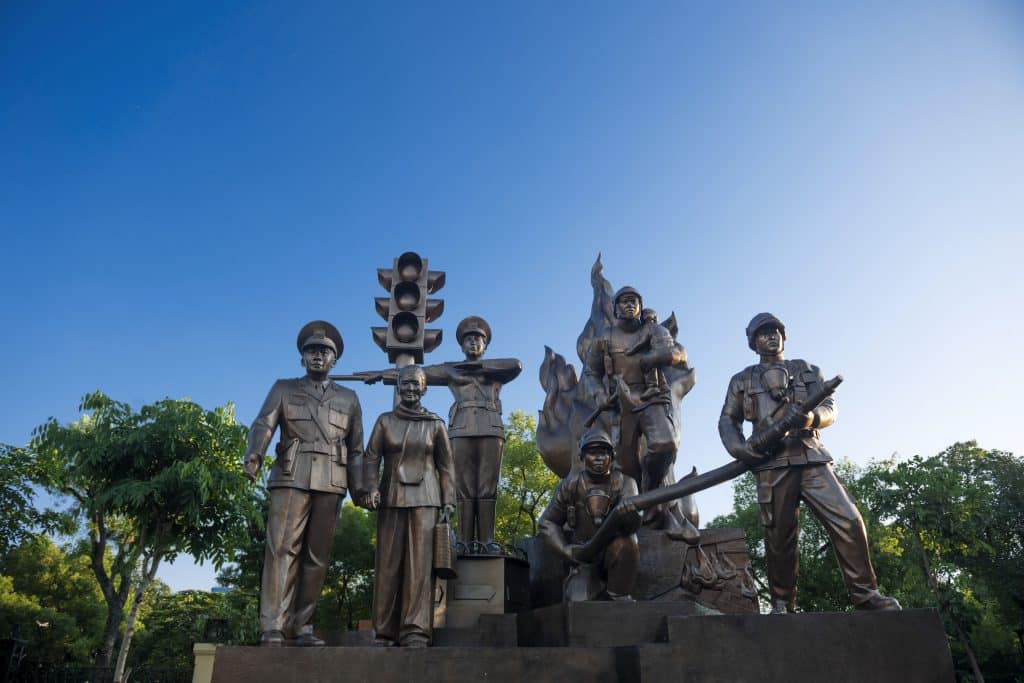
In Dien Bien, it is impossible to separate the natural landscape from the layers of history still clearly present in every forest, river, and mountain. In the heart of the Muong Thanh basin, A1 Hill continues to tell the story of the fierce days of the Dien Bien Phu Campaign in 1954. The traces of trenches, the bomb crater, and preserved artifacts remain there, quietly recalling a heroic time of fire and smoke. Not far away stands the De Castries bunker, once the command center of the Dien Bien Phu stronghold. From Muong Thanh Bridge, which crosses the Nam Rom River, to the Campaign Headquarters in Muong Phang, hidden among old-growth forest, every stop opens a proud chapter in unforgettable days. The A1 National Martyrs’ Cemetery, the Martyrs’ Temple at the Dien Bien Phu battlefield, and other spiritual landmarks in this land create moments of stillness in which one may more deeply feel the value of peace today.
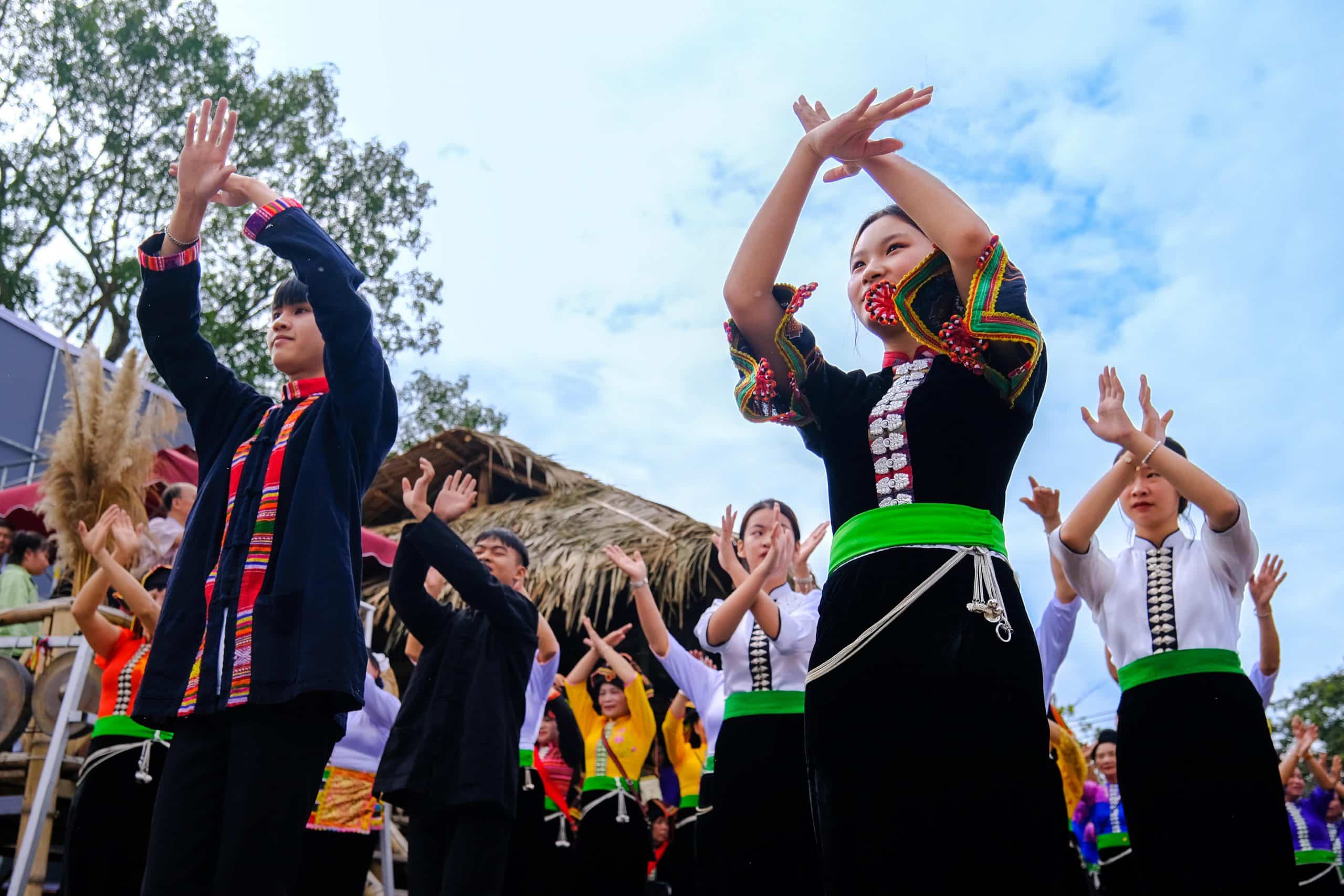
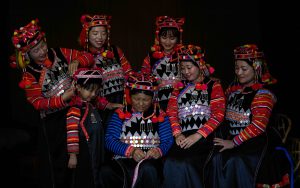
If history gives Dien Bien its depth, then culture is the soul that makes it distinctive. This is a land where many ethnic groups – Thai, Hmong, Ha Nhi, Kho Mu, Dao, and others – live side by side, creating a richly colored cultural mosaic on the frontier. Highland markets, the graceful Thai xoe dance beside flickering firelight, the sound of the Hmong khen echoing through the mountains, along with festivals and traditional rituals, all remain naturally woven into everyday life.
The cuisine here is not elaborate but simple and sincere, like a slice of local life that reflects the long-standing bond between people and the forest, people and the mountain. There is fragrant upland sticky rice nourished by the alluvial richness of Muong Thanh, pa pinh top grilled fish scented with mac khen, and smoked buffalo meat carrying the flavors of woodsmoke, mountain wind, and highland winters.
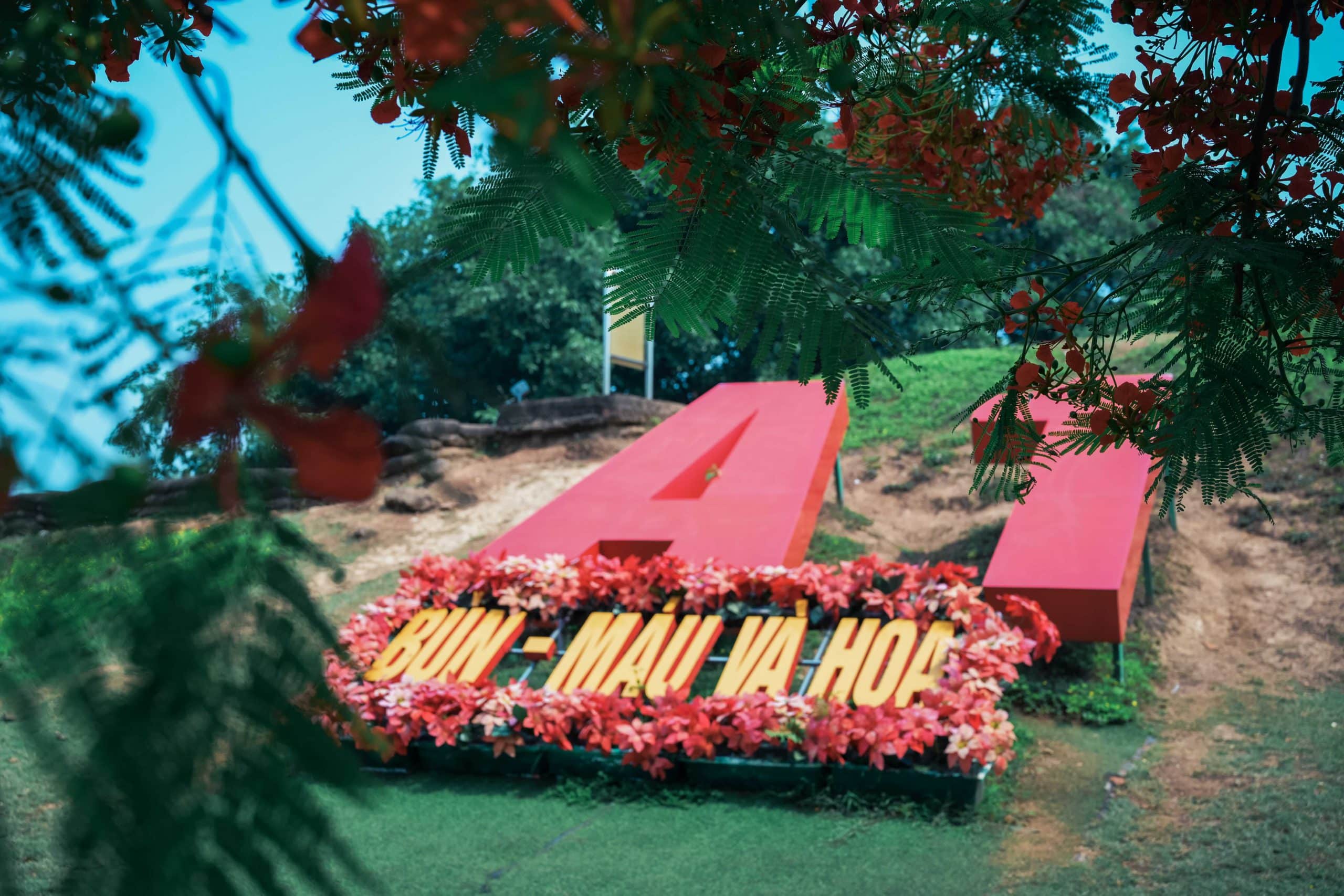
Today, the journey to Dien Bien has become far more convenient thanks to increasingly improved transport links. Flights now carry travelers across hundreds of kilometers in a short time, opening the door to a land once considered one of the most remote places in Vietnam’s far west. Community-based tourism and ecotourism rooted in local culture are gradually becoming favored choices. In the villages, travelers can spend the night in earthen-walled homes or traditional stilt houses, join local people at the market, cook meals together, or listen to stories of life in the borderlands.
As evening falls, the day’s last light slips behind the mountain ranges surrounding the Muong Thanh basin. In that moment, Dien Bien appears not only as a destination of nature or history. It is a place where the stories of the past continue to quietly accompany the rhythm of life today; where every road opens onto another layer of memory, and every encounter leaves behind an echo that lingers.