

Story: Co Thi
Illustration: Dang Tien
As the summer heat settles over fields and forests, old stories remind us of patience and kindness.
Some summers need no plans, no journeys. All they ask for is sunlight, a pause, and a few old stories retold at an unhurried pace. In such moments, Vietnamese fairy tales return, not merely as stories, but as a way of life: simple, kind-hearted, and just deep enough to keep one believing in goodness.
Opening the door to summer
Once upon a time, whenever summer arrived, the Vietnamese countryside seemed to quietly open its gates and welcome fairy tales home. It needed neither festival drums nor dazzling miracles. Summer revealed itself naturally through cicadas singing on bamboo hedges, the scent of freshly dried straw in the yard, the fierce noonday sun that sent children in search of shady jackfruit trees, and listening to their grandma’s old stories. As such, Vietnamese fairy tales are often set in the summer, when time slows, sunlight inspires dreams, and stillness allows belief in goodness to grow.
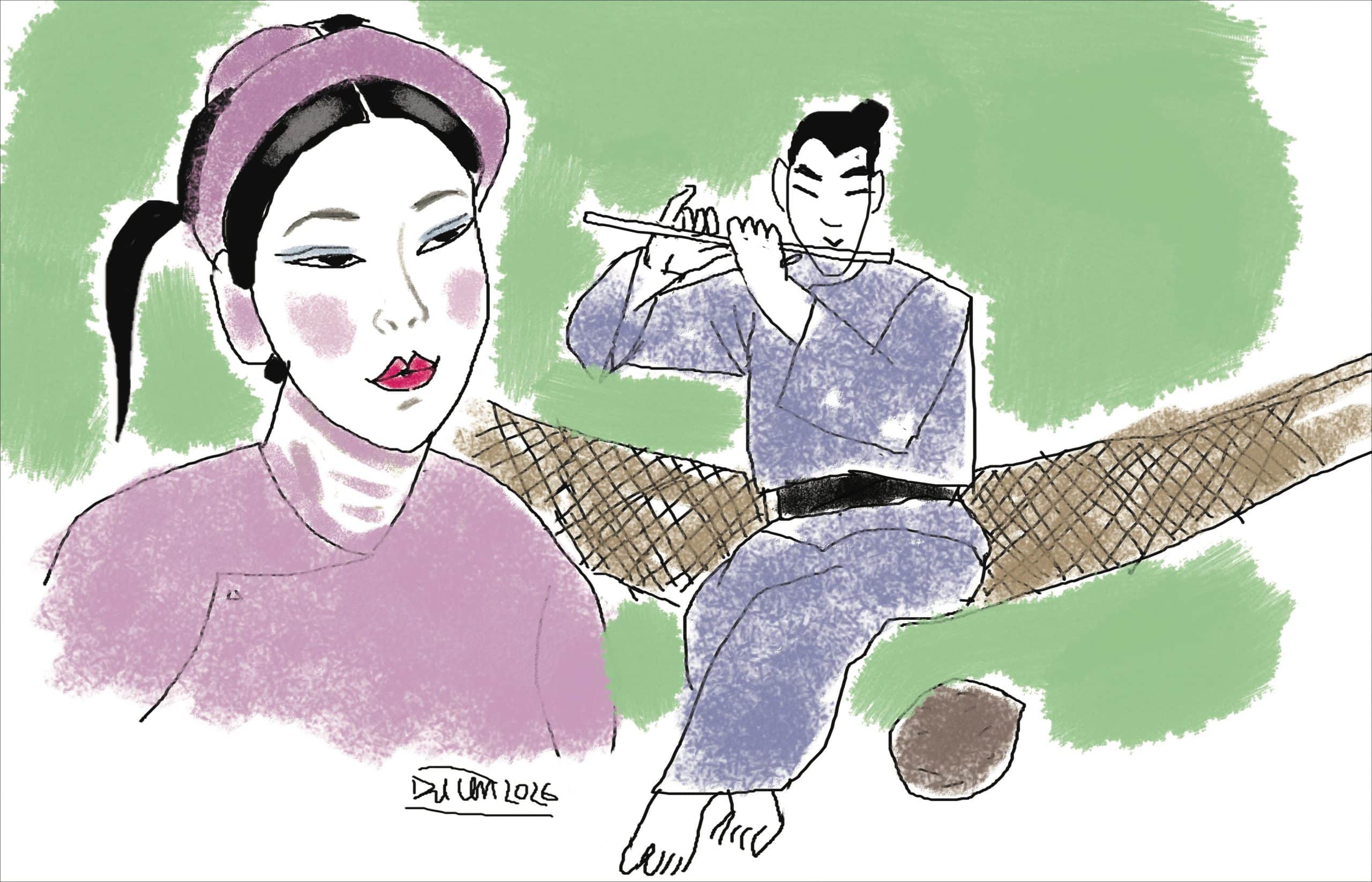
In Vietnamese fairy tales, summer is not merely a backdrop. It is a season of trial and growth. Under the sunlight of a fairytale summer, Thach Sanh appears in the deep forest, passing through ordeals with courage and faith in what is right. Tam rises from the mud and hardship to become a symbol of radiant beauty. Alongside Thach Sanh and Tam is the diligent figure of So Dua, the young man in The Hundred-Knot Bamboo Tree, who braves the blazing sun in the fields to seek justice, leading children toward a life of simple yet steadfast faith. The protagonists in these tales often leave the familiarity of home during long summer days, learning to navigate fear, hunger, and hardship as they pursue a life built on ethical choices.
Summer, then, is marked by harsh sunlight. It is not gentle, but it is necessary. It burns away innocence, leaving behind a person’s core: kindness, patience, and a belief in compassion.
Sunlight and trials of the human heart
If spring is a gentle beginning, summer is a quiet test. Beneath its fierce light, deep forests, drying streams, and cracked fields lie exposed, with nothing concealed. Fairytale characters move forward without a guide, making their own choices and bearing the consequences. In such conditions, human nature reveals itself most clearly: between greed and kindness, selfishness and generosity.
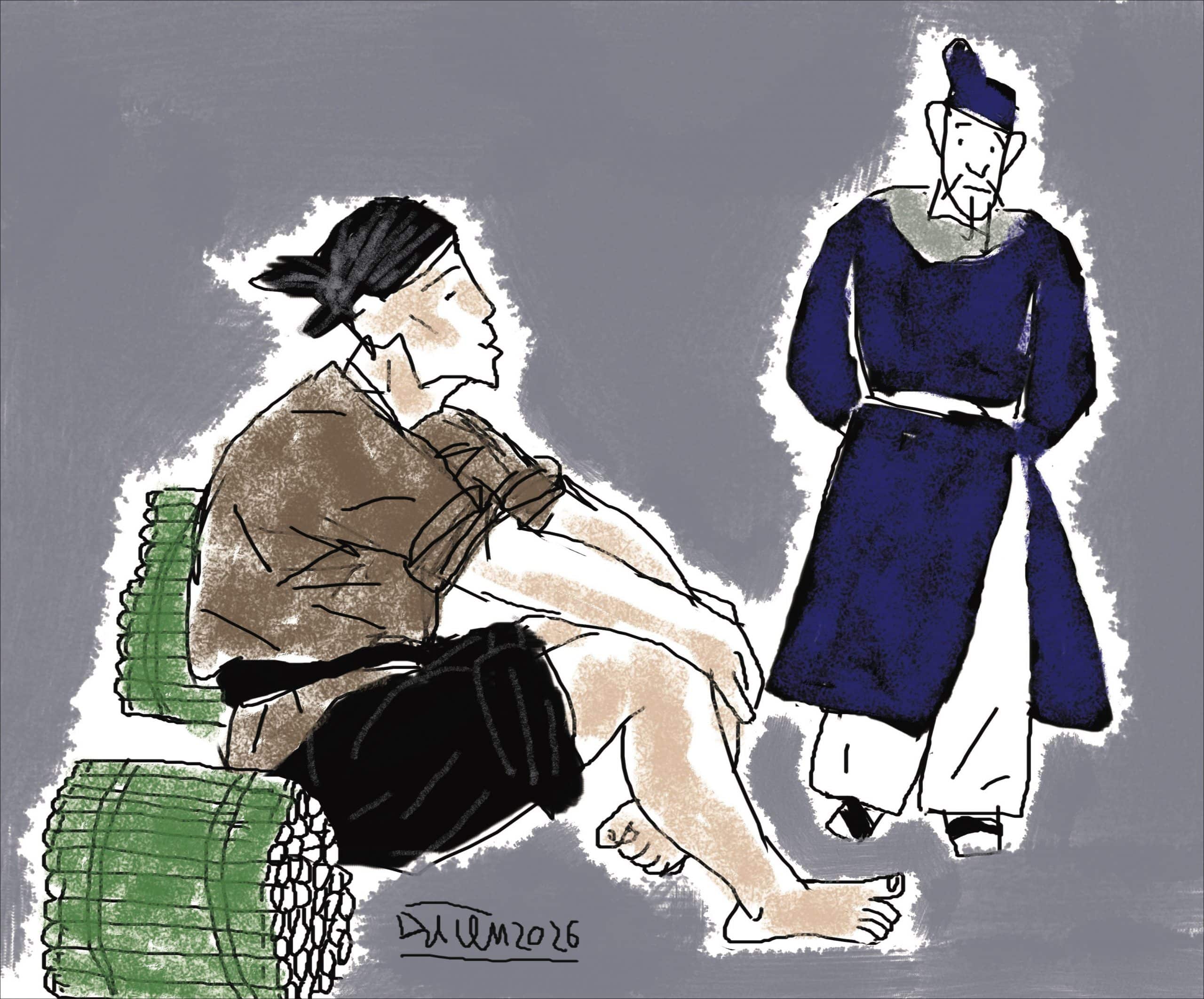
Vietnamese fairy tales do not romanticize summer. Summer brings hunger, thirst, and sweat. Yet it is precisely for those reasons that acts of kindness stand out all the more: a bowl of rice shared for two, a ladle of cool water by the roadside, an unconditional helping hand. This is the summer of The Starfruit Tree, where greed and contentment stand beneath the same sun; the summer of the woodcutter in The Three Axes, where honesty and purity of heart are rewarded when a person chooses to live with truth and kindness.
Summer in these tales reminds us that rewards do not come quickly. They ripen slowly, like fruit that needs enough sunlight. “Goodness is met with goodness” is therefore not a promise, but a way of living.
Fairy tales in summer memories
As adults, we may no longer wait for the Buddha to appear. Yet summer still preserves the spirit of fairy tales. This essence lingers in a room with the doors half-closed at midday, in the slow turning of a fan, in a stretch of silence long enough for memories to return. It lives in old pages read on a veranda, where the heat compels people to pause and listen to themselves.
At such moments, fairy tales are no longer just stories but a way for adults to pass on a simple life philosophy to children: wherever there is the shade of compassion, there is the warmth of human affection.
In the rush of modern life, fairy tales have not disappeared. Even when they are no longer named, they quietly grow with us. They have only changed in appearance, becoming gentler and closer to everyday life.
Greeting summer to greet a way of life
Whenever summer returns, fairy tales come with it, carried in the familiar fragrance of rose apples, areca blossoms, and pomelo flowers. One suddenly realizes that fairy tales have never truly left. They have simply moved patiently alongside a busy life, waiting for the moment when people slow down enough to see that they still need things that are pure and clear. In that sense, believing in fairy tales is not a sign of naivety, but a choice: to embrace a way of life that is slower, kinder, and more caring.
To greet summer is not only to greet the sun. It is also to choose to nurture an enduring belief: when compassion is warm enough, life will naturally bloom.