

Story: Minh Tri
Photos: Quang Ngoc, Vinh Dav, Le Huy, Photo tour Heritage Shutterstock
Vietnam’s tourism industry is shifting its focus from visitor numbers to higher-quality growth and greater revenues.
Vietnam’s tourism sector is regaining momentum, with international arrivals surpassing the levels recorded during the same period in 2019, the pre-pandemic “golden year” for the industry. Although July is considered part of the low season for international tourism, Vietnam welcomed 1.67 million foreign visitors in July 2026, up 6.6% year on year, according to the Statistics Office under the Ministry of Finance. In the first seven months of the year, international arrivals exceeded 13.9 million, up 13.8% from the same period last year.

The figures are encouraging at a time when Thailand, the region’s leading tourism destination, recorded a 3% decline in foreign arrivals. Vietnam has also emerged as an increasingly sought-after destination. According to the digital travel platform Agoda, the country ranked fourth among the most-searched Asian destinations by European travelers for summer 2026. It was also among the regional markets experiencing the fastest growth in travel interest.
Tourism revenue, however, presents a less positive picture. In the first half of this year, Vietnam generated more than USD9 billion from 12.3 million international visitors, equivalent to around USD730 in revenue per arrival. In Thailand, the corresponding figure was approximately USD 1,600, with total tourism revenue reaching USD25.8 billion.
A representative of Saigontourist Travel Service Company said that although international arrivals in Vietnam have risen sharply, many travel companies have yet to capitalize on the opportunity fully. Revenue remains limited because they cannot offer comprehensive service packages. The trend of more cautious spending by foreign visitors is also challenging Vietnam’s tourism industry.
Ms. Cao Thi Ngoc Lan, Standing Vice Chairwoman of the Vietnam Tourism Association, noted that “tourism growth in the new phase can no longer be measured by visitor numbers alone. Greater attention must be paid to the quality of visitors, length of stay, spending levels, likelihood of return, spillover benefits for localities, and the destination’s long-term competitiveness.”
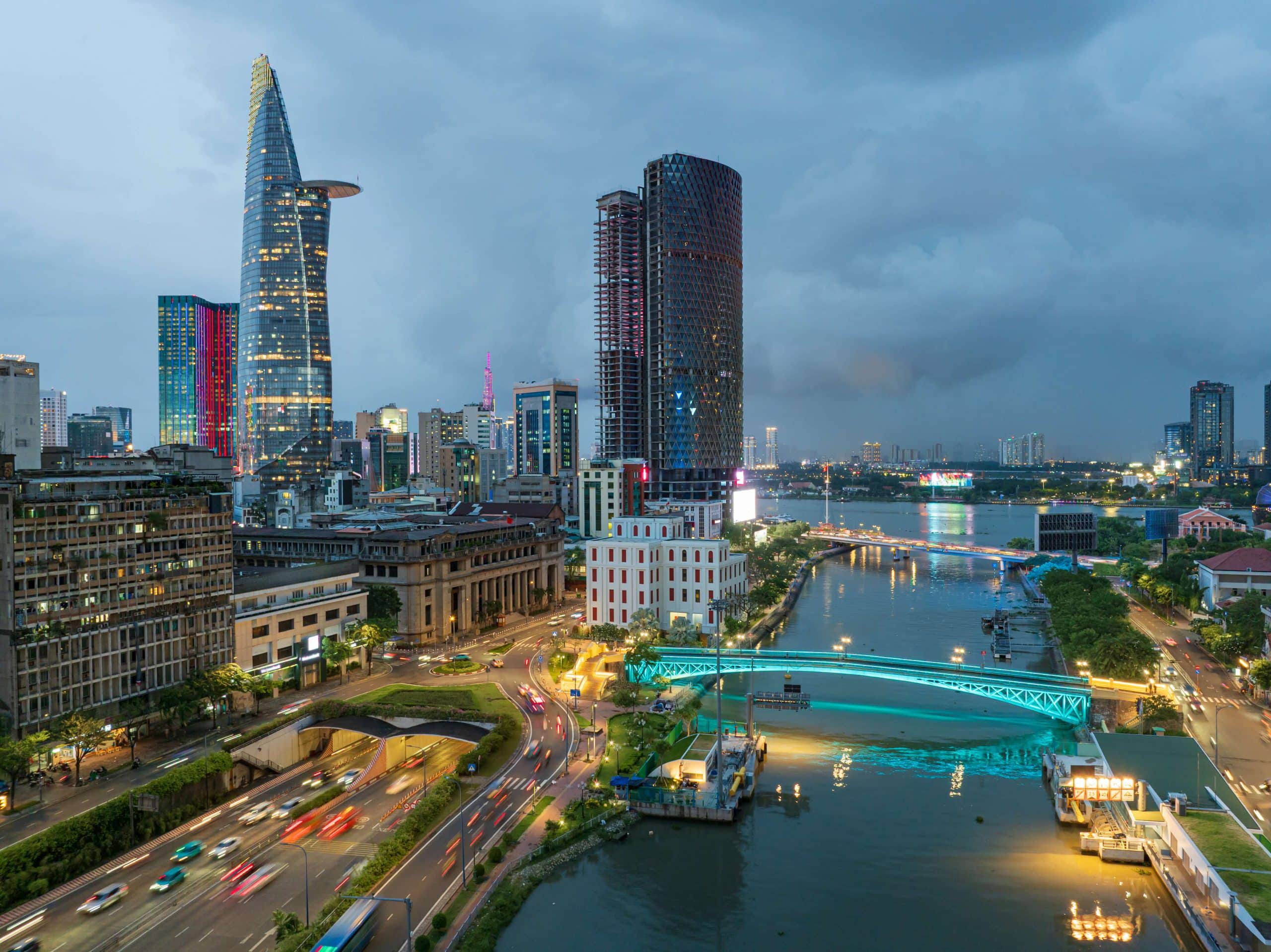
According to Ms. Lan, even attractive tourism resources will struggle to generate sustainable growth unless they are developed into suitable products, supported by effective distribution systems, and more closely integrated with airlines, accommodation providers, attractions, and communication channels.
Quality as the key to sustainable growth
Vietnam aims to welcome 25 million international visitors and generate total tourism revenue of around USD43 billion, including revenue from domestic tourism, in 2026. To strengthen its competitiveness in the international market, the tourism sector will need to undergo comprehensive restructuring, with greater emphasis on quality, efficiency, and sustainability.
Mr. Pham Ha, Chairman of Lux Group, said the competitive advantage of being a “low-cost” destination could gradually diminish amid intensifying global competition.
Instead, destinations that can tell compelling stories, create distinctive experiences, and preserve their values are more likely to achieve sustainable tourism growth. To attract higher-end travelers, Vietnam also needs to reposition itself from a destination that is merely “good value for money” to one that delivers genuine value, while shifting from mass tourism toward a more selective approach.

The Saigontourist representative suggested adopting a more focused approach to international markets and developing product chains tailored to different visitor segments rather than spreading investment too broadly. High-end tourism should be prioritized, as these travelers tend to stay longer, spend more, and generate higher revenue. In addition, developing duty-free luxury shopping ecosystems and round-the-clock entertainment hubs could help encourage visitors to spend more and extend their stays in Vietnam.
Ms. Lan said the new environment requires the tourism industry to rethink its approach, moving from recovery to growth with a stronger focus on quality. Tourism promotion, she added, should shift away from fragmented activities toward campaigns built around clearly defined target markets, specific products, distribution partners, measurable data, and the ability to convert interest into actual bookings, tours, and revenue.
Over the longer term, Vietnam’s international visitor mix needs to become more balanced between traditional source markets and more distant, higher-spending markets. Only by diversifying its market base and improving product quality can Vietnam sustain tourism growth and reduce its exposure to volatility in the global travel market.
Rather than continuing to compete purely on international visitor numbers, Thailand is shifting its focus toward higher-quality tourism, expanding opportunities for local destinations through new attractions and more personalized experiences while working across sectors to pursue greater sustainability. Under this new direction, Thailand aims to welcome 33 million international visitors this year and generate around USD47.5 billion in tourism revenue. Singapore began shifting its focus from volume to quality as early as 2013 and later incorporated this approach into its Tourism 2040 vision. The city-state is targeting annual tourism receipts of around SGD47 – 50 billion. Destinations, accommodation providers, and service businesses are prepared to invest heavily in improving quality to attract higher-spending visitors who stay longer. Singapore has also taken the lead in developing a smart MICE tourism ecosystem, integrating technology to enhance the visitor experience. Thailand is shifting toward quality tourism and emerging destinations[/caption]