Story: Ngan Ha – Khanh Chi
Photos: Quang Ngoc, Le Hoang Vu, H.Minh, D.G, Amachau
As sustainable tourism gains importance, primary forests, protected islands, and indigenous cultural spaces are becoming tourism hotspots.
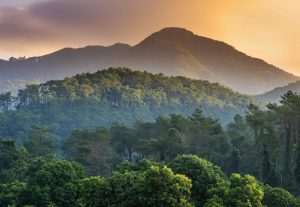
In Dong Giang, morning clouds spill down the mountains and hang so low they seem close enough to touch, while thick mist blankets the vast forests below. Beneath the clouds stretch swathes of old-growth forest, where the crashing of waterfalls echoes across the mountains.
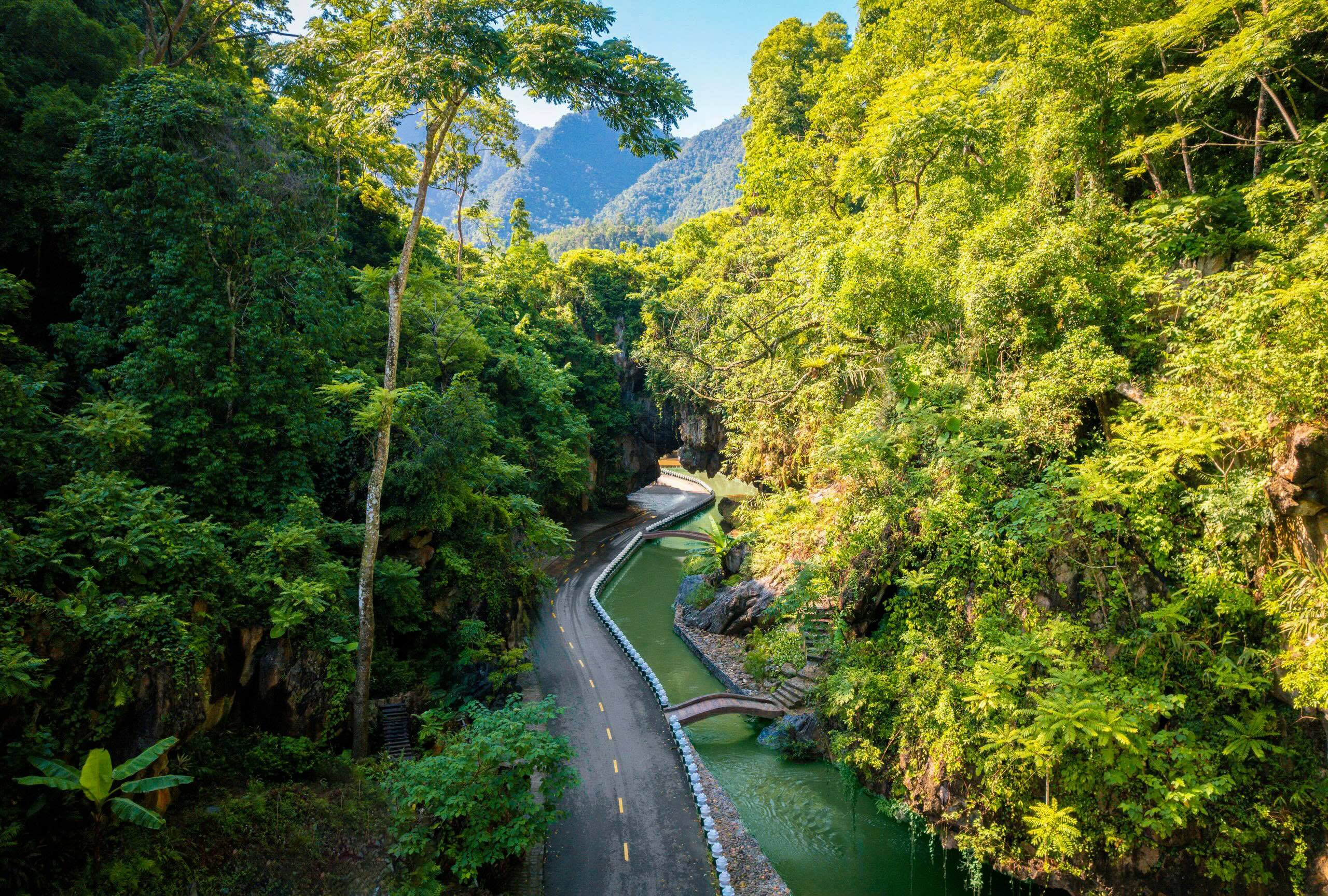
A decade ago, however, this beautiful region barely appeared on the tourism map. Before 2018, tourism consisted mainly of small community-based initiatives that attracted no more than 1,000 visitors a year. Roads were difficult to navigate, and there were few tourism offerings that encouraged longer stays. Although the forests had always been there, they brought little economic benefit or stable employment to the local community.
The opening of Dong Giang Heaven Gate Ecotourism Area marked a turning point in that story. When construction began in 2018 with an investment of nearly VND800 billion, many questioned whether a large-scale tourism project deep in the mountainous west of Danang could succeed. The rugged terrain drove up construction costs, while transport infrastructure remained limited.
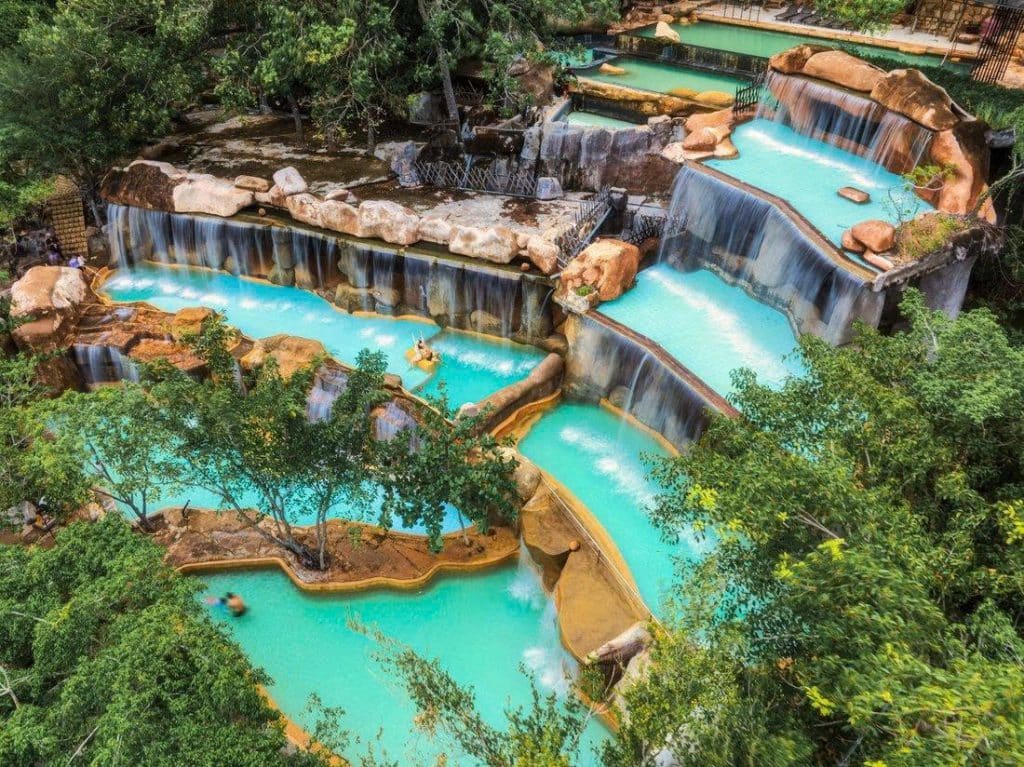
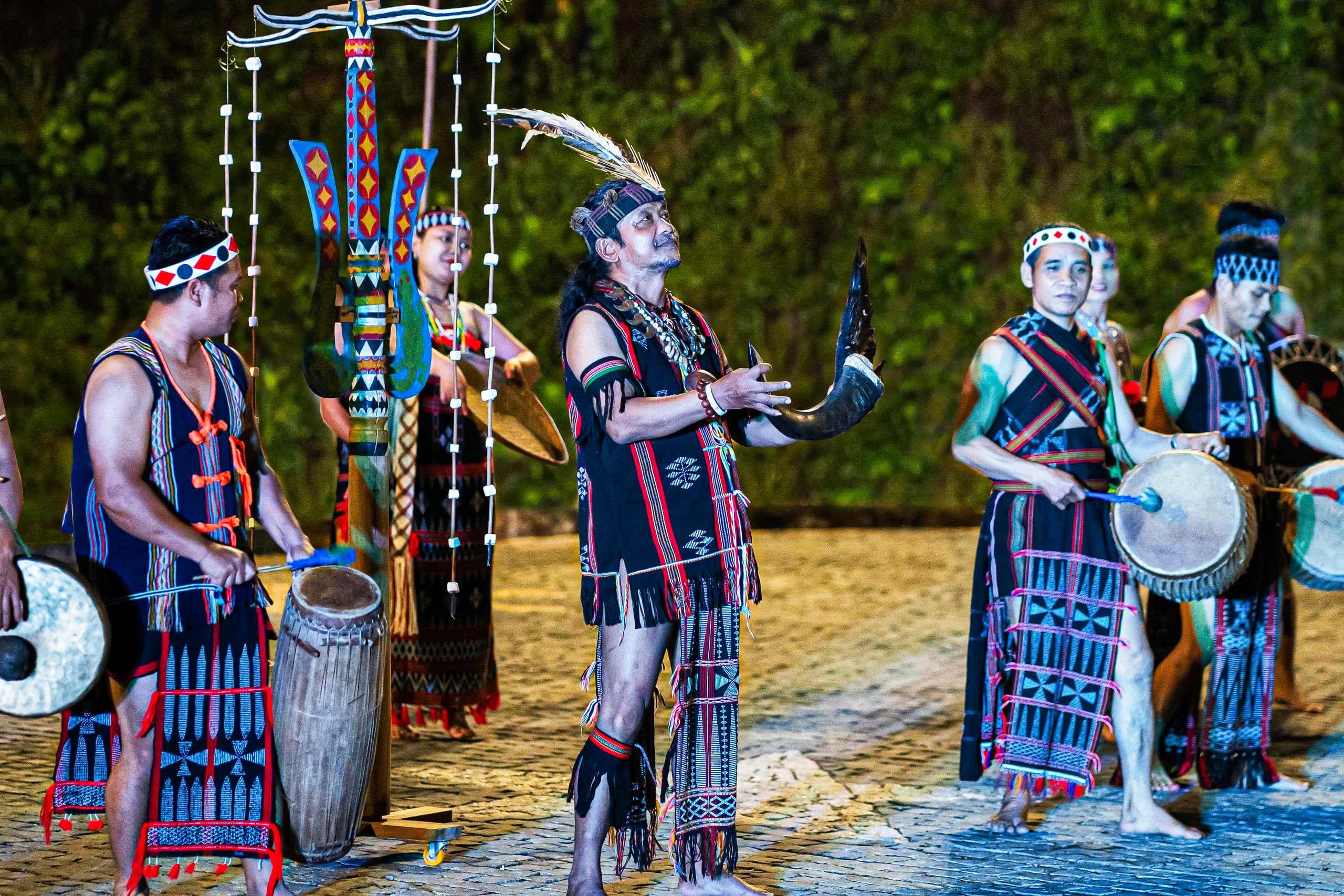
Dong Giang Heaven Gate transformed forest resources and indigenous culture into valuable tourism assets. Natural waterfalls, old-growth forests, and the daily life of the Co Tu people became the foundation for distinctive travel experiences. By day, visitors can join local residents in weaving, brocade-making, or preparing traditional cakes. By night, they gather to watch the “Dance of the Great Forest” performed to the sound of Co Tu gongs. Officially opened in 2022, Dong Giang welcomed more than 42,000 visitors in its first year alone.
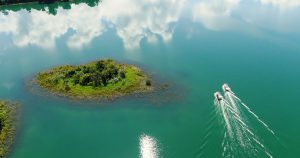
Cu Lao Cham, near Danang, is one of the few destinations in Vietnam that has preserved the atmosphere of a pristine tropical island. Its greatest value lies not in man-made structures or large-scale entertainment services, but in its largely intact natural ecosystem. Visitors return to Cu Lao Cham not for luxury resorts, but for the feeling of living amid unspoiled nature. Forests blanket the mountain slopes, coral reefs encircle the island, and the sea is clear enough to reveal the seabed below. Combined with the slow pace of fishing-village life, these elements give the island a distinctive charm at a time when many coastal destinations are becoming increasingly alike.
According to Mr. Le Vinh Thuan, Deputy Director of the Cu Lao Cham Nature Reserve Management Board, the island has long followed the principle that conservation must come before development. “Tourism can generate revenue, but if it harms natural resources, then tourism ultimately destroys the very foundation on which it depends,” he said.
Growth without tradeoffs?
Since 2005, when the Government approved the planning of the Cu Lao Cham Nature Reserve, the island has had clearly designated strict protection zones, ecological restoration zones, and administrative-service zones. Natural forests and coral ecosystems have remained largely untouched. Thanks to this approach, many scenic areas around the island have remained nearly pristine, becoming a rare and valuable tourism resource.
For that reason, many large-scale tourism projects have been adjusted or have been unable to proceed as originally planned. When the 25-hectare Cu Lao Cham marine ecotourism project at Bai Huong was revived in 2016-2017, conservation experts and local residents raised concerns about its potential impact on the ecosystem of the Cu Lao Cham – Hoi An World Biosphere Reserve. In the end, local authorities chose to continue developing small-scale community-based ecotourism rather than pursue large-scale expansion.
According to forestry statistics, Vietnam currently has nearly 14.8 million hectares of forest, accounting for more than 42% of the country’s land area. Nationwide, there are 34 national parks and around 178 nature reserves. Together, they form a vast natural resource base for tourism development, particularly ecotourism.
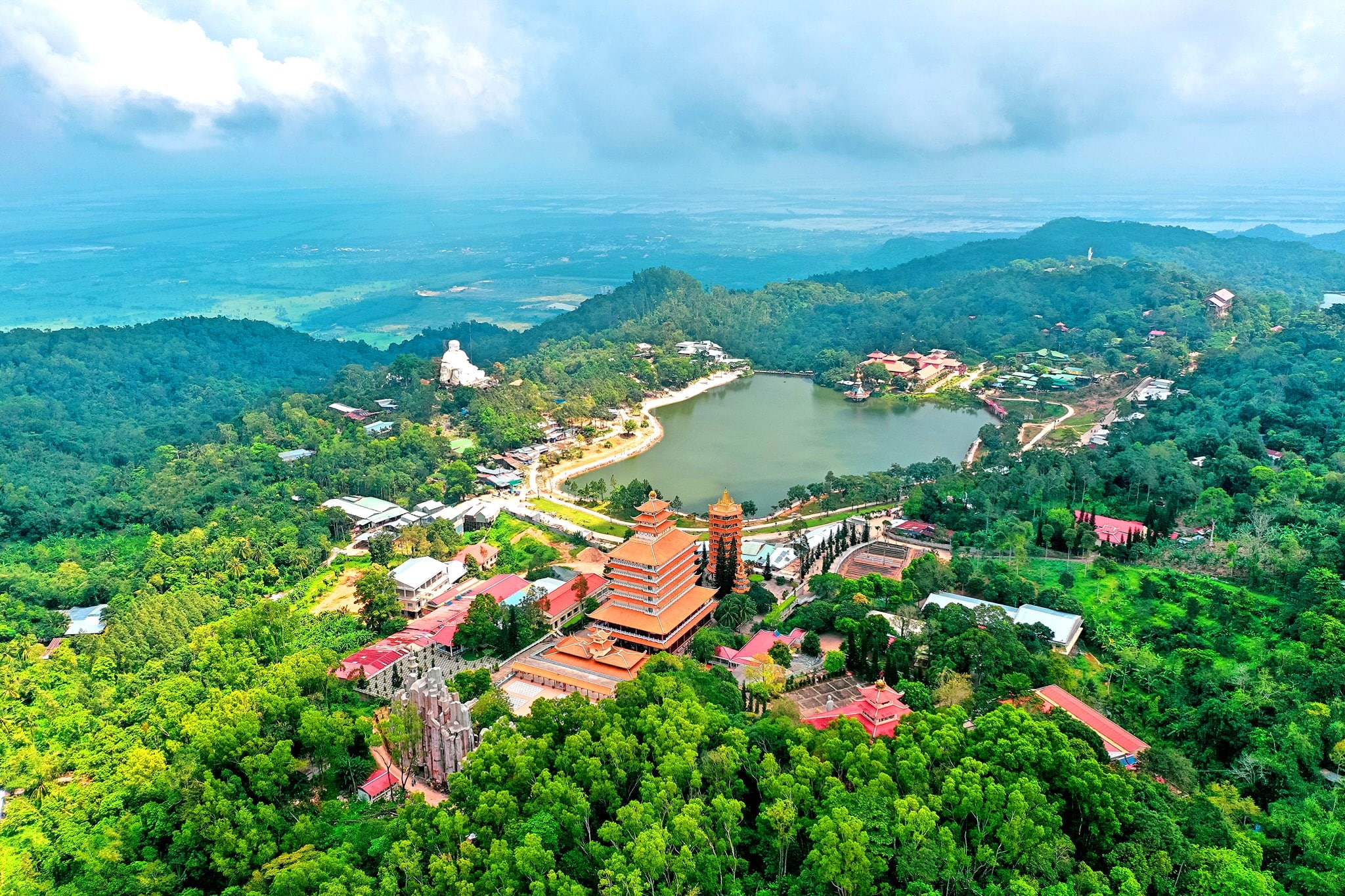
Definitions of ecotourism by the UN Tourism and many countries generally center on core principles such as conservation, sustainable development, education, and nature-based experiences. Ecotourism is also a vast market, estimated at around USD275 billion in 2024, with a projected compound annual growth rate of 12.1% from 2024 to 2033.
Yet behind the wave of investment in ecotourism lies a fundamental question: how can development move forward without destroying the very qualities that make a destination attractive? Many projects labeled “green tourism” or “ecotourism” still cut roads deep into forests, increase construction density, or replace natural spaces with concrete. Once original landscapes give way to lookalike developments, destinations lose the distinctiveness that once set them apart.
In Dong Giang, the development of large-scale tourism facilities deep within the forest has raised concerns about infrastructure, wastewater treatment, and the area’s ecological carrying capacity. Meanwhile, in destinations such as Cu Lao Cham, the rapid rise in visitor numbers during peak season is placing increasing pressure on waste management, water resources, and the coral ecosystems surrounding the island.
For that reason, many experts believe the greatest challenge facing forest ecotourism in the years ahead is not how many more resorts can be built, but whether forests, ecosystems, and the sense of authenticity that travelers rarely find in mass-market destinations can truly be preserved.