
Story: Ta La Ca
Photos: Hong Hanh, Mai Luong Giap, Thanh Tho Dia
A Pa Chai offers travelers a glimpse into the landscapes and cultures of Vietnam’s remote northwestern frontier.
Some journeys begin with a longing to reach distant regions and stand amid the majestic landscapes of one’s homeland.
On the road to A Pa Chai – Vietnam’s westernmost frontier in Sin Thau Commune, Dien Bien Province – the mountains seem to draw closer together. Villages tucked beneath the slopes gradually vanish beyond winding bends, giving way to successive ridgelines rising through a sea of clouds.
A Pa Chai is often described with the saying, “One rooster crows, and three countries can hear it,” since it sits where Vietnam borders Laos and China. Only by stepping beneath the forest canopy and following the earth-scented mountain trails can travelers fully appreciate the quiet grandeur of this frontier region.
The White Thai village of Na Su is a peaceful stop on the journey to A Pa Chai. Set beside a winding stream, life moves gently to the steady rhythm of waterwheels in this community-based tourism village. A simple village meal in a stilt house, a warm cup of mountain tea, and conversations with residents provide welcome comfort before the journey continues through the forests of Sin Thau.
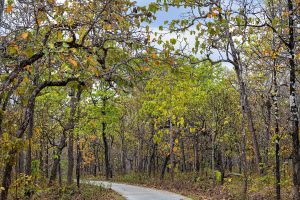
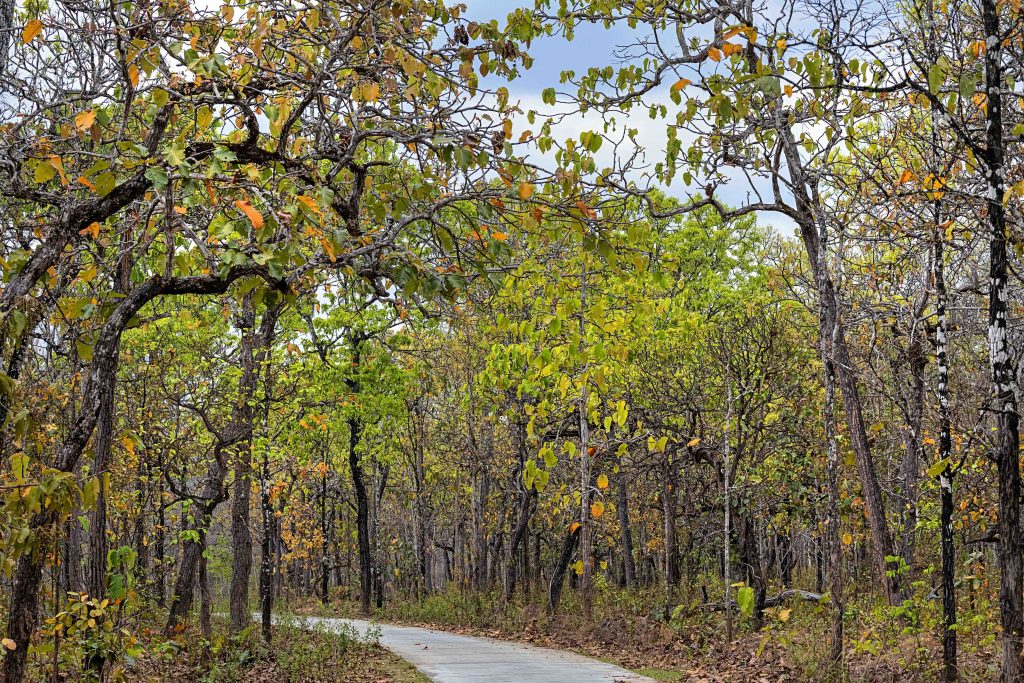
The trail climbs from one steep slope to the next. Autumn sunlight filters through layers of leaves onto paths damp with mist. Each footstep across moss-covered ground, and every rustle of wind and distant birdcall becomes part of the journey. Beyond each stretch of forest, the sky suddenly opens wide, revealing mountain ranges rising one behind another through the clouds.
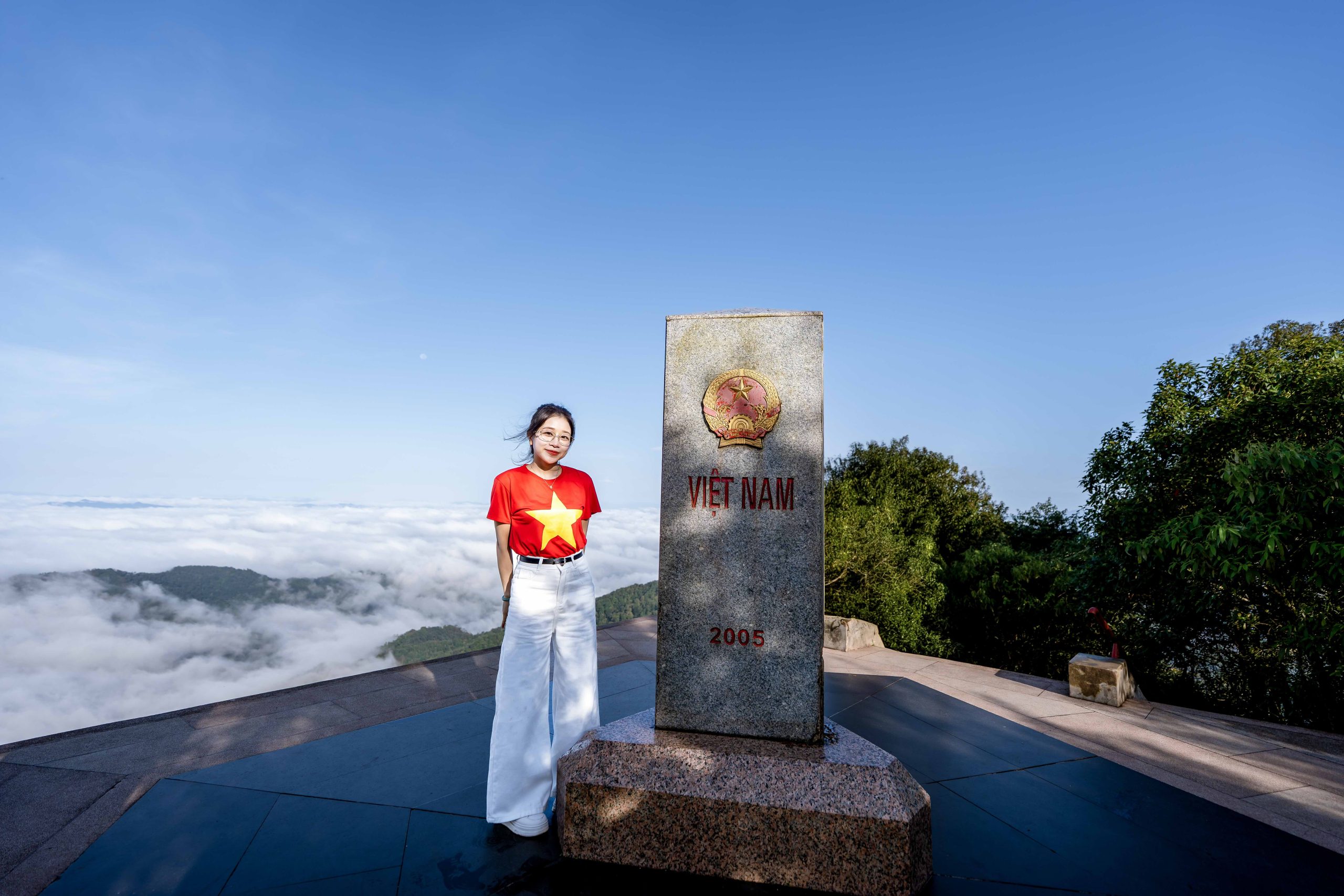
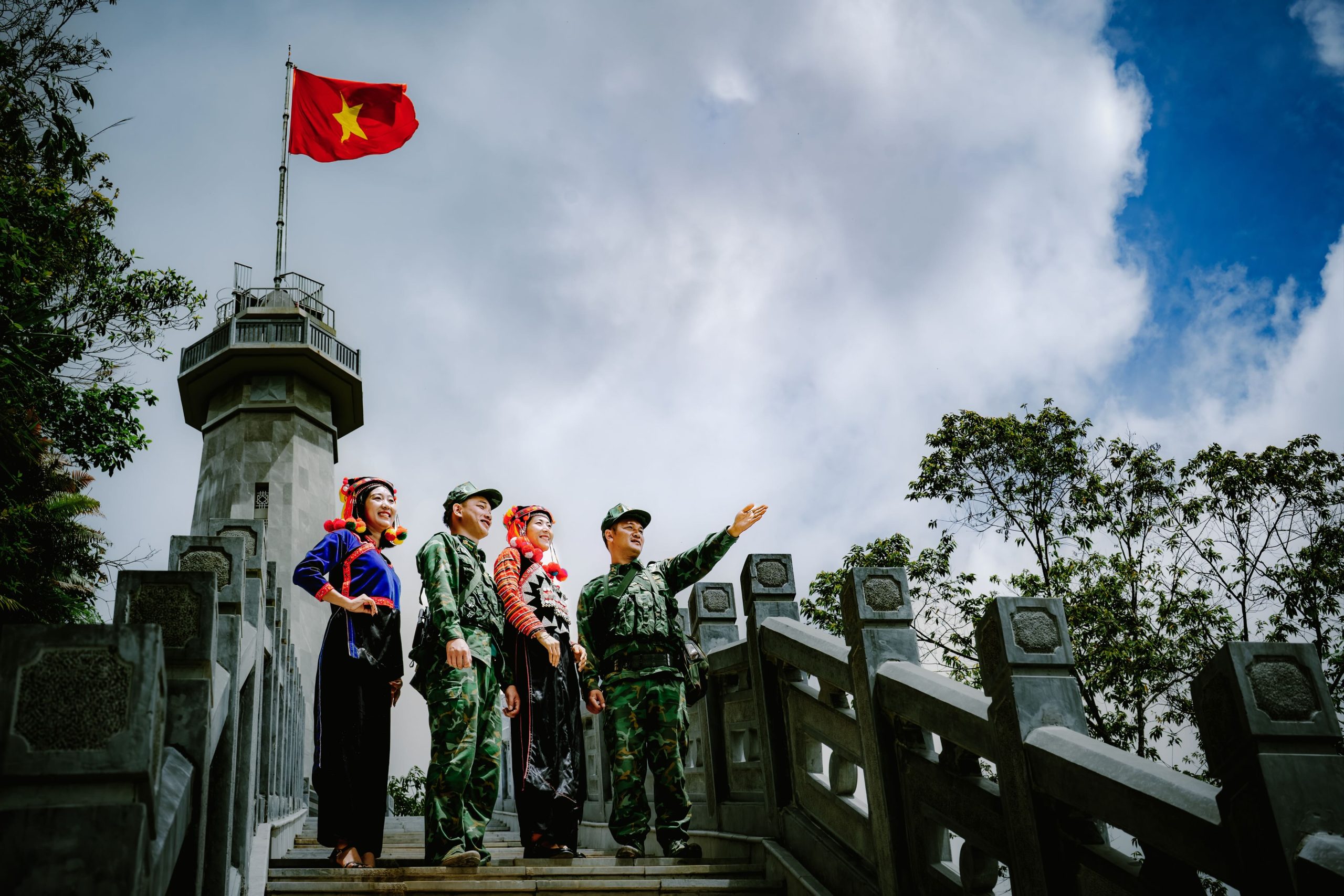
At an elevation of 1,459m, the A Pa Chai flag tower rises proudly above the landscape. The national flag flying overhead recalls May 7, 1954, the day of the Dien Bien Phu Victory. It is a meaningful stop before travelers continue toward the border junction at an altitude of 1,866m. After climbing 570 stone steps, Border Marker No. 0 appears, carved from granite with three faces oriented toward the three countries. Placing a hand on the stone engraved with the words “Viet Nam” is an emotional moment, bringing warmth amid the mountain chill and stirring a deep sense of national pride.
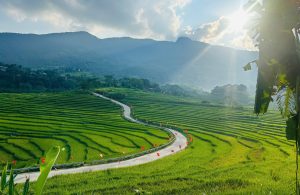
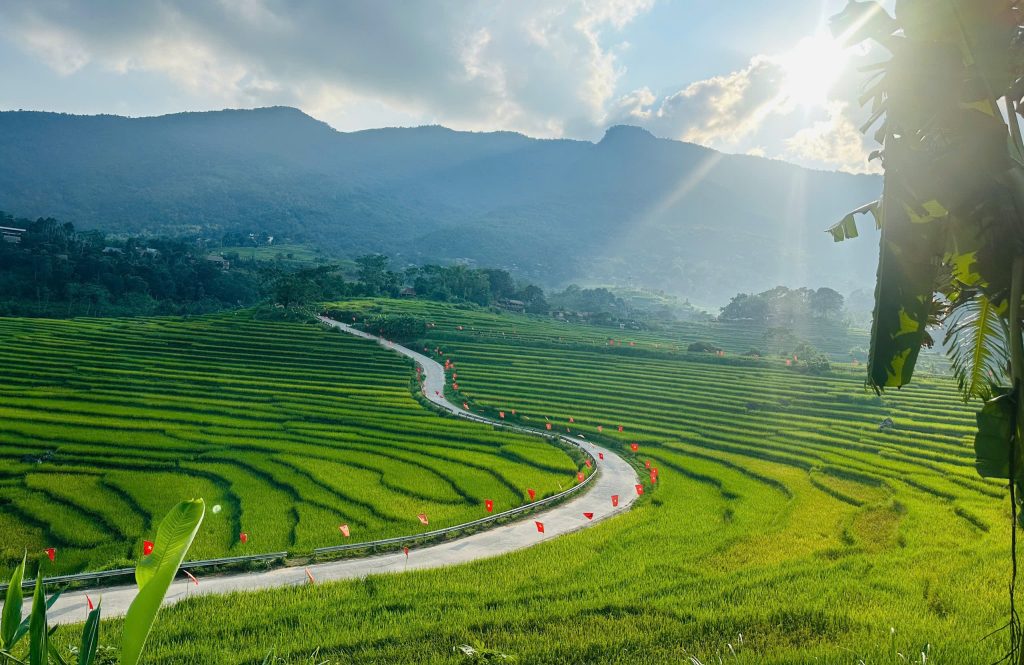
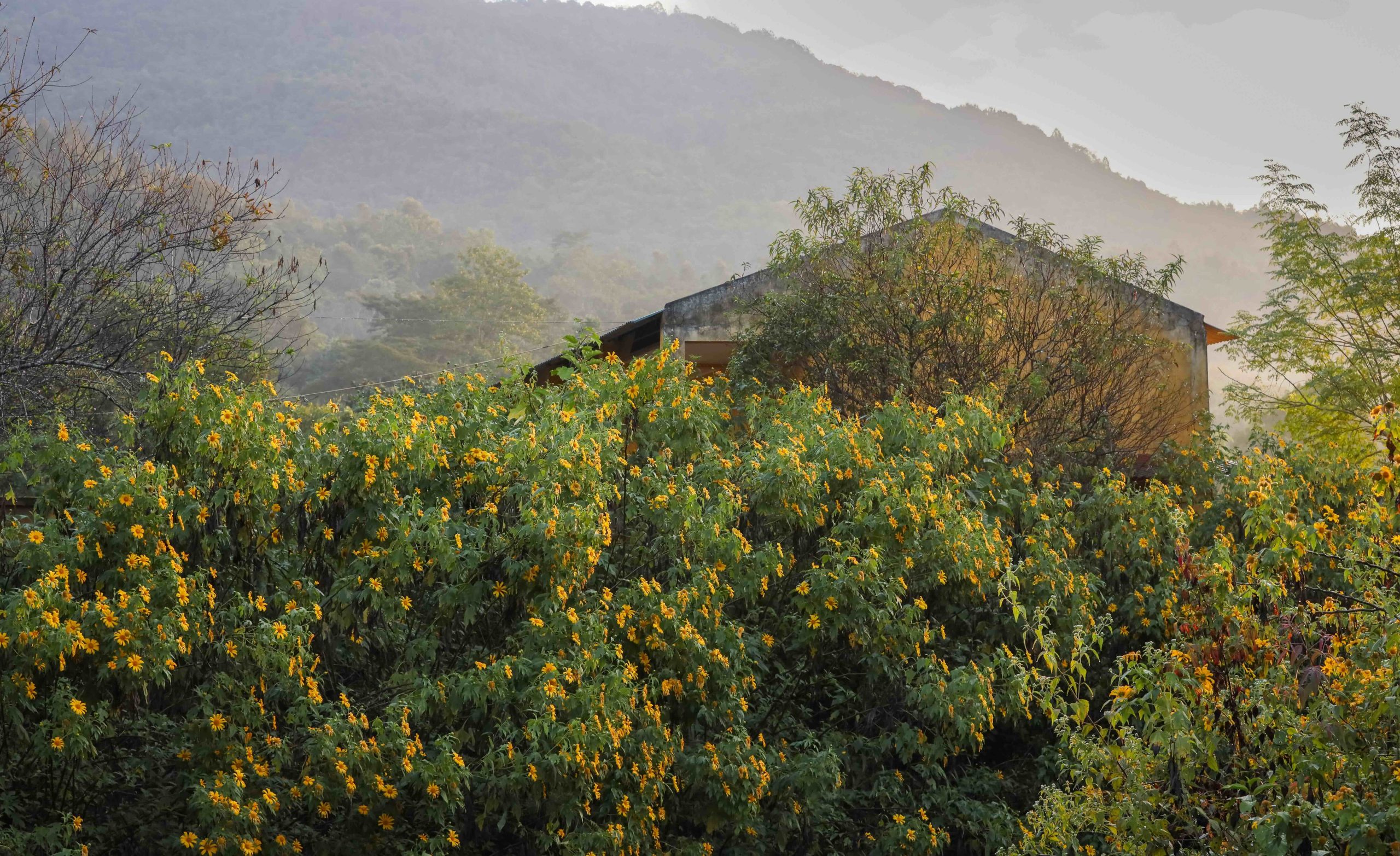
As autumn moves gently toward the final months of the year, the route to A Pa Chai enters one of its most beautiful seasons. Across the clear mountain landscape, terraced fields glow with ripening rice, while hillsides brighten with golden wild sunflowers.
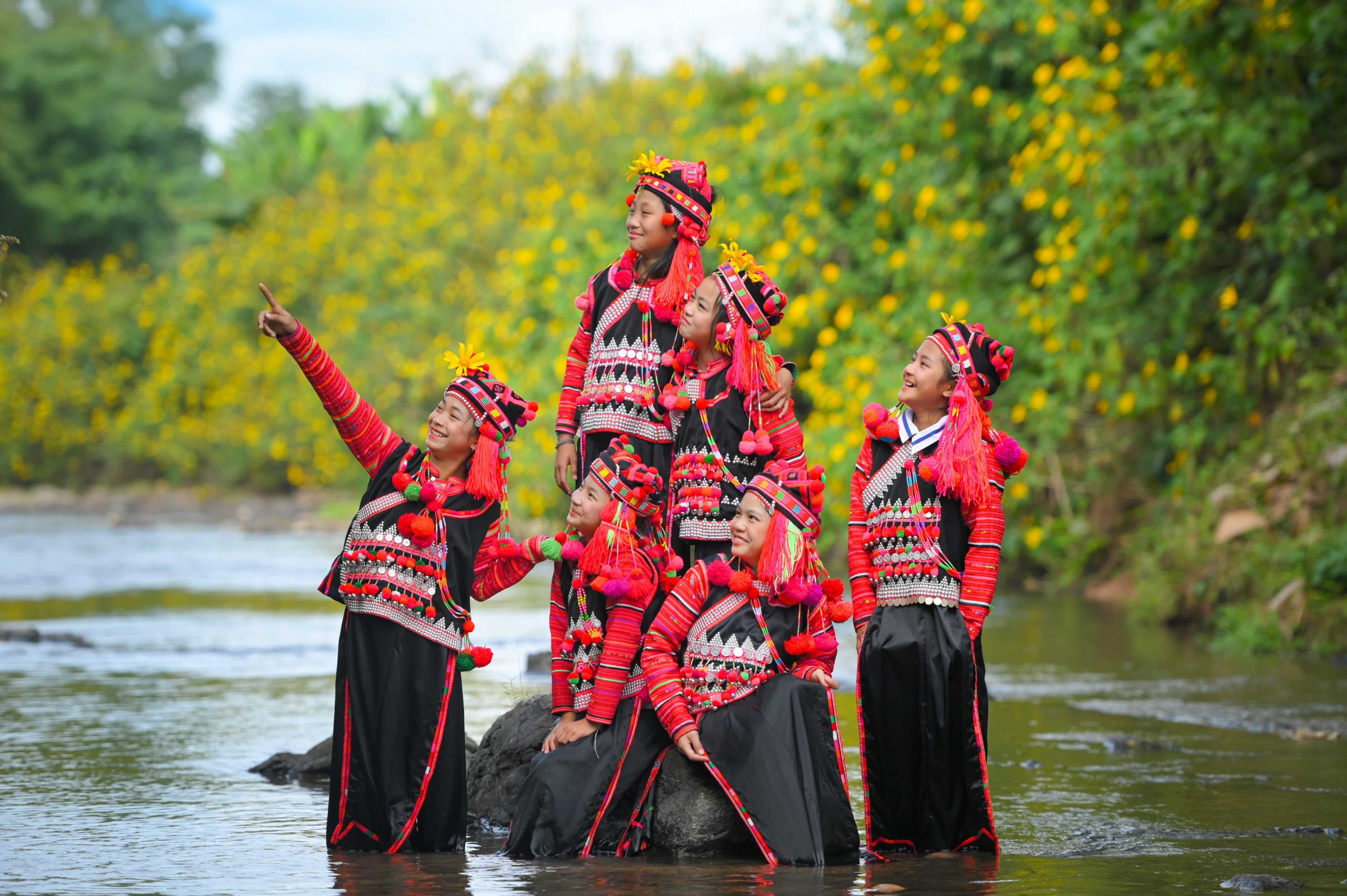
Visitors arriving in Sin Thau in the 11th lunar month may have the chance to join Khu Su Cha, the Ha Nhi people’s most important traditional New Year celebration. As one of the long-established communities in the border region, the Ha Nhi have protected their land and forests for generations.
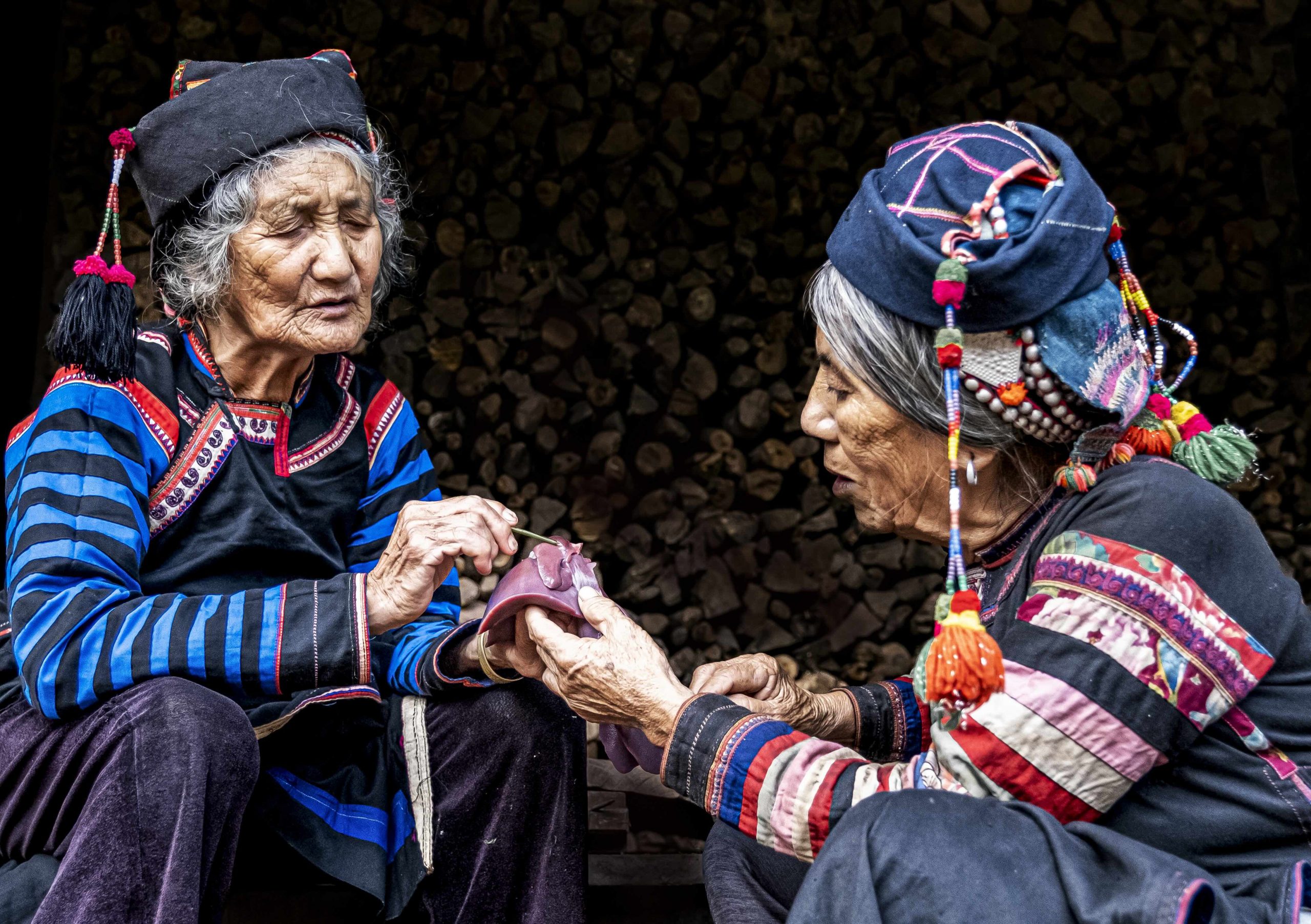
That enduring spirit is subtly reflected in their traditional attire, created with great skill and patience. Shades of red, blue, and yellow evoke fire, mountains, forests, and harvests in their living environment. Bold colors, intricate patterns, layered fabrics, decorative strips, and beads make their outfits distinctive. Every stitch carries affection and wishes for peace, prosperity, and love, woven into garments women make by hand for themselves and their families.
From the earthen-walled houses, woodsmoke drifts through the air as the rhythmic pounding of pestles making ga ba cakes blends with the bustle of grinding flour for cha le dumplings. After ancestral rituals, everyone gathers around the glowing hearth, raises cups of fragrant rice wine, and exchanges wishes for a peaceful and prosperous new year.
A Pa Chai is more than a destination on a tourism map. It is a journey through living cultures, where travelers can experience the spirit of the frontier and a deep connection to the homeland.