Story: Nam Hoa
Photos: Bao Chau
In Yok Don National Park, the dry season transforms the forest with brilliant autumn colors and sun-dappled clearings.
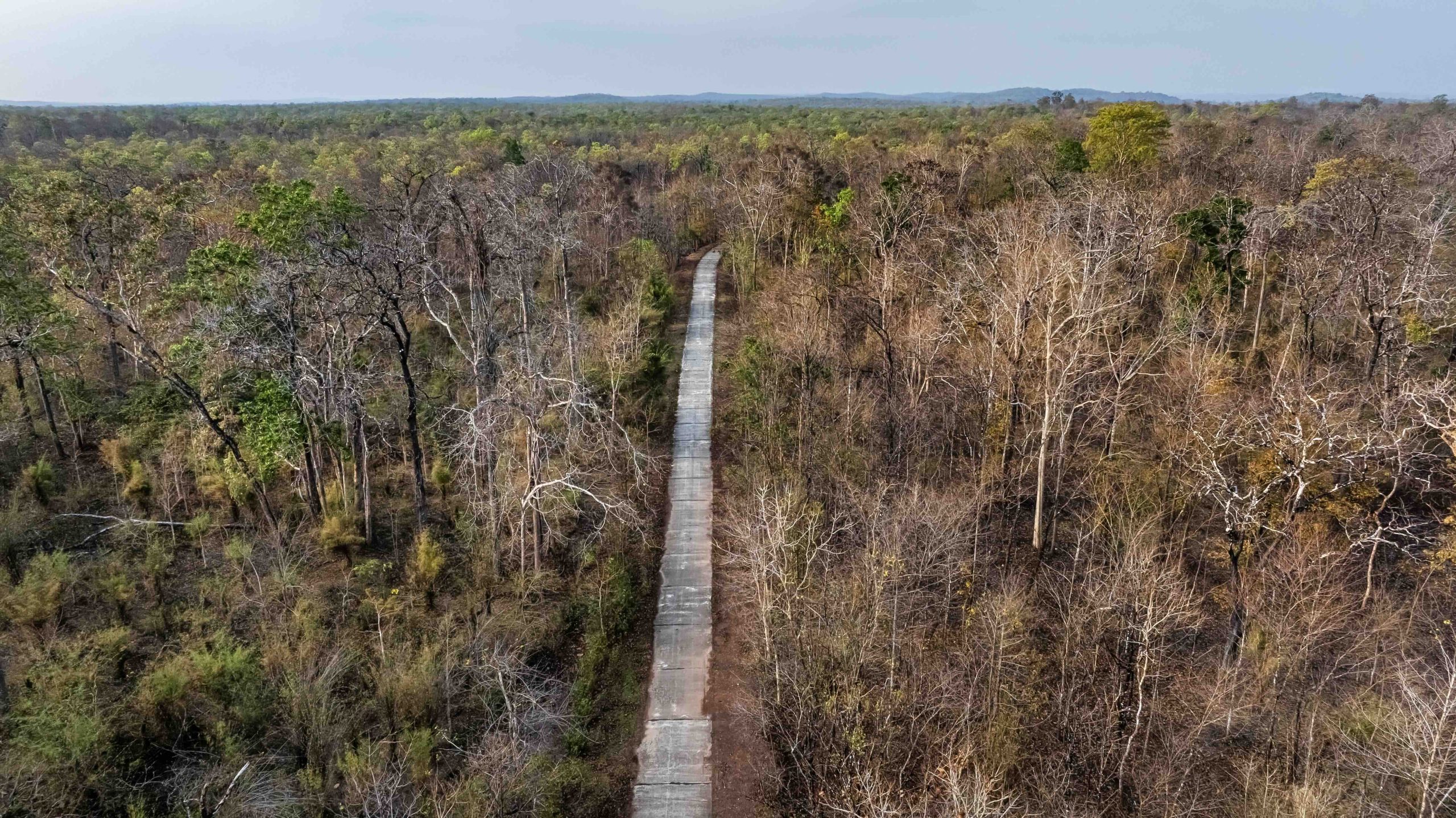
As the rainy season draws to a close, the deciduous dipterocarp forest of Yok Don remains green. Yet touches of yellow are beginning to appear across the canopy, signaling the approach of the leaf-shedding season. Before long, these yellow leaves will turn warm brown and fiery red, then drift to the ground, revealing a very different Yok Don: open, airy, and expansive. Along the winding woodland trails, wildlife remains evident at every turn.
Life in the dappled sunlight
We arrived at Yok Don National Park during this transitional season. As we ventured deeper into the forest, we were struck by its remarkable openness. In some stretches, the trees thin out to reveal wide patches of grass; in others, the path winds through low bamboo thickets before opening up beneath sparse canopies. Sunlight filters through the leaves, casting patches of light on the ground that shift with every gust of the Central Highlands breeze.
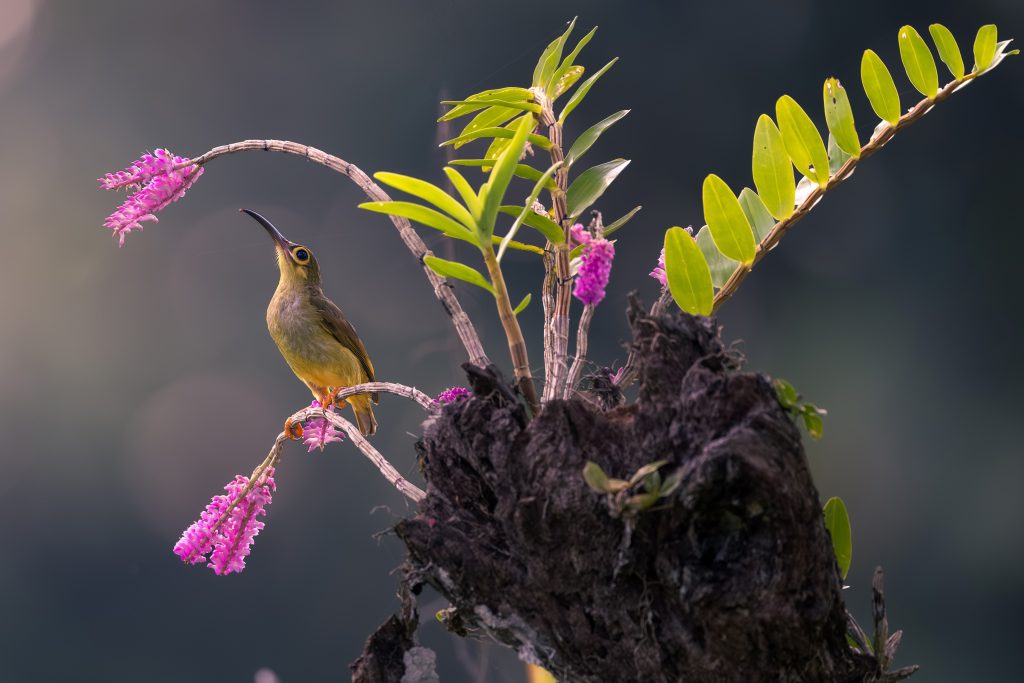
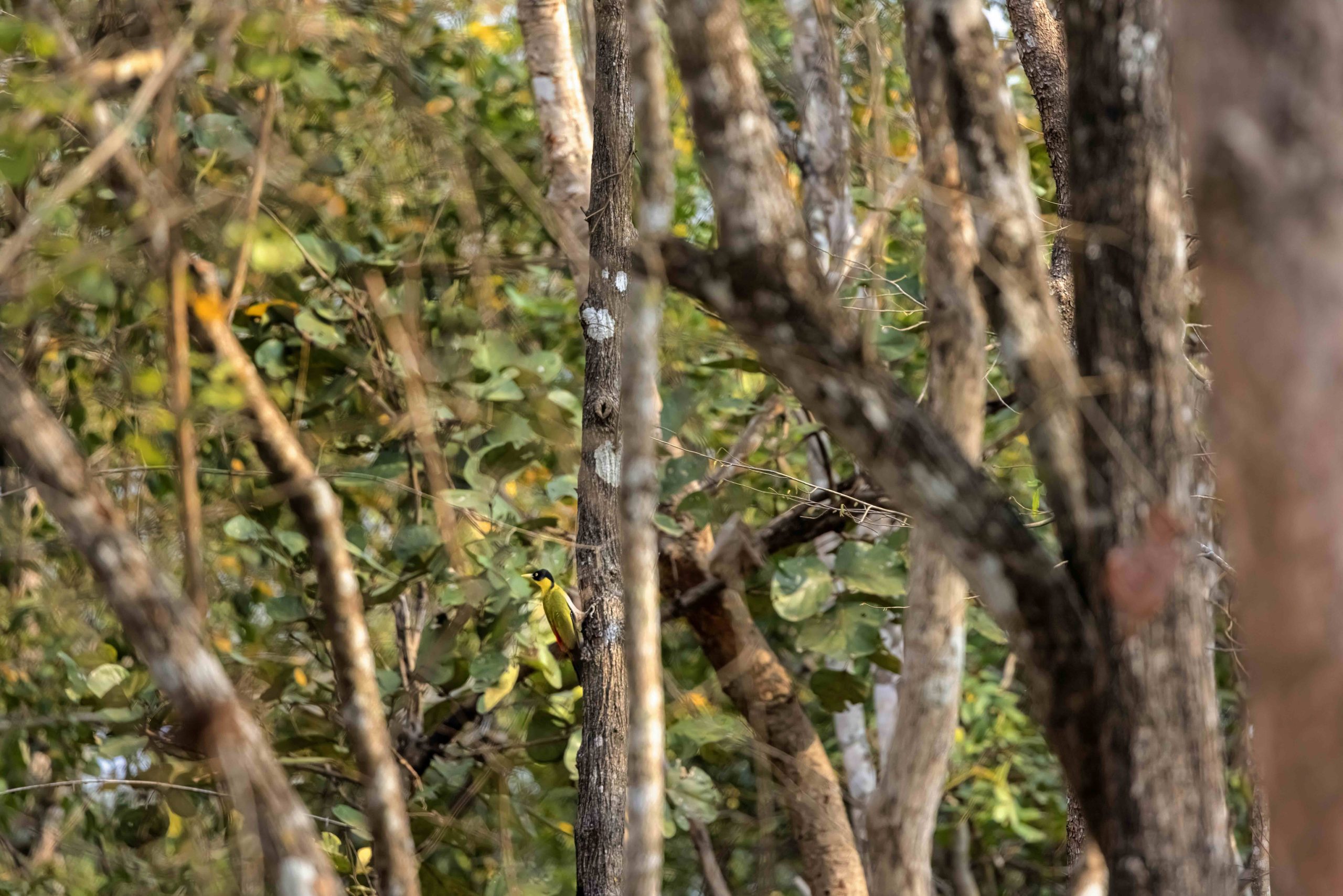
While other forests can be dense and tightly packed, the open space between the tree trunks at Yok Don is an integral feature of the landscape. Birds began singing ahead, and we slowed to listen. Our guide explained that Yok Don is home to more than 370 bird species, including striking varieties such as bee-eaters, sunbirds, and woodpeckers. We occasionally spotted birds resting on branches, while larger wildlife roams the open grassy clearings below the tree canopy.
On this outing, I began to understand and appreciate the dipterocarp forest. This type of broadleaf deciduous forest dominates Yok Don National Park, which contains the largest ecosystem of its kind in Vietnam. Its defining characteristic is widely spaced trees whose canopies do not form an interlocking ceiling, creating the breezy, open environment we had just walked through. This habitat is also home to Asian elephants and gaurs, two iconic large mammal species found in Yok Don.
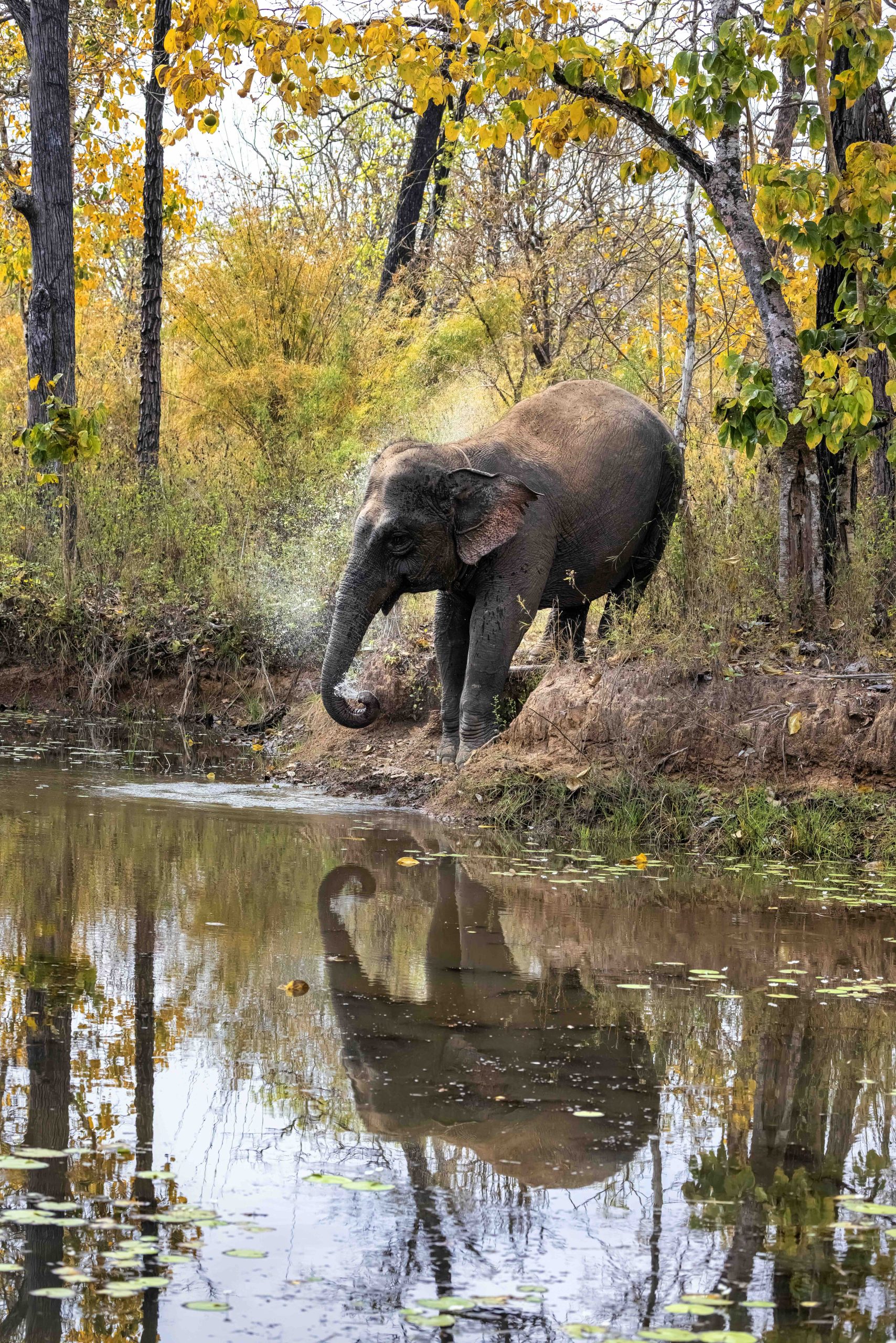
Spotting large mammals in the wild is never easy, but you can see their presence through fresh footprints in the soil, broken branches, and recent foraging marks. Our guide pointed out these clues along our path. During our visit, we also joined an elephant-watching tour, which let us view the elephants from a respectful distance. An elephant moved at an unhurried pace among the slender trunks, pausing beside a small waterhole to dip its trunk into the cool water and spray it across its back. Standing in that vast open space while quietly observing this animal’s natural movements was unforgettable.
While the forest might seem tranquil at first glance, signs of life are everywhere, from birdcalls high above to animal tracks on the forest floor. The vitality of the forest makes Yok Don more than a scenic landscape; it is an active natural world moving to its own rhythm. Beneath those leaves, another transformation is already underway.
Changing colors
At Yok Don, the dry season doesn’t arrive overnight in a single, sweeping change. Within the same stand of trees, one can remain lush and green while its neighbor has already begun to change color. Some species turn brilliant red before shedding their leaves. Common native trees such as dau tra beng, ca chac, and cam lien each contribute distinct tones to the process. Set against the wide-open sky, these vibrant patches create an ever-changing seasonal canvas.
Autumn colors steadily spread through the forest, sweeping from the yellowing and reddening crowns down to remaining pockets of green. Eventually, the leaves fall, and Yok Don settles into the stark, sun-drenched appearance of the dry season.
This transformation takes time. It begins as late-season rains grow scarce and the foliage first starts to turn, continuing until the woodland thins out, silhouetting bare branches against the deep blue sky of the Tay Nguyen’s dry season. Because the dipterocarp forest is defined by seasonal leaf loss, the gold and crimson hues that precede the fall are more than picturesque; they mark an essential chapter in the trees’ natural growth cycle.
I imagined Yok Don in the height of the dry season: bright light flooding between bare trunks, birdsong still echoing through the woodland, and fresh tracks of the forest’s gentle giants pressed into the dry earth. The scenery may change, but life continues, moving to the forest’s quiet, steady beat.