Story: Anh Tu
Photos: Yeah 1, Dao Canh, Quang Ngoc
The Dong Van Karst Plateau Global Geopark in Tuyen Quang Province – home to tourism villages such as Lao Xa, Lung Cam, Nam Dam, and Lo Lo Chai – now generates an annual revenue of USD32 million, far surpassing many other conservation or heritage sites.
Vang Thi Thong, a Tay woman from Ban Lien in Lao Cai, rose to sudden fame after appearing on the reality show Gia dinh Ha Ha (Ha Ha Family). Her family’s model of combining farming with tourism services sparked wide curiosity. Six years after learning how to run a tourism business, her Ban Lien Pine homestay was fully booked from July to September, even on weekdays. Rural tourism has transformed Mrs. Thong’s life and, in part, the once little-known village of Ban Lien.
Although rural tourism in Vietnam is still in its early stages, experts such as Dieter Buncher, co-founder of Vietnam Detox, note that “finding farm-style accommodation that also meets international standards of comfort” remains a challenge. Yet this segment shows strong potential among both domestic and foreign travelers at a time when the search for emotional balance and authentic rural living has become a global trend in tourism.
Tourism can change lives
Nature and indigenous culture form the foundation of rural tourism; however, not everyone in local communities is interested in tourism work. Without people like Mrs. Thong, visitors would never come to Ban Lien. Since many rural and highland residents have no concept of tourism, it is hard for them to even consider changing their traditional way of life. Before hosting visitors, Mrs. Thong’s days were spent tending her rice fields and livestock. Life was hard, and although her schooling was limited, she always hoped to escape poverty so her children could study.
In 2019, the Centre for Rural Economic Development (CRED) encouraged residents of Ban Lien to explore tourism businesses and offered free training. Out of 400 households, only a handful joined the program, discouraged by poverty and the pull of familiar routines. Mrs. Thong thought differently. She was willing to relocate her livestock shed and borrow money to renovate her home during the COVID-19 pandemic. At night, while other villagers rested, she and her husband worked under electric lights, determined to improve their house even if no guests ever came.
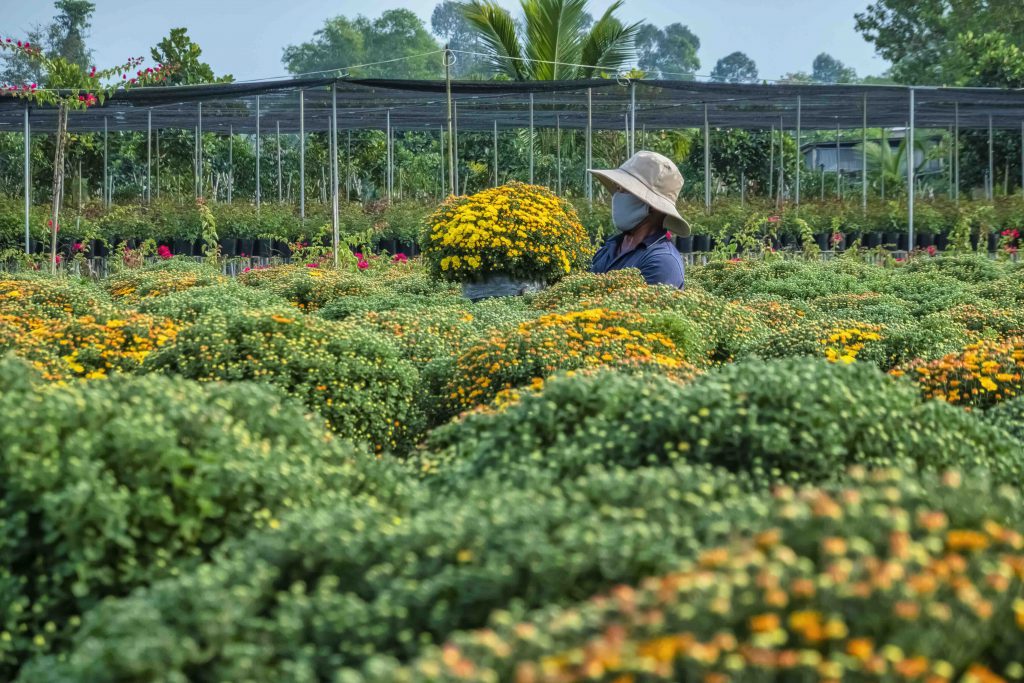
After the pandemic, the first visitors arrived. Soon after, the Gia dinh Ha Ha crew introduced joyful scenes from Ban Lien to millions of viewers. Mrs. Thong’s homestay stayed fully booked, and the waiting list for the cultural tours she leads continued to grow. Six years into her tourism venture, her family is experiencing its busiest – yet happiest – days.
In Ha Giang (now Tuyen Quang Province), rural tourism has helped many young men establish more stable livelihoods by becoming “easy riders” – local motorbike guides loved by foreign travelers. Nguyen Van Tuan, Director of Jasmine Ha Giang, which manages over 300 motorbike guides, noted that since 2019, rising tourism demand and difficult mountain roads have led more visitors to rely on experienced local drivers. Yet most locals from ethnic minority communities face the same challenge: limited knowledge of the tourism industry. Many have spent their entire lives farming. Some are not fluent in Vietnamese, let alone English.
Mr. Tuan recruits local riders and trains them in communication, customer service, and hygiene. He believes riders must not only appear professional but also be able to share their personal stories – something many tourists seek amid fears that urbanization is stripping destinations of their authenticity.
A Mong rider typically needs about two years to become proficient; today, 80% can communicate at a basic level. Incomes have risen significantly: VND5–8 million per month for regular riders and over VND10 million for team leaders, excluding tips. Some have even saved enough to build homes.
“Tourism has truly illuminated the lives of many highland people who once didn’t know where to turn,” says Mr. Tuan.
A double-edged sword
The development of rural tourism creates opportunities for locals in regions with tourism potential, but also poses challenges to cultural preservation.
Following her initial success, Mrs. Thong began helping other residents to develop homestays. She soon realized the perils of “every household in the village running a homestay or offering tours”. Without traditional farmers living their daily lives, what would visitors come to see?
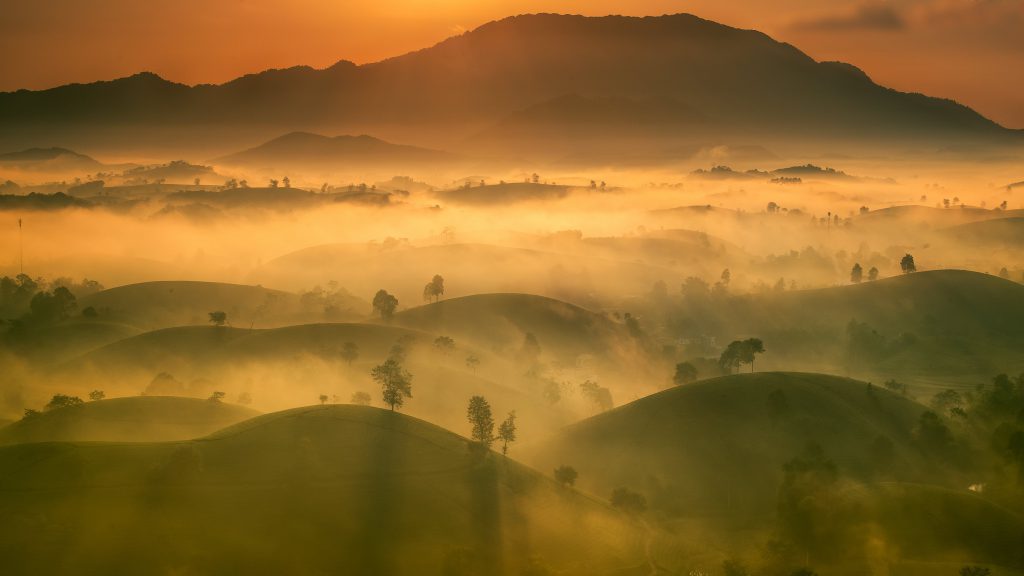
destination in Phu Tho Province
From a heritage governance perspective, Hoang Xuan Don – Head of the Dong Van Karst Plateau Geopark Management Board – explains that, in UNESCO’s view, geoparks aim to support sustainable development for local communities, especially in remote ethnic areas where valuable indigenous knowledge is disappearing.
Community-based tourism tied to rural life is an effective tool for generating income while preserving cultural values. It allows traditional knowledge and customs to remain “alive” within their original cultural landscape. Yet rural tourism also carries risks: uncontrolled mass tourism can bring external cultural influences, distort traditions, and harm the environment.
To safeguard cultural identity, Mr. Don proposes five criteria: the number of tourists must not exceed the village population; households directly involved must not exceed 25%; customary rules and intangible cultural practices must be strictly observed; traditional livelihoods must remain unchanged; and visitors must comply with all cultural regulations.
After 15 years, the Geopark – though not the only contributing factor – has helped generate comprehensive changes. Research on international geoparks reveals strong economic benefits: while non-tourism and non-designated areas create little economic value, geoparks can generate around USD32 million annually, far exceeding other types of protected or heritage areas, while helping to preserve culture and the environment.
This success is reflected in villages like Lao Xa, Lung Cam, Nam Dam, and Lo Lo Chai, where local economies have grown, indigenous culture is being preserved, specialty agriculture and handicrafts are thriving, cooperatives and OCOP products are expanding, and rural infrastructure and tourism services continue to improve.
Still, Mr. Don emphasizes that rural tourism is not a guaranteed “escape from poverty”, but a sustainable development pathway that helps communities identify and define their cultural identity.
“Pressure for rapid development can lead to negative impacts, but lessons from the Karst Plateau show that moving step by step, steadily and sustainably, produces long-term success,” says Mr. Don.