Story: Nam Hoa
Photos: Le Ngoc Huy, Quang Ngoc, Vu Minh Quan, Tran Tien Dung
Across regions and seasons, Tet foods honor the labor that made the feast possible.
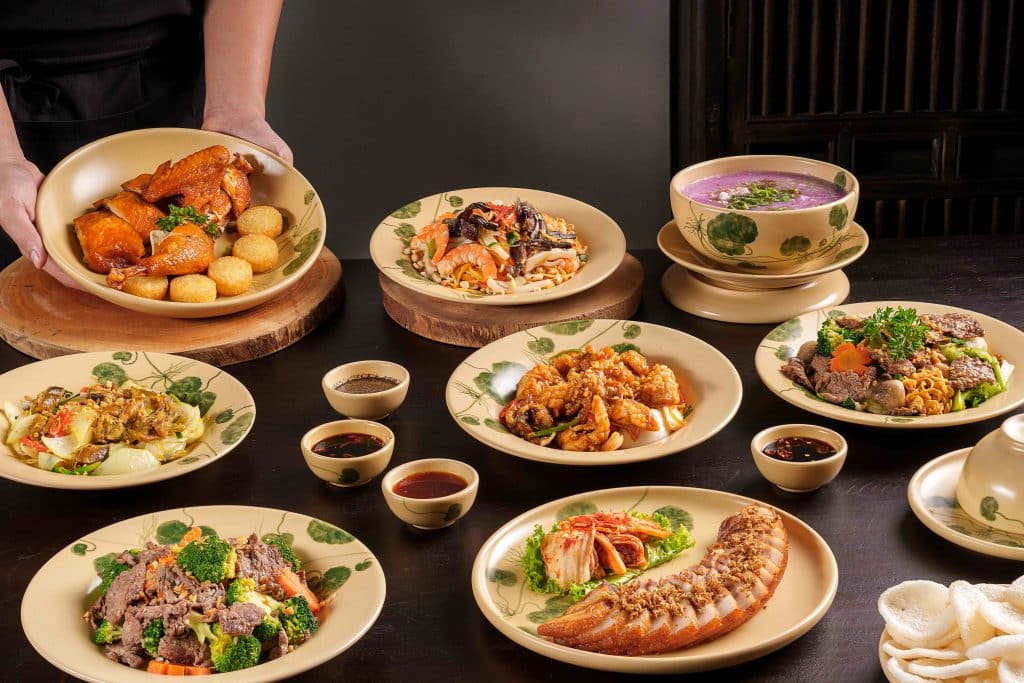
In the Vietnamese psyche, Tet is not merely a moment marking the transition between two years, but a reunion of the country’s produce, when the finest harvest of a year’s labor is gathered and reverently offered on ancestral altars. The Lunar New Year feast unfolds as a multi-layered cultural tableau, stretching from the misty northern highlands to the fertile Mekong Delta, and onward to distant islands in the open sea.

make corn liquor
Warm trails of smoke in misty highlands
From mountain hamlets in the northern highlands to villages in the Central Highlands along the Truong Son range, Tet begins with the gentle warmth of soot-stained kitchens, heavy with wood smoke. Among the people of these regions, harsh terrain and climate have shaped a culinary philosophy rooted in food preservation.
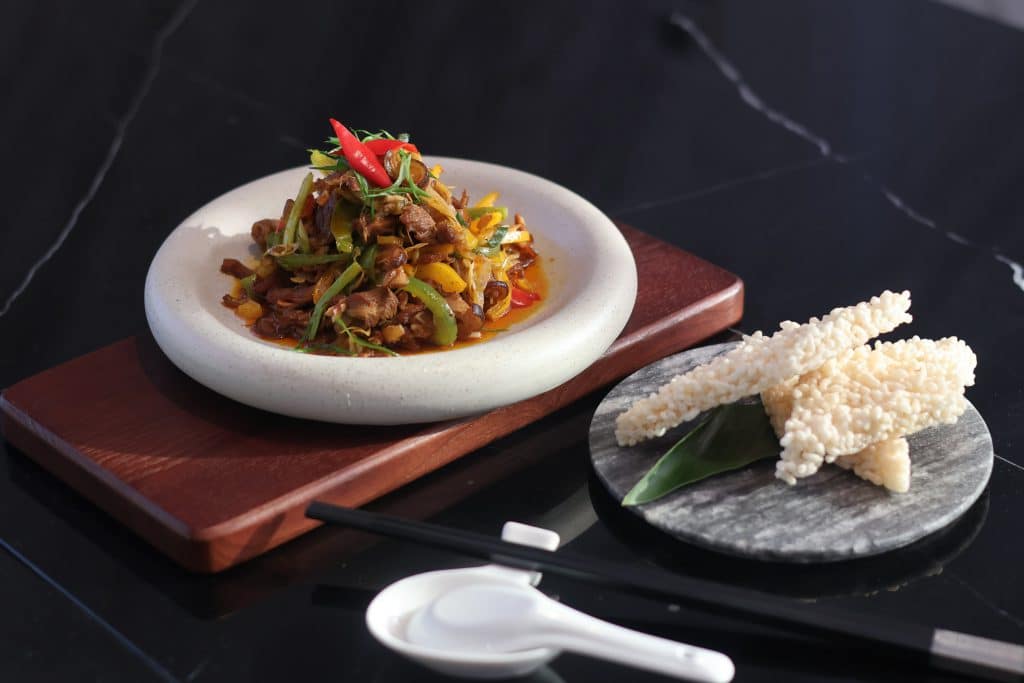
In a typical highland kitchen, strips of buffalo meat or black pork hang from the rafters above the hearth. The meat is marinated with mac khen and hat doi, forest spices revered by highlanders as the “black gold” of the ancient jungles, then slowly smoked for days over a wood fire. Long-burning fruit trees or carefully chosen forest timber are used, producing clean, fragrant smoke without harsh resin.
When torn into fibers, the meat reveals a tender, naturally sweet core, infused with the resinous scent of deep forests and the lingering warmth of the hearth fire beneath stilted homes. This smoked meat is an indispensable presence on the Tet table, able to be stored in the kitchen loft for more than half a year.
Highland liquor contains the spirit of the mountains and forests, distilled into earthen jars of Quan Ba corn wine, San Lung glutinous rice wine, or the communal can wine of the Central Highlands. Golden corn kernels grown in rocky crevices, or upland rice grains still wrapped in husks, are steamed and fermented in clay jars before being slowly distilled into crystal-clear drops, as pure as water from a mountain spring. There is nothing quite like taking a sip of this warming liquor while savoring smoked mountain meat and sticky nep nuong rice from Dien Bien, or com lam made with upland glutinous rice, the grains carrying the life force of heaven and earth, and the highland sun and wind. This sticky rice is tender, fragrant, and deeply flavorful in a way that lowland rice can hardly rival.

Alluvial richness and lowland pearls
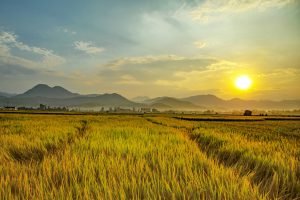
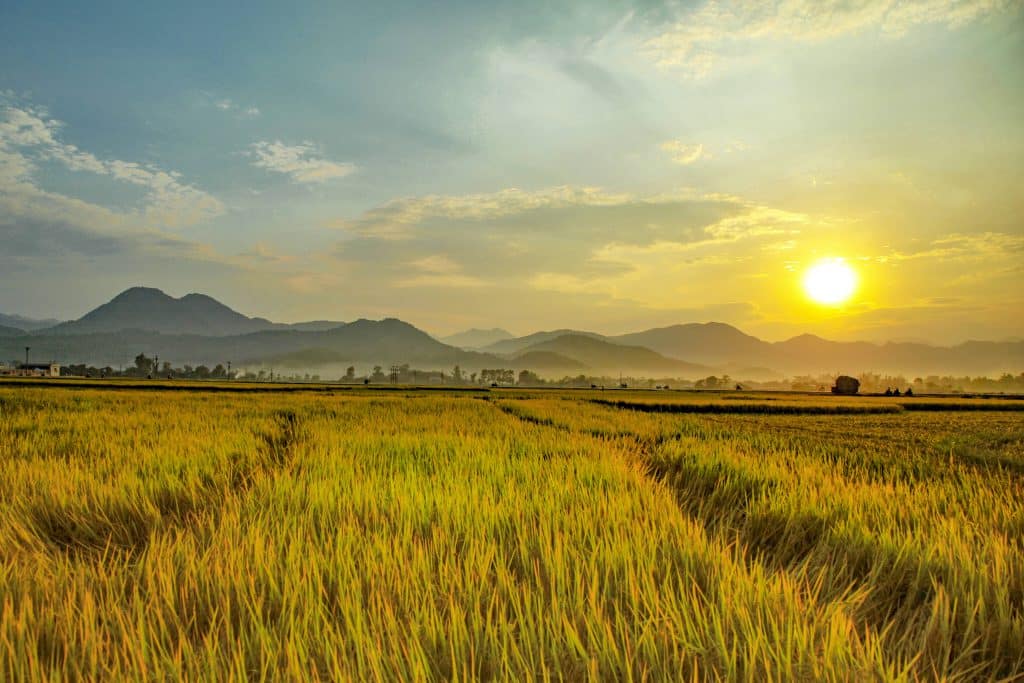
From north to south, the lowland plains are blessed with fertile alluvium laid down by winding rivers, their produce deeply tied to the unforgiving rhythms of sun and rain. Even so, the traditional Tet feast rises as a vivid symbol of abundance and fulfillment.
In the Red River Delta, Tet carries the scent of boiling dong leaves and fragrant nep cai hoa vang rice enclosed within emerald-green banh chung. Journeying south to the Mekong Delta, abundance takes a different form: rich, fatty banh tet filled with mung beans and deep-purple banh tet la cam – the colors drawn from aromatic rice varieties nurtured by the alluvium-laden lower Mekong – or a simmering pot of braised pork and duck eggs enriched with coconut milk.
Everywhere, Tet delicacies represent the culmination of the harvest. Rice, the “pearl bestowed by heaven,” is transformed into square banh chung or cylindrical banh tet, embodying the bond between earth and sky. In the delta regions, every Tet feast reflects a philosophy of balance: the richness of fatty pork tempered by the gentle sourness of pickled scallions, bean sprouts, or cu kieu, and by the subtle sweetness of alluvial soil captured in bowls of bitter melon soup. This feast is a showcase of skill and effort, celebratory dishes crafted from the yields of carefully tended gardens, ponds, barns, and fields after a year of tireless labor.

The briny taste of the sea
Along our S-shaped land’s long coastline and across far-flung islands in the open sea, fishing villages are generously blessed with the ocean’s briny bounty. In coastal regions, Tet carries not only the fragrance of sticky rice, but also the scent of sunshine and salt rising from open drying yards.
As the final boats of the year return to shore, laden with glistening catches of fresh fish and shrimp, fishermen immediately begin the rituals of drying and fermenting. Trays of ruby-red dried shrimp, fragrant one-sun-dried mackerel, and jars of shrimp paste or anchovy fish sauce, patiently aged over many months, become the soul of the islanders’ Tet feast.
The ocean’s salinity weaves itself into every meal, creating a taste as free-spirited and generous as the seafarers’ own souls. Here, sharing is the essence of life: the Tet table is always open to all, offering humble local delicacies that embody resilience, gratitude, and reverence for the boundless sea.
Fittingly, the true soul that binds every dish on a Vietnamese Tet table is a small bowl of pure nuoc mam nhi – first-press fish sauce, patiently fermented from black anchovies, prized for its amber hue and deep umami sweetness. Placed at the heart of the tray, the bowl resembles a tiny sun, an invisible thread binding the robust flavors of the highlands with the gentle sweetness of the lowlands.
Vietnamese Tet also lingers in the delicate sweetness of traditional candied treats. It is found in the warming bite of ginger candy from the sun-scorched Central region, the crisp crunch of winter melon preserves from the North, and the rich, creamy candied coconut ribbons of the Mekong Delta. Each sliver of mut (candied fruit) carries a quiet wish for peace and well-being in the year ahead.
Through the Tet feast, the scents and colors of heaven and earth, along with a year’s worth of patient labor and cultivation, converge in a moment of reunion, reminding us of the enduring values at the heart of the Vietnamese home.