Story: An Lam
Photos: BYD Vietnam
Discover a different side of Zhengzhou.
Zhengzhou, in Henan Province, China, is famous for landmarks including the Shaolin Temple, Kaifeng Prefecture, and historical sites linked to the early days of Chinese civilization. This is a land of former capitals, of the Yellow River, of dynasties that rose and fell, leaving behind layered sediments of history. Yet on this visit, we encountered a very different Zhengzhou – one that no longer tells its story through the past, but instead uses technology to narrate the future.
An all-terrain track for green vehicles
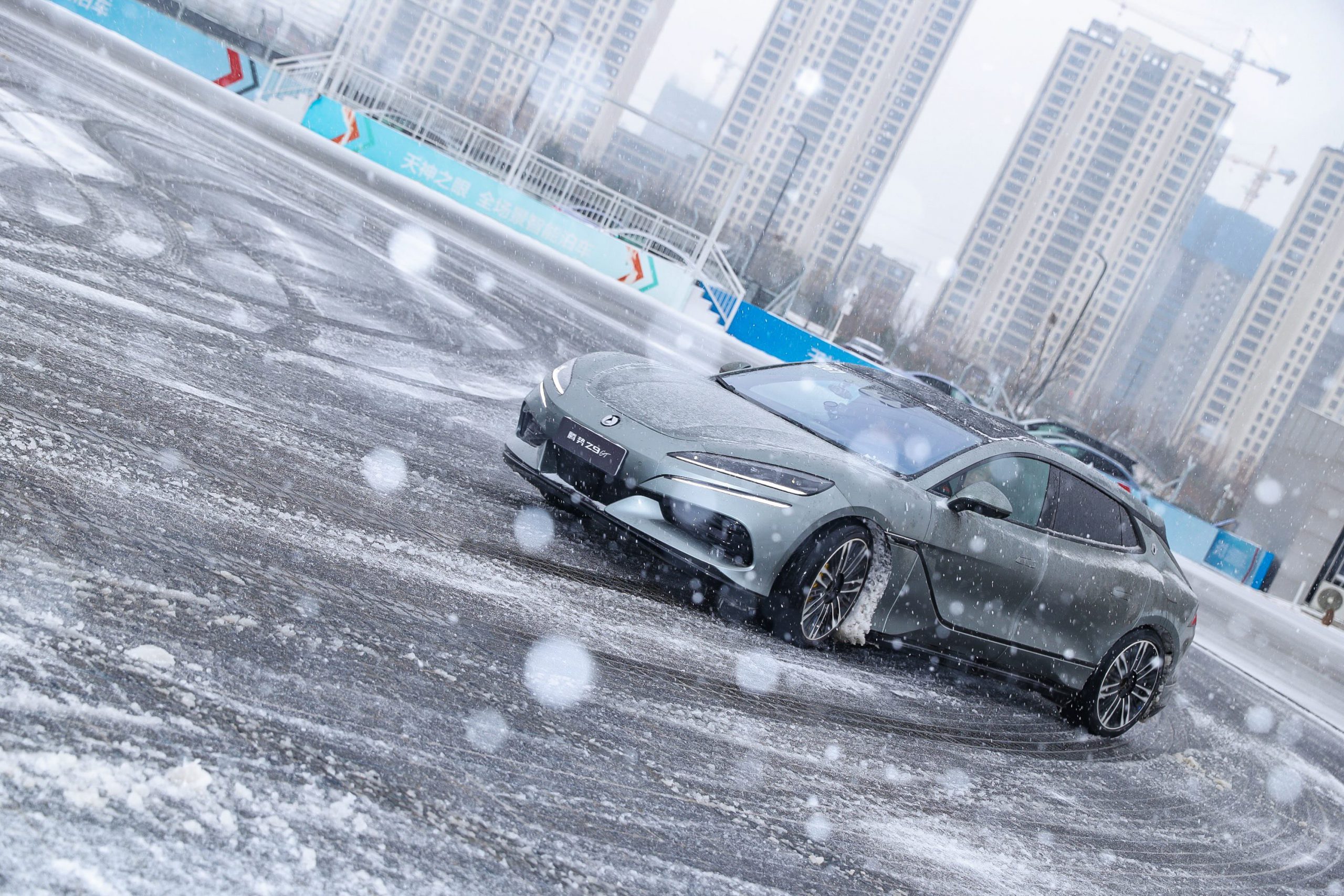
Located on the outskirts of the city, the BYD Zhengzhou all-terrain test track is dedicated exclusively to new energy vehicles. Arriving there, I was surprised – the scene bore little resemblance to a typical racetrack, with its roaring engines, screeching tires, and pungent exhaust fumes. Instead, the atmosphere was quiet – not because the site was empty, but because every movement unfolded in a controlled, orderly rhythm. Cold wind cut across my face as light snow and rain drifted through the air. Beneath a pale grey sky, the track appeared like a vast stage awaiting its performance.
Spread across eight experiential zones designed to replicate extreme real-world conditions, BYD’s new-energy vehicles – from fully electric to hybrid models – took turns demonstrating their capabilities: climbing dunes, wading through deep water tanks, accelerating hard, and maintaining control on slippery surfaces. The event opened with a striking performance on an outdoor ice rink, where electric vehicles glided across the frozen surface in figure-eight patterns, running side by side, weaving and spinning with balletic precision – without a single collision or loss of control. This was followed by the YangWang U8 SUV tackling a near-vertical indoor sand slope of almost 30 degrees, before the same vehicle drove into a water tank reaching depths of up to 1.8 meters. Watching the car advance into the water, submerge, reverse, and turn with ease – as the instructor calmly explained that it could float for up to 30 minutes – I felt as if I was witnessing cutting-edge technology mixed with a magic trick.
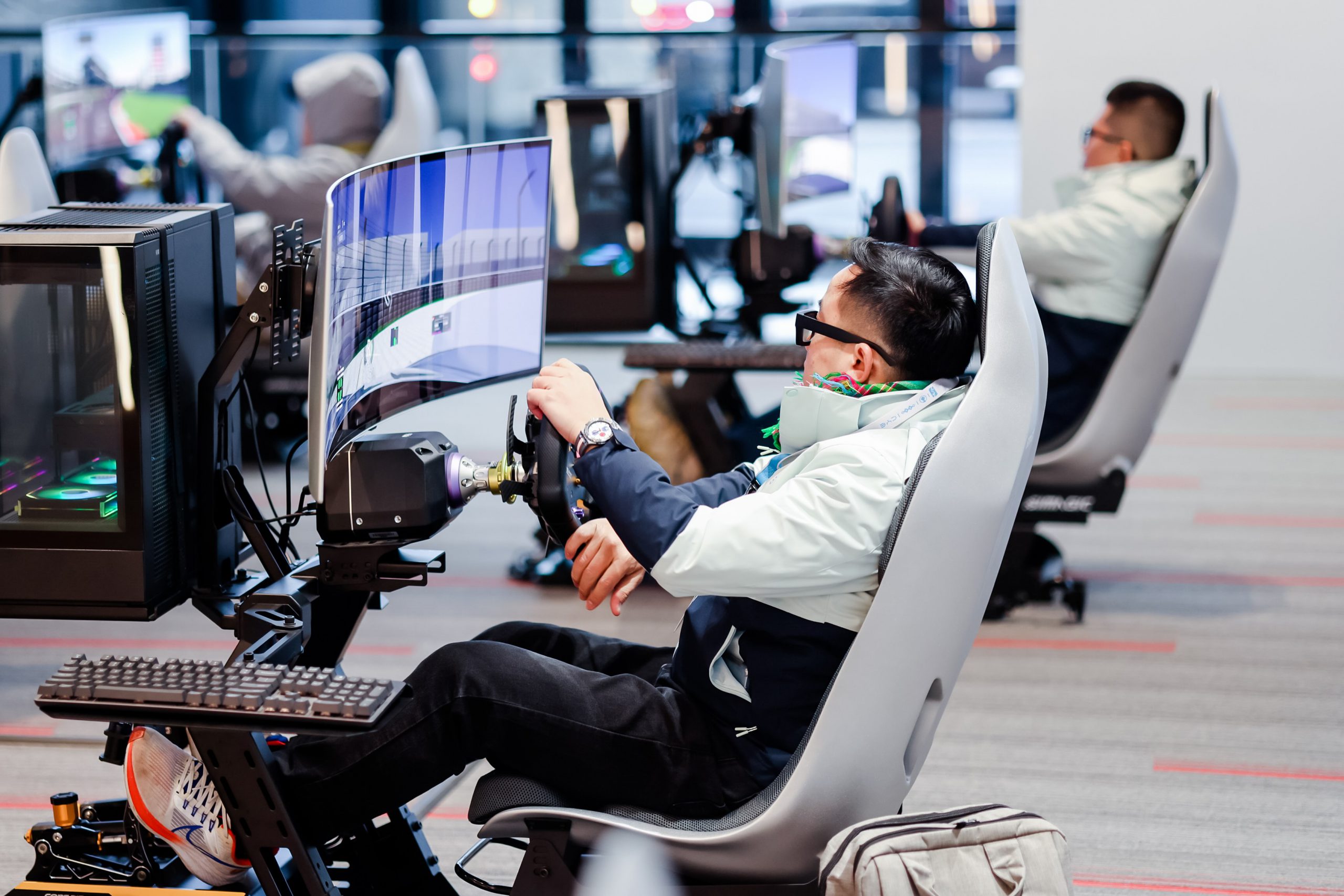
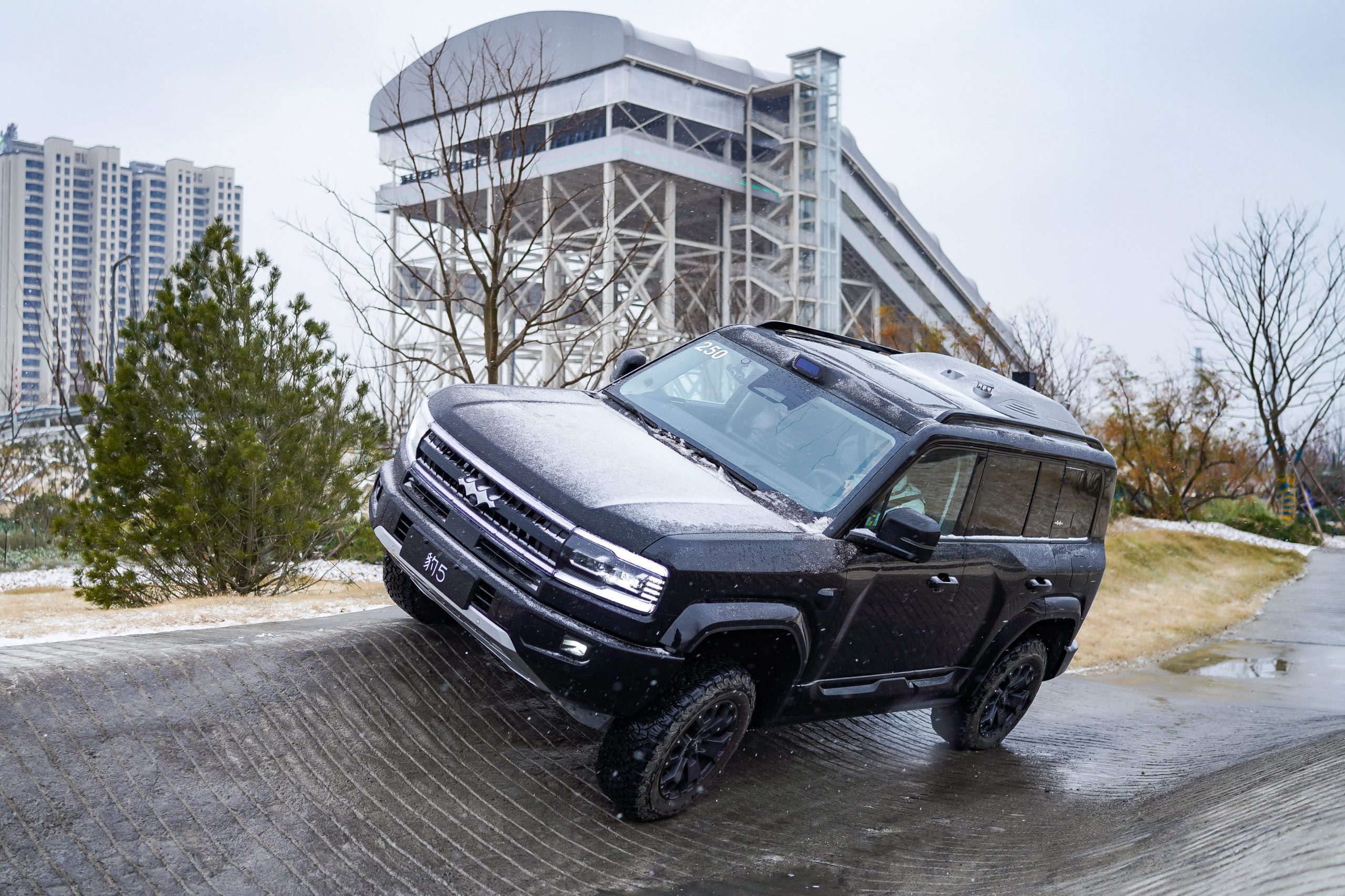
Coming to the racetrack was not just about watching. Our group took the wheel ourselves – or, at the very least, rode shotgun – to experience the thrill firsthand. The speed enthusiasts among us were eager to climb into a YangWang U9 electric supercar, pushing it around a 1.7-kilometre circuit in sleet and snow. Others chose to test off-road capabilities in a Fang Cheng Bao model, tackling obstacles, steep climbs, and tilted terrain. One assumption was quickly dispelled – that new energy vehicles are suited only to city streets.
These machines demonstrated remarkable power and capacity, handling extreme conditions, climbing and descending slopes with confidence and ease, as if it were second nature. Watching the U9 “dance” in sync with music, or the Denza Z9 GT drive and park itself autonomously, I realized that artificial intelligence has introduced a new dimension: technology does not have to feel cold or mechanical but can be expressive, even soulful.
The scent of time at BYD’s Di-Space Automotive Museum
Though at its core a museum dedicated to automotive technology, Di-Space engages visitors with surprising ease – a result of thoughtful curation and a clear narrative flow that guides audiences through history and the long journey toward green innovation.
The story begins with the origins of the automotive industry. Our group paused before a model of a steam engine: heavy, raw, and unmistakably emblematic of the 19th century. Moving on to the Benz No. 1, everything suddenly felt more compact, refined, and deliberate.
Among the exhibits at Di-Space is an object of profound symbolic value: a handwritten letter from 1992 by scientist Qian Xuesen. Even then, he urged China to bypass the gasoline-powered era altogether and leap directly into new energy vehicles. This visionary proposal launched China on the path of becoming a global electric vehicle powerhouse.
To explain the global energy crisis, the museum presents statistics, charts, and images as a quiet yet compelling warning about the depletion of fossil fuels. The narrative then moves seamlessly into an exhibition on renewable energy sources such as wind, solar, and water. This progression allows visitors to understand the inevitable shift toward new-energy vehicles.
At the heart of the museum is the evolution of BYD’s electric vehicles. This brand rose to become the world’s leading EV manufacturer in 2025. The journey began with the launch of the Flyer in 2003, marking BYD’s official entry into the automotive industry and signaling its ambition to combine battery expertise with vehicle technology. From there, the narrative unfolds through a steady succession of models – E6, Qin, Han, Seal, Sealion 8, Denza D9, FangChengBao Bao 5, YangWang U8 – each introduced with a long-term vision, together shaping a continuous and resilient legacy.
When it came to design and aesthetics, I was struck by the clay models, material samples, and paint palettes that drew on ceramics, minerals, painting, and China’s long history. In that moment, I realized that a car is no longer merely a machine but a mobile living space, in which innovative design and small details can evoke different emotions.
I then stepped into the sound-and-scent zone. The introduction of fragrance was fascinating. With a gentle swipe, a flower on a screen bloomed open. A touch on the control panel left a soft scent lingering on my hand. Perhaps it is not speed or horsepower that truly matters. Sometimes, all it takes is a quiet car interior or a gentle fragrance that makes someone want to stay a little longer.
As I left Di-Space, Zhengzhou had emerged into sunlight after its first snowfall of the season. Workers patiently cleared sheets of ice from the museum’s courtyard so visitors would not slip. Looking up, I saw sleek modern shopping centers standing near traditional architecture. The “old” and the “new” coexisted calmly, just as they always have. As for me, the faint scent clinging to my sleeve in the cold air was a small but lasting reminder of Zhengzhou.