Story: Tran Hong Lieu
Photos: Mai Anh Tu
First in height is Ba Vi Mountain,
Third is Tam Dao, and second is Doc Ton
Those who live around Hanoi, especially in the northern areas, know this folk verse well. It’s especially familiar to those to the north because the Ba Vi and Tam Dao ranges lie northwest of Hanoi, while the Doc Ton range lies to the north. Locals know that Ba Vi rises only 1,296 meters, compared to Tam Dao’s 1,591meters, while Doc Ton stands just 462 meters above sea level. Yet Ba Vi is still revered as the highest, since Tan Vien Peak – one of the three main summits – is home to the shrine of Tan Vien Son Thanh, foremost of the Four Immortals. According to legend, Tan Vien Son Thanh repelled the “water invaders” and brought peace to the land.
In Nguyen Tuan’s short story Tren dinh non Tan (On Tan Peak), the Tan Vien deity embodies a beauty that is both approachable and grand, majestic yet mysterious. He generously rewards the carpenters of Trang Thon village for devoting their skill to restoring the Upper Temple (Den Thuong), but swiftly and harshly punishes anyone who gossips, breaks their word, or reveals the secrets of life on the celestial peak.
Gazing at the Upper Temple, wrapped in silken bands of mist and shaded by a lush green canopy curved like a giant parasol atop Tan Peak, one can almost feel the anguish of Master Artisan Pho San – the foreman chosen by Tan Vien to restore the temple. It was forbidden to speak of the scene, as breathtaking as a celestial realm, both real and unreal. If one word escaped the foreman’s lips, the enchanted bamboo leaf the god had placed in his throat would turn into a razor blade.
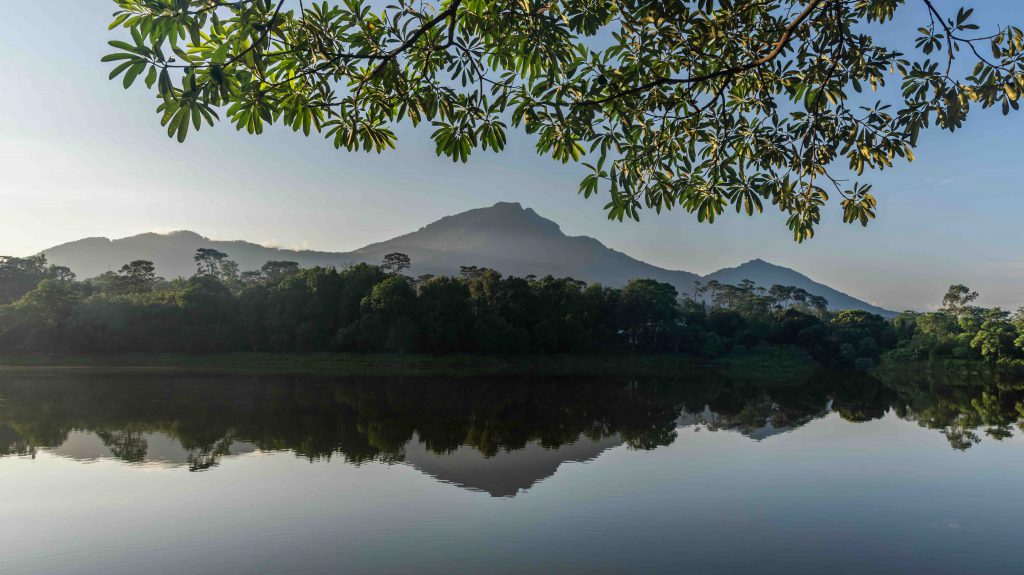
The lowest of the three ranges, yet ranked second among them, is Doc Ton (also called Soc Mountain) – a chain of eight or nine peaks in Soc Son district, on the outskirts of Hanoi. “Soc” is an old Sino-Vietnamese word meaning “north,” likely given because the range lies directly north of Thang Long (ancient Hanoi). Like Tan Peak in the Ba Vi range, Doc Ton is believed to be the seat of Thanh Giong, another of the Four Immortals. According to legend, Thanh Giong did not walk or speak until age three, then rose and requested to fight foreign invaders. This tale reflects the deep patriotism, desire for autonomy, and unyielding spirit of the Vietnamese people.
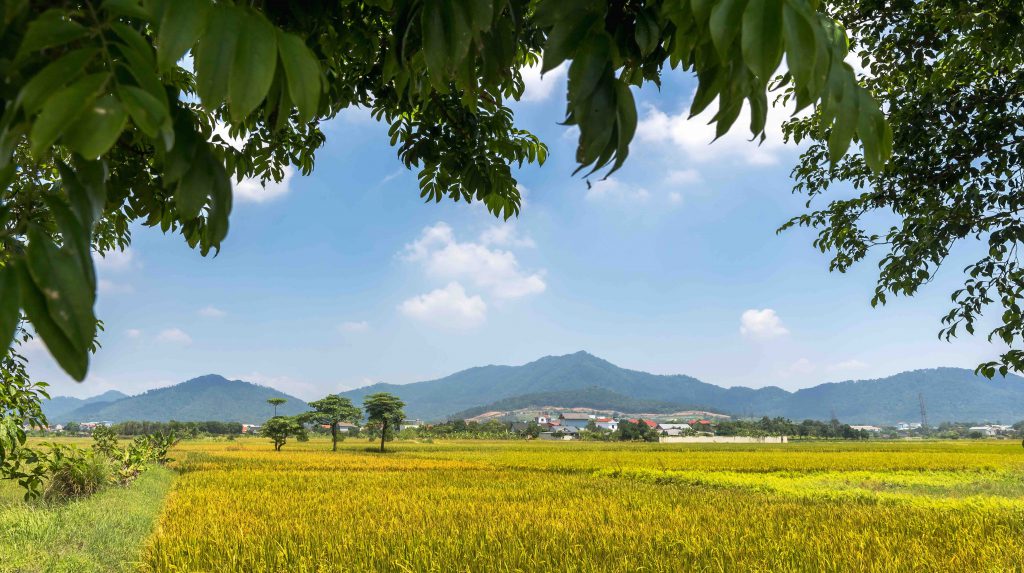
While it lacks the majesty of Ba Vi or Tam Dao, Doc Ton draws visitors with its approachable, gentle beauty. Blessed by nature, the mountain is encircled by Dong Do Lake, a well-known natural lake in Soc Son that creates a harmonious scene of mountains and water. In the 1960s, Dong Quang Lake was added at the mountain’s foot. With a 6.3-kilometer-long shoreline, this man-made reservoir spans over 100 hectares and adds to Doc Ton’s appeal.
In this ancient ranking system, Tam Dao stands last among these three famed mountains. Rising 1,591 meters above sea level and spanning Vinh Phuc, Thai Nguyen, and the former Tuyen Quang provinces, this rocky range must accept its third-place rank. Its name, meaning “Three Peaks,” refers to Thach Ban, Thien Thi, and Mang Chi. On clear days, the three summits stand serene against the clouds and sky. On cool, misty days, a sudden veil of cloud can make even your companions vanish from sight. Many fond nicknames have been given to Tam Dao, including “the town in the clouds,” “misty Tam Dao,” and “the second Dalat”. Tam Dao is known for its clouds, mist, free-range chickens, and chayote.
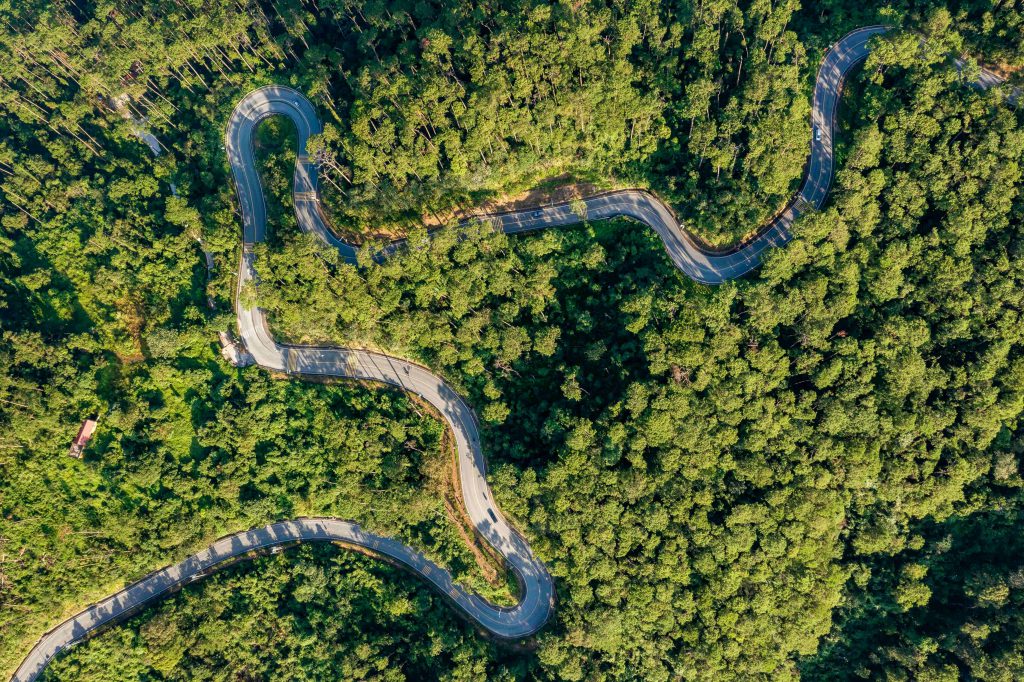
Like Ba Vi and Doc Ton, Tam Dao holds deep spiritual meaning for the Viet people. It is the sacred realm of Quoc Mau Tay Thien (West Heaven National Mother) Lang Thi Tieu. According to legend, she was born from the sacred essence of the mountains and rivers, embodying the very spirit of Tam Dao’s forests.
Visits to Ba Vi, Doc Ton, and Tam Dao are not just chances to admire majestic landscapes where heaven and earth meet. These journeys are invitations to honor the Mother Goddess, approach the Father and Mother, return to one’s roots, and express gratitude.