Story: Phuong Nguyen
Photos: Phuong Nguyen, Shutterstock
Discover the history, culture, and beauty of Nagoya – one of Japan’s key industrial centers.
As the capital of Aichi Prefecture and the largest industrial hub of the Chubu region in central Honshu, Japan’s largest island, Nagoya has long been a major economic center in the Land of the Rising Sun. If Kyoto is the ancient capital – the repository of Japan’s historical and cultural essence – then Nagoya is modern Japan’s industrial capital, where the automotive industry generates billions of dollars annually, helping to propel the country into the ranks of global industrial powers. Yet behind this robust exterior, Nagoya conceals deep historical layers and a rich cultural treasury, adding to its distinct identity.
From samurai symbols to the sacred Atsuta Jingu shrine
We arrived in Nagoya during the last week of March, when spring was at its most beautiful. Cherry blossoms bloomed along every road leading into the city, weaving pink and white hues through parks, residential areas, and rows of townhouses. In the crisp chill of the temperate zone, our fatigue quickly vanished. We discovered a city where long-standing traditions intertwined with the rhythms of modern industrial life, forming a gentle yet powerful blend.
It is no exaggeration to say that Nagoya possesses two “precious swords”: the sharp katana of the samurai, symbolizing the spirit of Bushido, and the “precious sword” of automotive technology, which helped Japan compete and rise to become a global powerhouse in the export market.
The first stop on our journey was Atsuta Jingu – one of the most sacred shrines in the Chubu region. This shrine houses the Kusanagi sword, one of the Three Sacred Treasures (Imperial Regalia) – the three supreme artifacts of Japan symbolizing imperial power, passed down through generations of emperors during coronation rituals. According to legend, this sword bears divine origins from the Sun Goddess Amaterasu.
Atsuta Shrine lies amidst a dense forest, lush and green year-round. Stepping through the Torii gate, a sense of stillness and reverence reigns, the atmosphere solemn and sacred. Not merely a place of worship, this shrine is revered by the Japanese people as a “spiritual source.” Shinto beliefs – a combination of worshipping spirits (kami) and revering nature – are clearly present here, reflecting beliefs that have defined the Japanese national spirit for thousands of years.
Nagoya Castle and in the blooming season
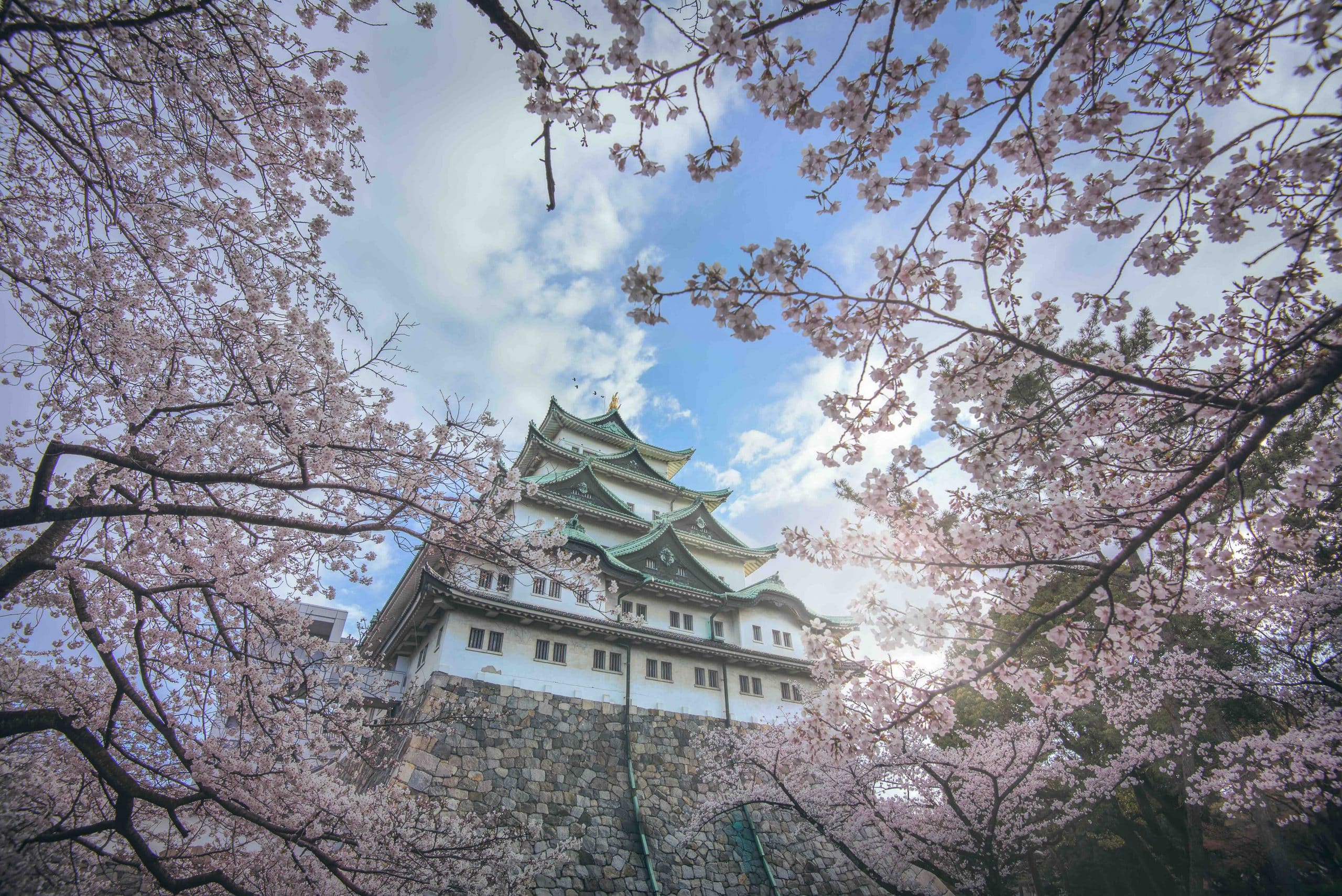
In the city center, Nagoya Castle – also known as the Golden Dolphin Castle (Kinshachi) – is majestic and imposing. Built in the 17th century, it is representative of Edo-period architecture and closely linked to the power of the Tokugawa Shogunate. The citadel’s iconic highlight is a pair of gold-plated dolphins on the roof, symbolizing power and prosperity.
Our visit to Nagoya coincided perfectly with the mankai – or peak blooming season, the key moment in the Japanese cultural experience of hanami – flower viewing. In spring sunlight, clusters of pure white flowers dotted with pink stamens bloomed brilliantly. Surrounded by over 1,000 cherry trees, Nagoya Castle is one of the most beautiful flower-viewing spots in the Chubu region. The juxtaposition of ancient architecture and flowering groves creates a scene straight out of a postcard – both grand and poetic.
The capital of Japan’s automotive industry
Looking back at history, Japan was among the first industrialized nations in Asia, built on a foundation of science, technology, and a spirit of relentless innovation. Having undergone major upheavals, especially the heavy devastation of war, the country rose rapidly over just a few decades to become one of the world’s strongest economies. In that process, the automotive industry played a key role, putting Japan’s name on the global stage.
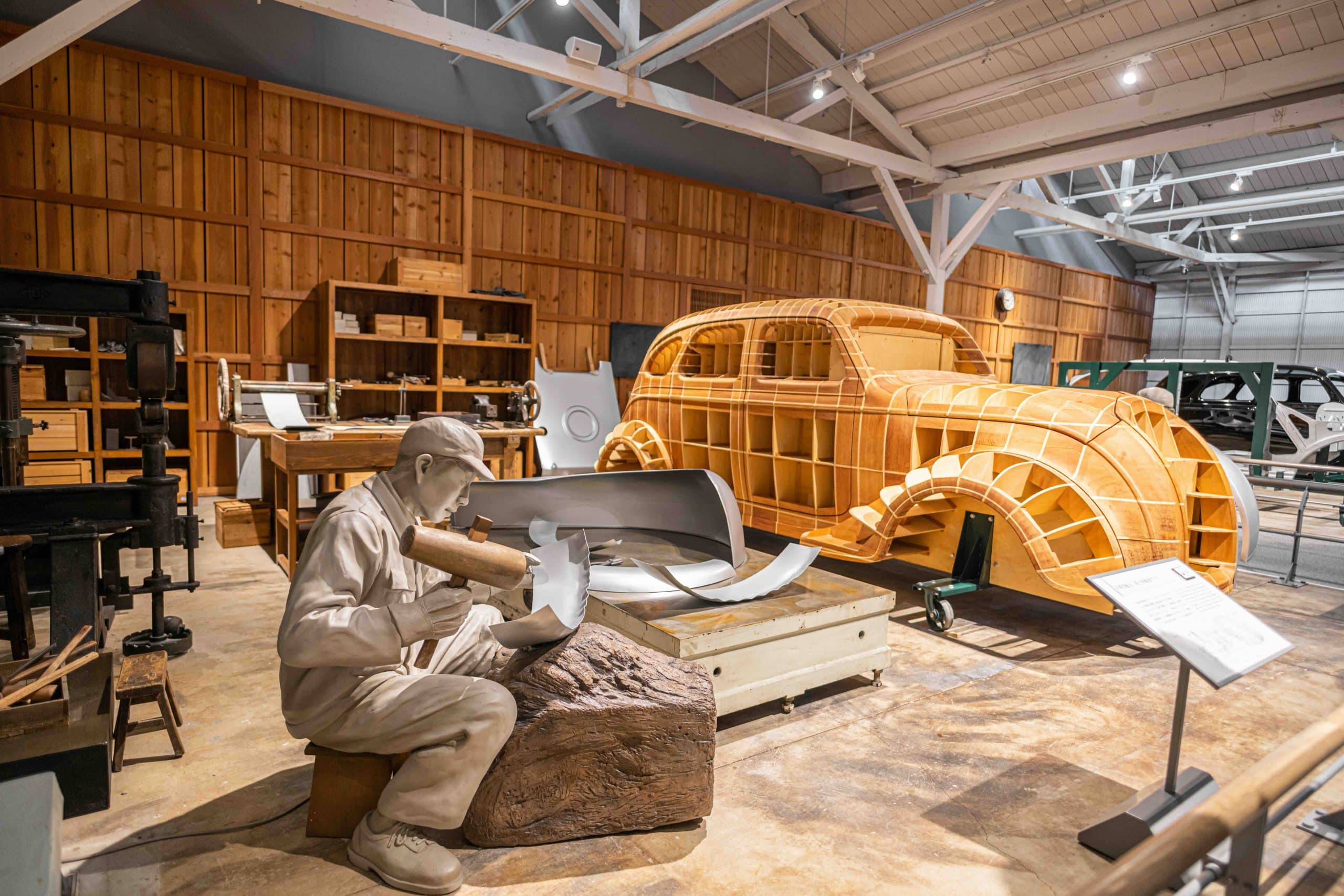
At the Toyota Commemorative Museum of Industry and Technology, we witnessed that transformative journey with our own eyes. Originally a region specializing in handicrafts and textiles, Nagoya has since become a world-leading center for modern car manufacturing. Car models from various eras, alongside automated assembly lines and precise robotic arms, demonstrate a seamless combination of traditional diligent labor and advanced technology.
From Samurai swords to robotic arms in mechanical workshops, the journey to rise has involved great effort, discipline, and aspiration. For visitors from Asia, especially Vietnam, this is not just a sightseeing tour but a source of inspiration, outlining a path of resilient development.
Tastes and memories of Nagoya
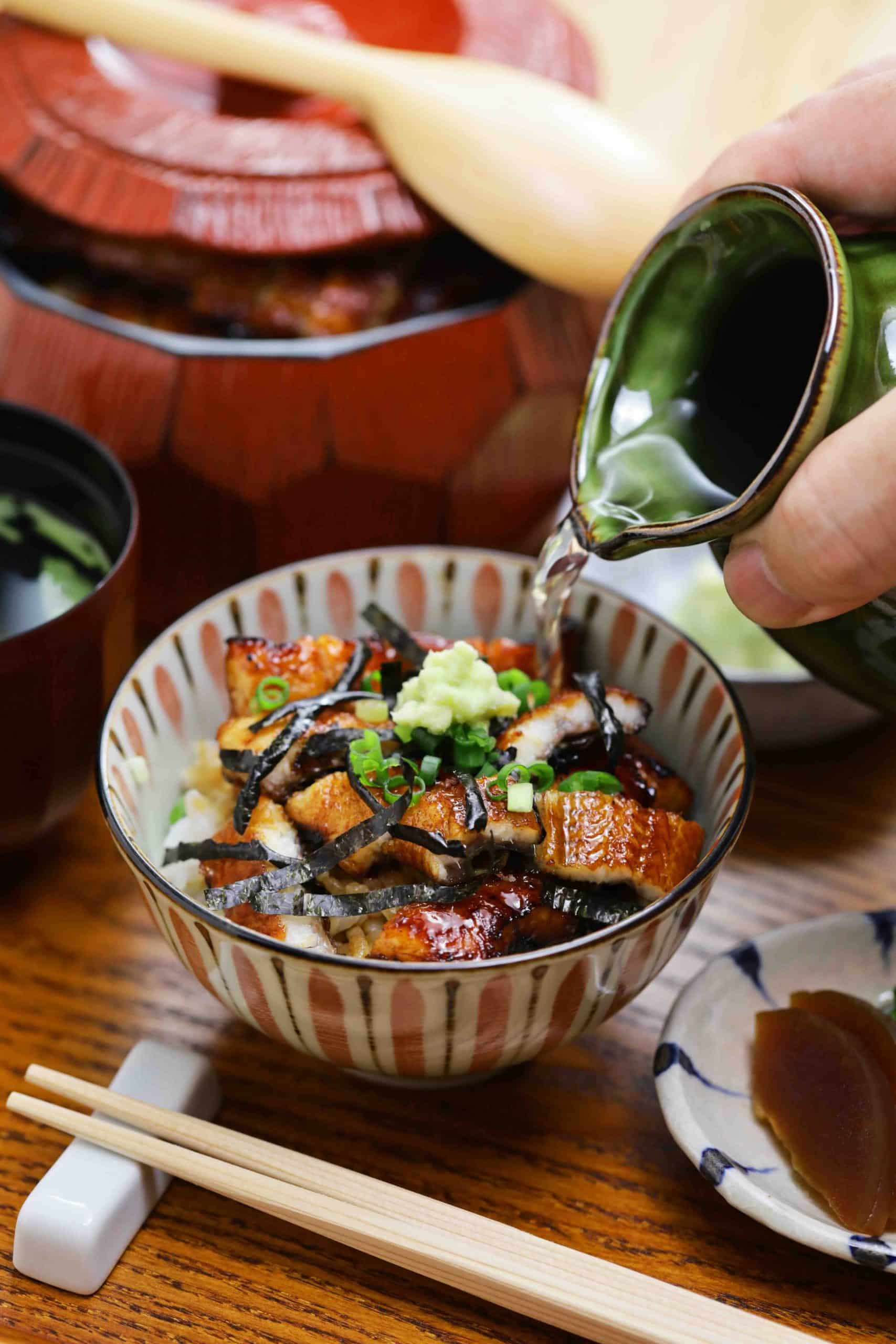
Our journey in Nagoya concluded with a signature culinary experience: hitsumabushi, the region’s famed grilled eel rice dish. In Japan, eel rice is considered a delicacy, typically reserved for special occasions. Hitsumabushi is enjoyed in three ways: eaten as is, with condiments, or with dashi, a traditional broth, poured over it. Each method revealed a different layer of flavor, far exceeding our expectations. Paired with a cup of spicy sake, the meal brought a long, memorable day to a satisfying close.
Nagoya stands as a vivid testament to the harmonious interplay of past and present. Beneath its dynamic industrial exterior lies a depth of history, a calm cultural spirit, and enduring discipline. Glamour is merely on the surface. True value lies in preserving identity while adapting to the times. It is this balance that gives rise to Nagoya’s unique character – not as frenetic as Tokyo, nor as ancient as Kyoto, but quietly steadfast. Here, the samurai sword of the past and the industrial gears of the present spin together in a single, harmonious rhythm.