Story: Pham Minh Quan
Photos: Song Ngoc
Ha Long Bay is not only a destination, but a living landscape where nature, history, and people move in quiet harmony.
As the first light of dawn gently touches the surface of Ha Long Bay, the morning mist slowly lifts, revealing limestone karsts rising from the sea. In that moment, Ha Long appears not as a familiar landmark, but as a world awakening, where nature, history, and people breathe together in the unmistakable rhythm of Quang Ninh. From this sunrise over the bay, the heritage narrative of the northeastern land unfolds, quietly profound and vividly alive.
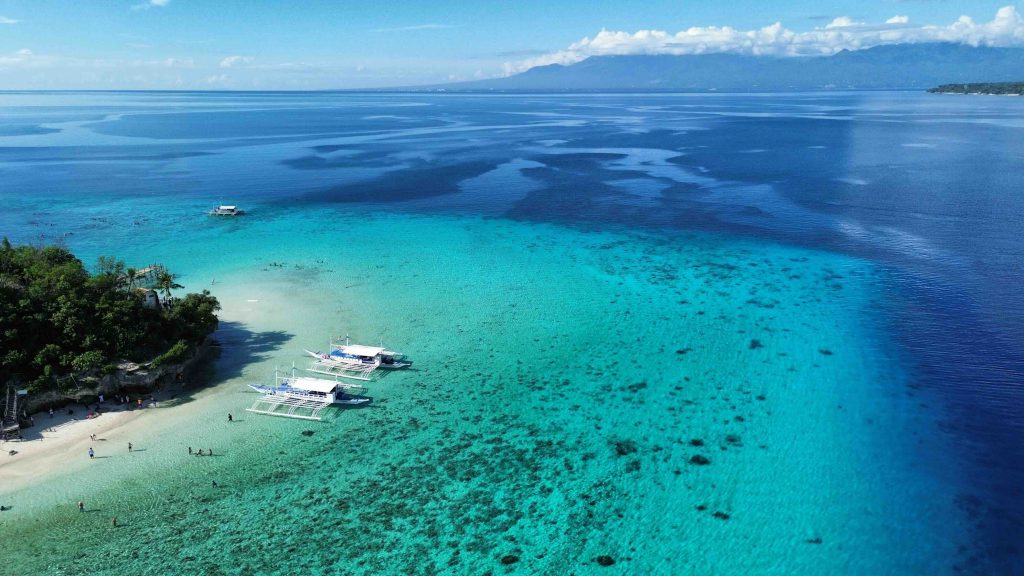
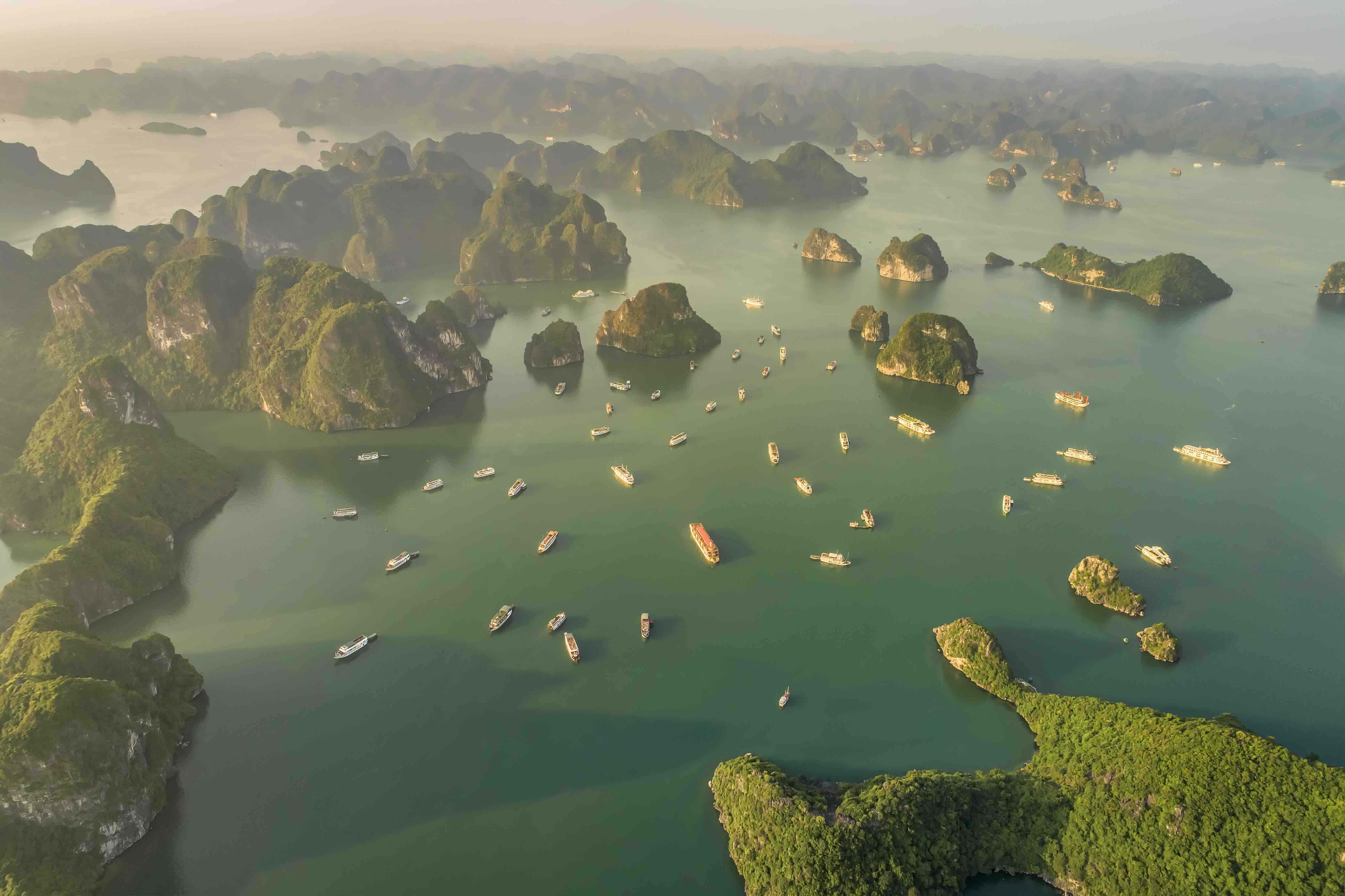
Ha Long Bay lies at the heart of Quang Ninh, a natural masterpiece honored by the world. Beyond the awe inspired by its thousands of limestone islands, Ha Long captivates through the constant transformation of light, water, and sky. In the early morning, the bay wears a calm silver-grey hue. At midday, the water turns crystalline blue, the karst islands sharp and sculptural. By evening, sunset softens the entire seascape. Cruising through the bay, paddling a kayak into hidden lagoons, or simply watching the stillness of the sea, visitors sense that Ha Long is a living heritage, where every moment carries a distinct beauty.
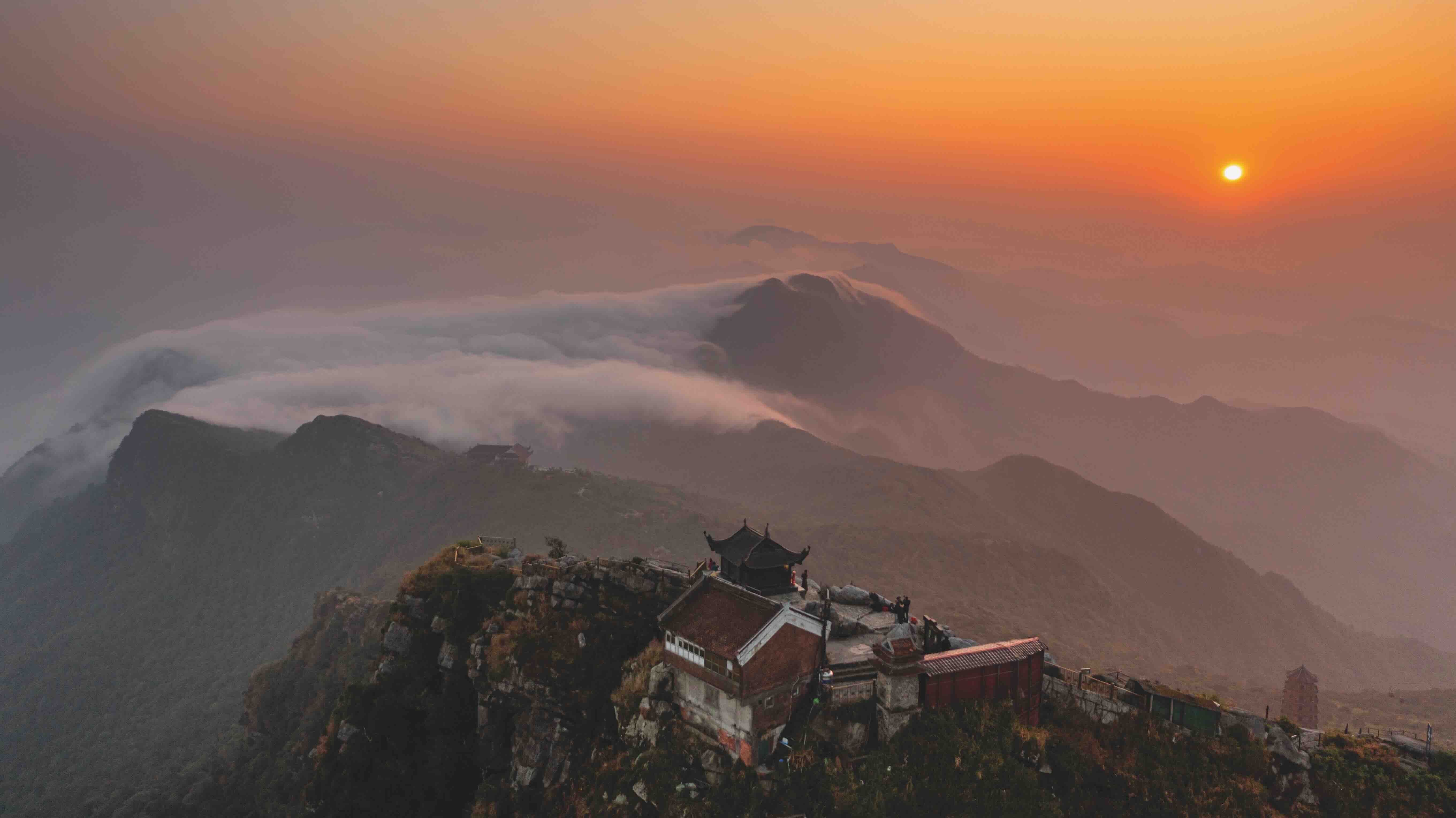
From the sea, the heritage journey leads inland to the forested mountains of Yen Tu, a sacred landscape associated with the birth of the Truc Lam Zen tradition. Pilgrimage paths wind along mountain slopes and through dense forests, guiding travelers away from hurried rhythms toward inner stillness. Yen Tu preserves the spiritual legacy of Emperor Tran Nhan Tong, offering a contemplative approach to heritage, where each step becomes an act of reflection. In drifting mist, the sound of temple bells echoes across the mountains, revealing Buddhist heritage as an enduring spiritual axis of the region.
Quang Ninh’s heritage endures in the hands of its people and through craft villages preserved and renewed over time. In Mong Cai, ceramics reflect centuries of borderland trade and craftsmanship, including works fashioned from seashells. Other ceramic villages such as Duc Chinh, Vinh Hong, and Dong Thanh continue this legacy. In Van Don, pearl cultivation blends local knowledge with modern technology to produce luminous gems born from the sea. Coal carving in Ha Long and Cam Pha transforms an extracted resource into a symbol of creativity, where skilled artisans turn black coal into refined works of art. These villages demonstrate that heritage does not rest in memory alone, but continues to move within contemporary life.
With the arrival of spring and the festival season, Quang Ninh comes alive with communal rhythms. The Bach Dang Festival honors national heroes such as Ngo Quyen and Tran Hung Dao, recalling decisive victories on the historic river through ritual and folk performance. The Cua Ong Temple Festival, solemn yet intimate, reflects the faith of coastal communities in Tran Quoc Tang. At Long Tien Pagoda beneath Bai Tho Mountain, on the heights of Yen Tu, or during the festivals of Tra Co, Quan Lan, and Thap Cuu Tien Cong – shaped by island and fishing village life, communities gather to honor ancestors and affirm their identity. In these moments, heritage steps beyond temple walls and becomes a shared social rhythm.
Building on this foundation, Quang Ninh is embracing creative directions for tourism and cultural industries. Heritage tourism offers historical and cultural experiences; spiritual journeys combine with leisure; and MICE tourism is supported by modern infrastructure. Heritage becomes a source of inspiration for diverse and sustainable tourism products, preserving core values while meeting contemporary expectations.
As the day unfolds and sunlight spreads across Ha Long Bay, boats cut through gentle waves, and limestone peaks cast timeless reflections on jade-colored waters. When the sun rises high, the bay returns to its everyday pace, yet within its clear waters and ancient stone silhouettes, Quang Ninh continues to hold a rare moment of harmony between nature, history, and human presence.