
Story: Quynh Thuong
Photos: Quang Ngoc, Dao Canh, Diem Cao, Shutterstock
Vietnam’s fruit industry is shifting from informal, seasonal trade to a system built on standards, traceability, and fully integrated value chains.
Not long ago, durian farmers were accustomed to waiting – waiting for traders, waiting for customs clearance, waiting for market luck when the harvest peaked. In early 2020, when informal cross-border exports stalled, communities across regions rushed to “rescue” durian crops.
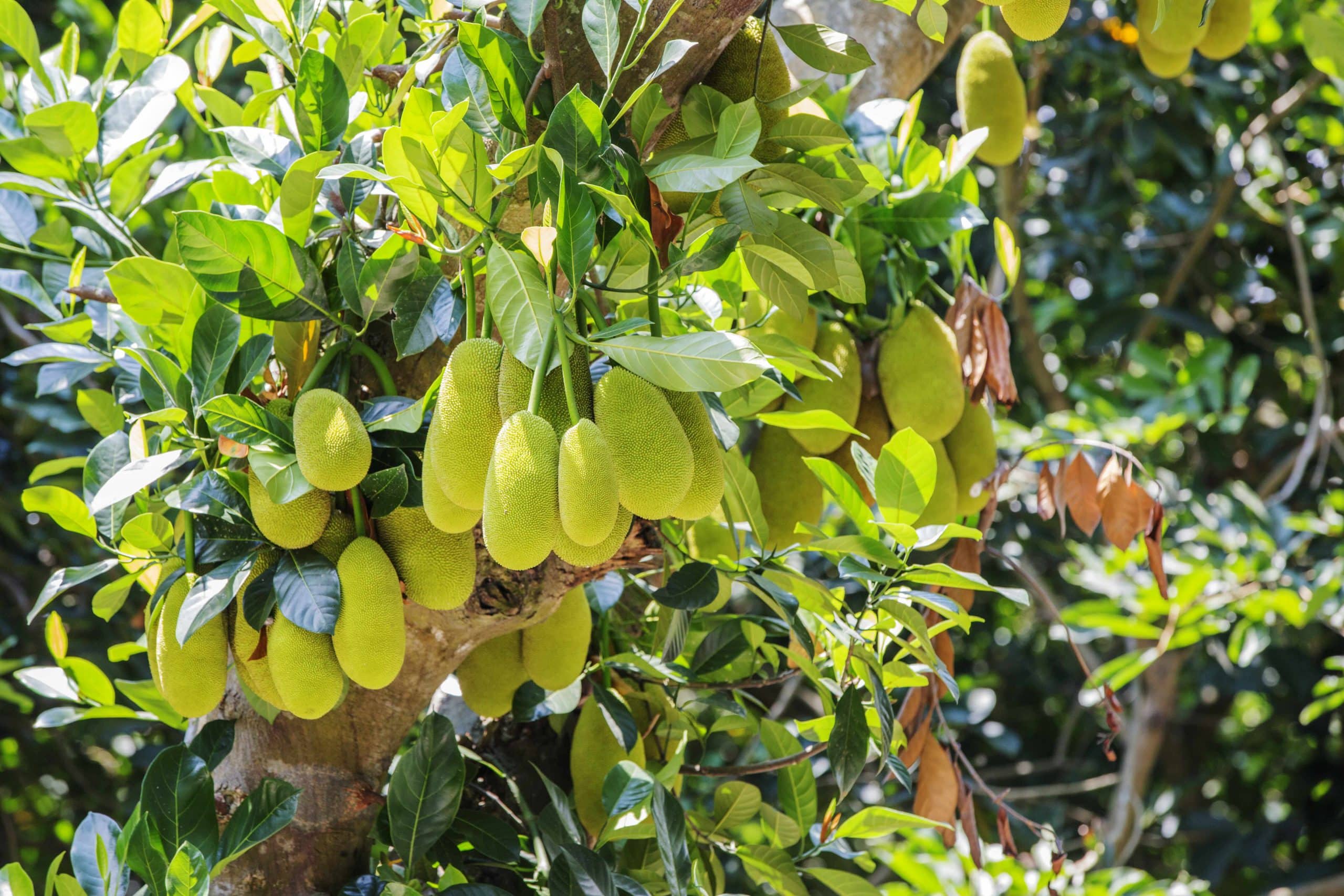
Yet in less than two years, once durian was granted a “visa” for official exports to China, the picture changed completely. Over the past three consecutive years, durian exports have generated billions of US dollars, making it the driving force behind Vietnam’s fruit sector and showing no sign of slowing. Durian has risen to the status of the “king of fruits”. This is not an isolated case, but rather a reflection of a new direction – and a necessary path – for many other fruit exports.
From small-scale production to global value chains
The transformation of Vietnam’s fruit industry is clearly reflected in export figures. In 2025, fruit and vegetable exports exceeded USD 8.56 billion, nearly 20% higher than the previous year, setting yet another record. Behind these numbers lies not merely an increase in volume but a profound upgrade in quality and market position, as Vietnamese durian, coconut, dragon fruit, mango, and others gradually become pillars of the international market.
At the center of this growth wave is durian. In 2025 alone, durian generated approximately USD 3.86 billion, accounting for more than 45% of Vietnam’s total fruit and vegetable export value. For the first time, Vietnam surpassed Thailand to become China’s leading durian supplier, holding over 50% market share, equivalent to around 940,000 tons. From a “latecomer”, Vietnamese durian has firmly established its position in the world’s largest market – clear evidence of the strength of agricultural products when they follow official export channels, standardization, and supply-chain integration.
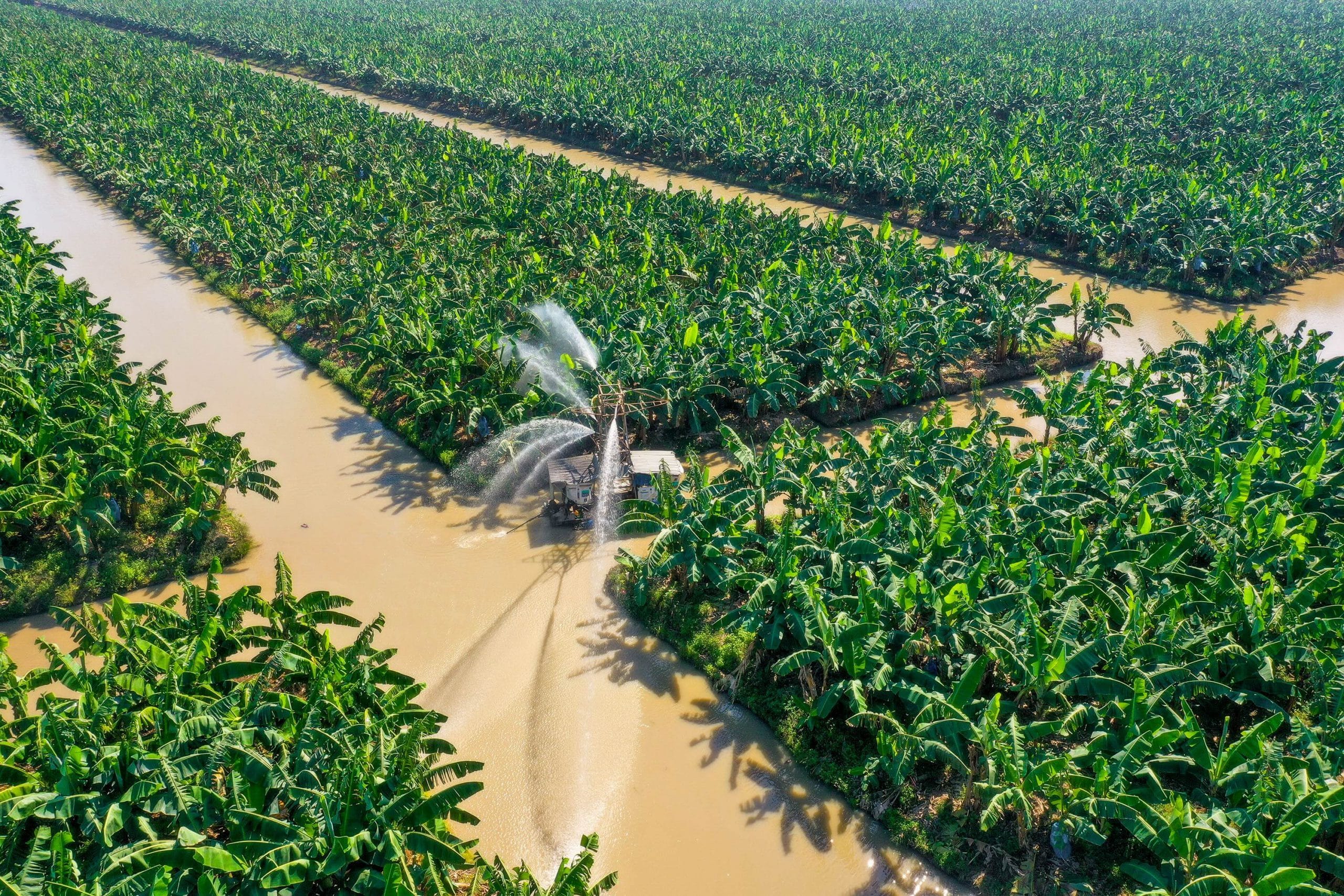
Other fruits such as dragon fruit, mango, coconut, banana, and longan are also steadily securing positions in major markets, helping Vietnam’s fruit sector move beyond seasonal dependence and assume a more prominent role in the agricultural trade balance.
Behind the rising export value lies a fundamental shift in production organization. Vietnamese fruit farming is shifting from fragmented, ad hoc practices toward a new structure in which concentrated growing areas, planting area codes, packing facilities, and supply-chain linkages are mandatory. To date, Vietnam has issued more than 9,300 planting area codes and nearly 1,400 export-oriented packing facilities, reflecting the sector’s deepening level of standardization.
Standardization has opened doors to demanding markets such as Japan, Australia, and New Zealand, while simultaneously raising compliance thresholds for Vietnamese fruit. This transition has been guided by regulatory agencies and technical support systems. The Department of Crop Production and Plant Protection and the National Agricultural Extension Center not only set standards for planting codes and packing facilities, but also provide direct technical guidance, helping farmers and businesses adapt production processes to meet strict export requirements.
From small-scale production to global value chains, Vietnamese fruits are shifting from the mindset of “producing more to sell” toward the approach of “producing correctly to go far”.
Keys to going the distance
In practice, standards and logistics are no longer theoretical concepts but real stress tests for agricultural supply chains. In the days leading up to the Lunar New Year of the Fire Horse, thousands of agricultural containers suddenly slowed at border gates when Decree 46/2026 took effect. A single procedural bottleneck caused congestion, leaving businesses scrambling and incurring significant losses.
China, the EU, the US, Japan, and South Korea are all rewriting the “rules of the game”. China requires plant area codes, packing facility registration, and traceability down to the shipment level. The EU continues to lower maximum pesticide residue limits. The US and Japan intensify quarantine controls at entry points. A single non-compliant indicator can result in shipment warnings or rejections.
VietGAP, GlobalGAP, and organic production are no longer optional labels – they have become mandatory entry tickets to international markets. Quality determines not only market access but also the ability to maintain shelf space globally.
Yet standardization alone is not enough. Logistics and processing are the decisive links in how far Vietnamese fruits can go. Transportation costs, post-harvest preservation capacity, cold storage, and cold-chain logistics directly affect pricing and quality assurance for long-distance exports.
To reduce dependence on fresh-fruit exports and seasonal cycles, more enterprises are investing in pre-processing, cold storage, and deep processing such as freezing, drying, and juice production. These efforts extend product life cycles, expand market reach, and gradually shift exports from seasonal to year-round.
Within a complete value chain – from growing areas and production standards to logistics, processing, and branding – Vietnamese fruits are no longer raw commodities sold by season. They become high-value export products associated with geographical indications, origin stories, and global trends toward green, safe, and transparent consumption.
Bottlenecks to address for sustainable growth
Despite strong progress in export value and market position, Vietnam’s fruit sector still faces significant challenges. Production scale remains uneven across regions, while the risk of trend-driven overexpansion persists for many fruit types. Supply-chain linkages – from production and procurement to processing and export – are not yet tight enough, leaving value chains vulnerable to disruption at the source.
Limitations in deep-processing infrastructure, post-harvest preservation systems, and high-quality human resources remain major barriers, especially for Vietnamese fruit targeting markets that demand consistent quality and stable supply.
Deputy Minister of Agriculture and Environment Tran Thanh Nam emphasized: “Vietnamese fruits cannot go far without reorganizing production along value chains, improving quality, and building professional brands.”
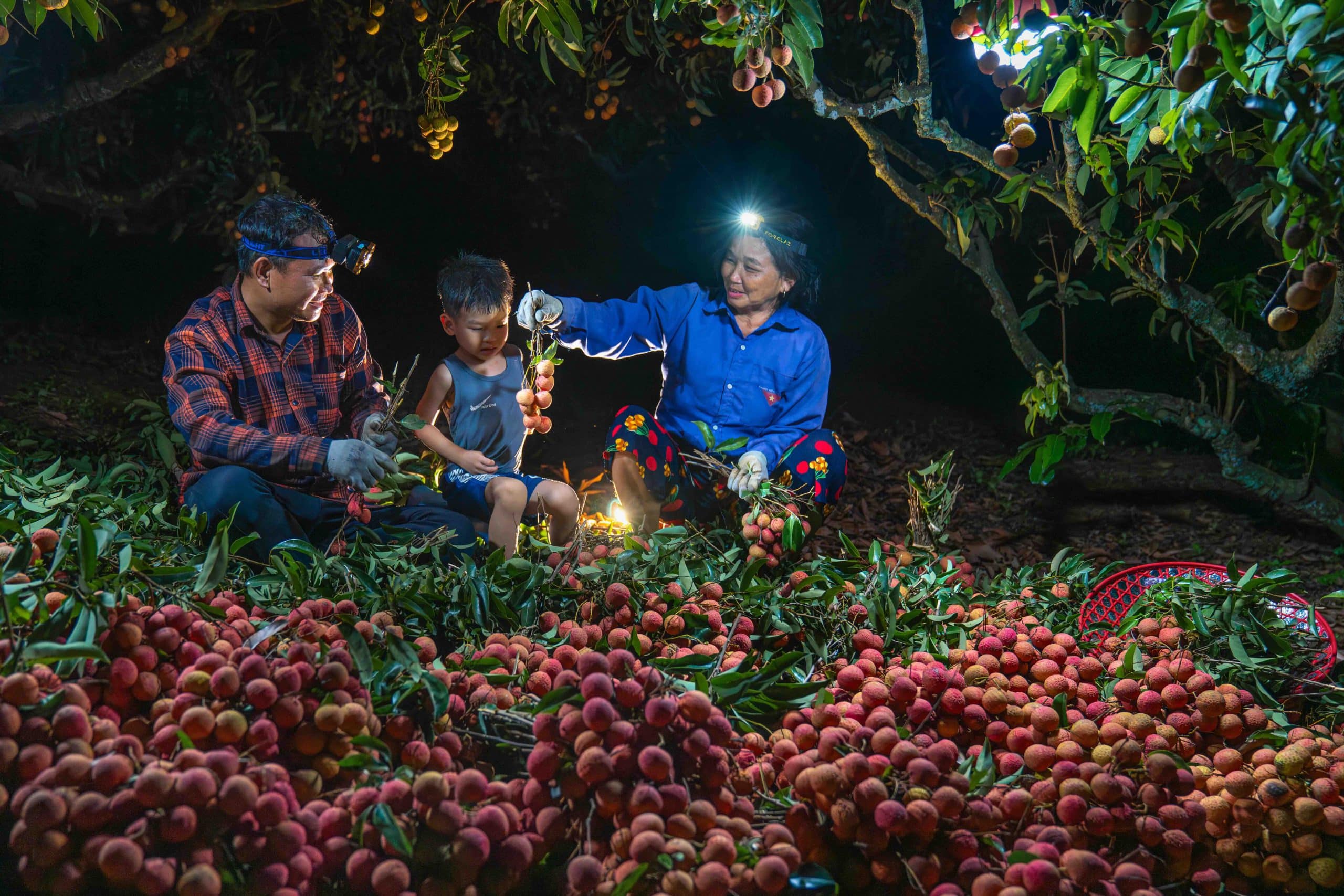
According to Deputy Minister Nam, developing the fruit industry is not about expanding acreage or increasing output, but about organizing the industry and properly connecting the entire chain. By 2030, the Ministry aims to focus on developing key fruit crops in a stable and sustainable manner.
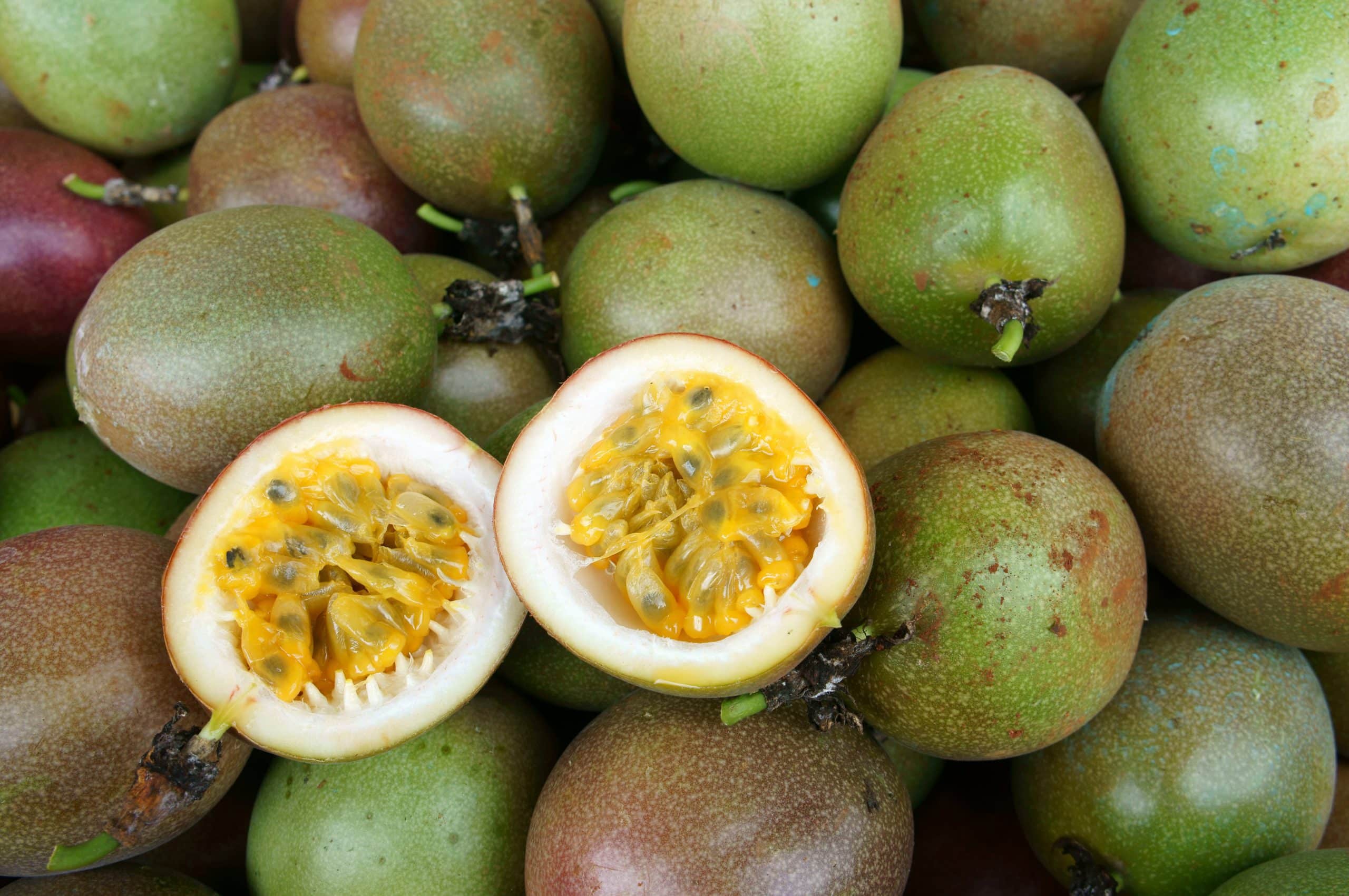
If developed through scientific planning, sustained investment, and full integration across the value chain, key fruits such as passion fruit, banana, pineapple, and coconut will not only increase export value but also provide a solid foundation for ecological agriculture, modern rural development, and a more skilled, professional farming community.
“Vietnam has clear advantages in climate, land, and people. What remains is the approach. Reorganizing key fruit industries is the key to sustainable agricultural development, deeper integration, and long-term growth,” Deputy Minister Nam affirmed.
From small household gardens, Vietnamese fruits are learning to enter the global market through official channels, standardization, and supply-chain integration. This is neither a short nor an easy path – but it is the only way to escape the cycle of bumper harvests and falling prices.