Story: Phuong Nguyen
Photos: Shutterstock
Cebu greets travelers with sea air, rich history, and the unmistakable warmth of the Filipino spirit.
International travelers often describe Southeast Asia as a “hidden treasure” – a region defined by remarkable geographical diversity and the cultural richness of countless indigenous groups scattered across the South Pacific rim. Among these nations, the Philippines stands out as the “paradise of a thousand islands,” where land and sea weave together to form a vast, shimmering mosaic. Within that mosaic, Cebu stands out as a place shaped by centuries of history, offering cultural depth and a landscape of exceptional beauty.
Arriving in Cebu – greetings from the sea
We landed in Cebu beneath the brilliant tropical sun, the salty breeze rushing into the cabin as we prepared to step onto the tarmac. The air felt alive, bright with the scent of the sea and washed in honey-gold light that spilled across the horizon. With an itinerary lovingly suggested by Filipino friends, we had seventy-two hours to embrace this radiant island, a warm and welcoming neighbor across the East Sea from Vietnam.
Cebu is closer than one might think, with a direct flight from Hanoi taking less than four hours. Soon after leaving the airport, our car sped along a road lined with tall wild coconut palms, the sea gleaming just beyond the windows. Nearby, the rhythmic strumming of a guitar drifted from a jeepney decorated in joyful colors. Before I could even say “Mabuhay,” Cebu had already greeted us with its fresh ocean air.
Cebu – the “Queen City of the South”
Known as the “Queen City of the South,” Cebu is where Ferdinand Magellan first set foot in the Philippines in 1521, beginning centuries of cultural exchange between East and West. Here, he erected Magellan’s Cross, a symbol of the arrival of Christianity – a faith that remains central to the lives of most Filipinos today.
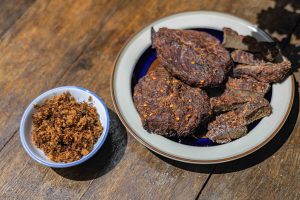
Cebuanos take pride in their Cebuano language, their traditional music, their rich culinary heritage, such as the famed lechon Cebu, and above all, the Sinulog Festival, an exuberant celebration held each January to honor the Santo Niño. In Cebu, music is more than entertainment – it is breath and joy.
During our days spent exploring the city, songs rose from every corner, clear and expressive voices filling the vibrant streets. The Cebuano spirit is warm and vital, shaped by an unmistakable joy in living.
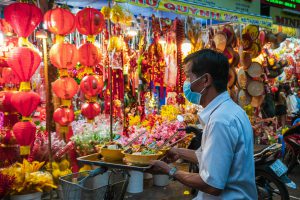
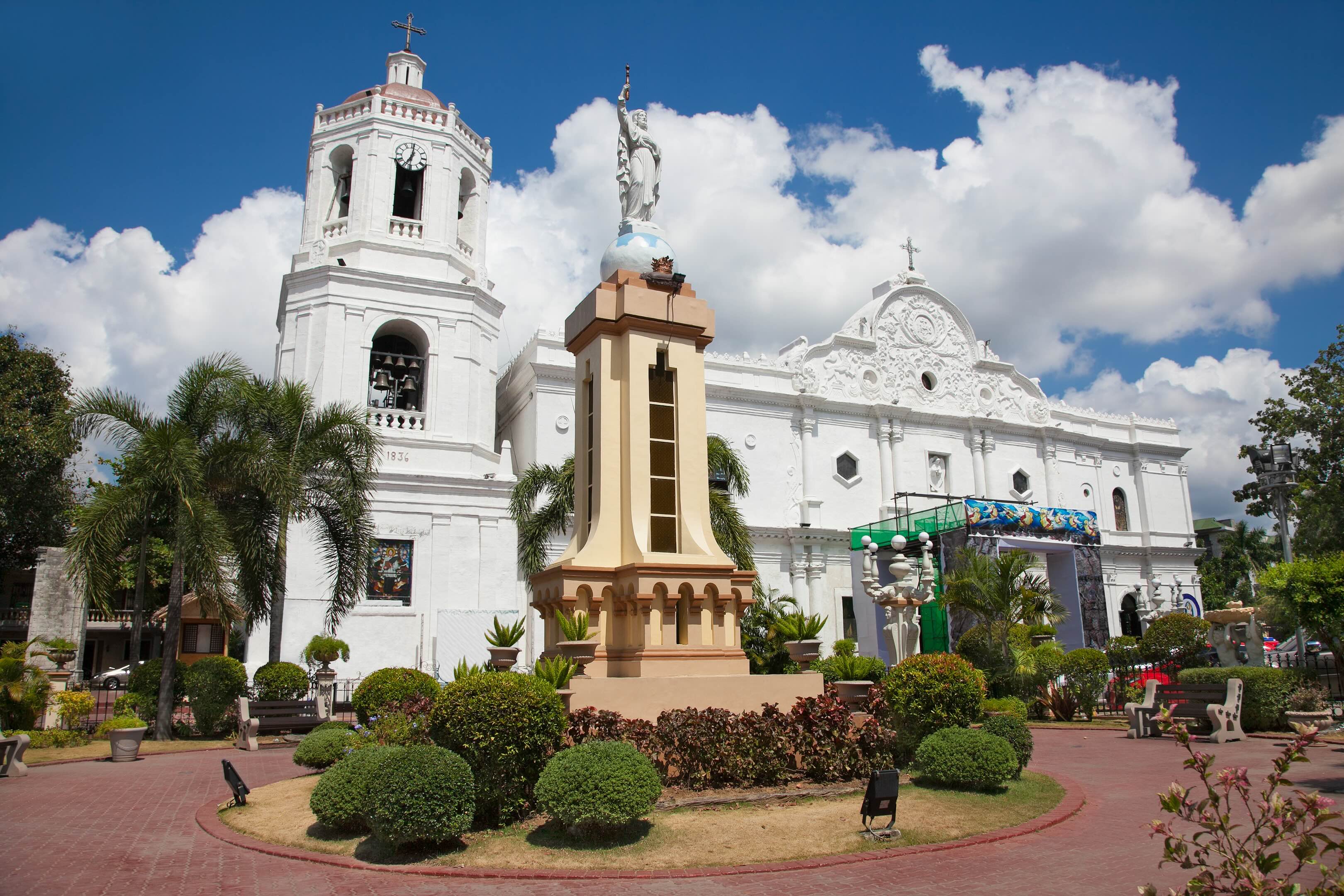
We spent a day wandering through Cebu’s historic quarters, beginning at the Basilica Minore del Santo Niño, home to the revered Holy Child statue considered a national treasure. From there, we continued to the old district along Colon Street, the oldest street in the Philippines, founded in the sixteenth century during Spanish rule. After immersing ourselves in centuries of history, we ended at Carbon Market, one of the city’s oldest and most atmospheric markets, where we savored an array of local flavors — some familiar and others wonderfully unexpected.
Where the ocean whispers – Cebu’s natural rhythms
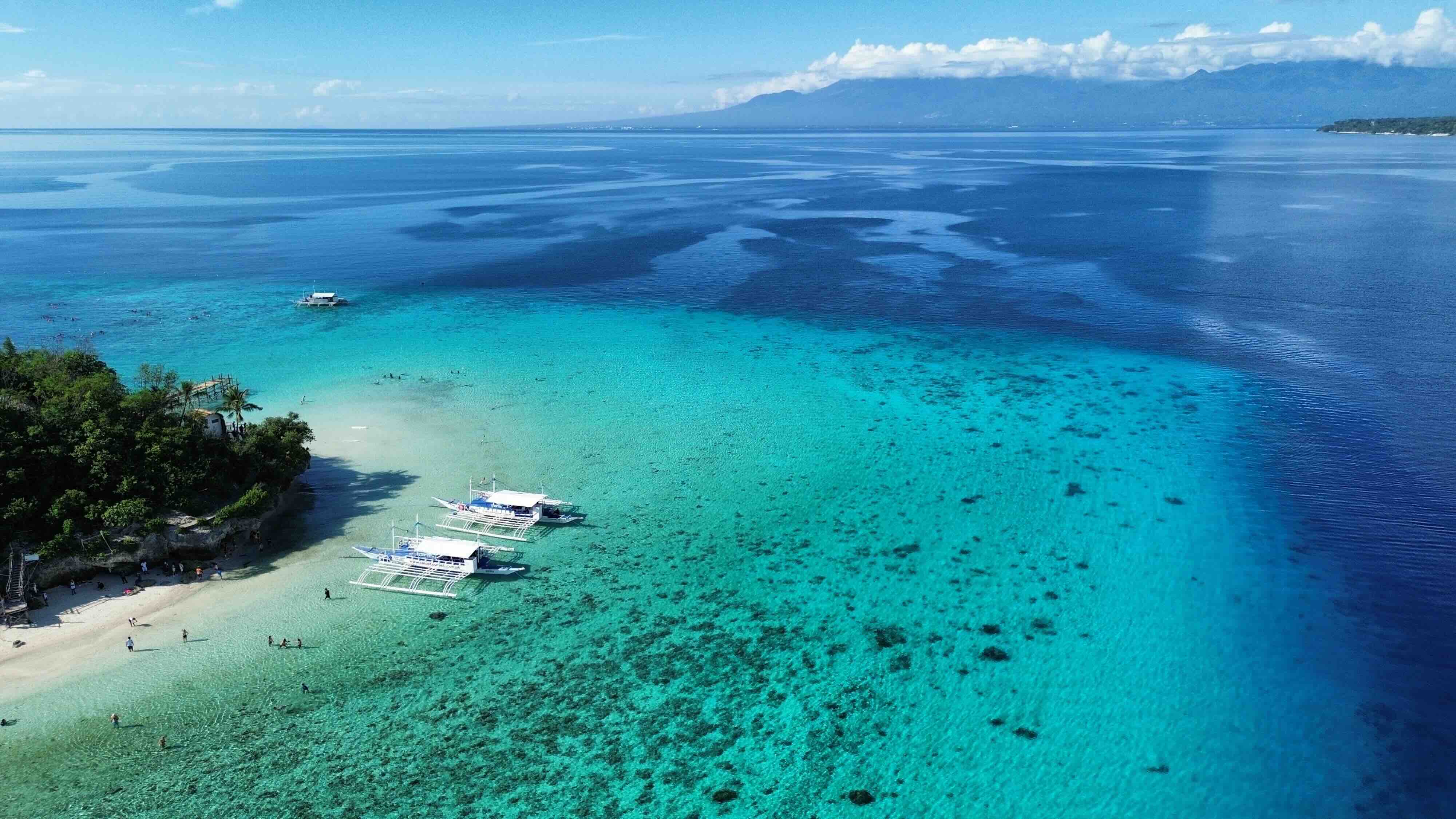
From above, Cebu appears as a slender ribbon unfurling across the turquoise waters of the Visayas Sea – an island where nature remains tender, pristine, and compelling. At the northern tip lies Malapascua, where calm, sunlit days give divers a rare chance to meet elusive thresher sharks gliding through the deep, an encounter found in only a handful of places worldwide. Farther west, Bantayan Island offers gentle stillness with powder-soft white sand, crystal waters mirroring drifting clouds, and small villages resting quietly beneath leaning coconut trees. To the south, Moalboal unfolds as a paradise for marine lovers, its long coral walls glowing beneath jade-tinted water, and millions of sardines swirling in silver spirals that catch the light like liquid metal. Not far away, Kawasan Falls plunges through lush rainforest into cool turquoise pools, revealing the tender heart of Cebu’s tropical landscape. Offshore, Sumilon Island is known for its shifting sandbar – a whisper-thin strip of white sand that changes shape each day with the wind and tides. Together, these landscapes form a symphony of sea, sun, and wind – a place where visitors don’t merely see the ocean but feel its heartbeat.
On our last evening in Cebu, we sat quietly on a nearly deserted beach on Bantayan Island, watching the sun slip behind the horizon. The sky dissolved into a gentle violet as we sipped cool mojitos, a slight warmth spreading through our fingertips. The silhouettes of palm trees melted into dusk, leaving only the faintest glow where clouds drifted across the evening light. The island had left a deeper impression than we expected, offering a delicate balance of unspoiled nature, history, and the bright, musical optimism of its people. Cebu deserves time: slow days, open hearts, and a willingness to explore its inner layers. Like an unpolished gem, it reveals its brilliance gradually, rewarding those who linger.
Notes
- Jeepney: A uniquely Filipino mode of public transport, originally repurposed from U.S. military jeeps. They are known for their colorful, flamboyant designs and often carry 16 to 30 passengers.
- “Mabuhay”: A Filipino greeting meaning “hello,” “welcome,” or “may you live well” is often used to express warmth and hospitality.