Pham Minh Quan
Contemporary tourism is moving beyond purely visual sightseeing to enter an era of multisensory experience. In Kyoto, a kaiseki dinner unfolds like a chapter in the story of tea culture; in Siem Reap, the rhythm of apsara drums guides diners through memories of Angkor; and in Istanbul, visitors are invited to touch Ottoman history through flavor and music. What these models share is a gentle narrative approach that allows heritage to step out of glass display cases and become a living space for today’s audience to enter, feel, and engage in dialogue.
Vietnam is pondering how to translate its vast traditional treasury, from tuong and chau van to regional cuisines, into the language of the present without losing its original spirit. Cuisine is perhaps the most vivid museum of taste, where each dish carries geography, climate, and collective memory. Performing arts open an emotional dimension, bringing seemingly distant cultural layers closer. When these two streams converge, heritage can be retold naturally, without extensive explanations.
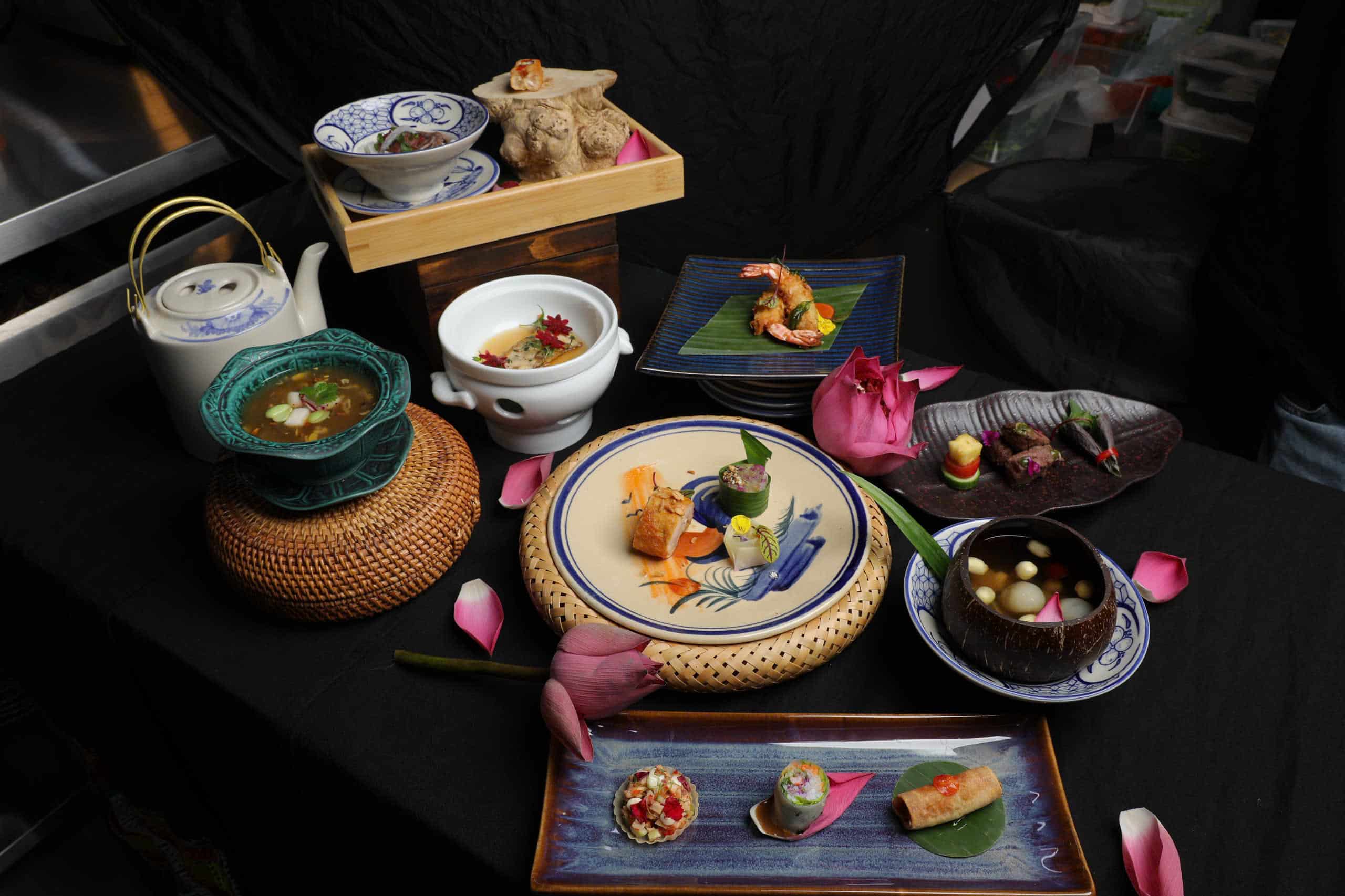
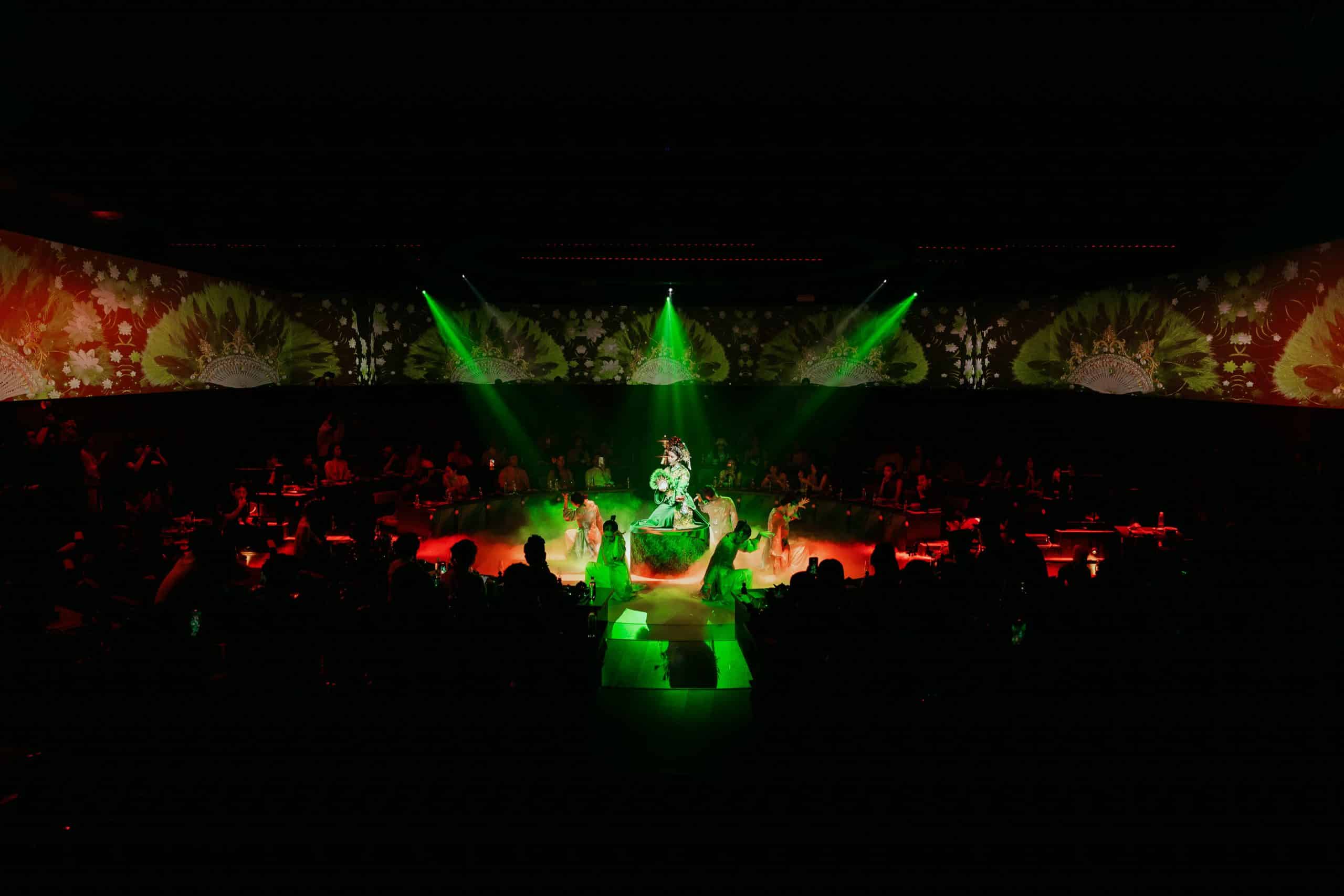
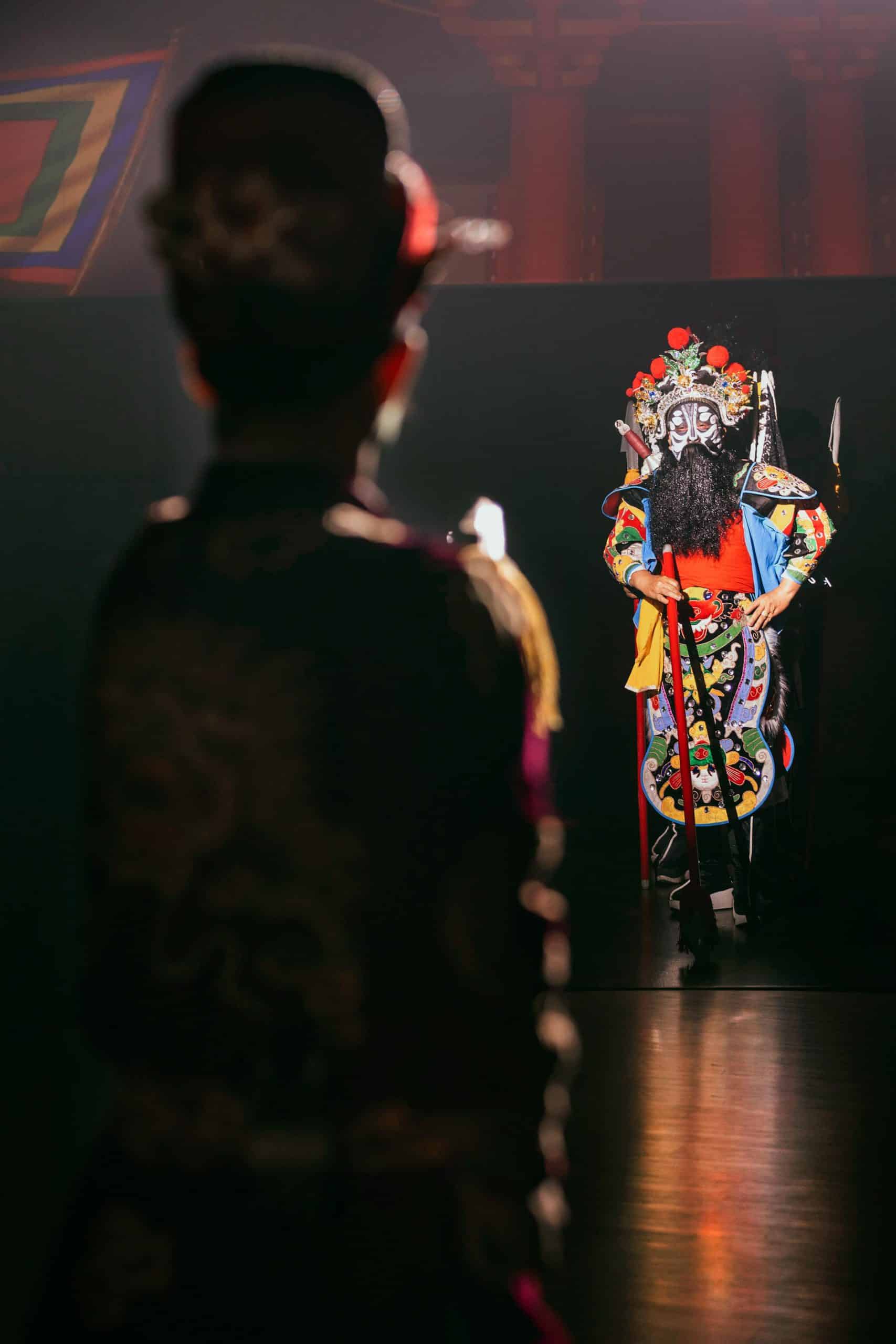
Recently, Ho Chi Minh City has seen experiments moving in that direction. Within the grounds of the Independence Palace, a landmark already familiar to international travelers, the VietCharm Culture and Dining Show adopts a see, taste, feel approach in a seamless ninety-minute journey. The 360-degree rotating stage at its center evokes the Vietnamese cosmology of a round sky and a square earth, with audience members seated in concentric circles to evoke a miniature festival space. Each performance is paired with a fusion-inspired dish, letting the palate converse with the eyes. Lotus opens the story; pho recalls the old capital, followed by royal court music and the melodies of the South, which lead to different cultural regions. What stands out is not grandeur but restraint. Folk materials, from chau van and bamboo dances to hat boi, are treated with contemporary aesthetics, avoiding the reduction of heritage to mere tourism displays.
Tourism products that weave art and cuisine may open a new path for Vietnam’s heritage-experience economy. As a gateway of international exchange, Ho Chi Minh City is becoming a laboratory for telling cultural stories in modern ways. When visitors leave a multisensory feast still carrying the aftertaste of a familiar melody or fragrance, heritage has fulfilled its quiet mission, touching people’s memories today.
Guests are encouraged to wear traditional Vietnamese attire. Garments are available for those who have not had time to prepare suitable outfits in advance.
www.vietcharmshow.com
Hotline: 0989 239 118